Basic math practice Math Worksheets for Ages 3-5
6 filtered results
-
From - To
Welcome to our Basic Math Practice Worksheets for Ages 3-5! Designed specifically for young learners, these engaging and colorful worksheets introduce essential math concepts like counting, addition, and subtraction. Each activity is crafted to enhance early numeracy skills, promote problem-solving, and develop fine motor abilities. Parents and educators can effortlessly incorporate these worksheets into their teaching routines, ensuring a fun and educational experience for children. Ideal for both classroom and at-home learning, our resources support the development of confident and curious young mathematicians. Explore our collection and watch your little ones thrive in their mathematical journey!
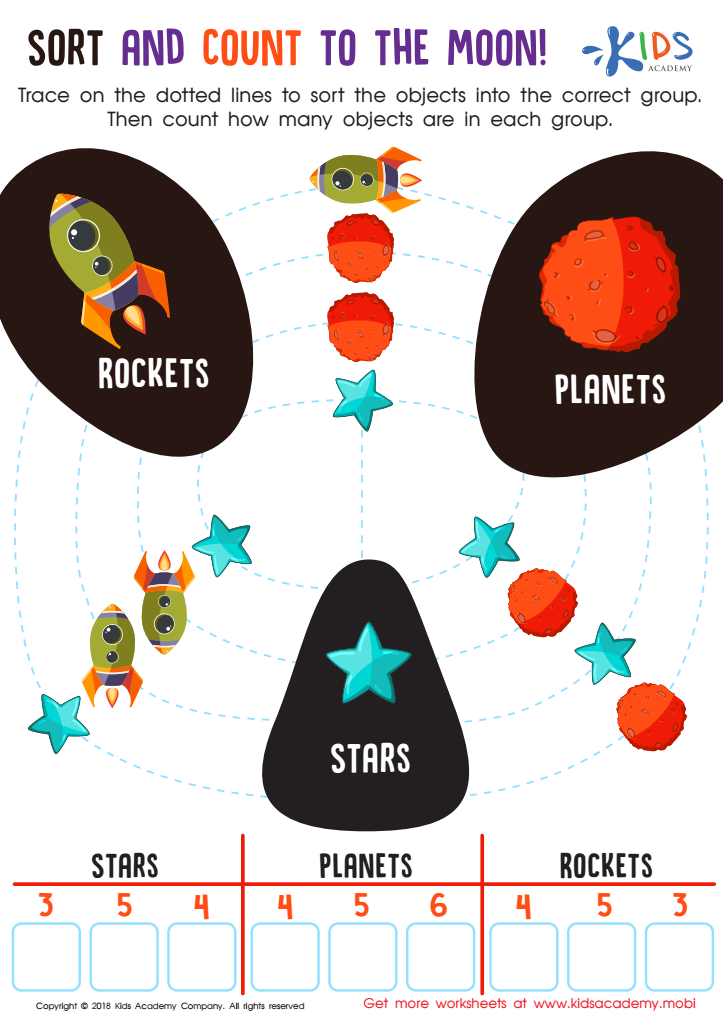
Sort and Count to the Moon Worksheet
 Assign to My Students
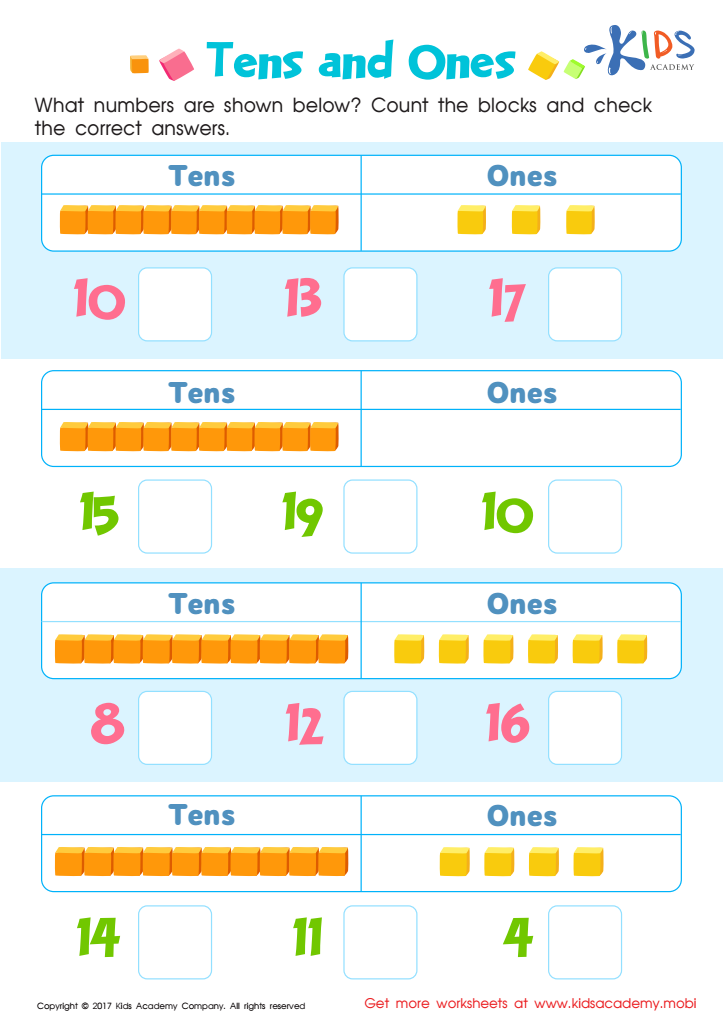
Tens and Ones Worksheet
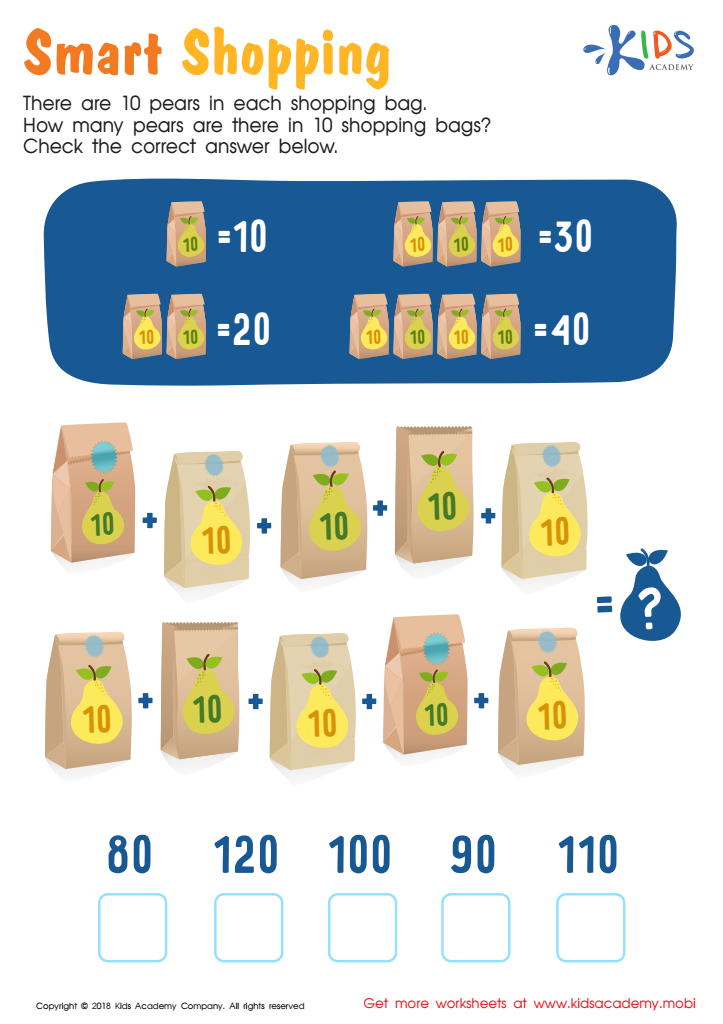
Smart Shopping: Trade Tens for a Hundred Worksheet
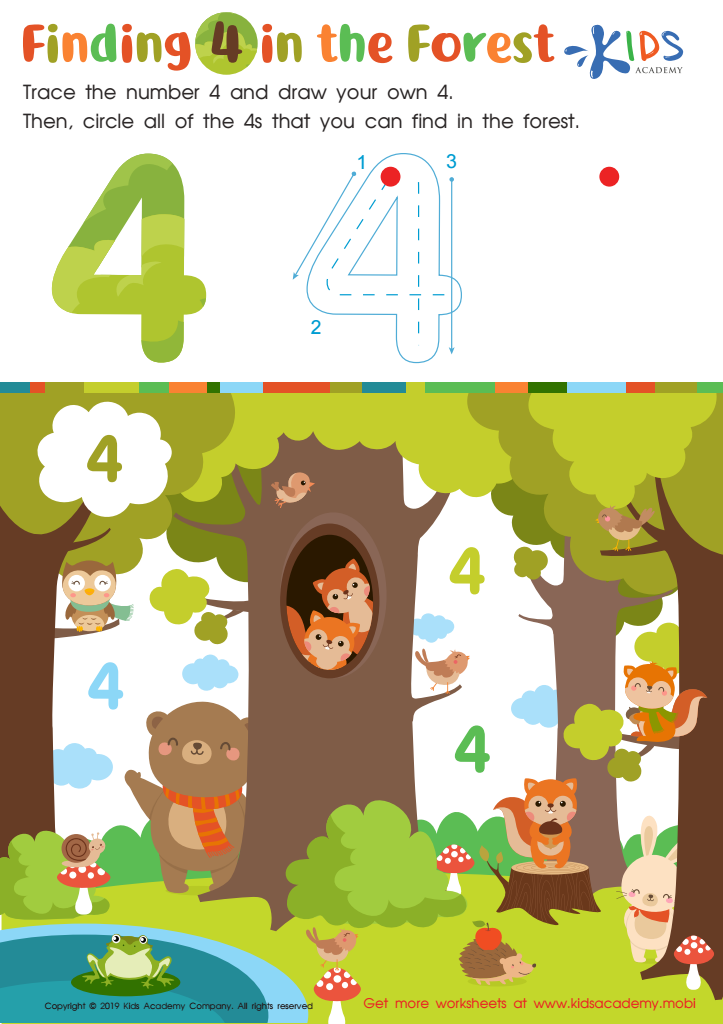
Finding 4 in the Forest Worksheet
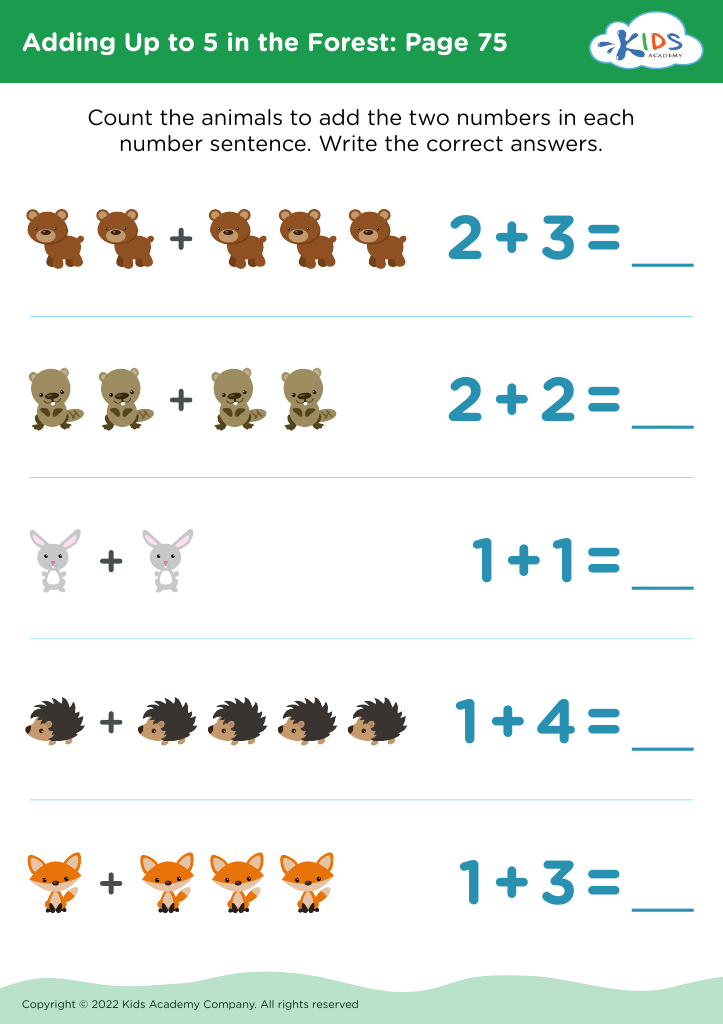
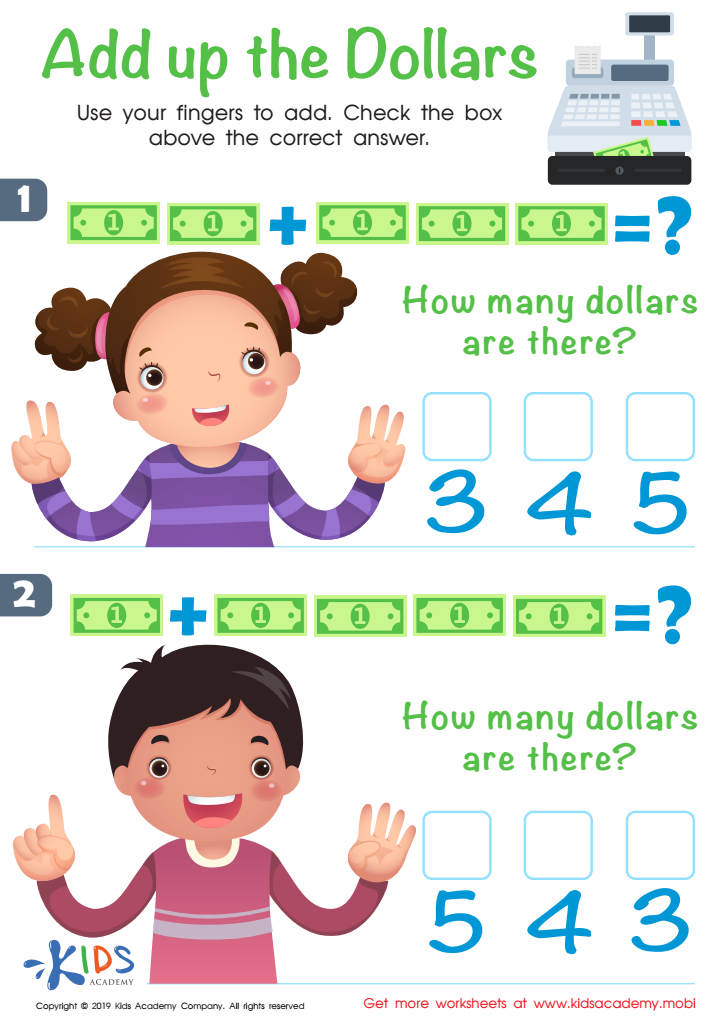
Add up the Dollars Worksheet








Parents and teachers should prioritize basic math practice for children aged 3-5 because early math skills are foundational for lifelong learning and academic success. During these formative years, children's brains are particularly receptive to new concepts, making it an ideal time to introduce essential mathematical ideas such as counting, number recognition, and shapes.
Engaging children in basic math activities not only prepares them for future academic challenges but also supports their cognitive development. Math practice enhances critical thinking and problem-solving skills, essential for navigating the world around them. Moreover, weaving math into daily activities, such as counting fruits during grocery shopping or comparing sizes of toys, makes learning fun and relatable, helping children grasp abstract concepts better.
Additionally, basic math practice fosters social and communication skills as children engage in collaborative activities. They learn to share their thoughts, understand perspectives, and work together, building essential interpersonal skills.
By focusing on early math practice, parents and teachers lay a strong foundation for children's mathematical understanding, promoting confidence and enthusiasm for learning. This early investment in their education contributes significantly to their cognitive development and sets the stage for their future academic success in higher-level math skills and beyond.








