Fine motor development Math Worksheets for Ages 3-5
6 filtered results
-
From - To
Enhance your child's fine motor skills with our engaging Math Worksheets specially designed for ages 3-5! These worksheets offer fun and interactive activities that focus on essential math concepts while encouraging hand-eye coordination and dexterity. Through colorful visuals and age-appropriate tasks, children will practice counting, sorting, and shape recognition in a playful way. By incorporating fine motor exercises, our worksheets support early learning and help build the foundations for future math success. Perfect for home or classroom enrichment, these resources help turn learning into an enjoyable adventure. Let's foster your little one's math skills and fine motor development together!
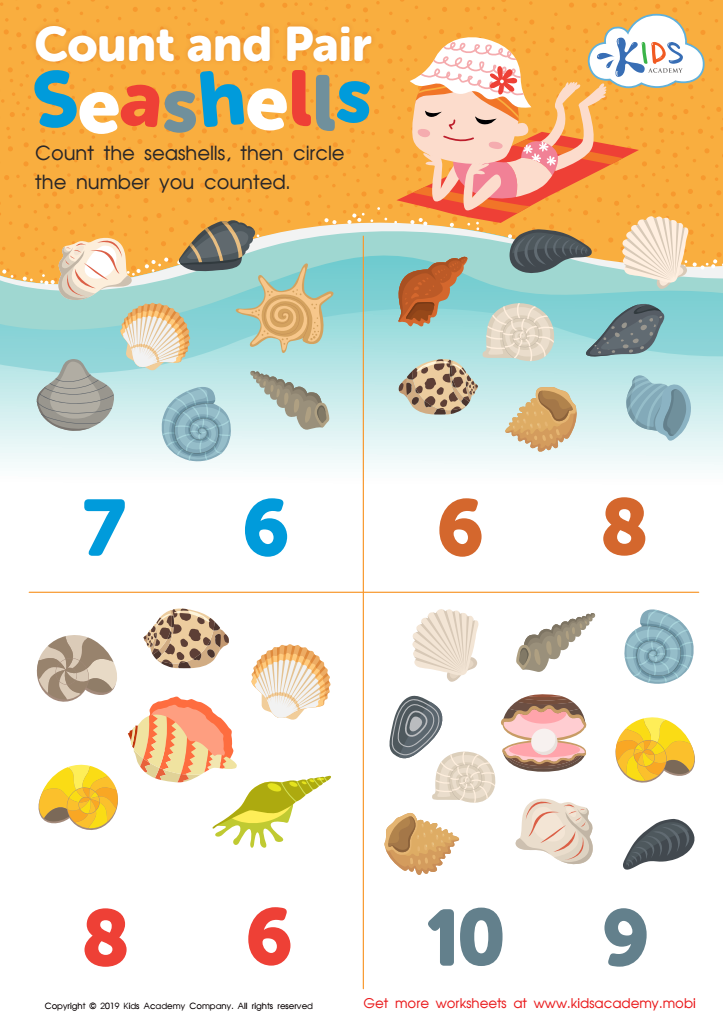
Count and Pair Seashells Worksheet
 Assign to My Students
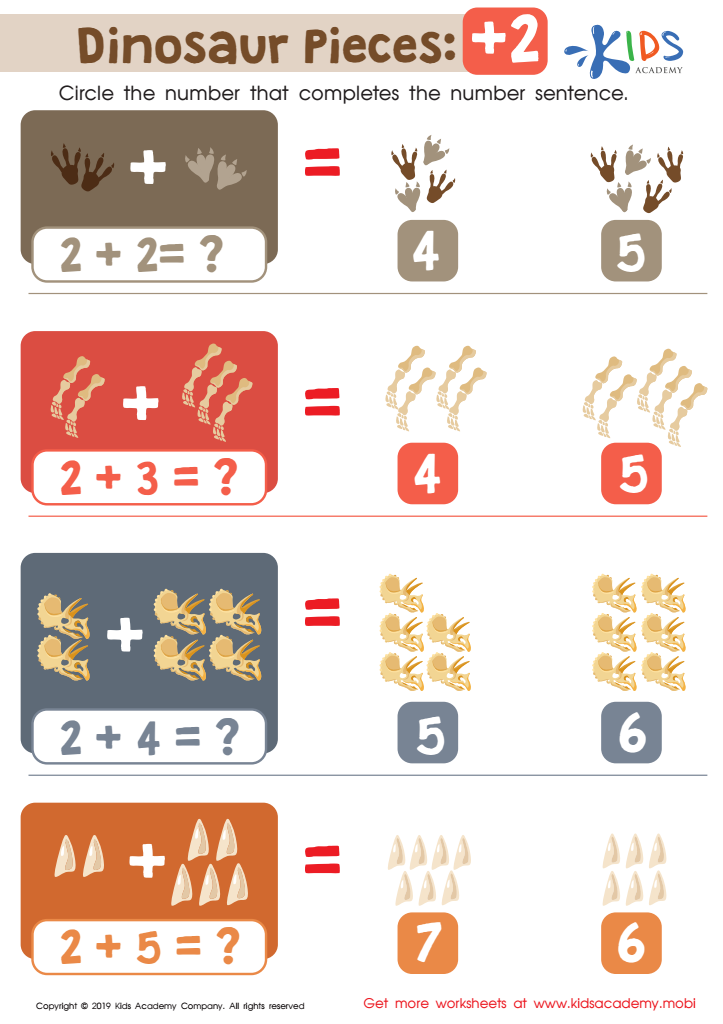
Dinosaur Pieces: +2 Worksheet
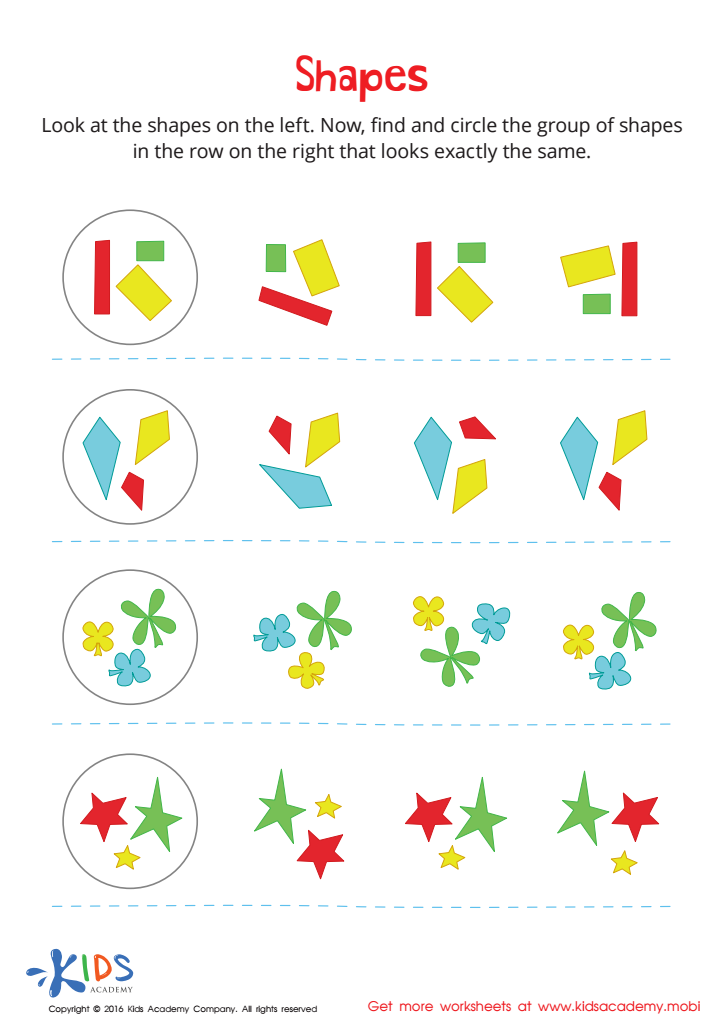
Shapes Worksheet
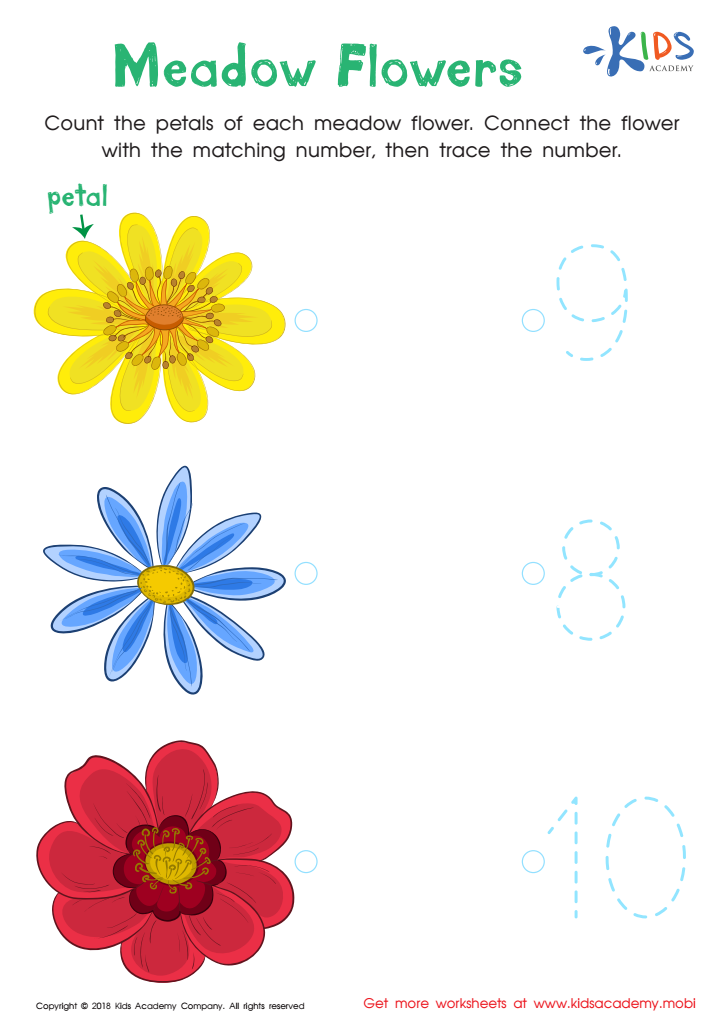
Kindergarten Number Tracing: Medow Flowers Worksheet








Fine motor development is crucial for young children, particularly in the context of mathematical learning for ages 3-5. At this stage, children refine their hand-eye coordination and dexterity, which are essential for manipulating objects—core skills in early math. For example, when they grasp and stack blocks, they engage in spatial awareness and learn about sizes and quantities, foundational concepts in mathematics.
Encouraging fine motor activities like threading beads, cutting with scissors, or drawing shapes shapes not only enhance dexterity but also promote cognitive skills tied to math. As children engage in these activities, they are practicing counting, sorting, and pattern recognition, enabling them to visualize mathematical concepts. Parents and teachers can foster this development through structured play, ensuring children connect their physical skills to abstract mathematical ideas.
Moreover, fine motor skills assist in building confidence and independence, as children gain control over their movements. This confidence translates to the math classroom, where children are more likely to engage with challenges when they feel capable. Ultimately, focusing on fine motor development empowers young learners to approach math with curiosity and resilience, laying a solid foundation for future academic success. Thus, it's vital for caregivers to prioritize this component of early childhood education.








