Fine Motor Skills Math Worksheets for Ages 3-5 - Page 6
137 filtered results
-
From - To
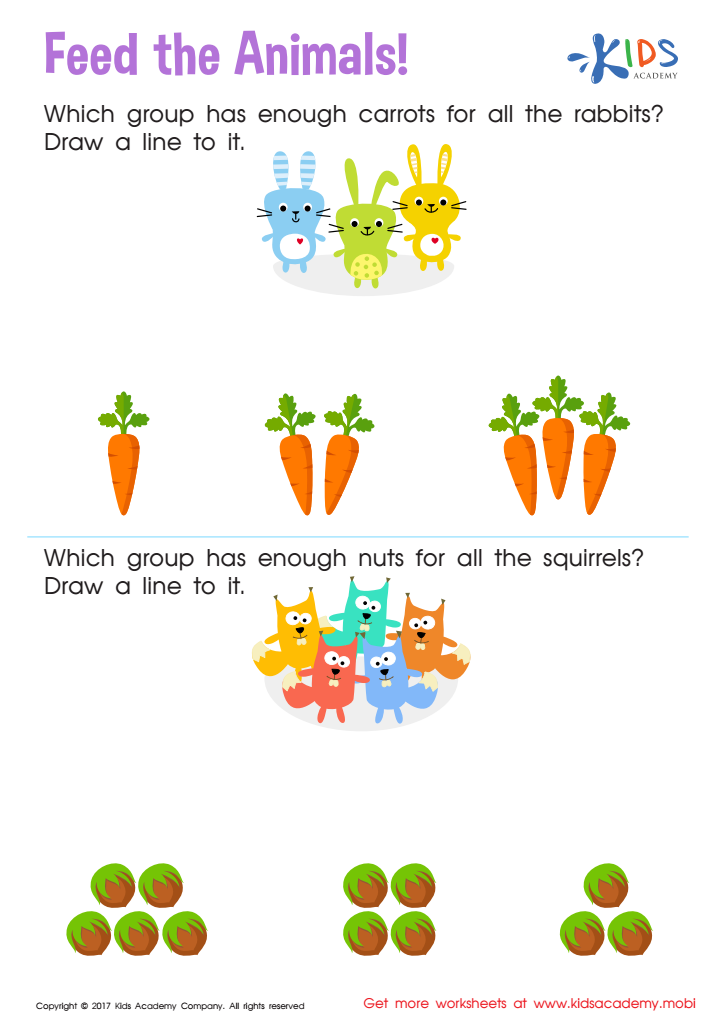
Count and Match: Feed the Animals Worksheet
 Assign to My Students
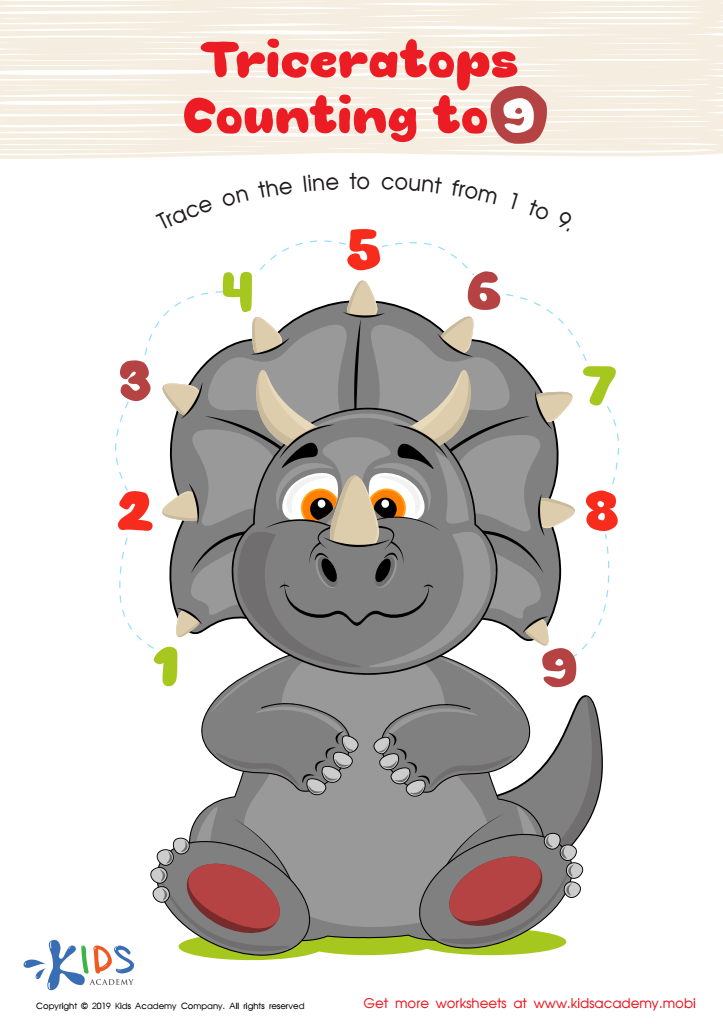
Triceratops Counting to 9 Worksheet
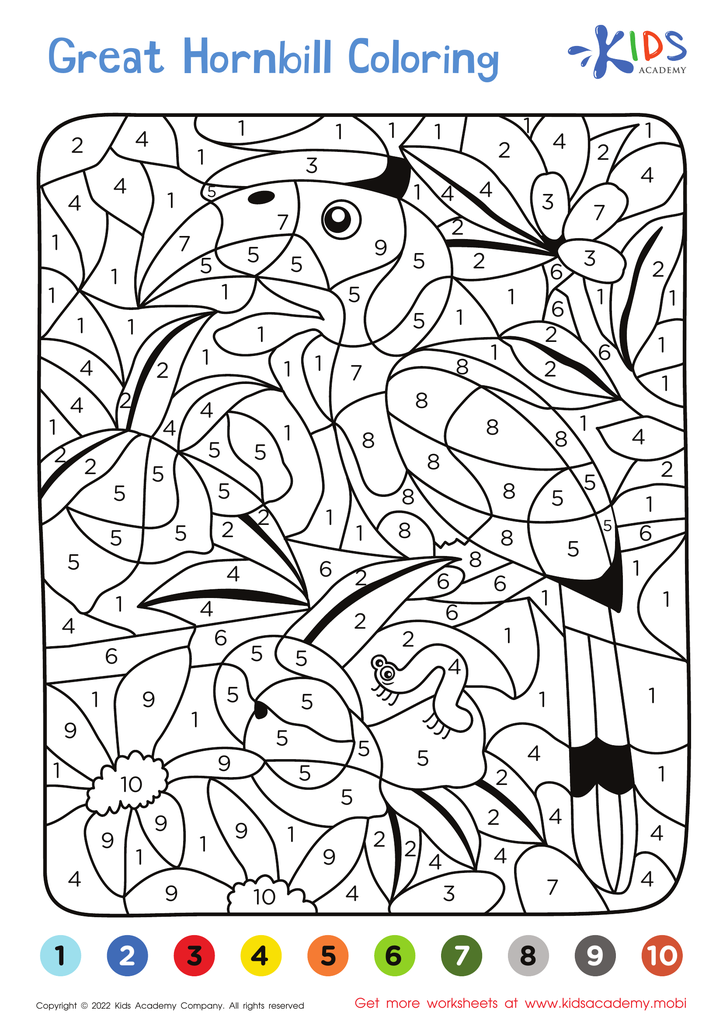
Great Hornbill – Coloring by Numbers
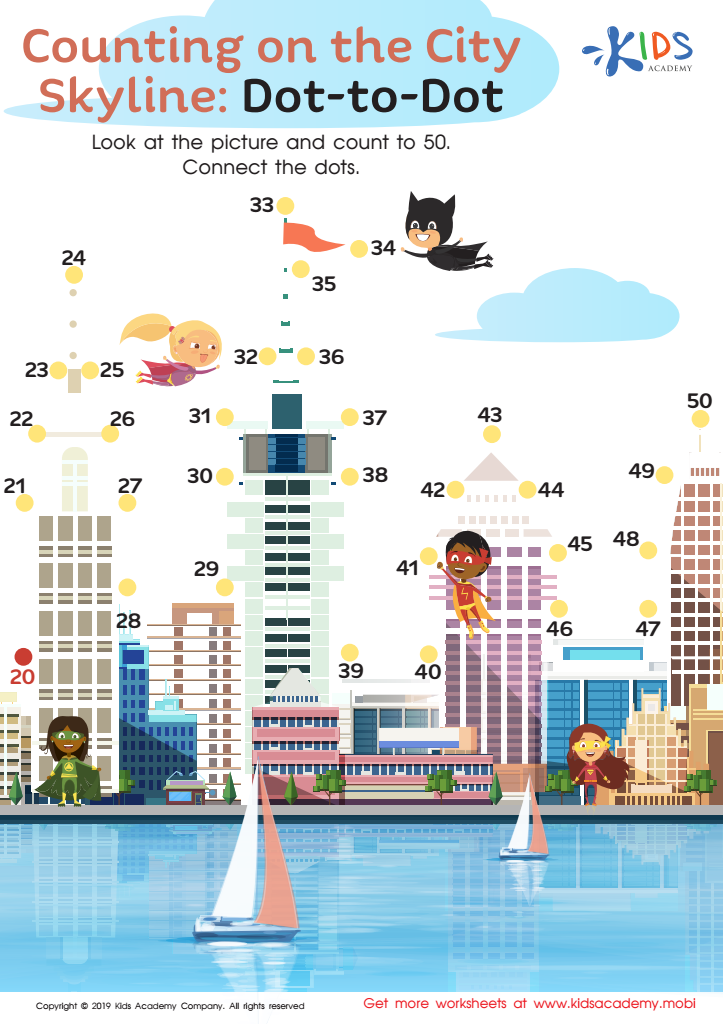
Counting on the City Skyline: Dot-to-Dot Worksheet
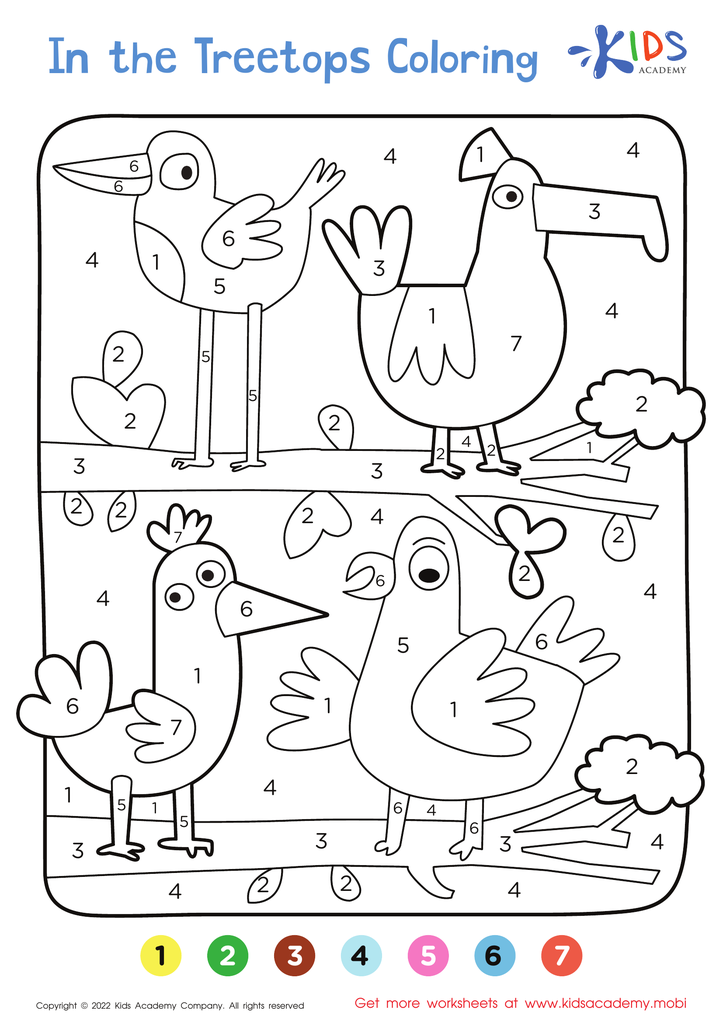
In the Treetops – Coloring Page
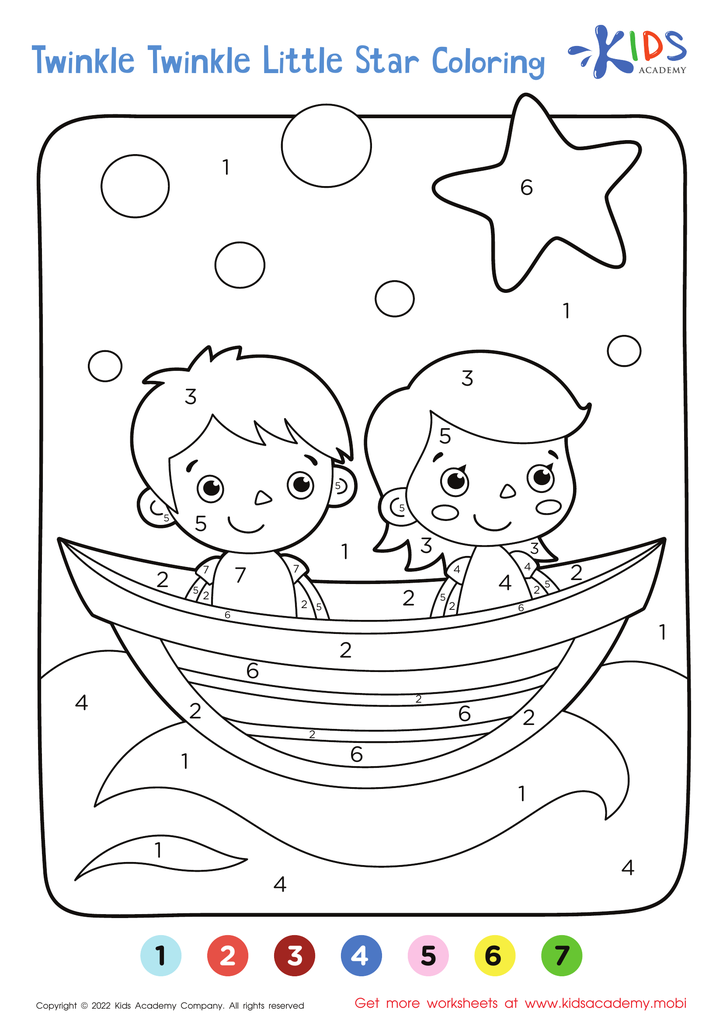
Twinkle, Twinkle, Little Star – Coloring by Numbers
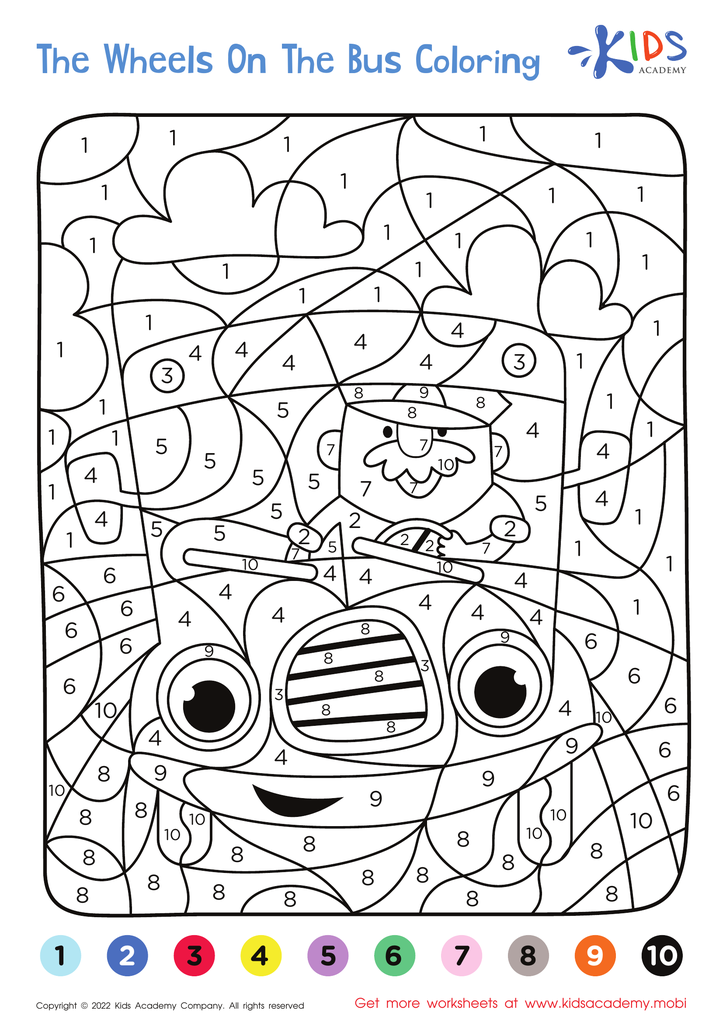
Wheels on the Bus – Coloring by Numbers
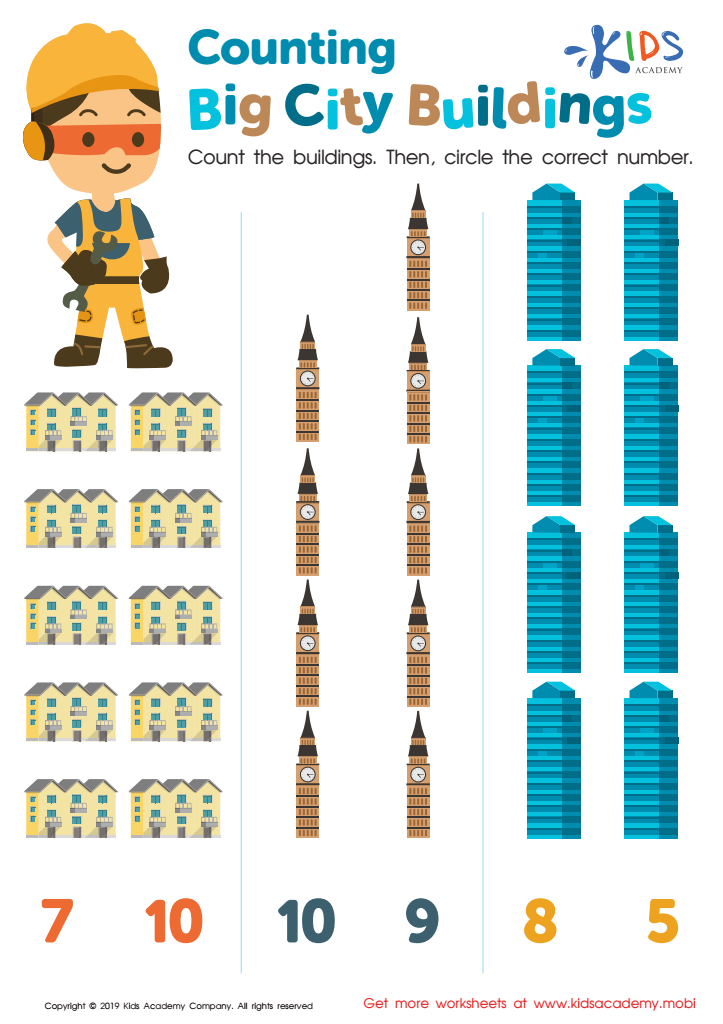
Counting Big City Buildings Worksheet
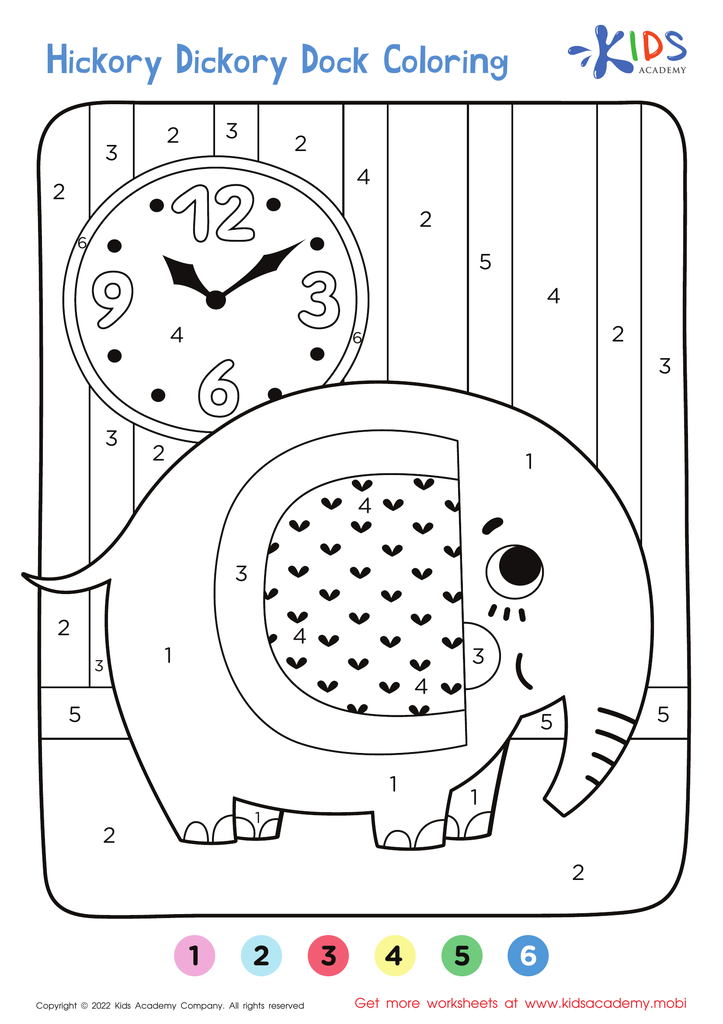
Hickory Dickory Dock – Coloring by Numbers
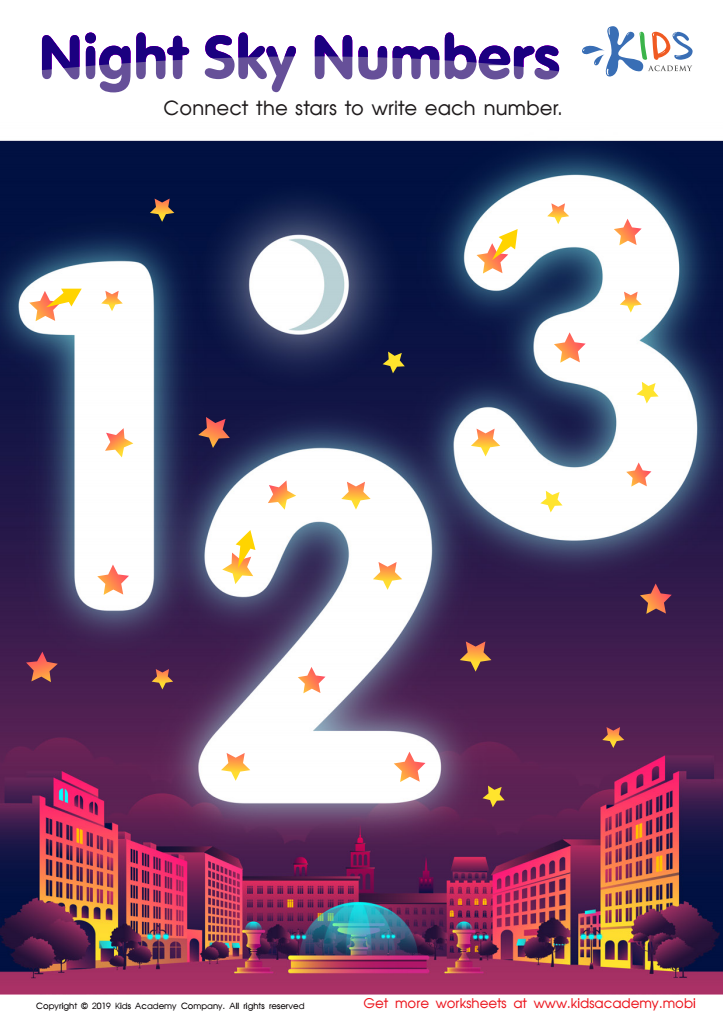
Night Sky Numbers Worksheet
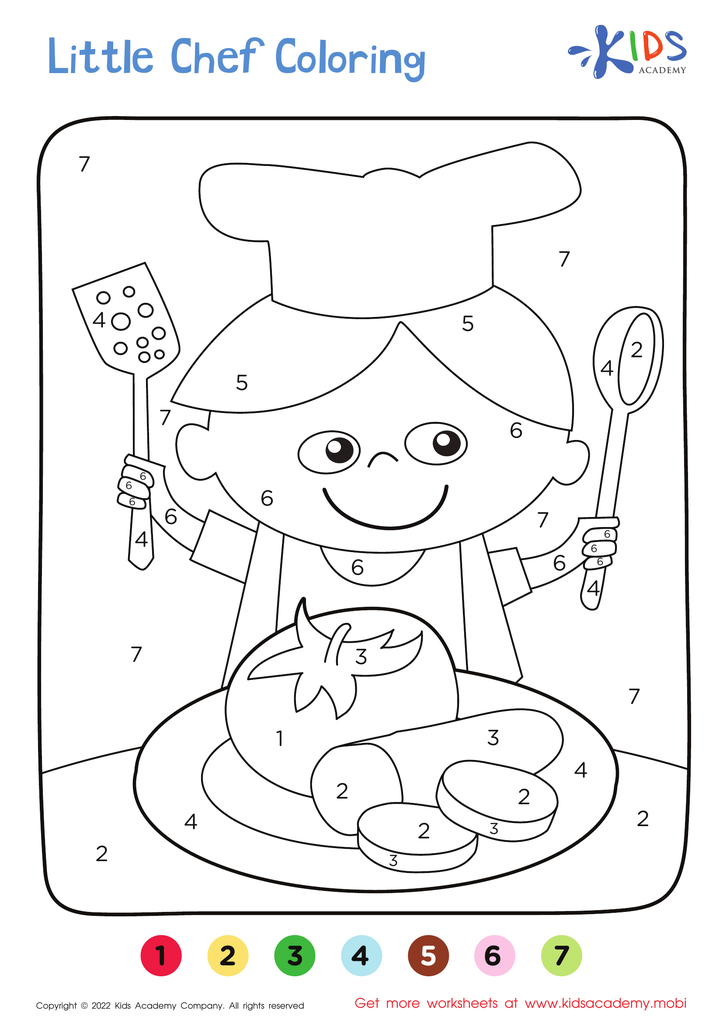
Little Chef – Coloring by Numbers
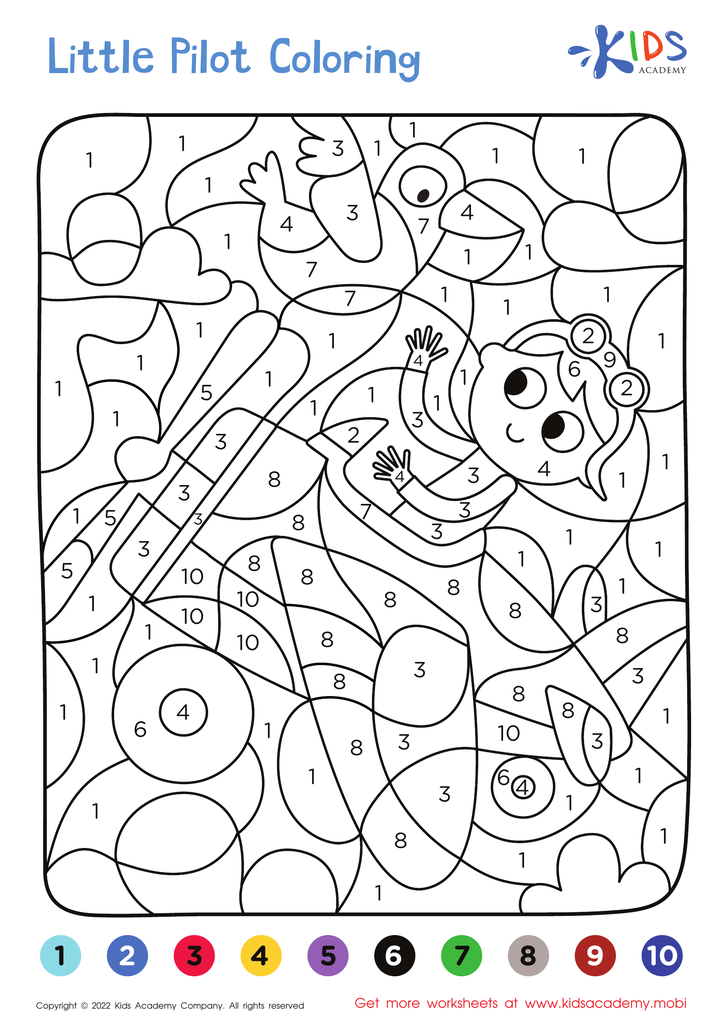
Little Pilot – Coloring by Numbers
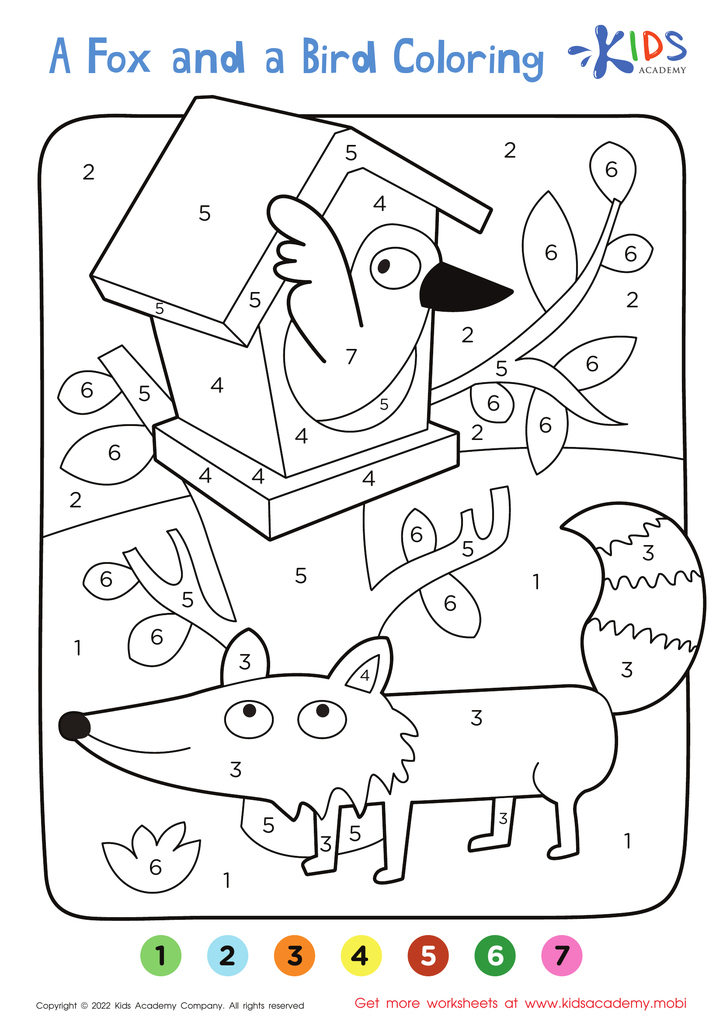
A Fox and a Bird – Coloring by Numbers
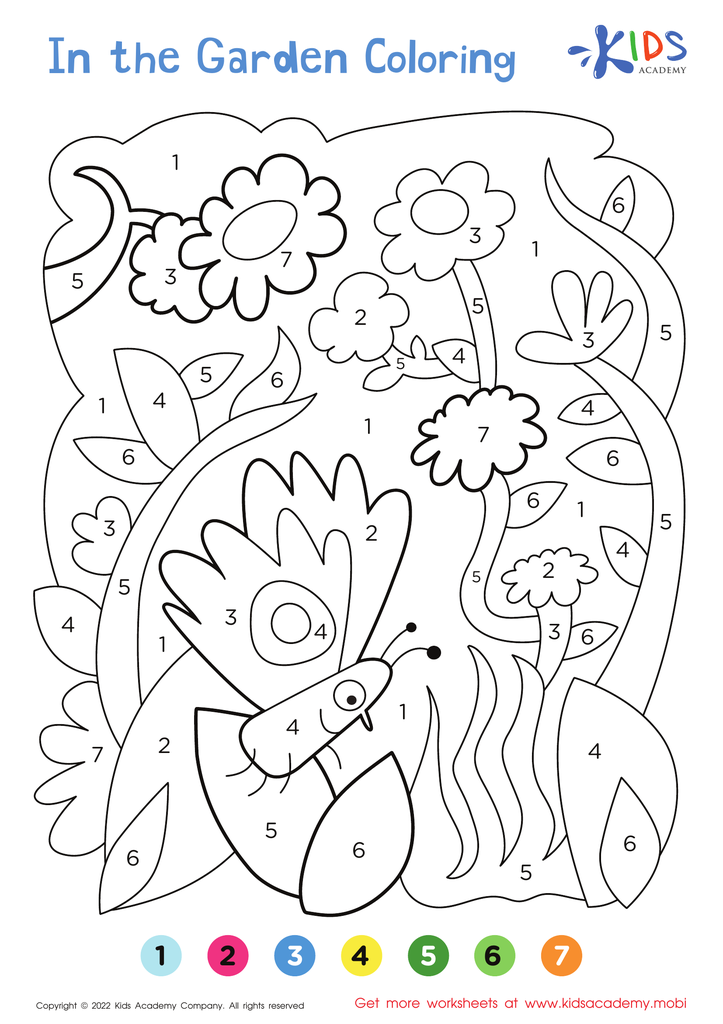
In the Garden – Coloring by Numbers
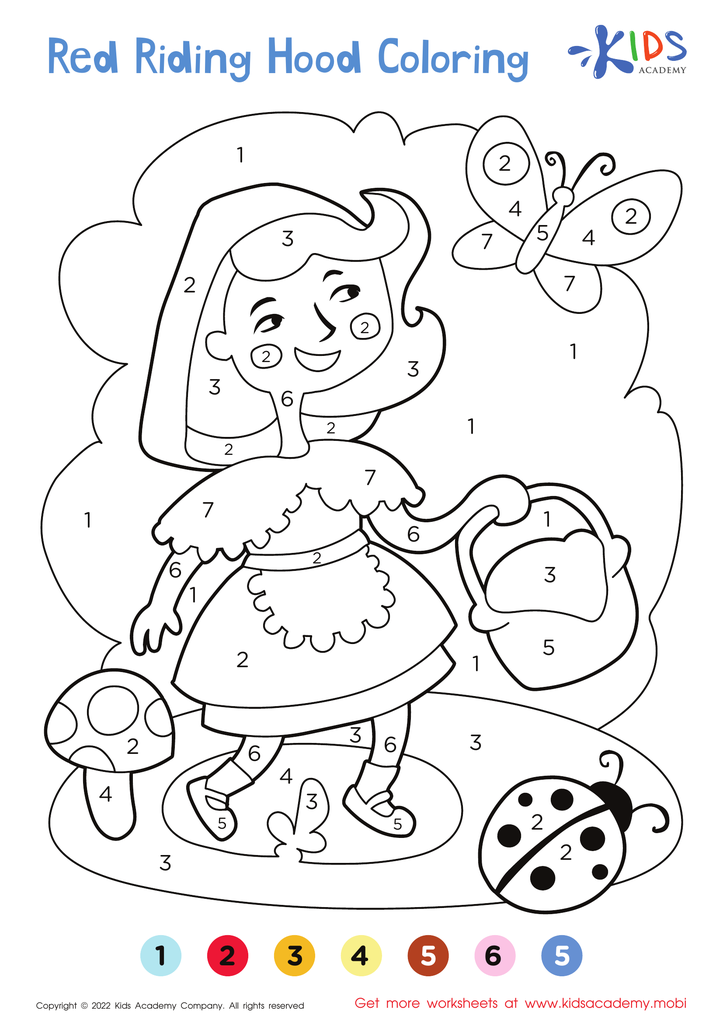
Little Red Riding Hood – Coloring by Numbers





Fine motor skills are crucial for young children, particularly those between the ages of 3-5, as they significantly impact day-to-day tasks and foundational learning experiences. When it comes to math, fine motor skills are integral for several reasons. First and foremost, early math activities often require children to manipulate small objects, use fingers for counting, and write numbers, all of which depend on well-developed fine motor skills.
For instance, activities such as sorting blocks by color or size, threading beads, and using tweezers to pick up small items all support both mathematical thinking and fine motor development. These activities help kids understand concepts like sorting, sequencing, and categorizing, which are foundational for later learning in math. Furthermore, the physical act of writing numbers or drawing shapes requires control in hand movements, enhancing their ability to express mathematical understanding on paper.
Developing these skills early not only facilitates smoother learning curves in mathematics but also builds confidence in young learners as they master critical tasks like holding a pencil, utilizing scissors, and aligning objects. Thus, teachers and parents who focus on nurturing fine motor skills provide children with a robust foundation for academic success, critical problem-solving abilities, and life-long skills needed for everyday activities.








