Improving observation Math Worksheets for Ages 3-5
3 filtered results
-
From - To
Unlock your child's potential with our interactive Improving Observation Math Worksheets designed for ages 3-5. These vibrant, fun exercises engage young learners, enhancing their math skills through the power of observation. Each worksheet is crafted to develop critical thinking, pattern recognition, and attention to detail. Whether it's spotting differences, matching shapes, or finding sequences, your child will boost their cognitive abilities while enjoying their educational journey. Perfect for parents, teachers, and caregivers, our worksheets provide a strong foundation for future math success. Start your child off right with activities that make learning both enjoyable and effective.
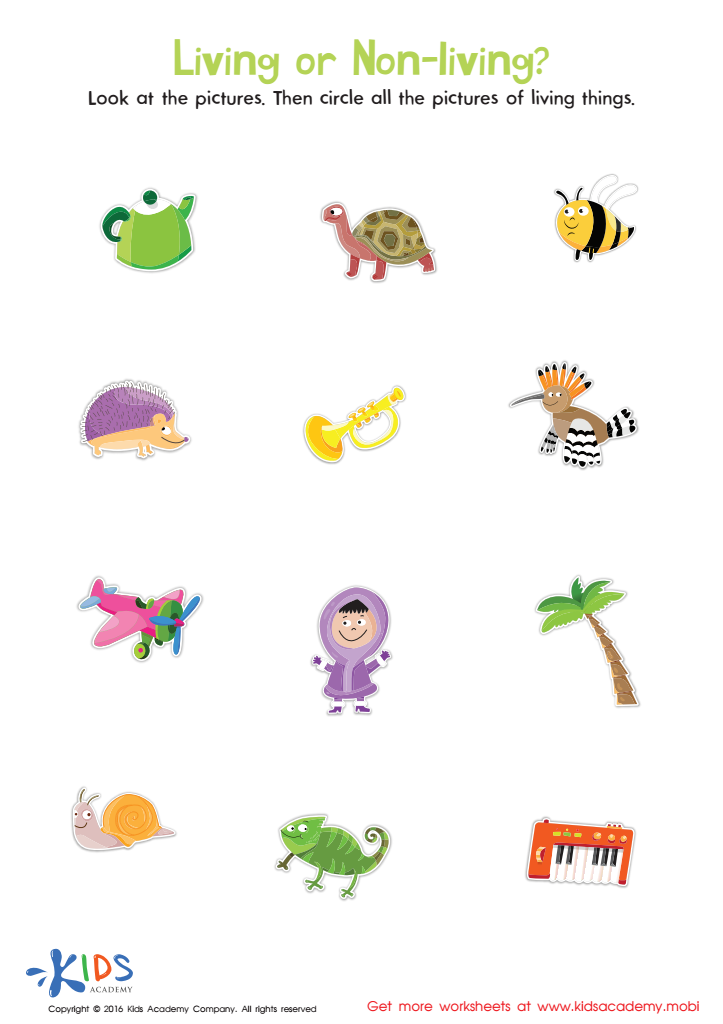
Identifying Living and Non–living Things Sorting Worksheet
 Assign to My Students
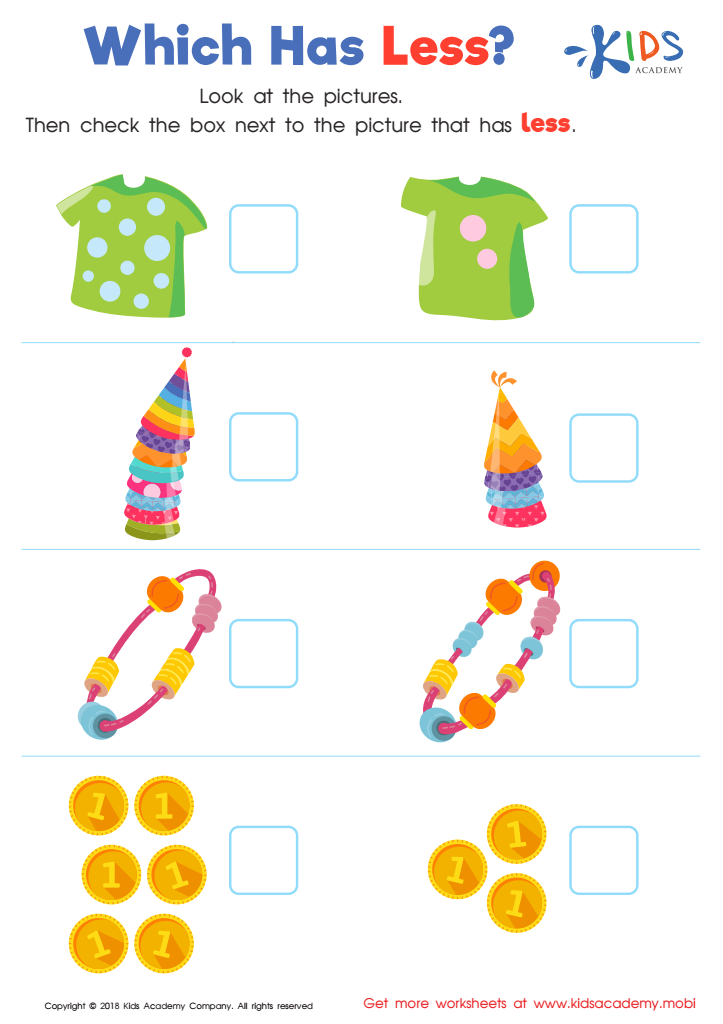
Which Has Less? Worksheet
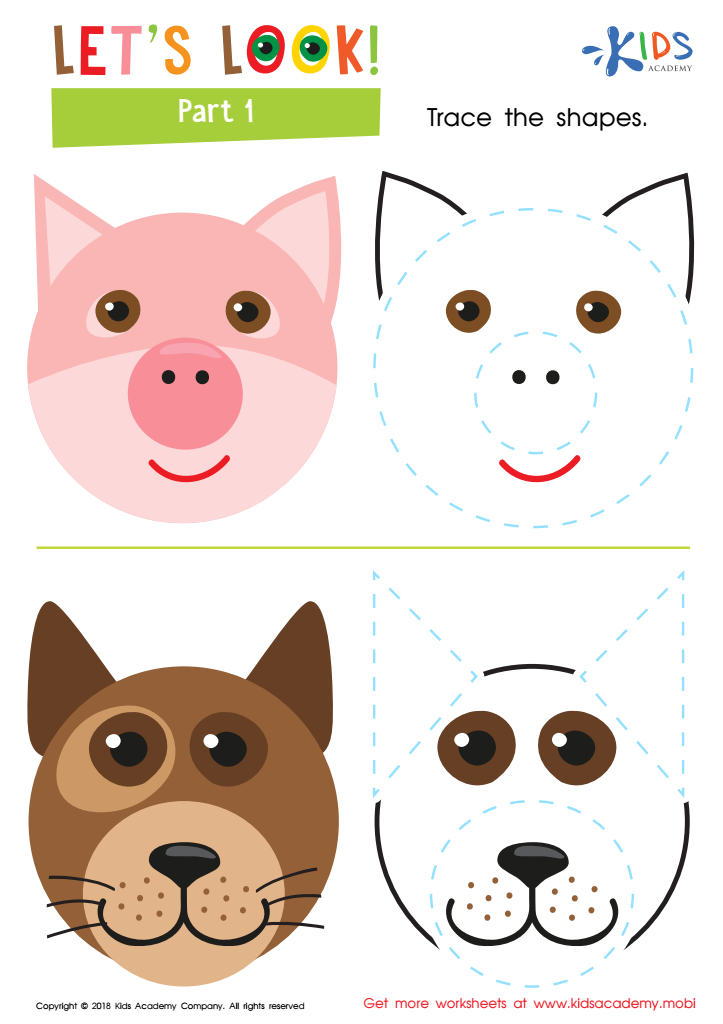
Let's Look! Part 1 Worksheet





Improving observation skills in math for children ages 3-5 is essential as it lays the foundation for their future learning and cognitive development. At this critical age, children are highly receptive and begin to develop vital skills that will influence their educational trajectory. Observation in math helps them notice patterns, make connections, and understand spatial relationships, which are all fundamental components of mathematics.
When parents and teachers engage young children in observation-based activities, such as sorting objects by shape, size, or color, children learn to categorize and classify, which are crucial analytical skills. These activities enhance their ability to concentrate and pay attention to detail, fostering a mindset geared towards problem-solving.
Moreover, early exposure to math through observation cultivates a positive attitude towards the subject. Instead of viewing math as abstract or intimidating later in life, children learn to see it as a natural and engaging part of their everyday experiences. This positive association can lead to greater confidence and willingness to tackle more advanced mathematical concepts as they grow older.
Additionally, strong observation skills are not only applicable to math but also transfer to other areas of learning. Children with honed observational abilities are typically better at noticing nuances in language, art, and science, making them more well-rounded learners. Therefore, by prioritizing the improvement of observation skills in math, parents and teachers set the stage for a lifetime of robust cognitive development and academic success.








