Recognizing Patterns Math Worksheets for Ages 3-5
3 filtered results
-
From - To
Welcome to our "Recognizing Patterns Math Worksheets" designed specifically for children aged 3-5! These engaging worksheets introduce young learners to the fascinating world of patterns through colorful visuals and interactive activities. Kids will explore various types of patterns, from simple shapes to vibrant colors, enhancing their critical thinking and problem-solving skills. As they work through these fascinating exercises, they'll develop essential early math skills and improve their ability to observe and predict sequences. Perfect for home or classroom use, our worksheets make learning fun and effective, ensuring children build a strong foundation in mathematics while having a delightful time.
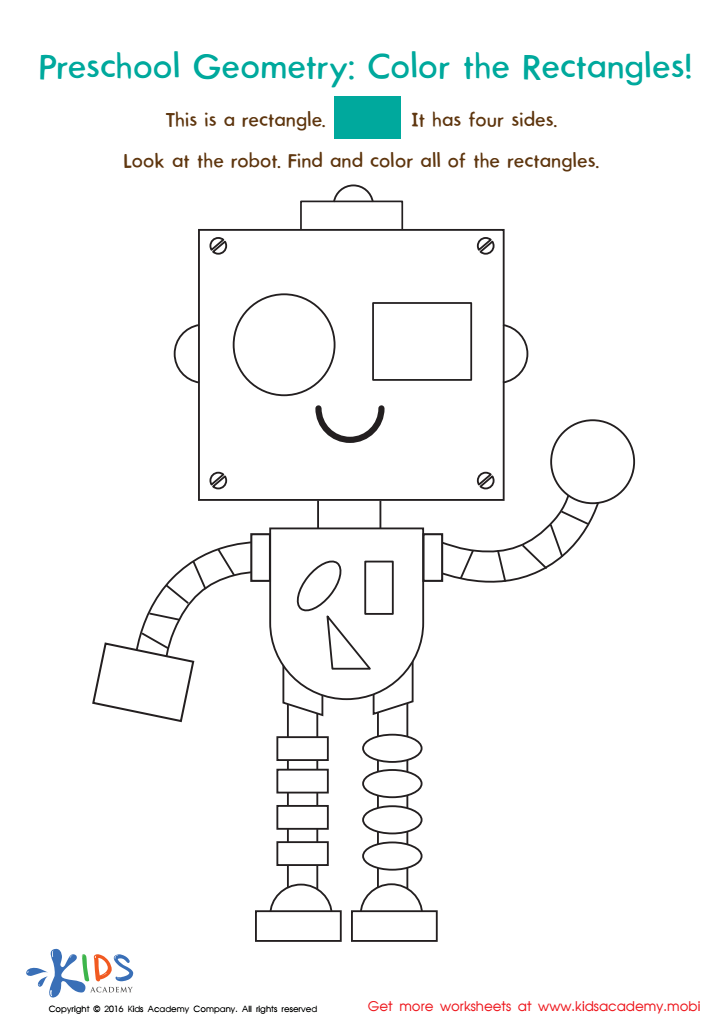
Geometry Worksheet
 Assign to My Students
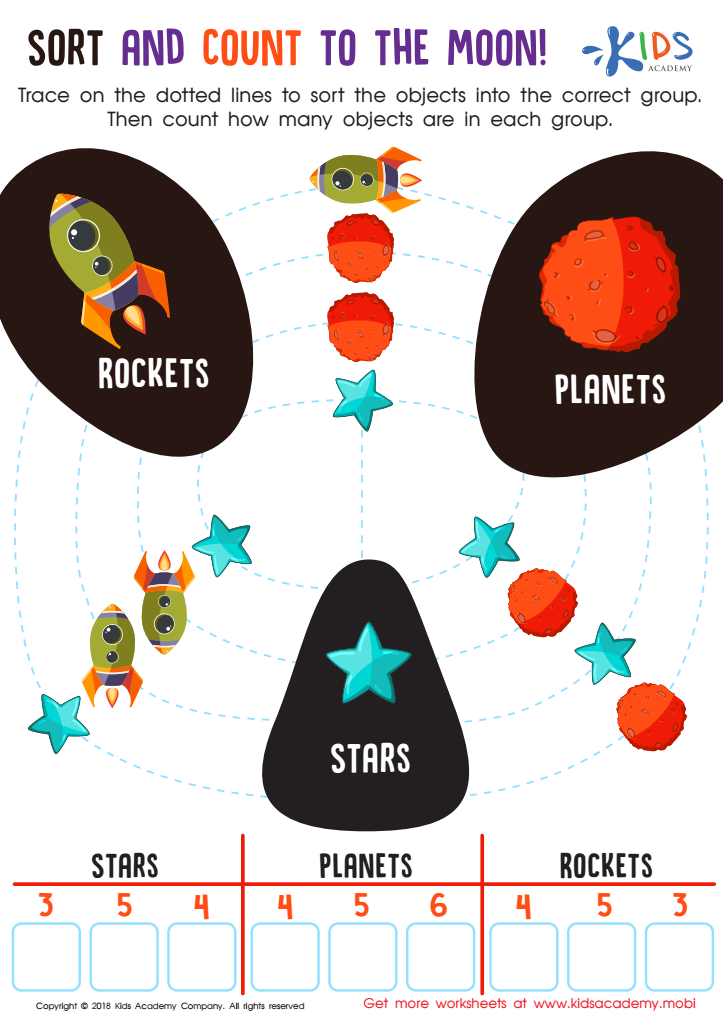
Sort and Count to the Moon Worksheet
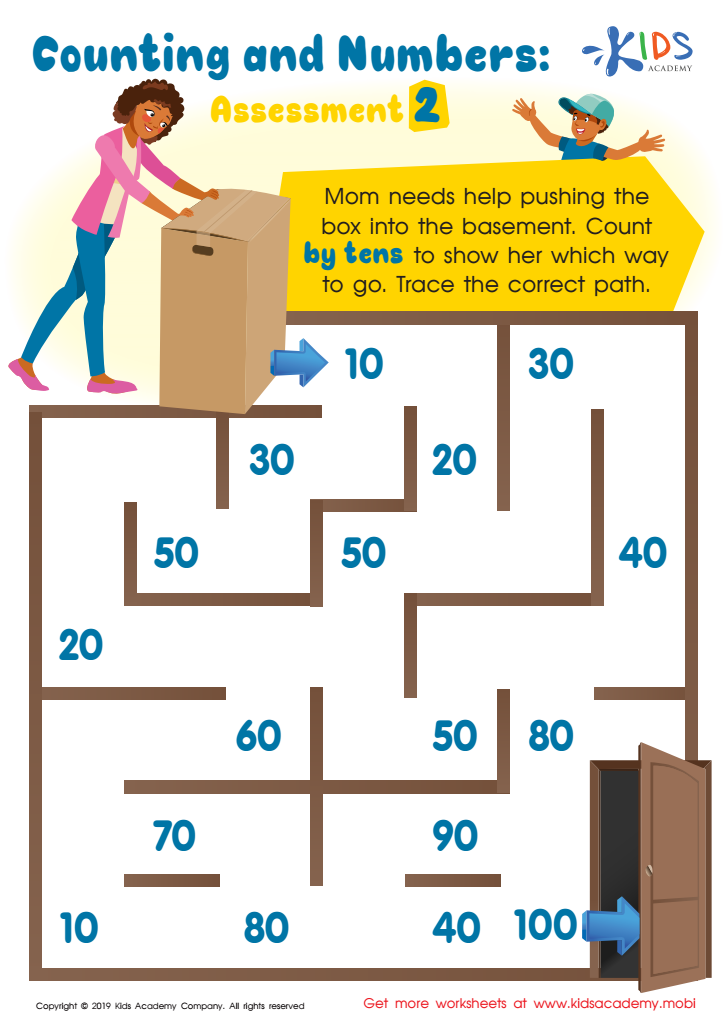
Counting and Numbers: Assessment 2 Worksheet








Recognizing patterns is a fundamental mathematical skill that lays the groundwork for more advanced math concepts. For children aged 3-5, engaging with patterns supports cognitive development, enhancing critical thinking and problem-solving abilities. When parents and teachers introduce pattern recognition early, they foster an environment where kids can make connections and observations in their world.
At this age, children are naturally curious and eager to explore their surroundings. Utilizing activities that involve patterns—such as sorting objects, completing sequences, or engaging with music and rhythms—can tap into that curiosity. It aids in developing their ability to predict and anticipate, which is essential for decision-making and logical reasoning.
Furthermore, recognizing patterns not only sharpens mathematical skills but also enhances language development. As children discuss and describe their findings—whether through verbal explanations or by illustrating patterns with crafts—their vocabulary and communication skills improve.
Ultimately, prioritizing pattern recognition in early education empowers children with essential skills that will be invaluable as they progress through their academic journey. In sum, when parents and teachers understand the importance of these early mathematical concepts, they contribute significantly to a child’s lifelong love for learning and confidence in math.








