Understanding number values Math Worksheets for Ages 3-5
3 filtered results
-
From - To
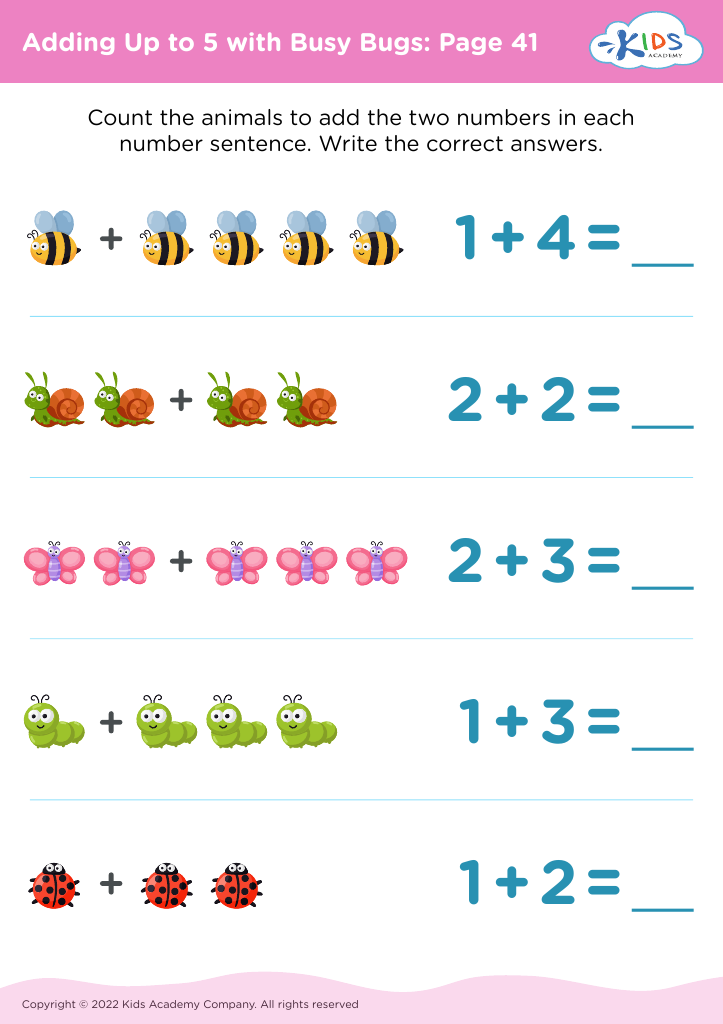
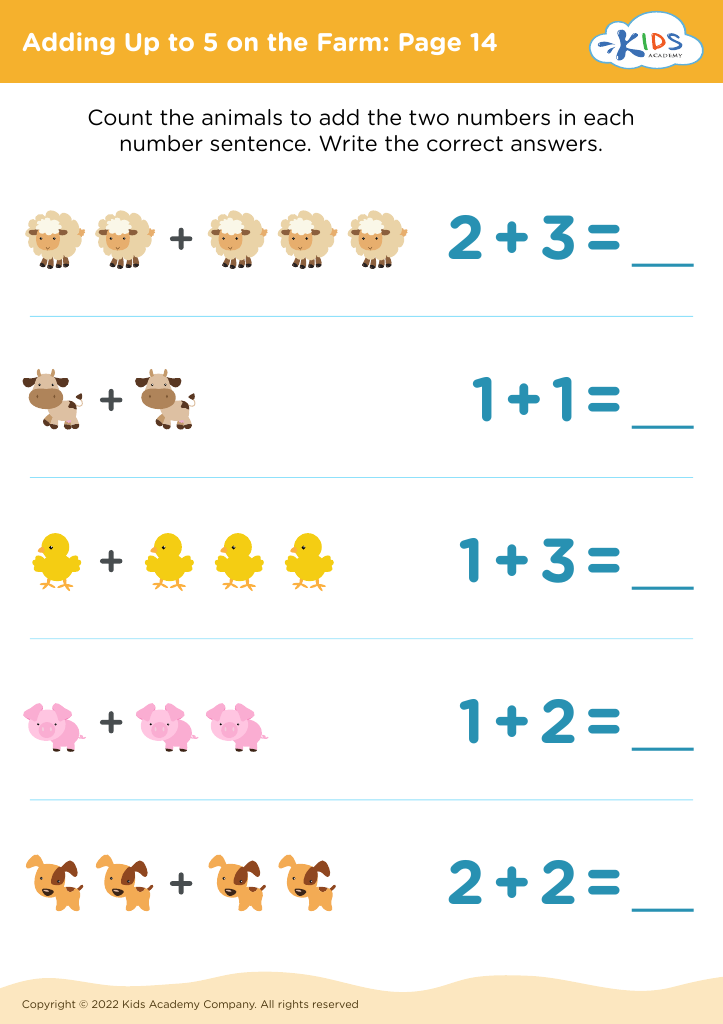
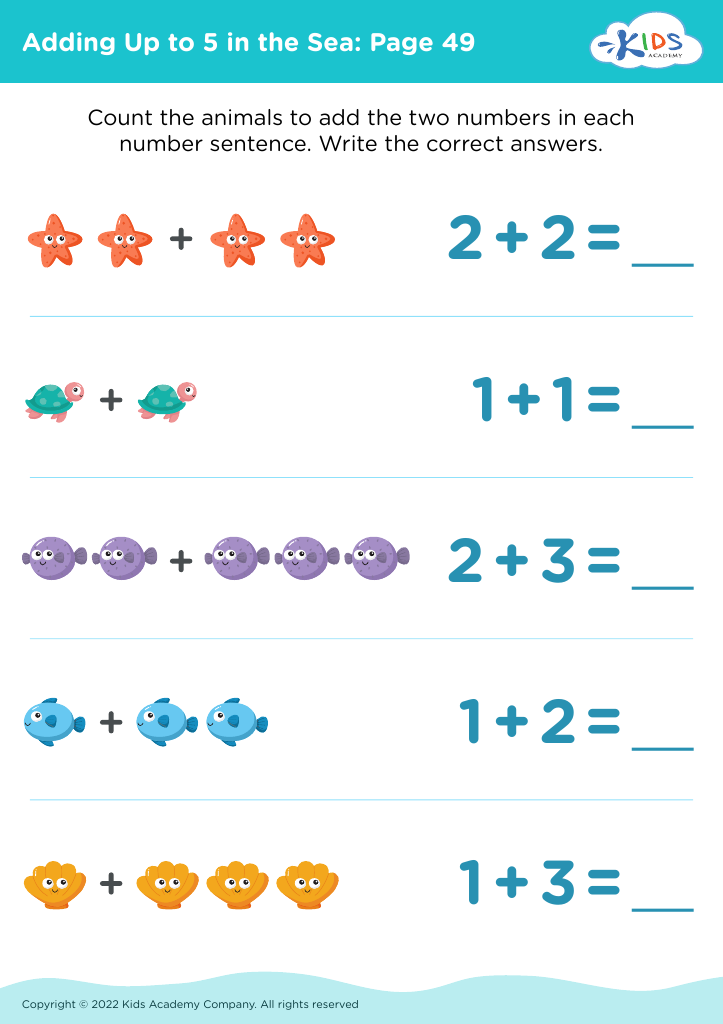
Explore our "Understanding Number Values" math worksheets designed for children aged 3-5! These engaging activities help young learners grasp foundational math concepts through fun exercises that focus on recognizing, comparing, and relating numbers to the world around them. Our worksheets feature colorful visuals and interactive tasks that capture children’s attention while promoting essential skills like counting, number identification, and basic problem-solving. Tailored to support early childhood education, these resources encourage hands-on learning and enhance critical thinking. Ideal for parents and educators, our worksheets nurture a love for math from an early age. Start building your child’s number knowledge today!







Understanding number values is crucial for children aged 3-5 as it lays the foundation for their mathematical success. At this early stage, children begin to develop their mathematical thinking skills, which not only enhance their cognitive development but also support their problem-solving abilities later in life. This understanding fosters a sense of confidence in tackling math-related tasks and encourages a positive attitude towards learning.
Parents and teachers should prioritize number value comprehension because it directly impacts various aspects of a child’s education. Mastery of basic numeracy helps kids in counting, comparing quantities, and recognizing patterns, which are essential concepts in early mathematics. It also nurtures critical thinking by enabling children to make connections between numbers and real-world situations, enhancing their ability to think logically.
Moreover, early exposure to number values helps close the achievement gap, ensuring that all children, regardless of background, can build a solid foundation for their future learning. Engaging children with fun activities, games, and discussions about numbers makes the learning process enjoyable and meaningful. Ultimately, giving attention to number values in early childhood equips children with the skills they need to thrive in school and beyond, paving the way for lifelong learning.








