
Visual comprehension Math Worksheets for Ages 3-5
7 filtered results
Difficulty Level
Grade
Age
-
From - To
Subject
Activity
Standards
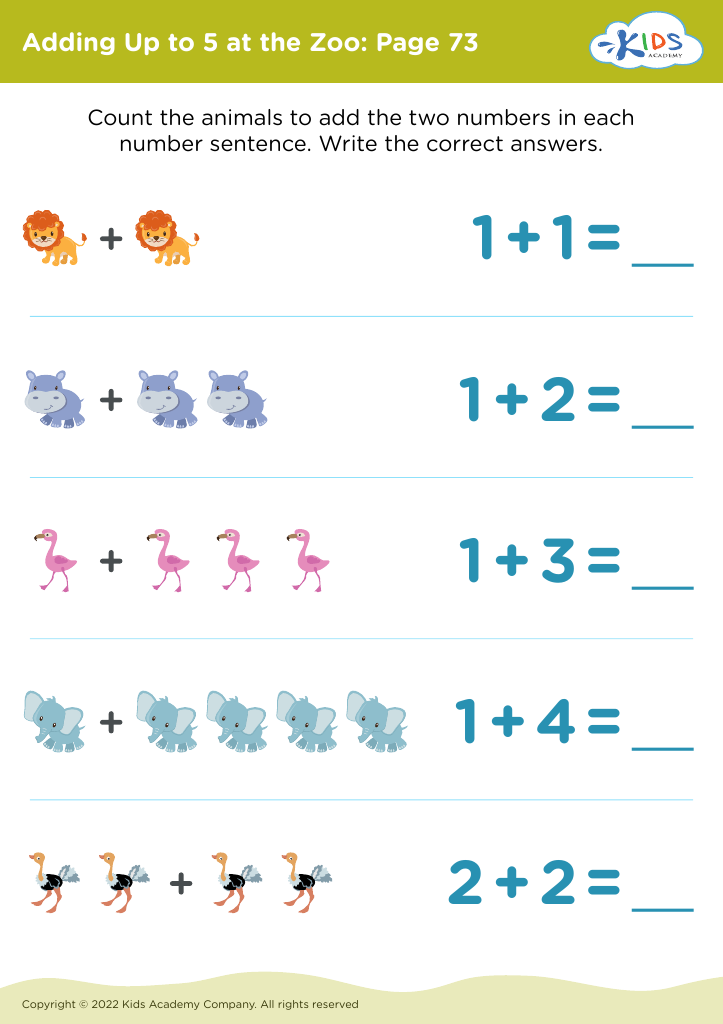
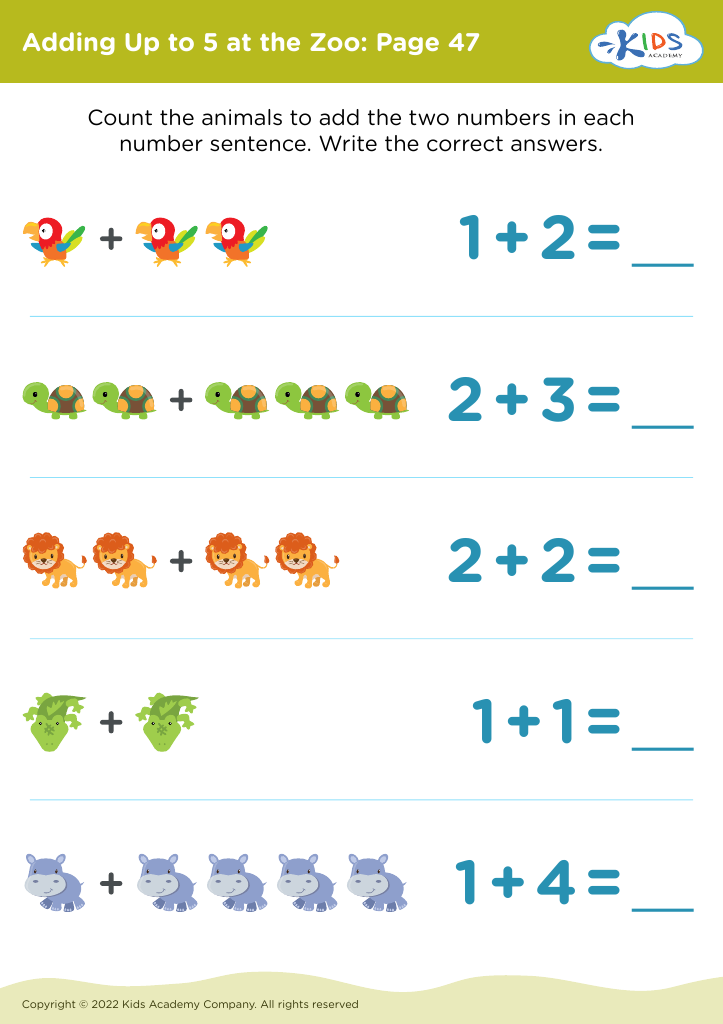
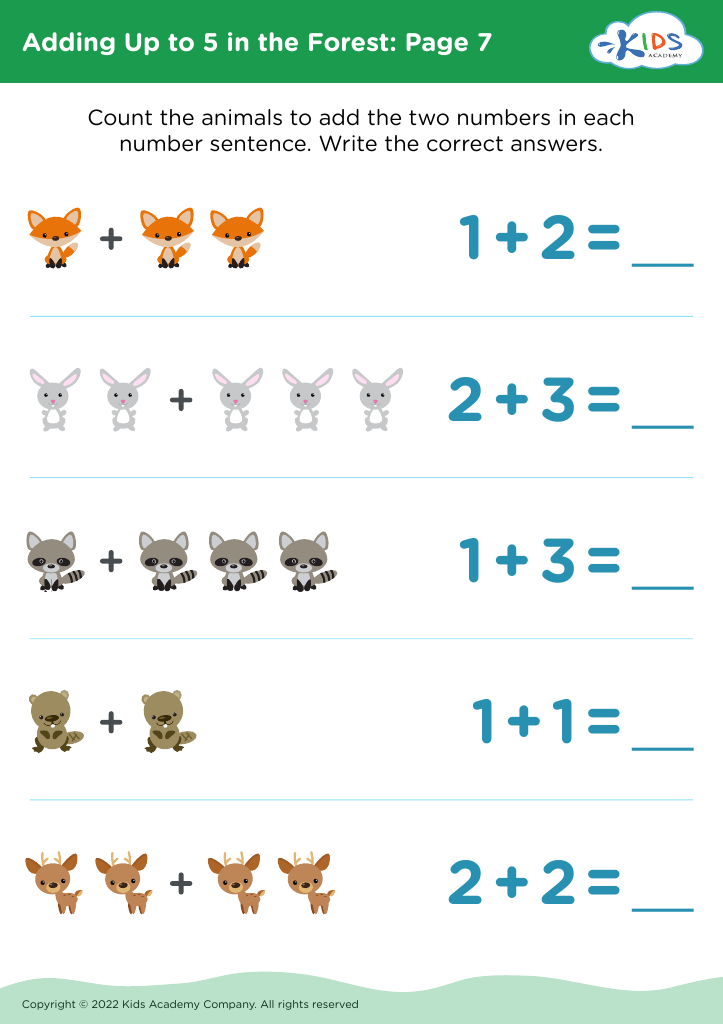
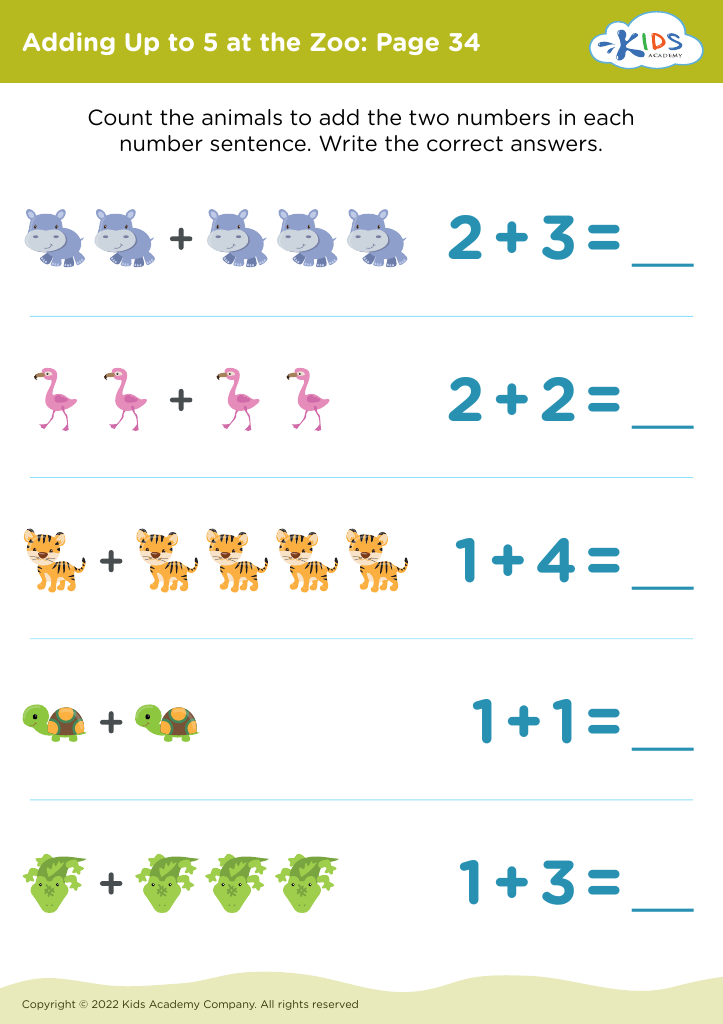
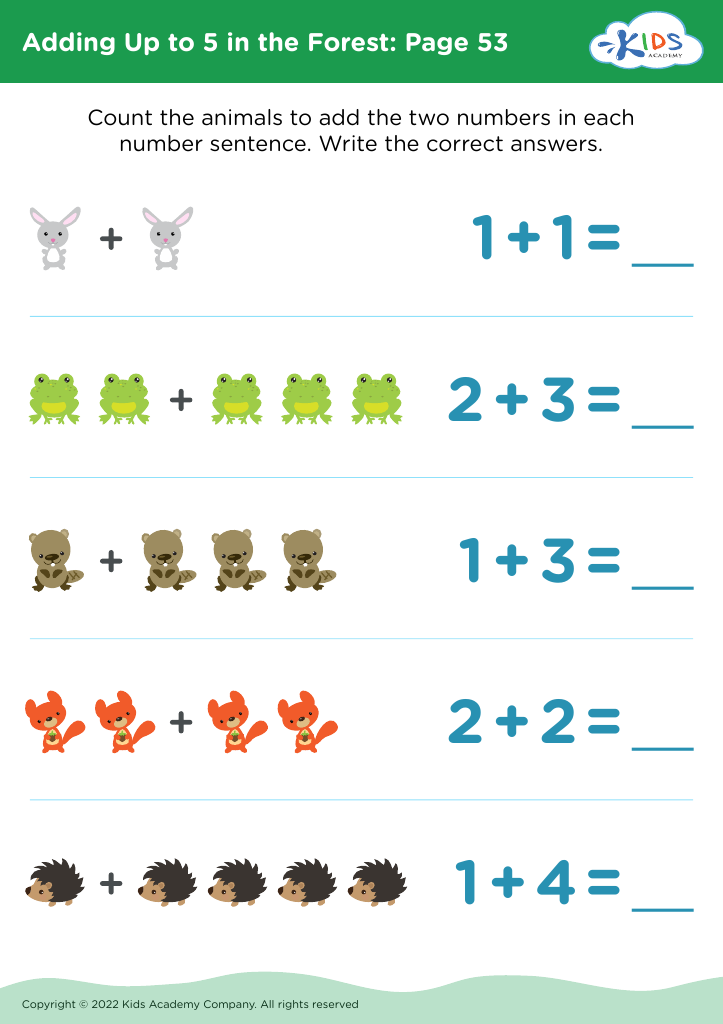
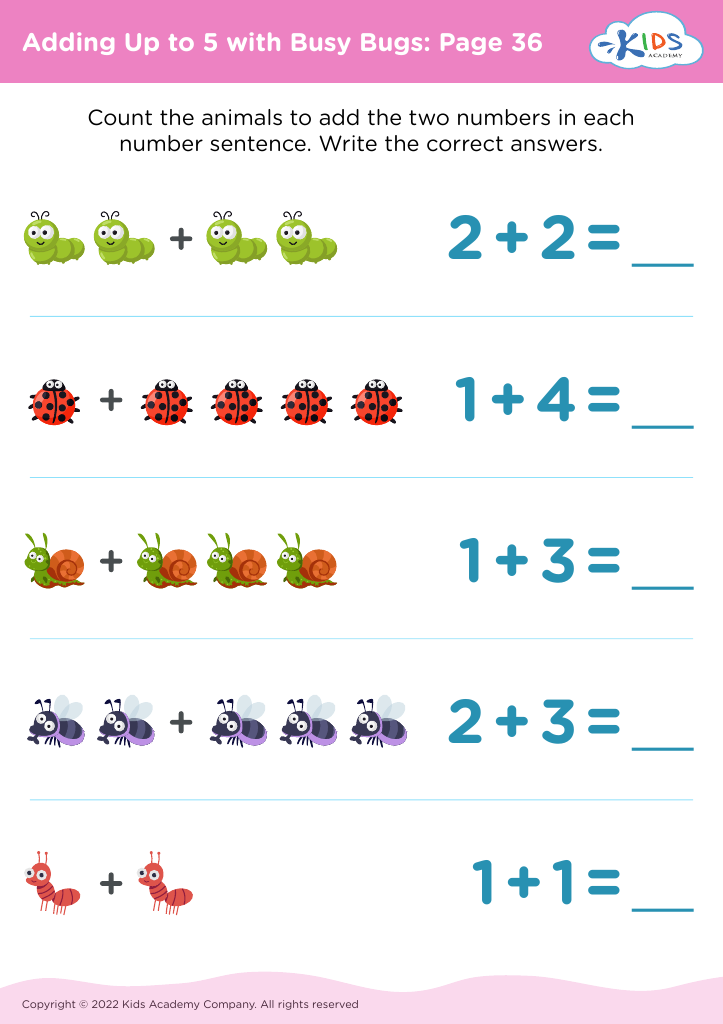
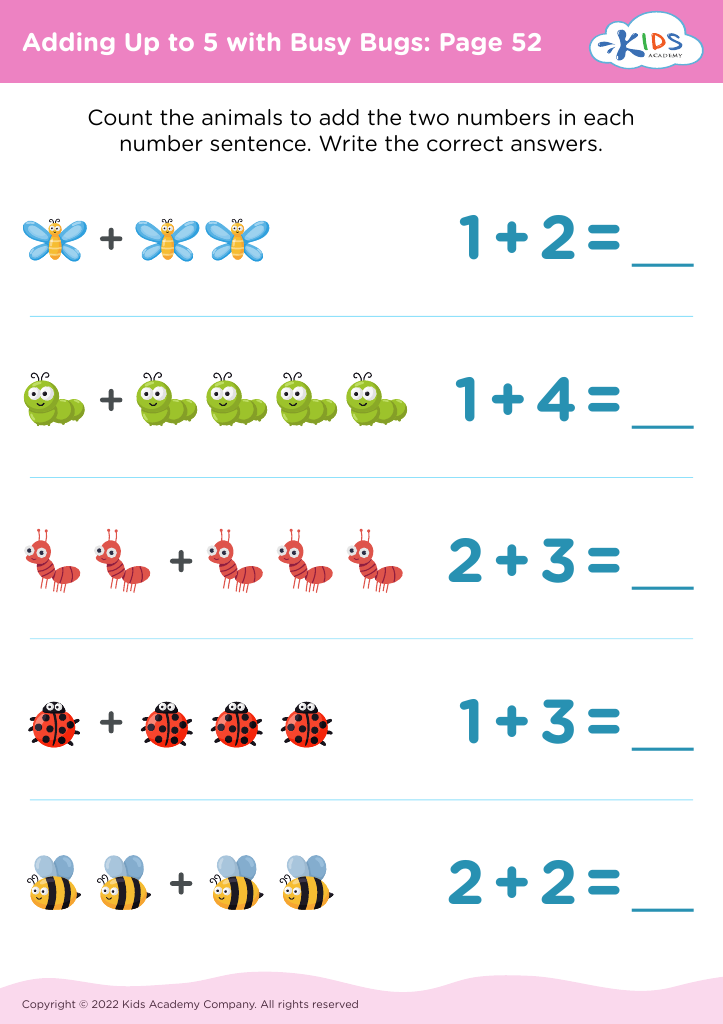
Welcome to our Visual Comprehension Math Worksheets tailored for children ages 3-5! These engaging worksheets are designed to enhance early math skills through visual learning. Perfect for pre-kindergarten and preschool education, our resources help young learners develop critical thinking and problem-solving abilities. Each worksheet incorporates fun visuals and interactive activities to make math enjoyable, fostering a love for learning in your child. With a variety of exercises, children will master concepts like counting, basic addition, and recognizing patterns. Explore our collection today and give your little ones the tools they need for a strong mathematical foundation!
Favorites
With answer key
Interactive
Join Kids Academy for Free
Who is primarily going to use this learning content?








Visual comprehension in math is vital for children aged 3-5 as it lays the foundational skills needed for more advanced mathematical understanding. At this developmental stage, young learners are highly visual and learn effectively through images, shapes, and physical objects. Engaging children in visual math activities, such as counting blocks or sorting colorful shapes, enhances their ability to recognize patterns and numbers, making abstract concepts more concrete and understandable.
When parents and teachers prioritize visual comprehension in early math education, they foster problem-solving skills and critical thinking. These foundational skills support children in grasping basic operations, spatial awareness, and reasoning, all of which are crucial for later academic success. Moreover, using visual aids helps maintain children’s interest and encourages enthusiastic participation, making learning a fun and interactive experience.
Supporting visual comprehension also promotes inclusivity, as it caters to various learning styles and can help children who may struggle with traditional methods. By engaging in visual math exercises, parents and teachers empower children to build confidence in their abilities and prepare them not just for math, but for lifelong learning in other subject areas as well. Ultimately, investing in visual comprehension techniques during these formative years is essential for cultivating a solid educational foundation.








