Color Identification Matching Worksheets for Ages 3-5
3 filtered results
-
From - To
Unlock fun and learning with our engaging Color Identification Matching Worksheets for ages 3-5! Designed to stimulate young minds, these vibrant worksheets help your child recognize and match colors through playful activities. Perfect for preschool and kindergarten students, each sheet promotes visual discrimination, fine motor skills, and early math abilities. Ideal for classroom use or educational play at home, Kids Academy’s worksheets are an effective way to build a strong foundation in color recognition. Watch as your little one confidently learns to identify and connect colors, setting the stage for future academic success! Download now and ignite a passion for learning.
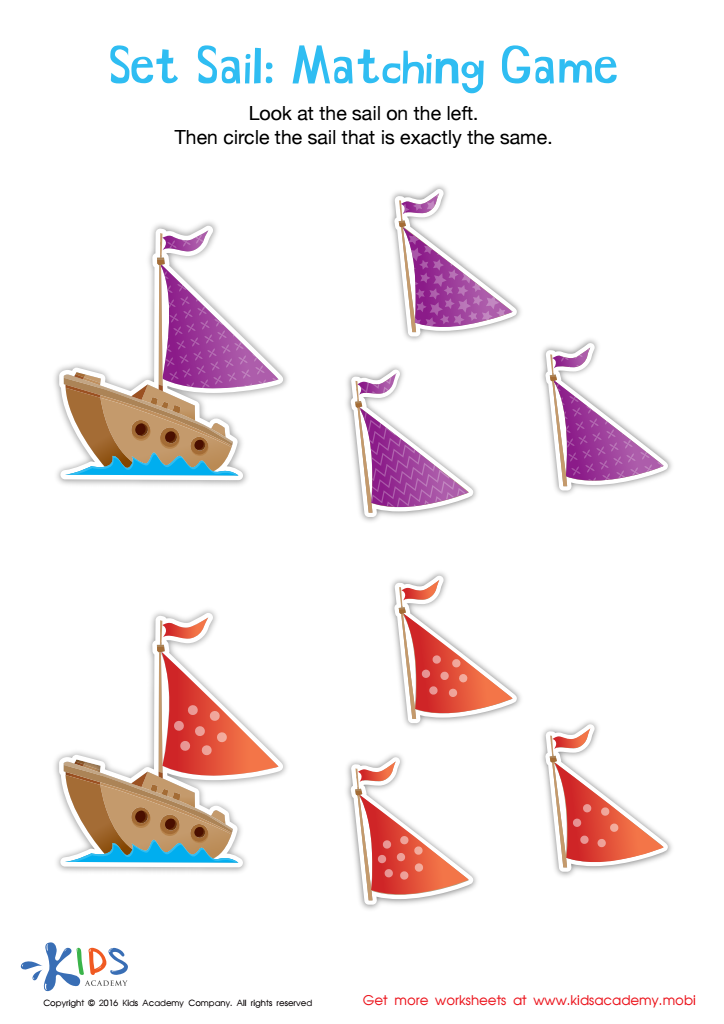
Set Sail Worksheet
 Assign to My Students
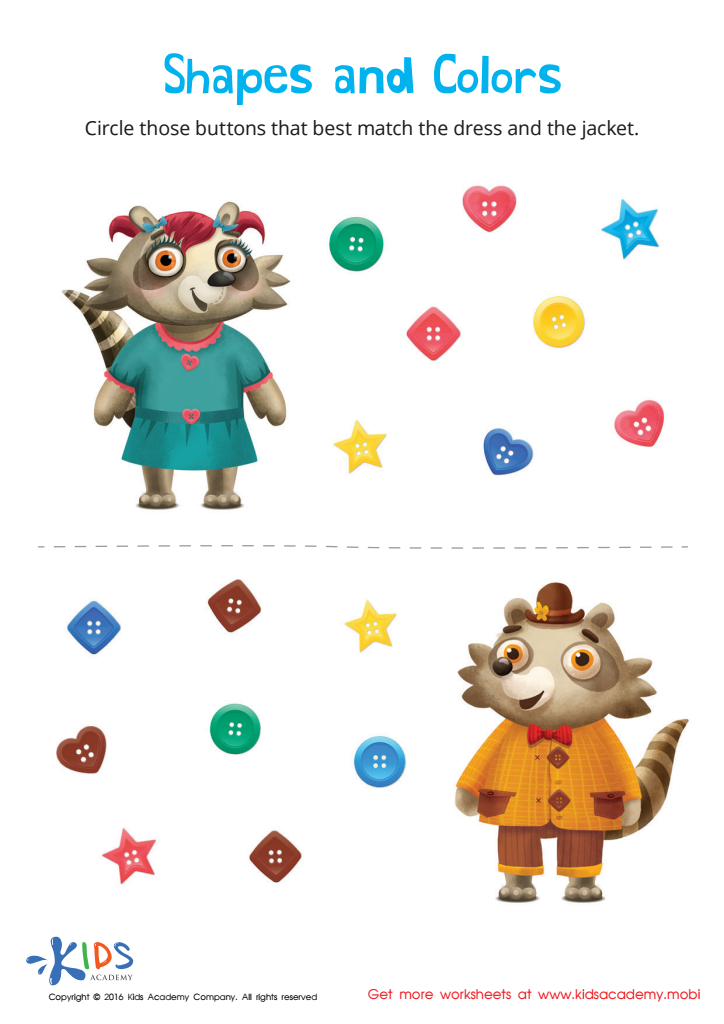
Matching: Shapes and Colors Worksheet


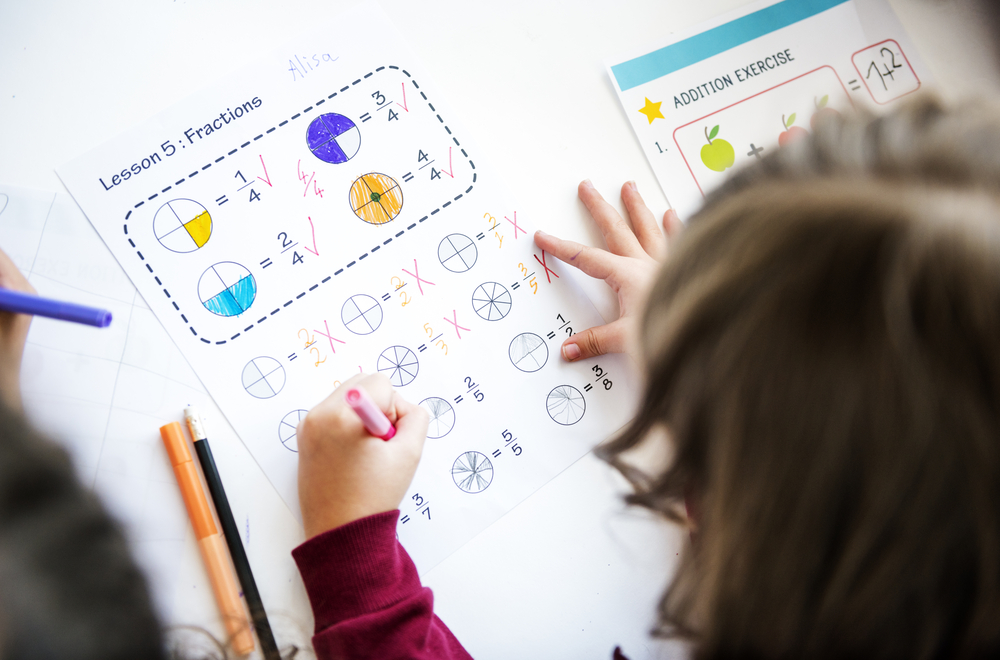




Color identification and matching are crucial developmental skills for children ages 3-5. At this age, young learners are rapidly developing their cognitive abilities, fine motor skills, and visual perception. Learning to identify and match colors plays a significant role in this process for several reasons.
First, color identification enhances visual discrimination, which is the ability to notice similarities and differences between objects. This skill is foundational for later academic tasks, such as reading and math, where recognizing patterns and distinguishing between shapes and letters is essential.
Second, matching colors boosts cognitive development. It reinforces basic concepts like sorting and classifying, helping children organize the complex world around them. These activities encourage logical thinking and problem-solving, skills that are critical for success in more advanced academic pursuits.
Third, engaging with colors enhances communication and language skills. As children learn to name colors, they expand their vocabulary and improve their ability to express and describe experiences and objects. This not only aids in their social interactions but also supports overall language development.
Moreover, engaging in color identification and matching activities often involves fine motor practice, such as picking up colored objects or drawing with crayons. These actions bolster hand-eye coordination and dexterity, preparing children for writing and other precise tasks.
In summary, color identification matching activities are multifaceted tools that foster cognitive development, language acquisition, and fine motor skills, forming a strong foundation for future learning.








