Animal recognition Numbers 0–10 Worksheets for Ages 3-5
6 filtered results
-
From - To
Discover the "Animal Recognition Numbers 0–10 Worksheets for Ages 3-5," designed to make learning fun and engaging for your little ones! These printable worksheets help children recognize numbers alongside adorable animal illustrations. Perfect for ages 3-5, the activities promote number identification, counting skills, and cognitive development. Each worksheet seamlessly integrates educational content with playful pictures, making math exciting and accessible. Ideal for parents and educators, these resources can be used at home or in the classroom to build a solid mathematical foundation. Give your preschoolers a head start with enjoyable and effective learning tools.
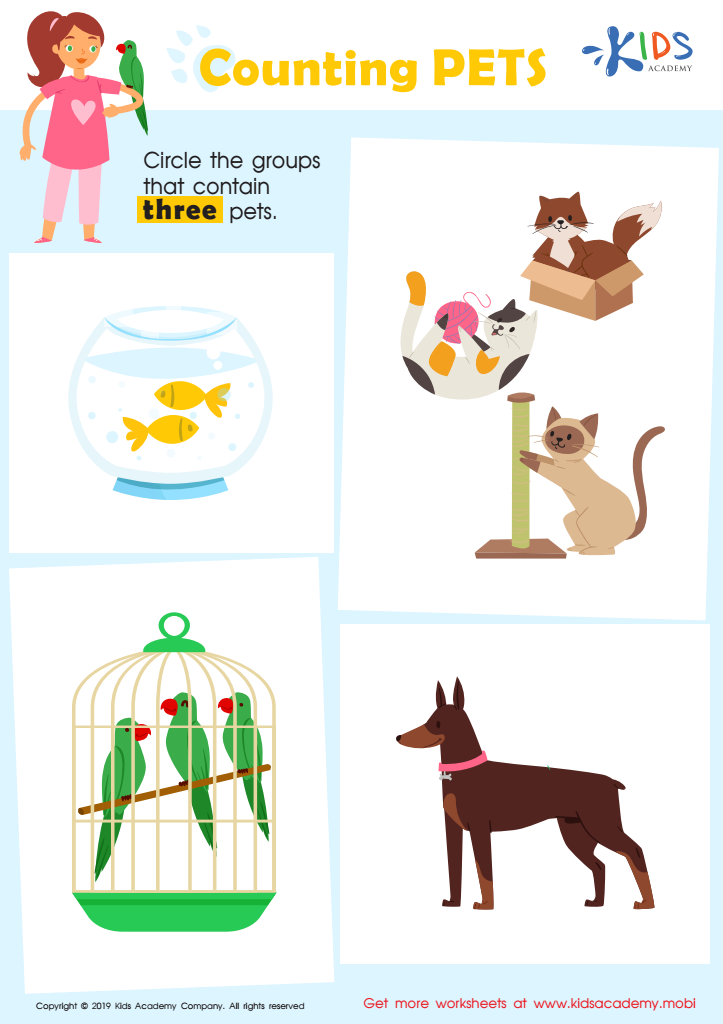
Counting Pets Worksheet
 Assign to My Students
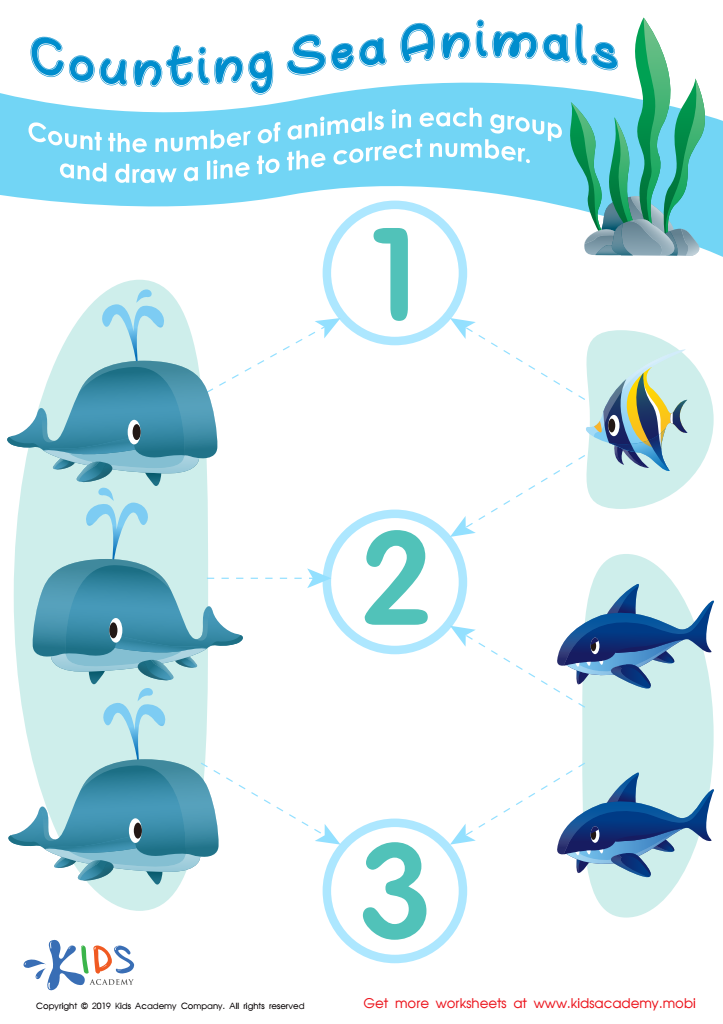
Counting Sea Animals Worksheet
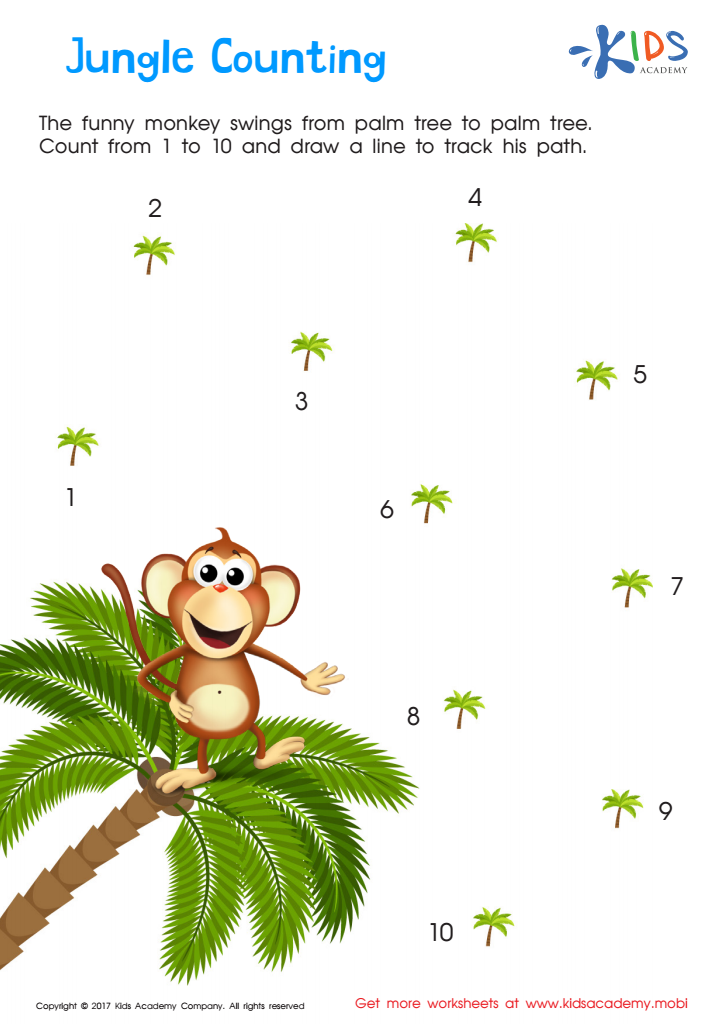
Jungle Counting Connect Dots Worksheet
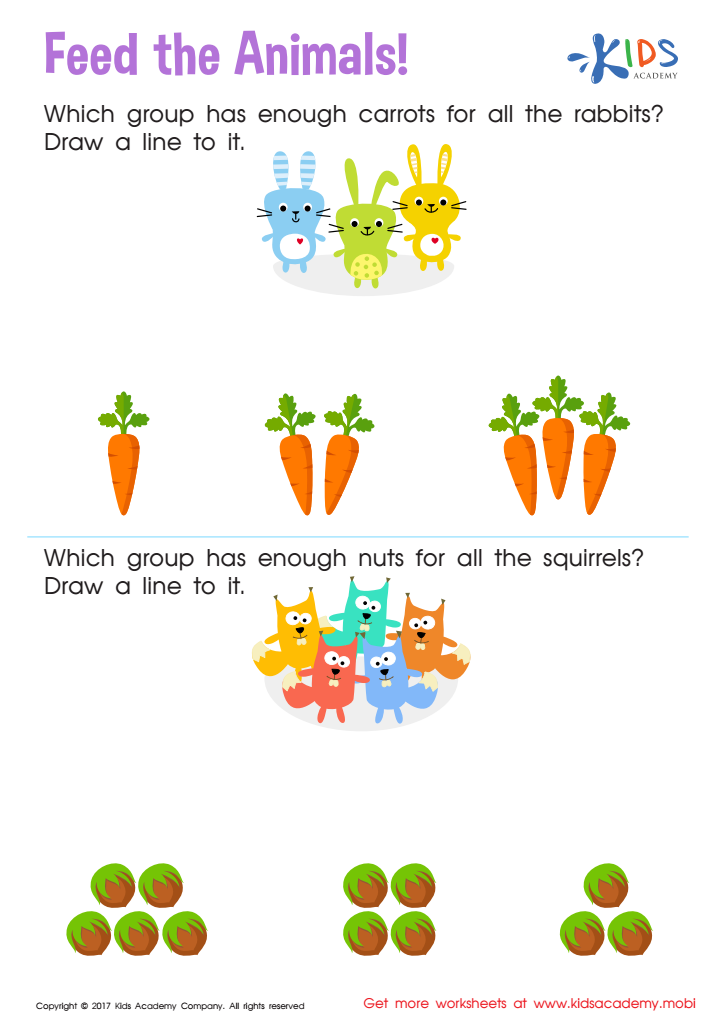
Count and Match: Feed the Animals Worksheet
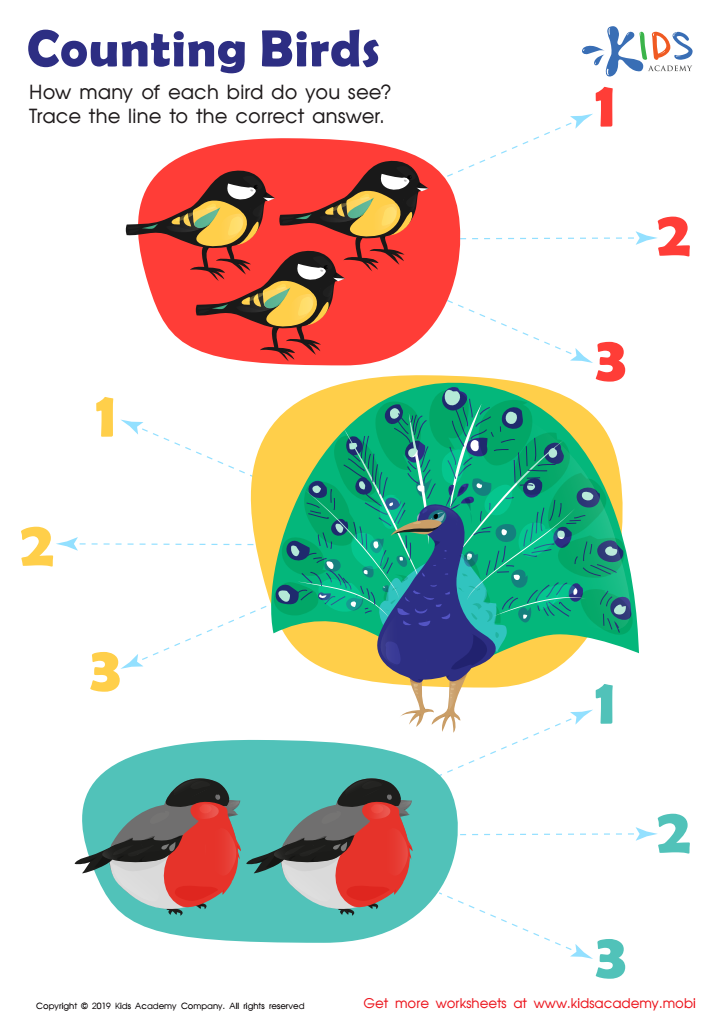
Counting Birds Worksheet
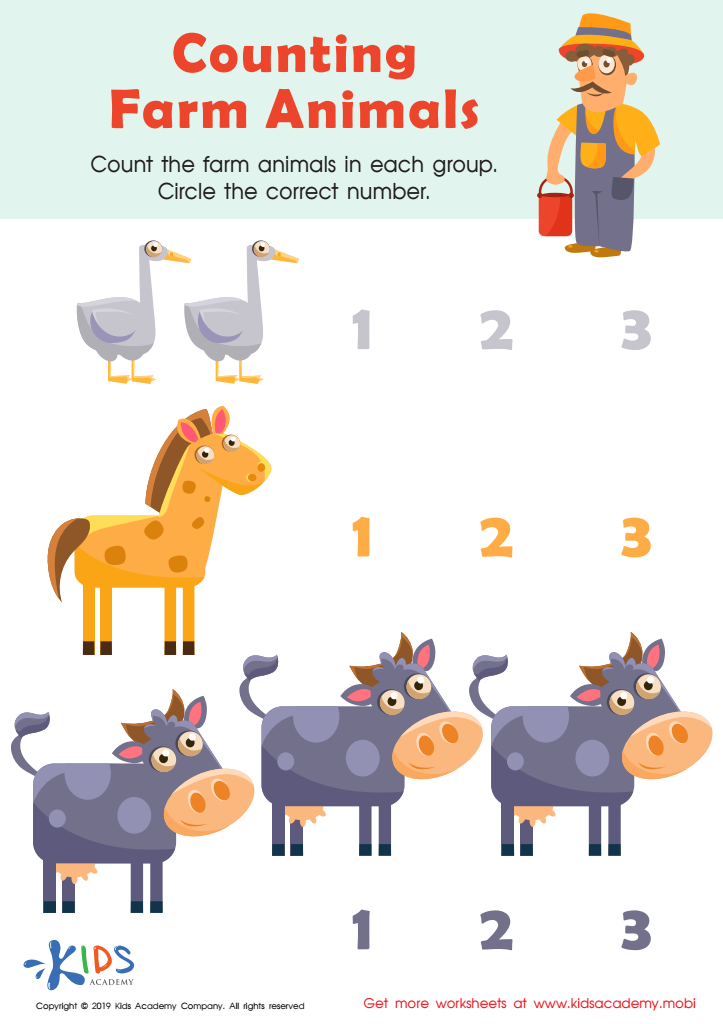
Counting Farm Animals Worksheet








Parents and teachers should care about animal recognition and numbers 0-10 for children ages 3-5 because these skills are fundamental building blocks for cognitive development. At this age, children are highly receptive to learning through play and sensory experiences. Animal recognition helps in vocabulary development and enhances memory through familiar associations, while recognizing and counting numbers lays the groundwork for mathematical reasoning.
Engaging in activities that combine both, such as counting animals in a story or interactive game, encourages children to make connections between objects and numerals, thereby reinforcing their understanding of quantity. It enhances their observational skills, attention to detail, and ability to follow instructions. Early exposure to these concepts helps in developing fine motor skills as children may physically manipulate objects or point to pictures.
Moreover, integrating animals into number learning leverages children's natural curiosity about living creatures, making learning enjoyable and relatable. It also contributes to broadening their general knowledge about the animal kingdom, fostering a sense of wonder and respect for nature.
In conclusion, fostering a child's ability to recognize animals and understand numbers 0-10 is essential for their intellectual and emotional growth, preparing them for more complex educational concepts in the future.