Sorting skills Numbers 0–10 Worksheets for Ages 3-5
3 filtered results
-
From - To
Explore our engaging "Sorting Skills Numbers 0–10 Worksheets" designed for children aged 3-5! These worksheets provide fun and interactive activities that help young learners develop essential sorting skills while focusing on numbers between 0 and 10. Featuring colorful illustrations and easy-to-follow tasks, children will enjoy sorting and categorizing objects based on quantity and number recognition. Perfect for parents and educators, our resources foster early math skills and encourage critical thinking. Download these printable worksheets today to support your child's learning journey and build a strong foundation in math as they learn to sort and organize with confidence!
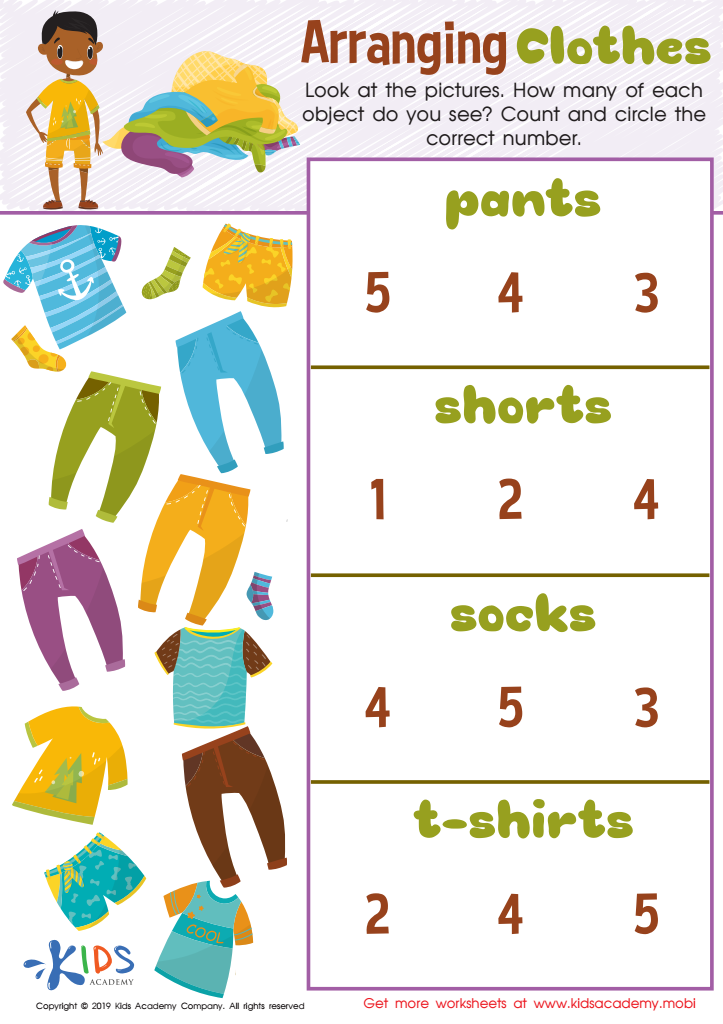
Arranging Clothes Worksheet
 Assign to My Students
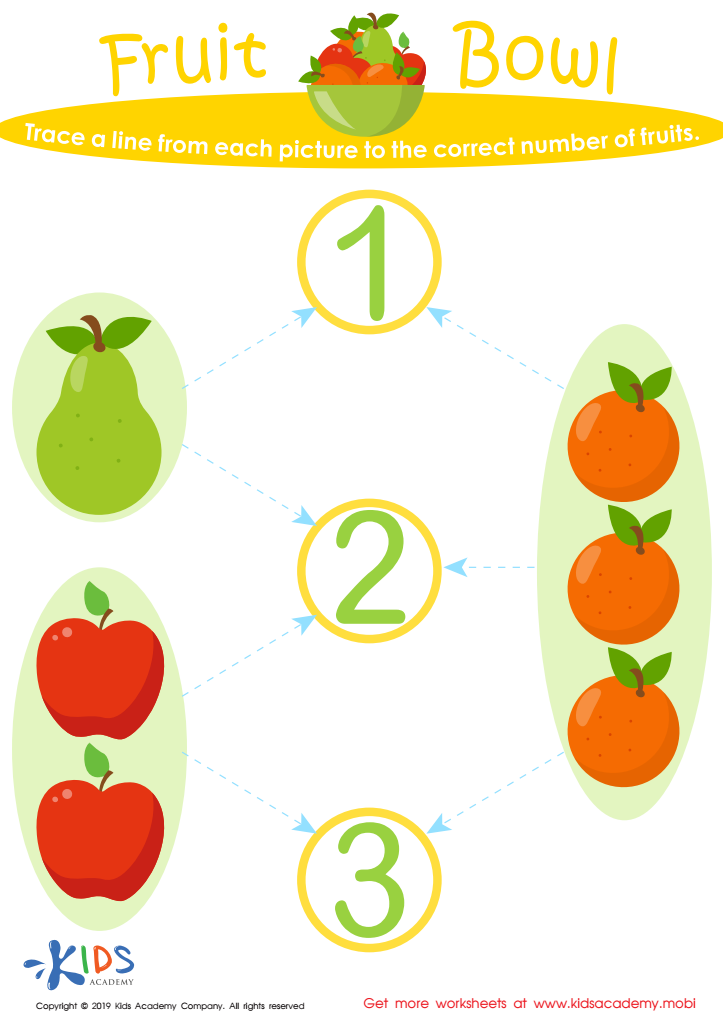
Fruit Bowl Worksheet
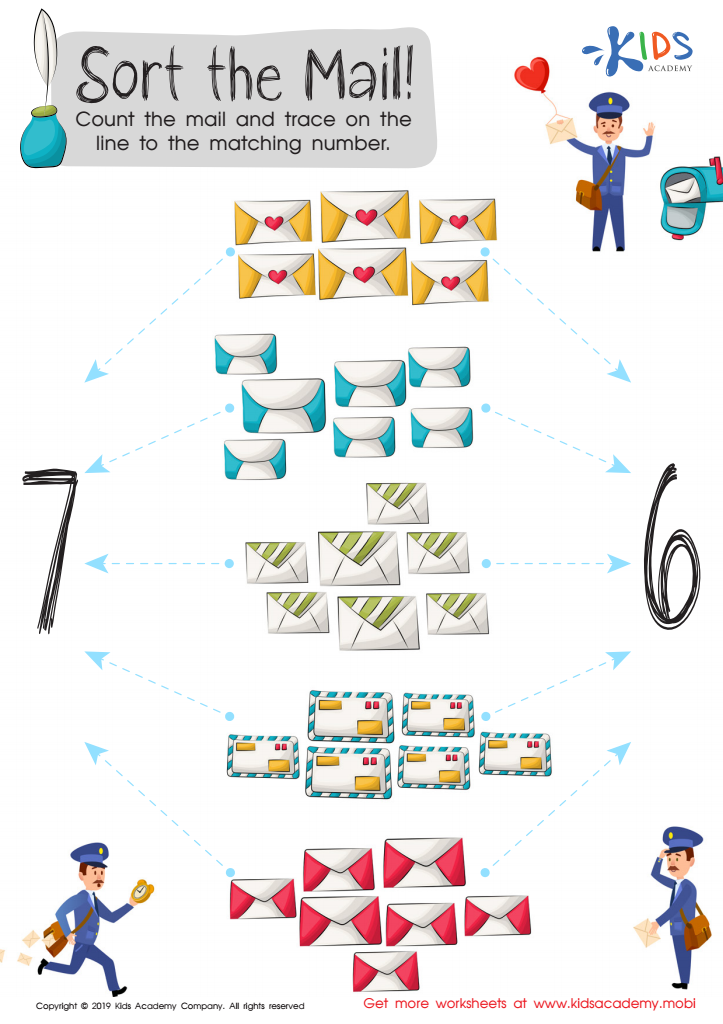
Sort the Mail Worksheet








Sorting skills are fundamental for children aged 3-5, particularly regarding numbers 0-10. These skills foster early mathematical understanding, crucial for future academic success. Engaging in sorting activities teaches children how to identify, compare, and classify objects based on specific attributes, such as size, color, or quantity. This foundational knowledge prepares them for more complex mathematical concepts, including counting, addition, and subtraction.
Parents and teachers should care because sorting helps develop critical cognitive skills. As children sort objects, they learn to analyze information and make decisions, which enhances their problem-solving capabilities. Additionally, sorting enhances fine motor skills and hand-eye coordination, vital for writing and other educational tasks.
Moreover, sorting creates opportunities for language development; as children describe their sorting criteria, they expand their vocabulary and improve their communication skills. Socially, group sorting activities foster collaboration, share ideas, and promote turn-taking, all benefits that contribute to a child's emotional and social development.
In a world increasingly driven by data and logic, fostering sorting skills during early childhood gives children a strong foundation for lifelong learning and a positive attitude towards mathematics. Thus, it is essential for parents and teachers to prioritize and actively promote these skills in young learners.








