Understanding Quantities Numbers 0–10 Worksheets for Ages 3-5
3 filtered results
-
From - To
Discover our engaging "Understanding Quantities Numbers 0–10 Worksheets" designed for children ages 3-5! These interactive worksheets help young learners grasp the concept of quantities and numbers through fun, age-appropriate activities. With vibrant illustrations and clear instructions, children will compare, count, and match quantities to develop their mathematical skills. Our resources support early numeracy, encourage hands-on learning, and promote essential cognitive development. Perfect for home or classroom use, these worksheets foster a love of math while enabling little ones to explore and understand the world of numbers from 0 to 10. Start your child's numeracy journey today!
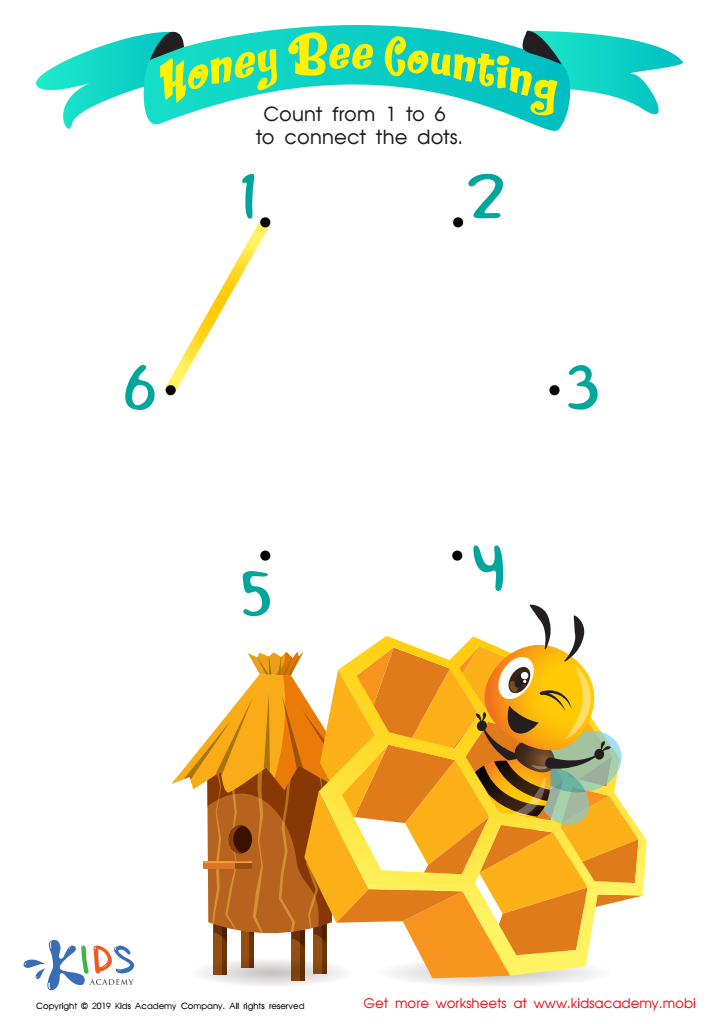
Honey Bee Counting Worksheet
 Assign to My Students
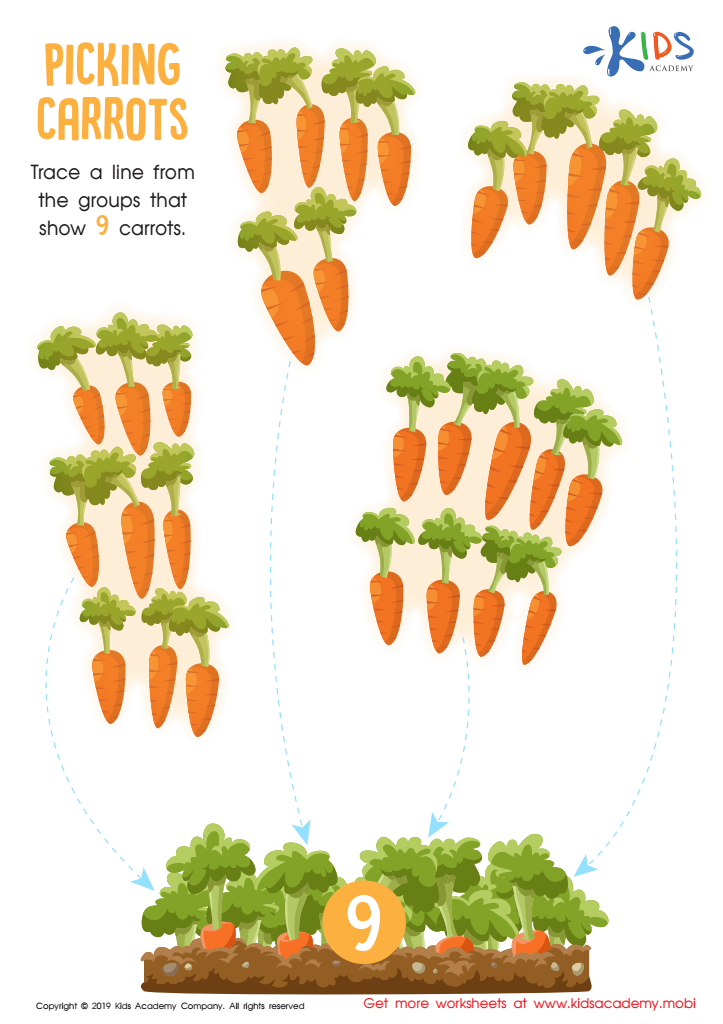
Picking Carrots Worksheet
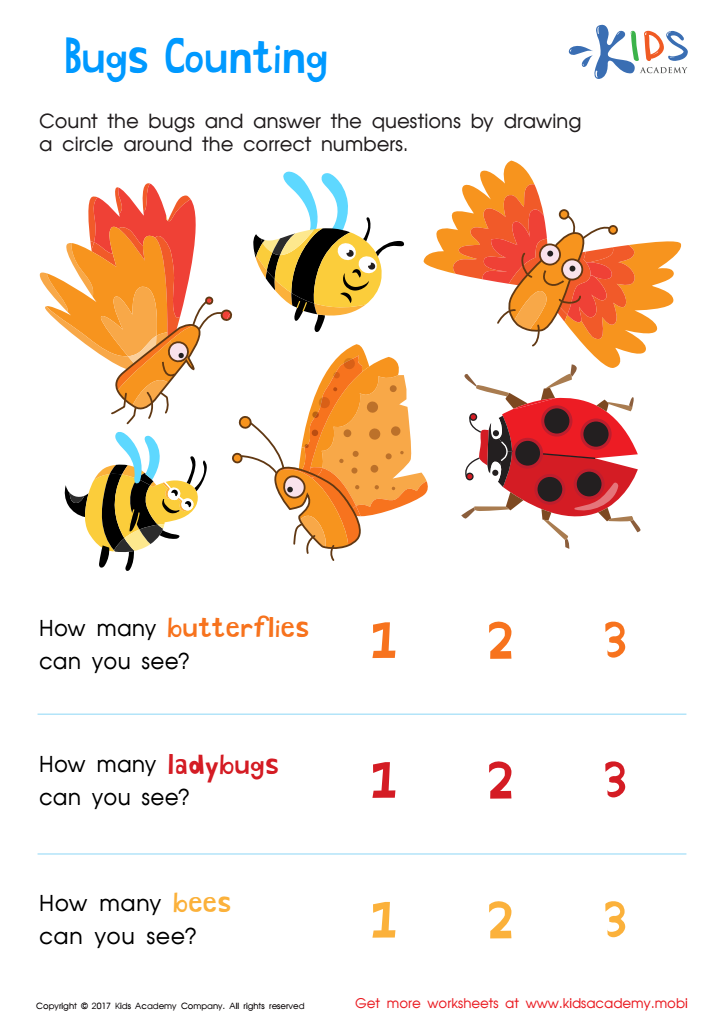
Bugs Counting Worksheet








Understanding quantities and numbers from 0 to 10 is crucial for children aged 3 to 5, serving as the foundational skills for future math learning. Parents and teachers should care about this early numeracy because it significantly influences children's cognitive development, supporting not just math abilities but also critical thinking and problem-solving skills.
At this age, children are naturally curious and eager to learn. Engaging them in activities that promote an understanding of numbers helps to build their confidence and interest in mathematics. Recognizing numbers, counting objects, and understanding basic concepts like "more" and "less" enables children to grasp more complex mathematical ideas as they grow.
Furthermore, early numerical understanding links to everyday experiences, from counting toys to sharing snacks, making learning relevant and enjoyable. This connection enhances language development, as children learn to articulate numbers and quantities.
Lastly, early math skills are strongly correlated with later academic success. By fostering a solid understanding of numbers and quantities in young learners, parents and teachers set the stage for lifelong learning and achievement, reinforcing the importance of this foundational knowledge in the overall education journey.