Basic Math Skills Building Vocabulary Worksheets for Ages 3-5
7 filtered results
-
From - To
Boost your child's early math skills with our engaging Basic Math Skills Building Vocabulary Worksheets designed for ages 3-5. These worksheets provide a fun and interactive way for young learners to develop essential math vocabulary, including numbers, shapes, patterns, and basic operations. Tailored to capture the interest of preschoolers, each activity encourages not only math comprehension but also vocabulary building through colorful illustrations and playful exercises. Perfect for at-home learning or classroom use, our worksheets will help your little ones gain confidence in their math abilities while laying a strong foundation for future success. Start nurturing their math journey today!











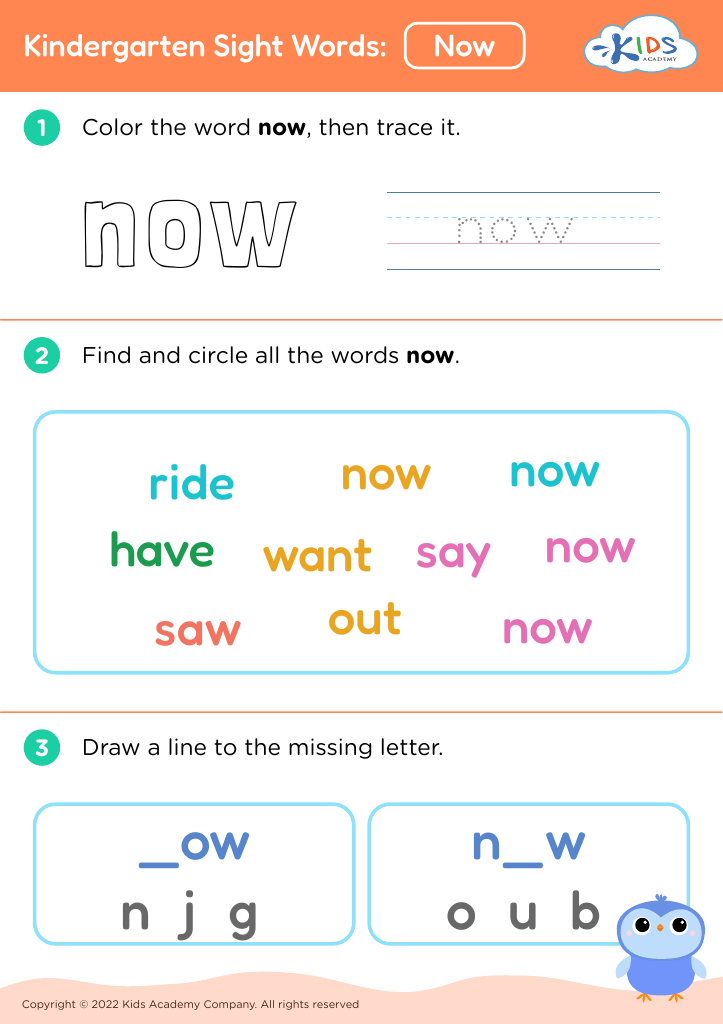
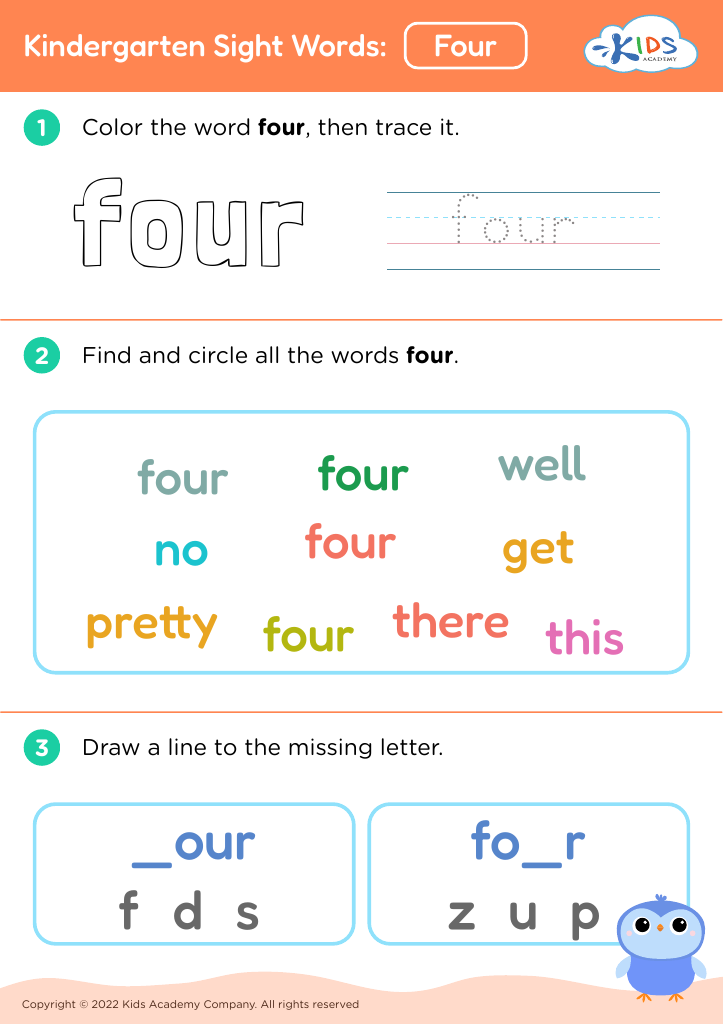
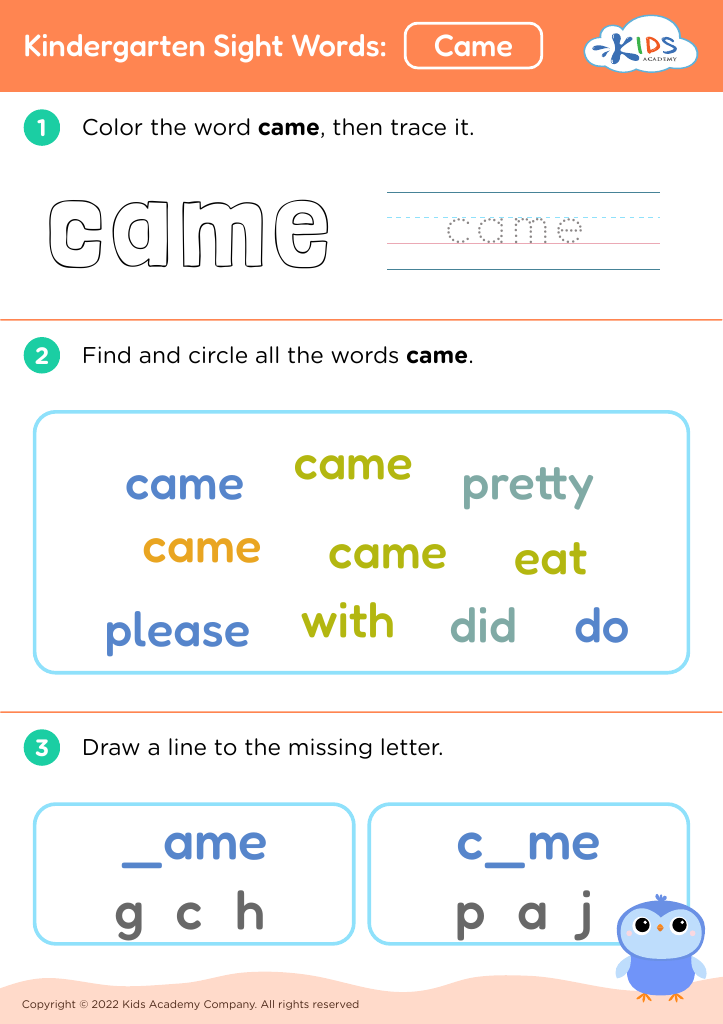







Building a strong mathematical vocabulary in early childhood is crucial for laying a solid foundation in math skills. For children aged 3 to 5, the ability to understand basic math terms—such as numbers, shapes, patterns, and measurement—creates the groundwork for more advanced mathematical concepts later on.
Parents and teachers should care about this because the early years are critical for cognitive development. Children who are exposed to mathematical language early on develop better problem-solving abilities and a deeper understanding of numerical concepts. By incorporating math talk into daily activities, such as counting toys or comparing sizes, adults can enhance children's conversational skills and make math relatable and enjoyable.
Moreover, a rich math vocabulary boosts children's confidence and encourages a positive attitude toward learning. Children who feel comfortable with math terminology are more likely to participate in discussions and engage in problem-solving, setting the stage for academic success.
In an increasingly numerate world, equipping young learners with basic math skills nurtures critical thinking and prepares them for a future where mathematical literacy is essential. Thus, investing time in building their math vocabulary is both a practical and engaging way to support children's overall intellectual development.








