Comparing Fractions Building Vocabulary Worksheets for Ages 3-5
12 filtered results
-
From - To
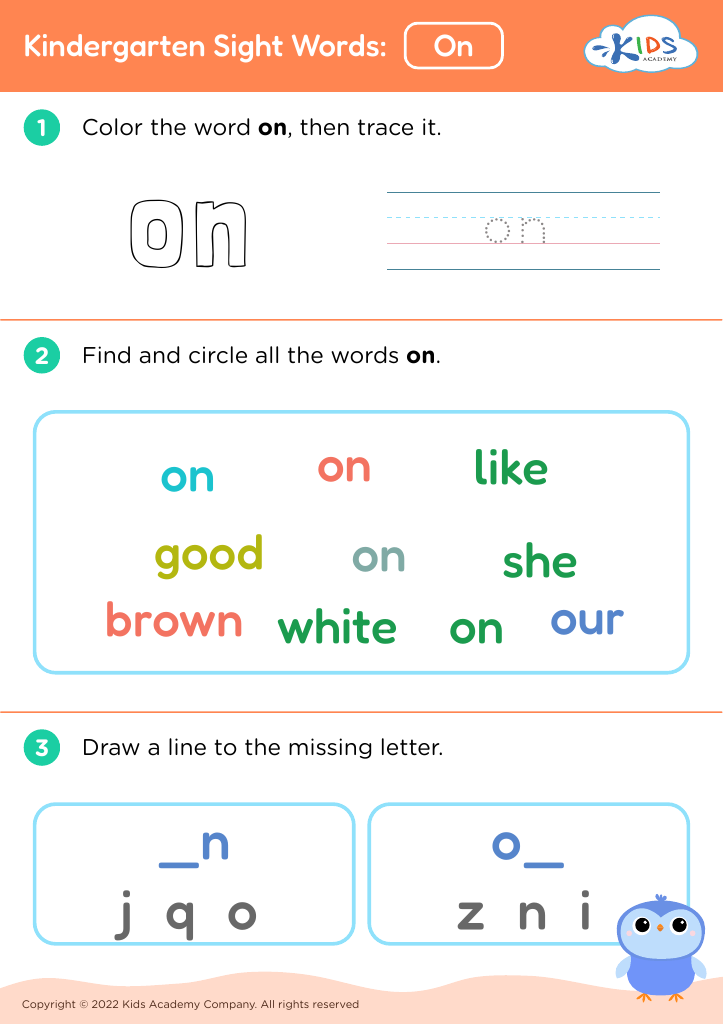
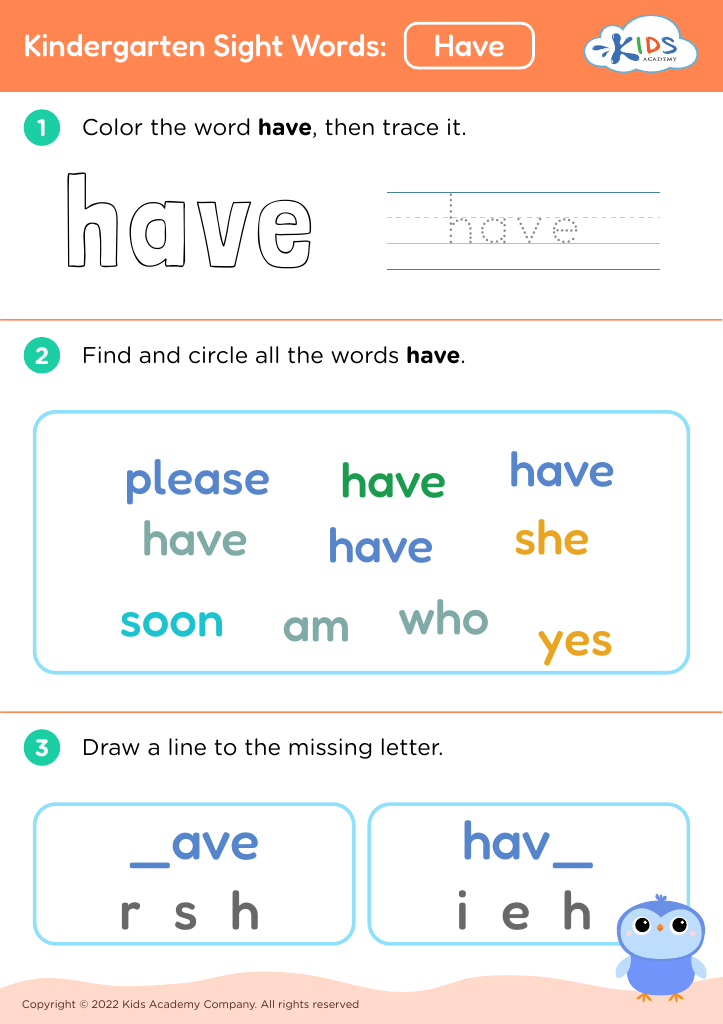
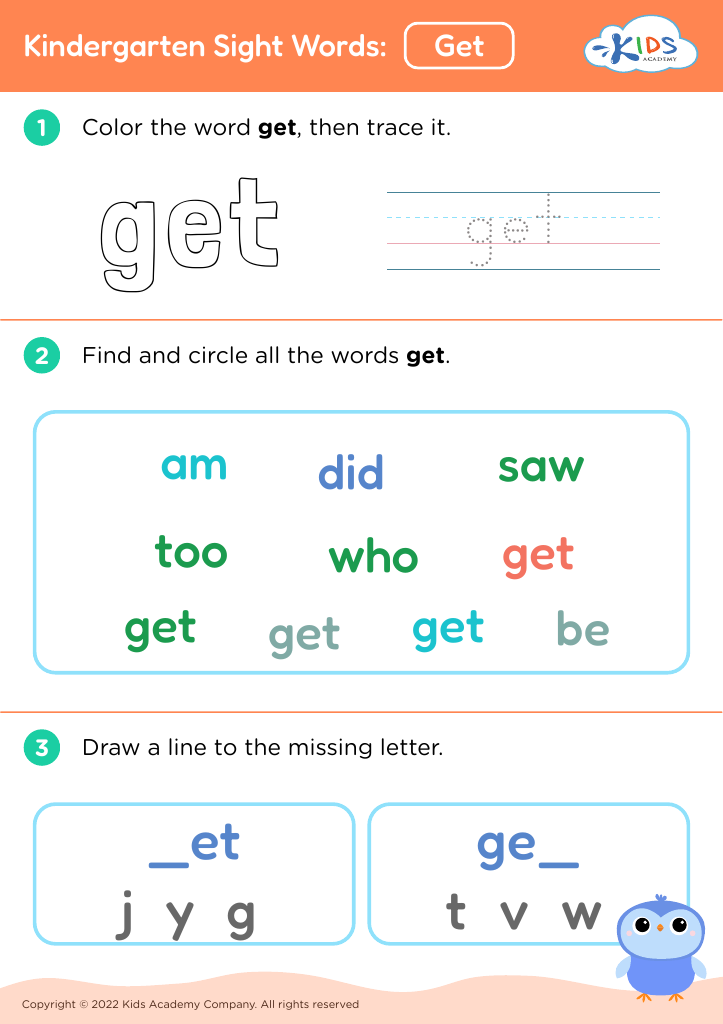
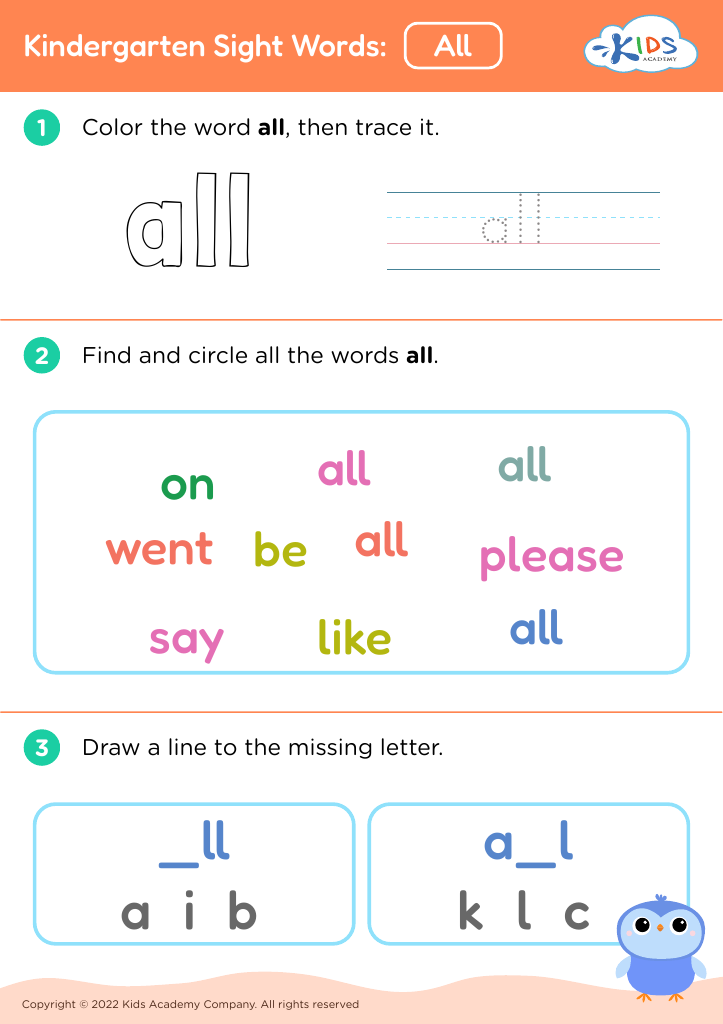
Introducing "Comparing Fractions Building Vocabulary Worksheets for Ages 3-5" designed by Kids Academy. These engaging worksheets help young learners master foundational math skills while building essential vocabulary. Through fun activities, children explore the basics of comparing fractions, enhancing their understanding and confidence in math. Perfect for parents and teachers, these printables are crafted to make learning fractions enjoyable and interactive. Equip your child with the tools to succeed and spark a lifelong love for math. Ideal for early learners aged 3-5, these worksheets blend education and fun seamlessly. Visit Kids Academy for more inspiring resources!











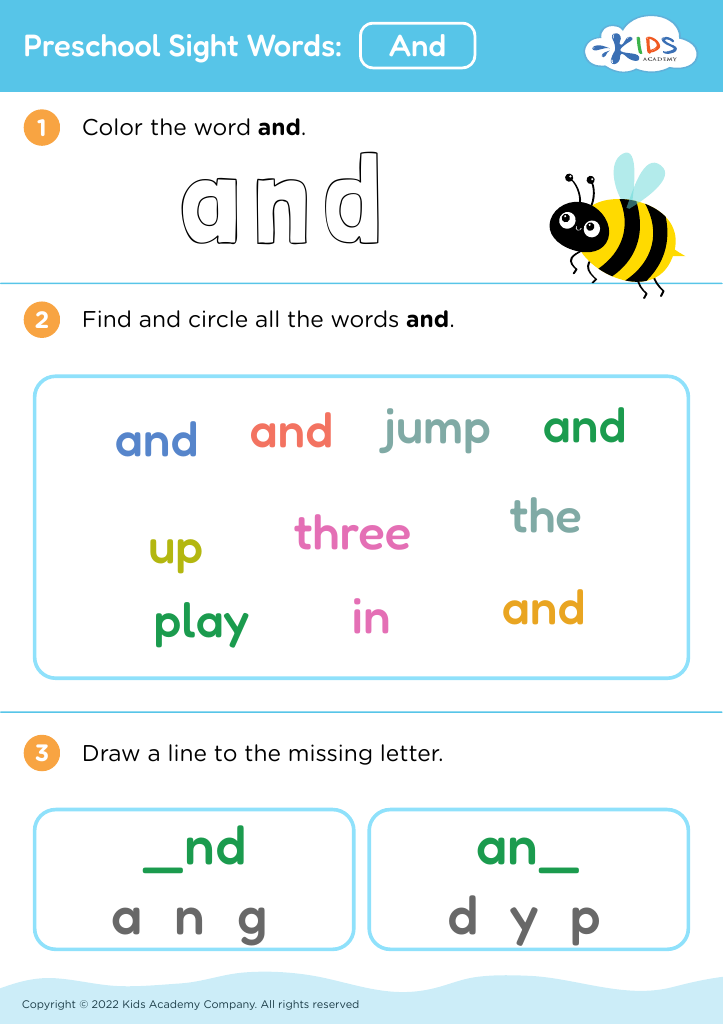
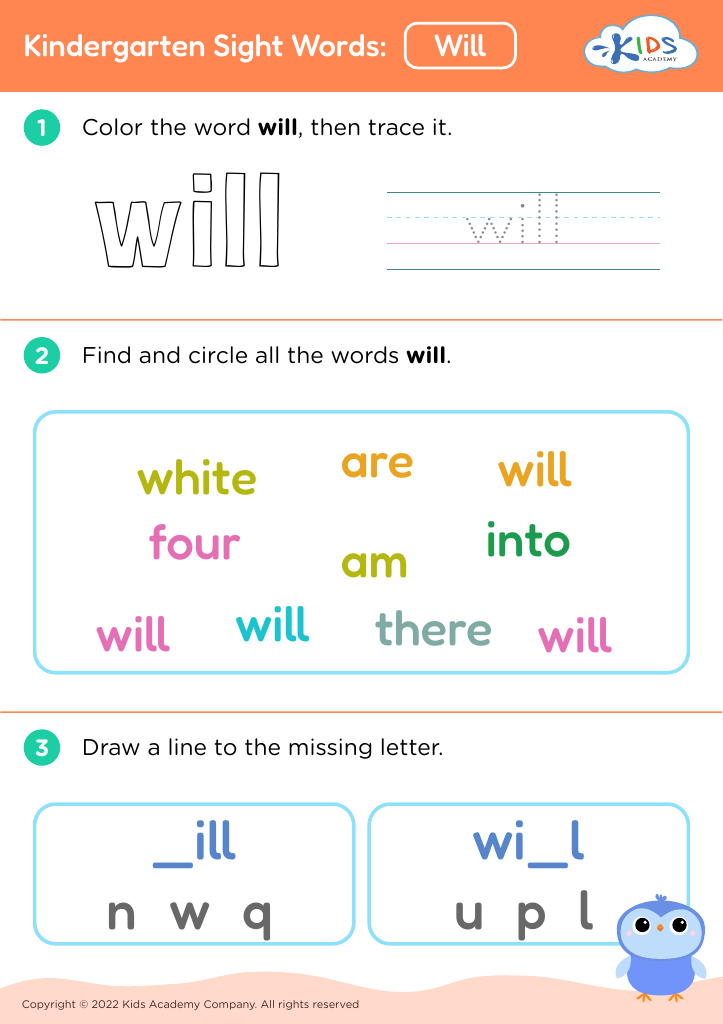
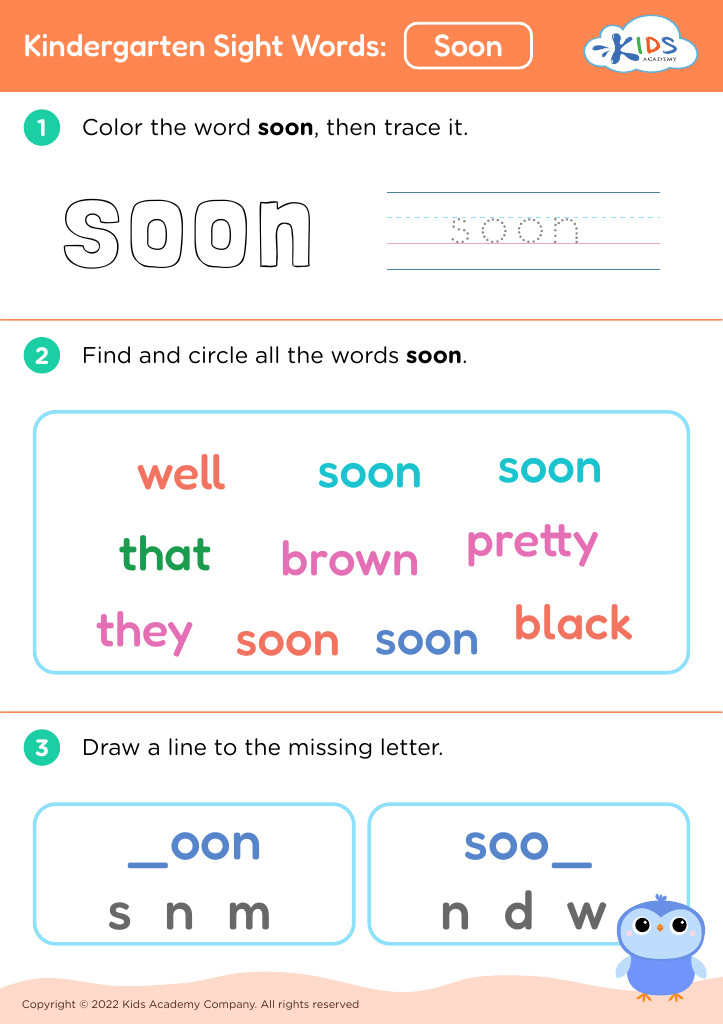
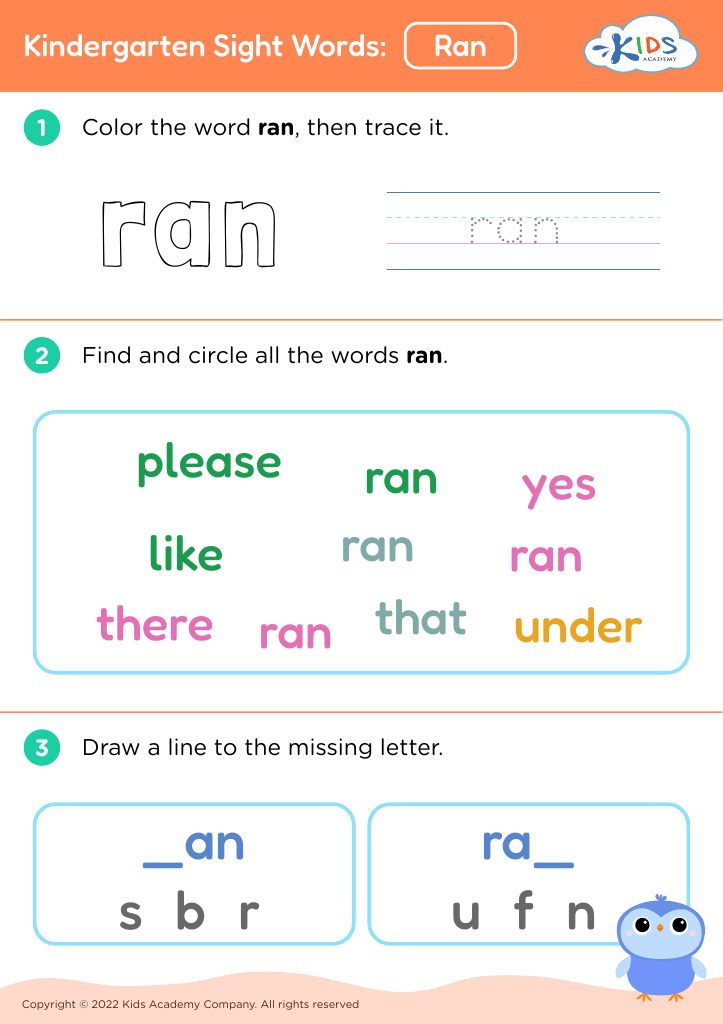








Introducing the concept of comparing fractions and building a math-related vocabulary at an early age sets a strong foundation fu crucial cognitive development. For children aged 3-5, comprehension of basic math skills starts to flourish; however, this is also the period when they are naturally curious and absorb information rapidly. Caregivers, tutors, and parents should thus prioritize the initiation of comparing fractions as a means to link math concepts to real-world understanding.
For instance, young children often encounter scenarios involving fractions, such as dividing a snack or sharing toys. Introducing terms like "half," "whole," "equal parts," allows them to make tangible connections, fostering both reasoning and vocabulary.
Moreover, building a math-related vocabulary can positively impact general language skills and cognitive abilities. Children may develop better problem-solving skills and critical thinking when they grasp early mathematical challenges. By comparing fractions, they also engage in decision-making and logical hierarchy, key skills required in multiple life contexts beyond the classroom.
In conclusion, parents and educators should care about early comparison of fractions and vocabulary building as it launches children on a path of numerical literacy. It catalyzes their cognitive development, reasoning capabilities, and cultivates a comfort with math that benefits future learning processes.








