Sight word recognition Building Vocabulary Worksheets for Ages 3-5
6 filtered results
-
From - To
Boost your child's foundational literacy skills with our Sight Word Recognition Building Vocabulary Worksheets for Ages 3-5. Designed specifically for preschoolers, these engaging worksheets help young learners recognize and understand frequently used sight words. Through fun and interactive activities, kids will enhance their reading fluency and comprehension, making early learning both effective and enjoyable. Each worksheet supports your child's growing vocabulary, laying the groundwork for successful reading and writing. Discover an exciting pathway to literacy that delights and educates with Kids Academy printable worksheets. Encourage early readers and watch their confidence soar!
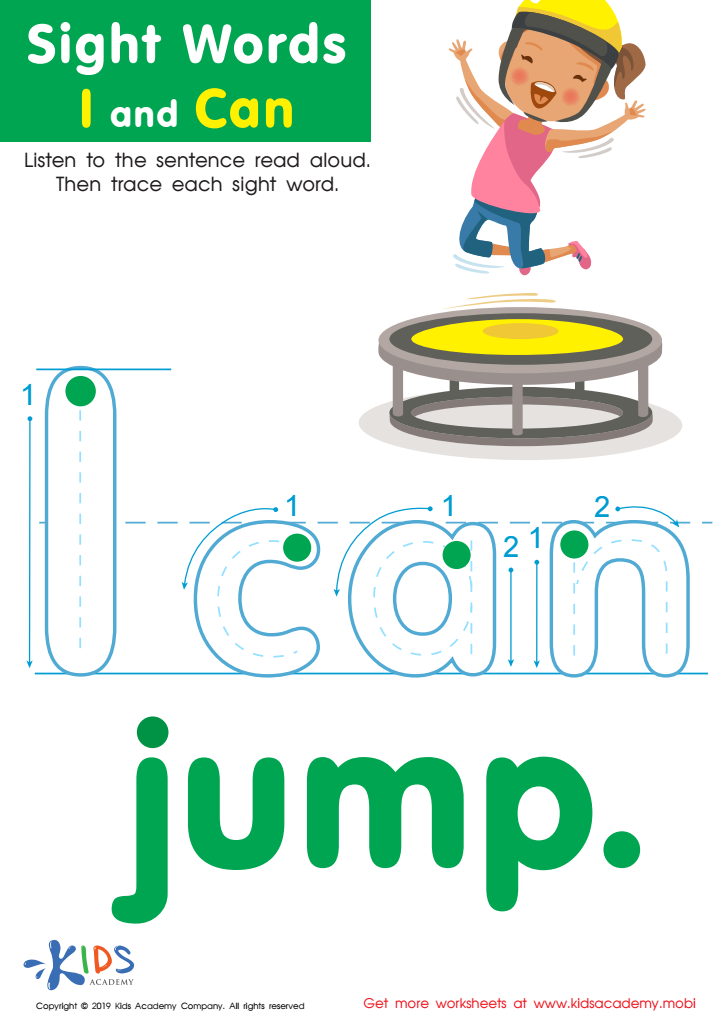
Sight Words I Can Worksheet
 Assign to My Students











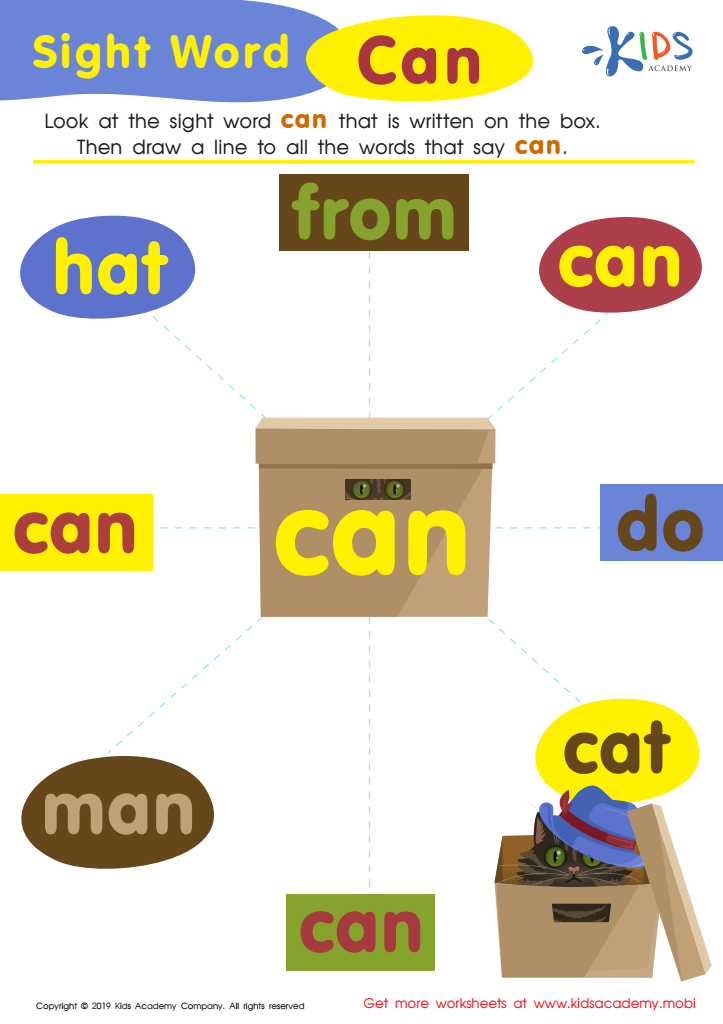
Sight Word Can Worksheet
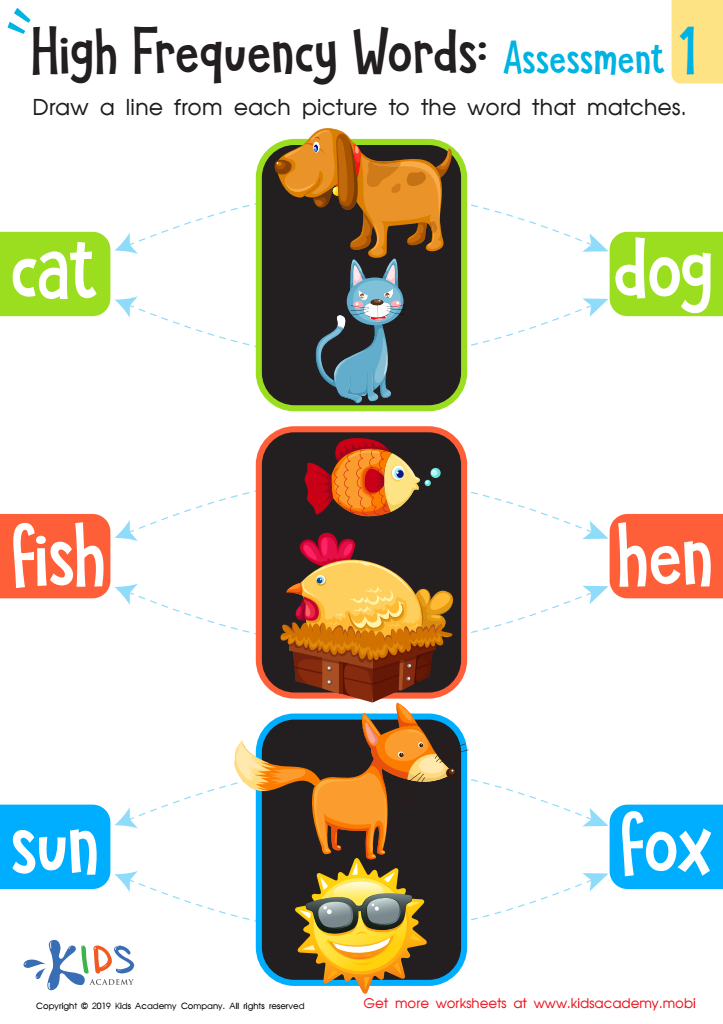
High Frequency Words: Assessment 1 Worksheet
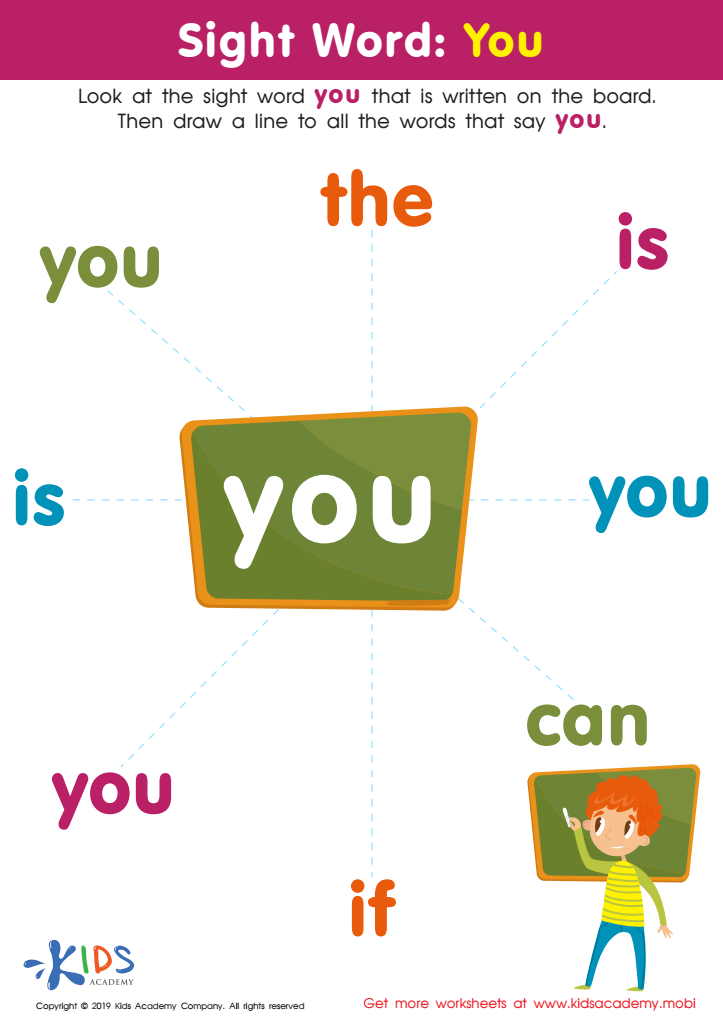
Sight Word You Worksheet
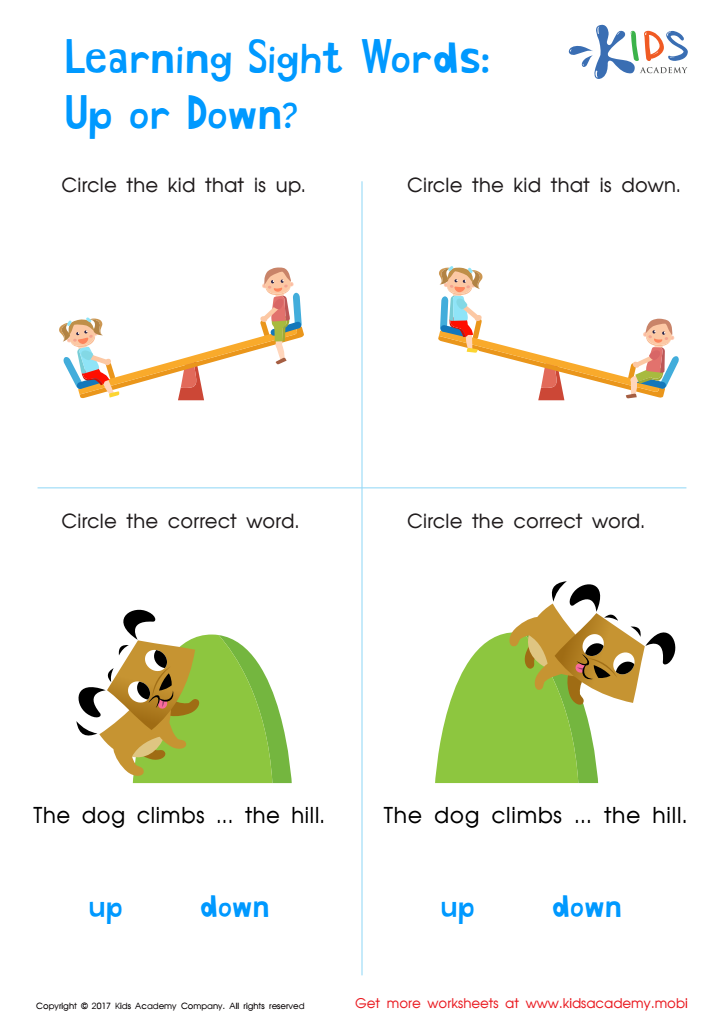
Up or Down Printable Sight Words Worksheet
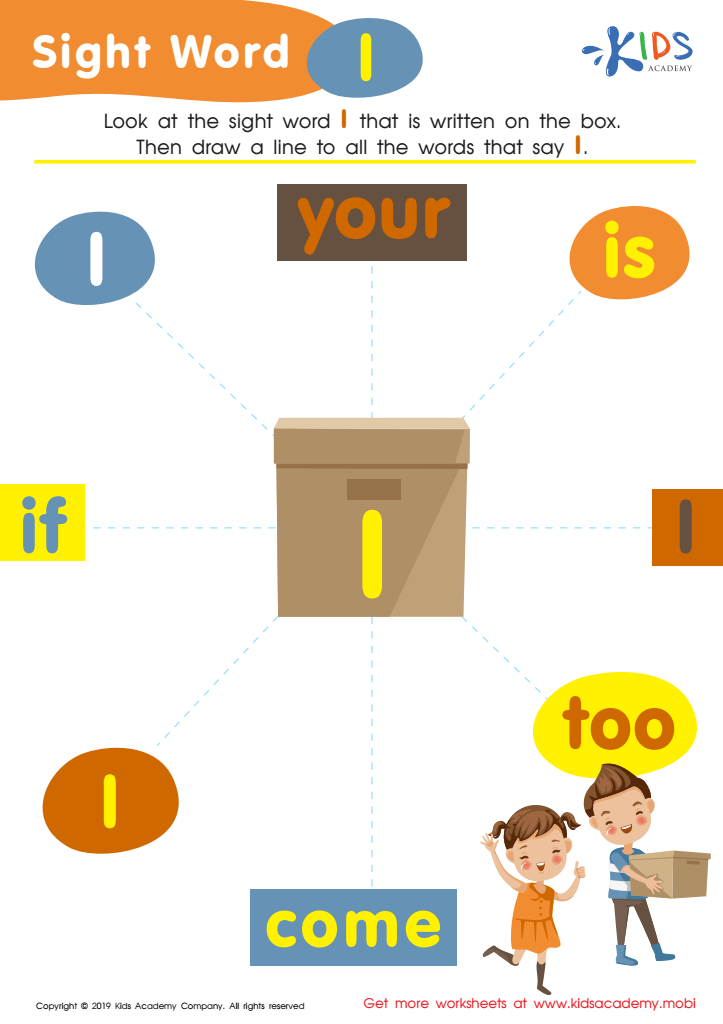
Sight Word I Worksheet








Sight word recognition and vocabulary building are fundamental elements of early childhood education that play a crucial role in language development and overall learning for children aged 3-5. Sight words are commonly encountered words that young readers learn to recognize on sight without having to decode them. At this developmental stage, children’s brains are rapidly absorbing information, making it the prime time to establish foundational skills that will support future literacy.
Learning sight words and expanding vocabulary during these early years fosters job early reading and writing skills, enabling children to effortlessly navigate text. This early proficiency not only boosts confidence and self-esteem but also sparks a love for reading by making it a smoother, more enjoyable process. Engaged reading experiences at a young age lead to better comprehension and broader knowledge base as children grow older.
Moreover, a rich vocabulary enhances children’s ability to express themselves effectively, understand instructions, and participate in conversations. It supports critical cognitive skills such as problem-solving, reasoning, and creativity. Parents and teachers who prioritize sight word recognition and vocabulary development are setting the stage for lifelong academic success, higher achievement in school, and a curiosity-driven approach to learning that benefits diverse areas of knowledge and life skills.








