Explore our “Understanding Fractions Building Vocabulary Worksheets” designed specifically for children aged 3-5. These engaging resources promote early math skills while enhancing vocabulary through fun and interactive activities. Each worksheet introduces fundamental concepts of fractions using colorful visuals and relatable scenarios, making learning enjoyable. As little learners connect words with corresponding images and quantities, they'll develop a solid foundation for mathematical concepts. Ideal for preschool and kindergarten settings, these worksheets support creative play and hands-on learning experiences. Help your child build confidence in their math vocabulary while understanding the basics of fractions with our high-quality educational materials! Enrich their learning journey today!

Check out this FREE Trial Lesson on Building Vocabulary for age 3-5!

My Family

Favorites
With answer key
Interactive
  • 3-5
  • Understanding fractions
  • Building Vocabulary
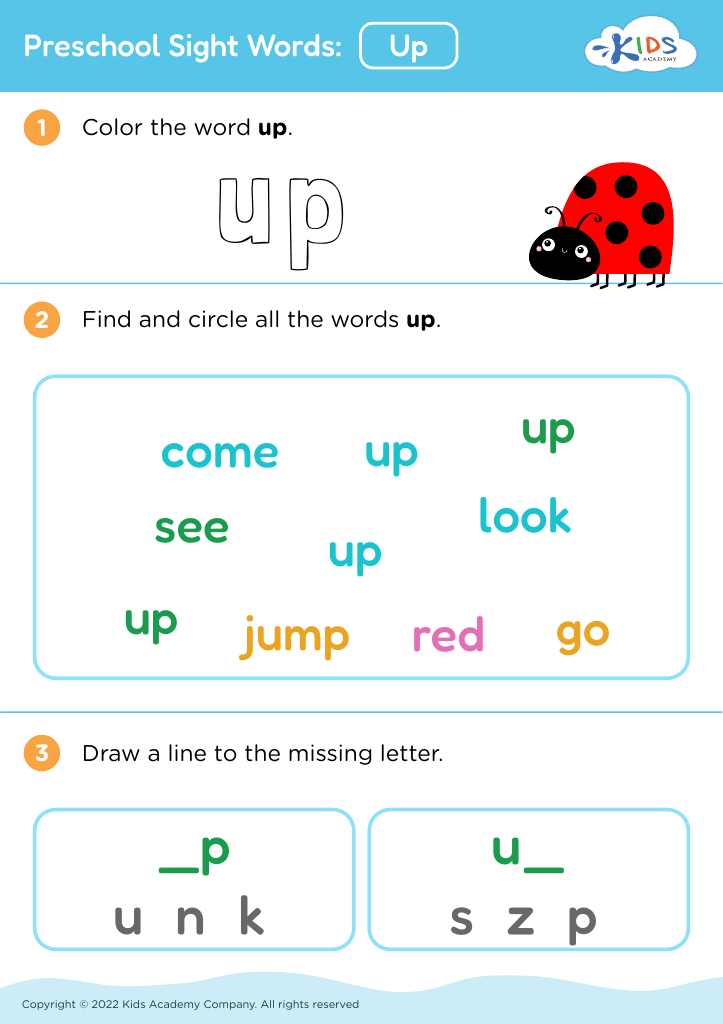
Preschool Sight Words: Up

Preschool Sight Words: Up

Preschool Sight Words: Up
Worksheet
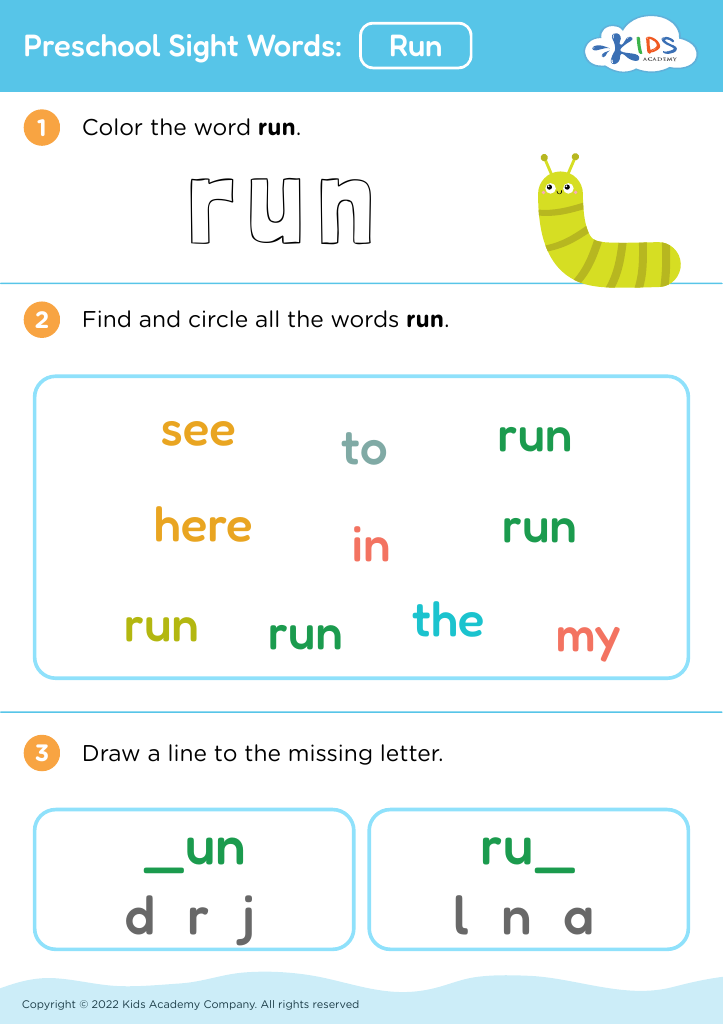
Preschool Sight Words: Run

Preschool Sight Words: Run

Preschool Sight Words: Run
Worksheet
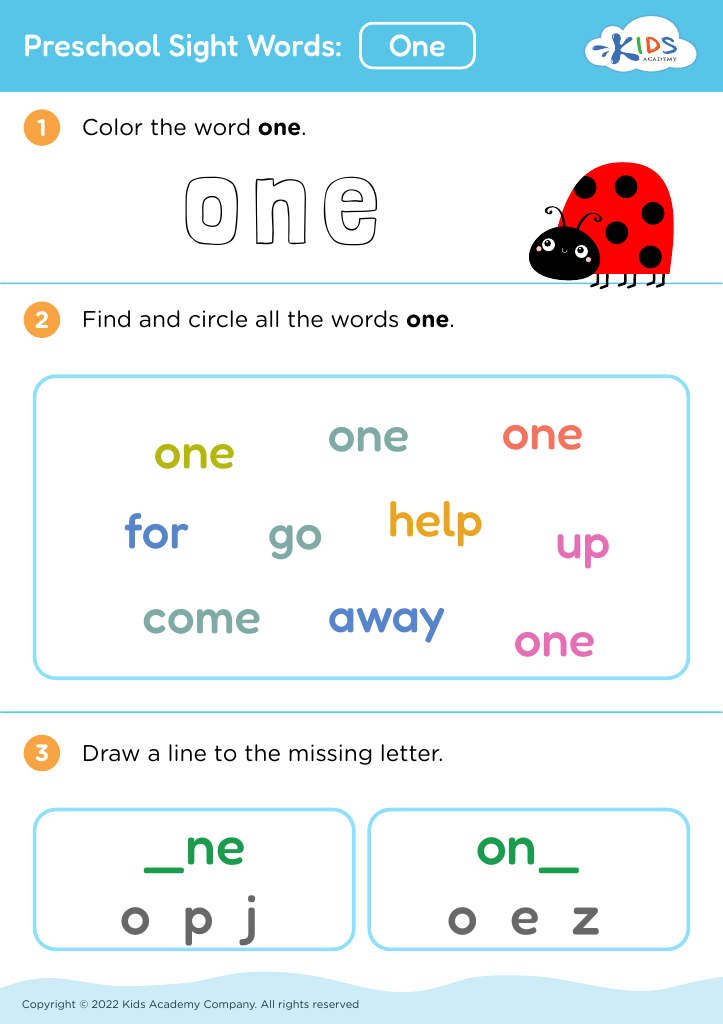
Preschool Sight Words: One

Preschool Sight Words: One

Preschool Sight Words: One
Worksheet
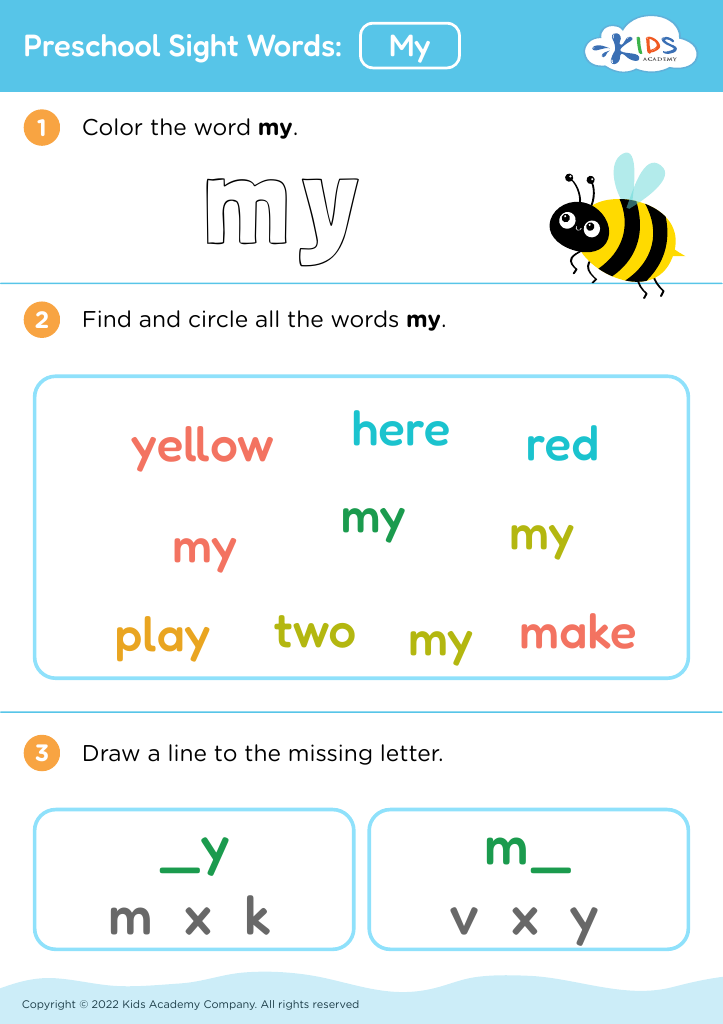
Preschool Sight Words: My

Preschool Sight Words: My

Preschool Sight Words: My
Worksheet
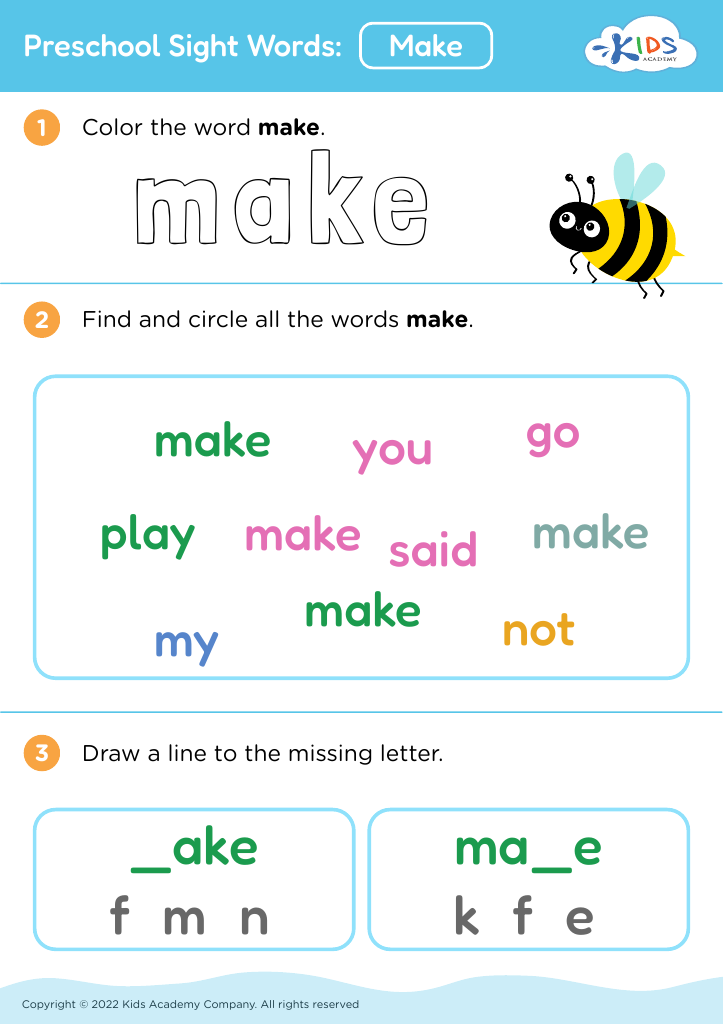
Preschool Sight Words: Make

Preschool Sight Words: Make

Preschool Sight Words: Make
Worksheet
Preschool Sight Words: In

Preschool Sight Words: In

Preschool Sight Words: In
Worksheet
Preschool Sight Words: Here

Preschool Sight Words: Here

Preschool Sight Words: Here
Worksheet
Preschool Sight Words: Can

Preschool Sight Words: Can

Preschool Sight Words: Can
Worksheet
Preschool Sight Words: Big

Preschool Sight Words: Big

Preschool Sight Words: Big
Worksheet
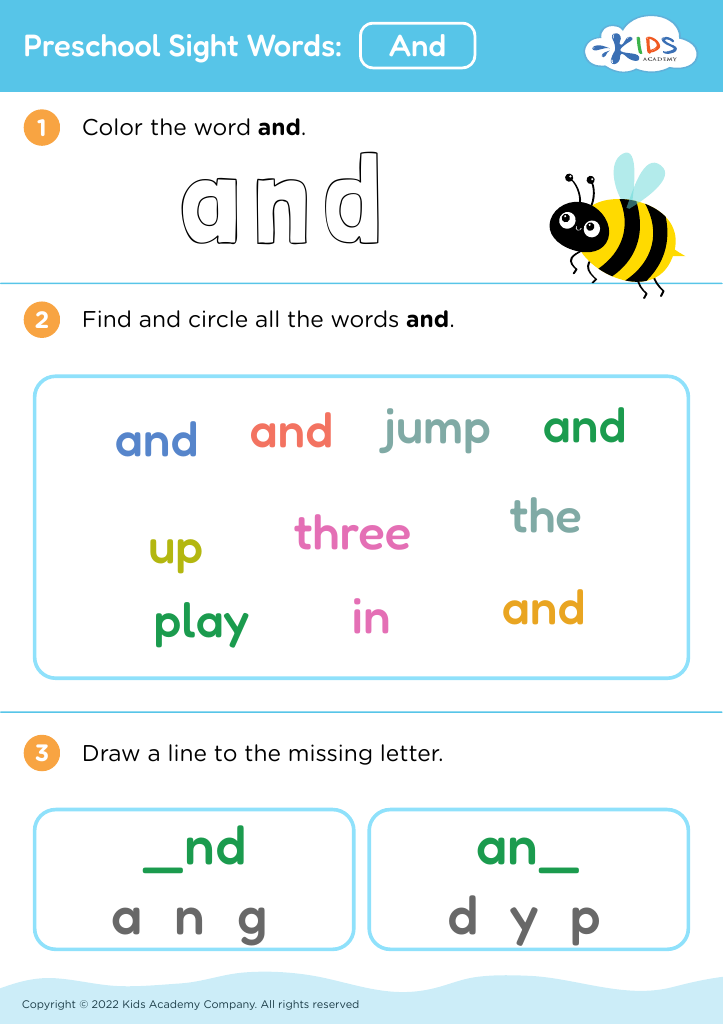
Preschool Sight Words: And

Preschool Sight Words: And

Preschool Sight Words: And
Worksheet
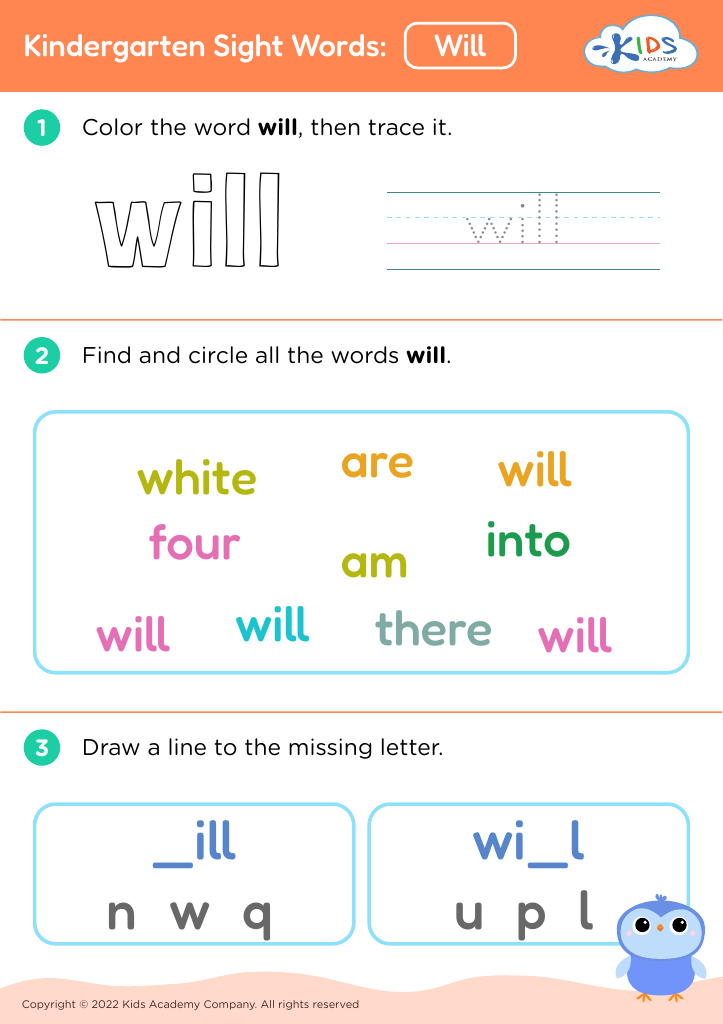
Kindergarten Sight Words: Will

Kindergarten Sight Words: Will

Kindergarten Sight Words: Will
Worksheet
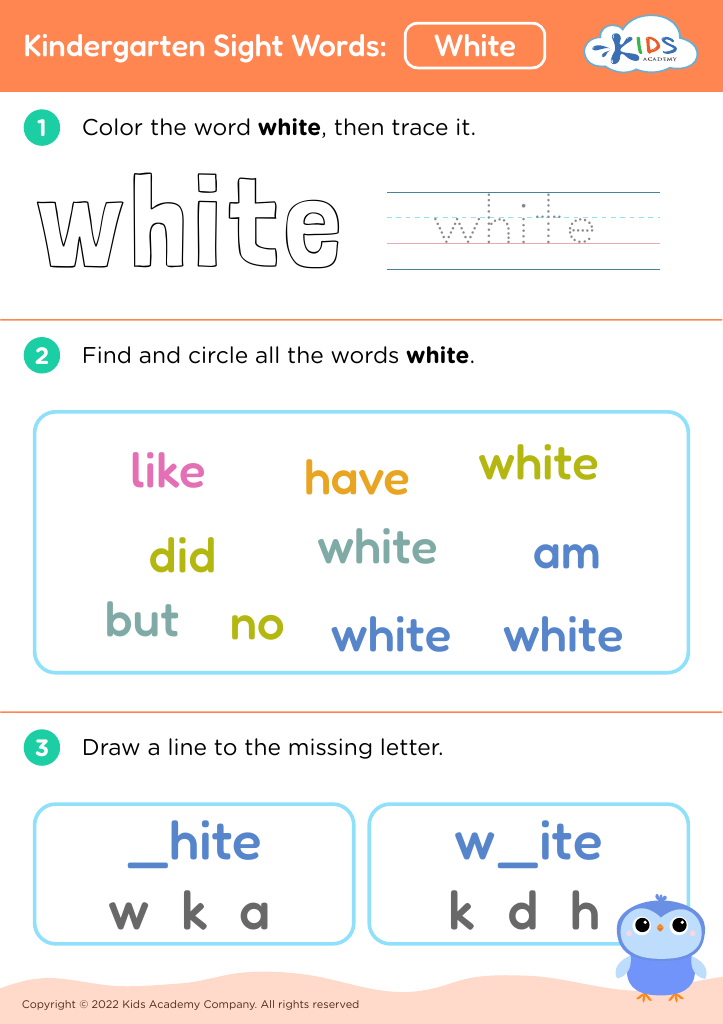
Kindergarten Sight Words: White

Kindergarten Sight Words: White

Kindergarten Sight Words: White
Worksheet
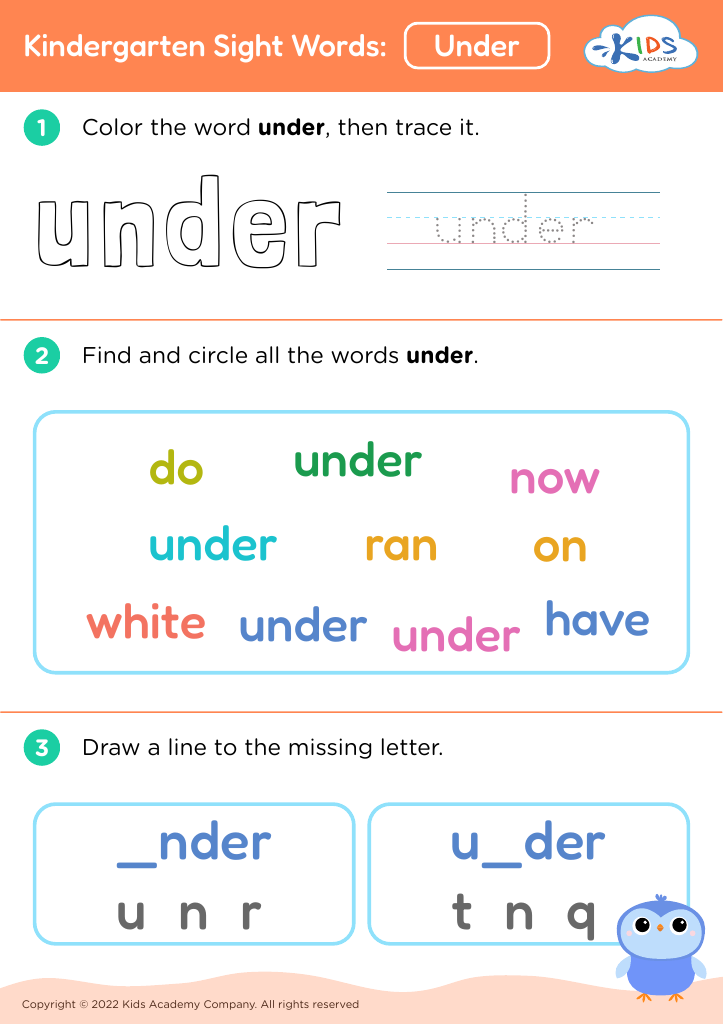
Kindergarten Sight Words: Under

Kindergarten Sight Words: Under

Kindergarten Sight Words: Under
Worksheet
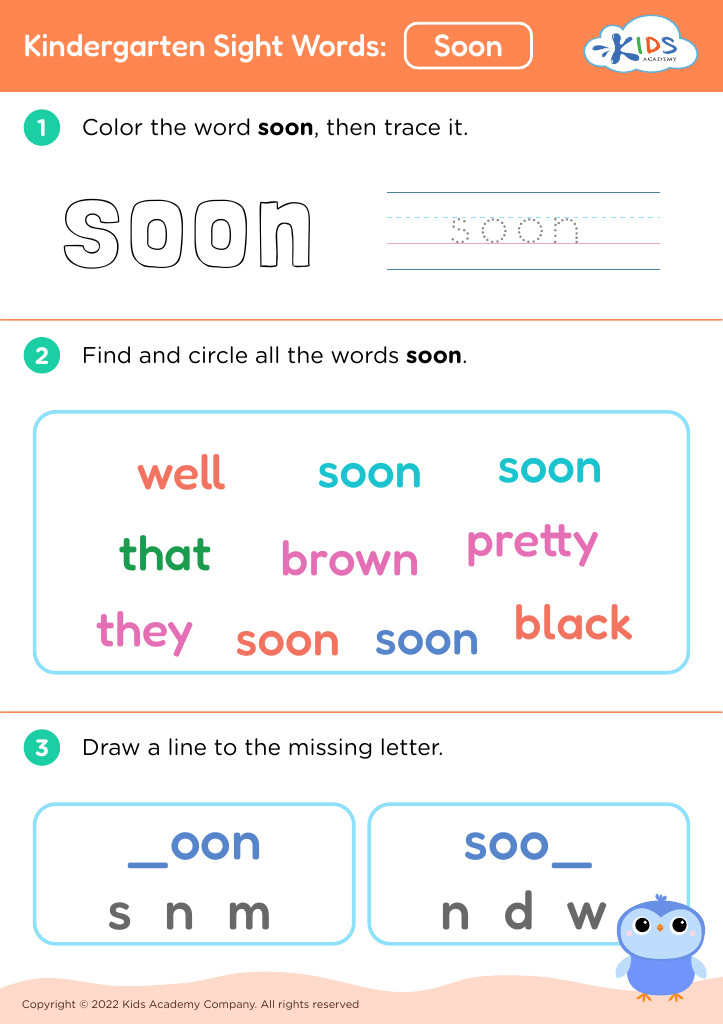
Kindergarten Sight Words: Soon

Kindergarten Sight Words: Soon

Kindergarten Sight Words: Soon
Worksheet
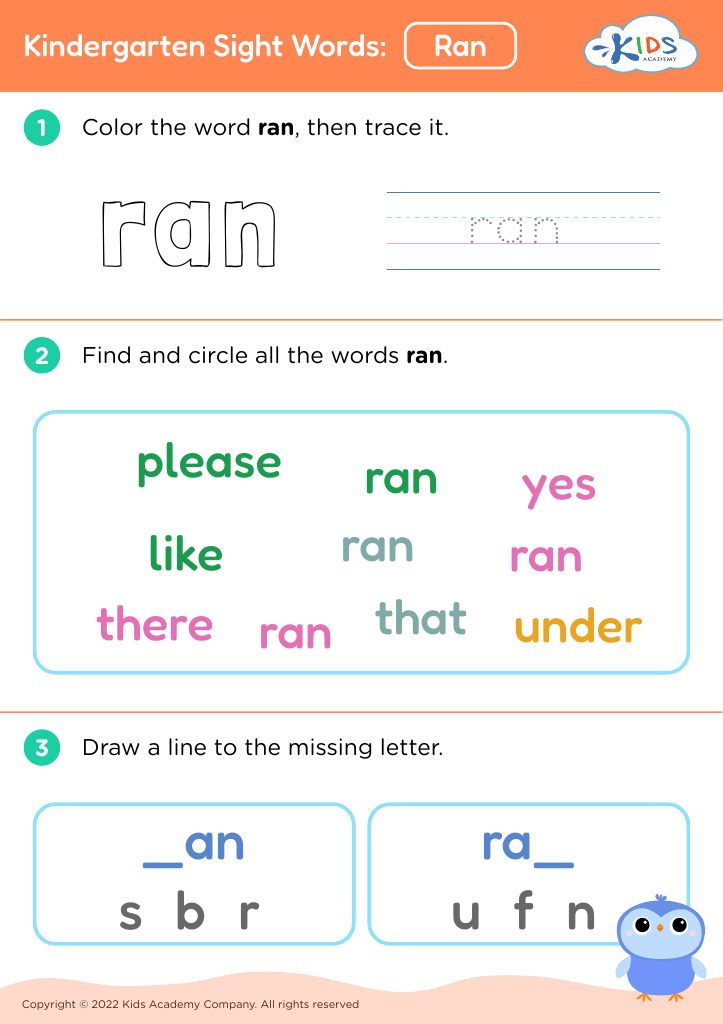
Kindergarten Sight Words: Ran

Kindergarten Sight Words: Ran

Kindergarten Sight Words: Ran
Worksheet
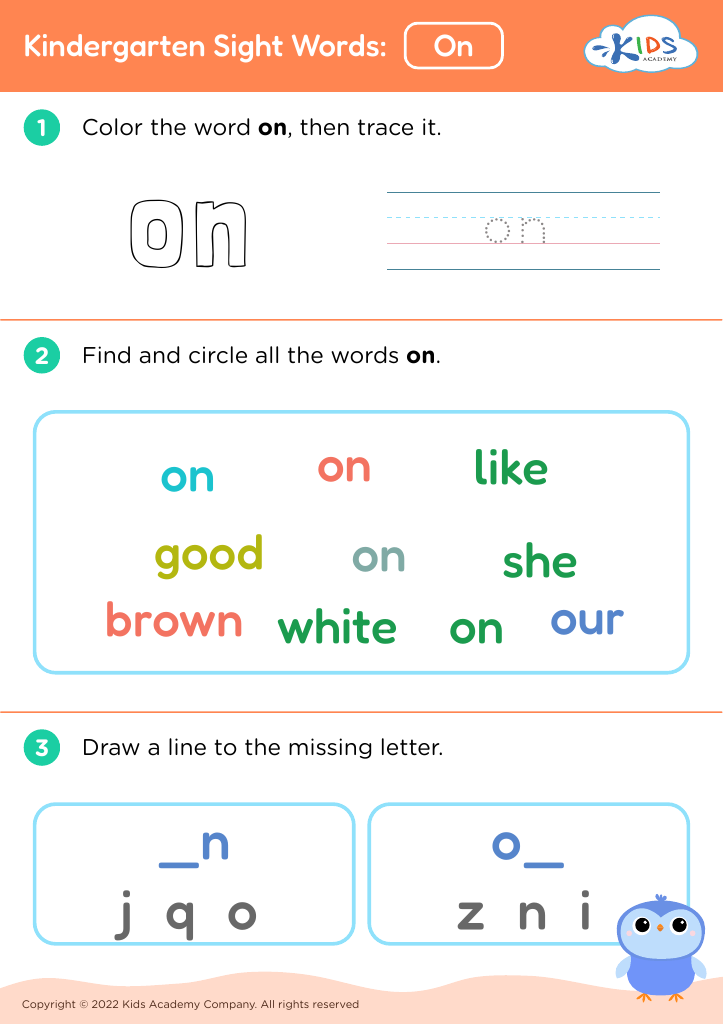
Kindergarten Sight Words: On

Kindergarten Sight Words: On

Kindergarten Sight Words: On
Worksheet
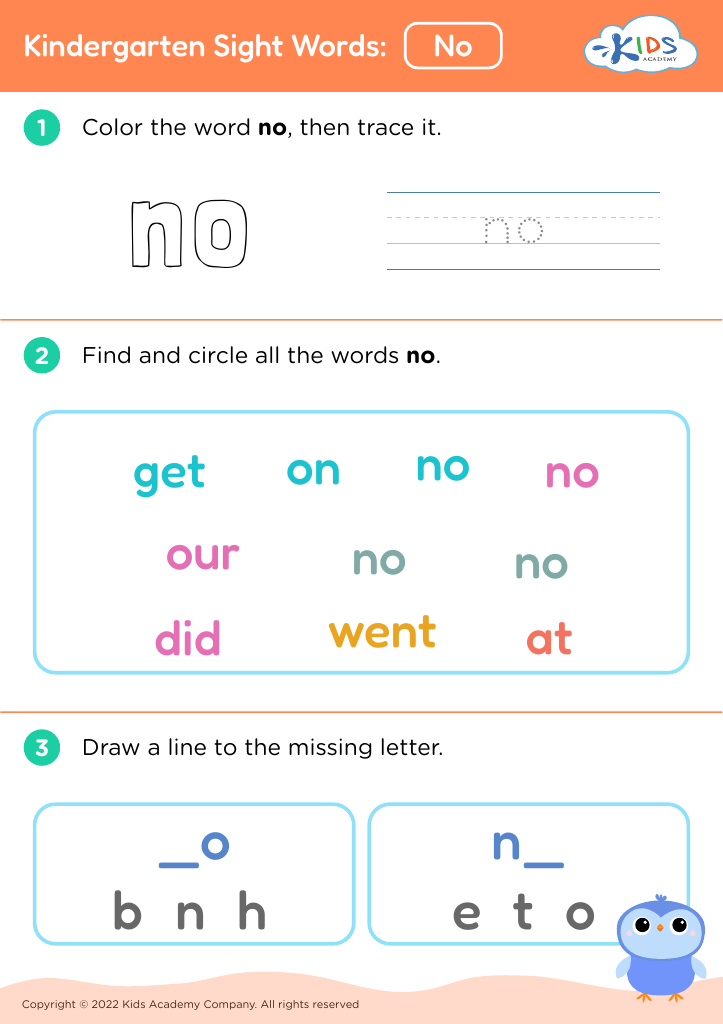
Kindergarten Sight Words: No

Kindergarten Sight Words: No

Kindergarten Sight Words: No
Worksheet
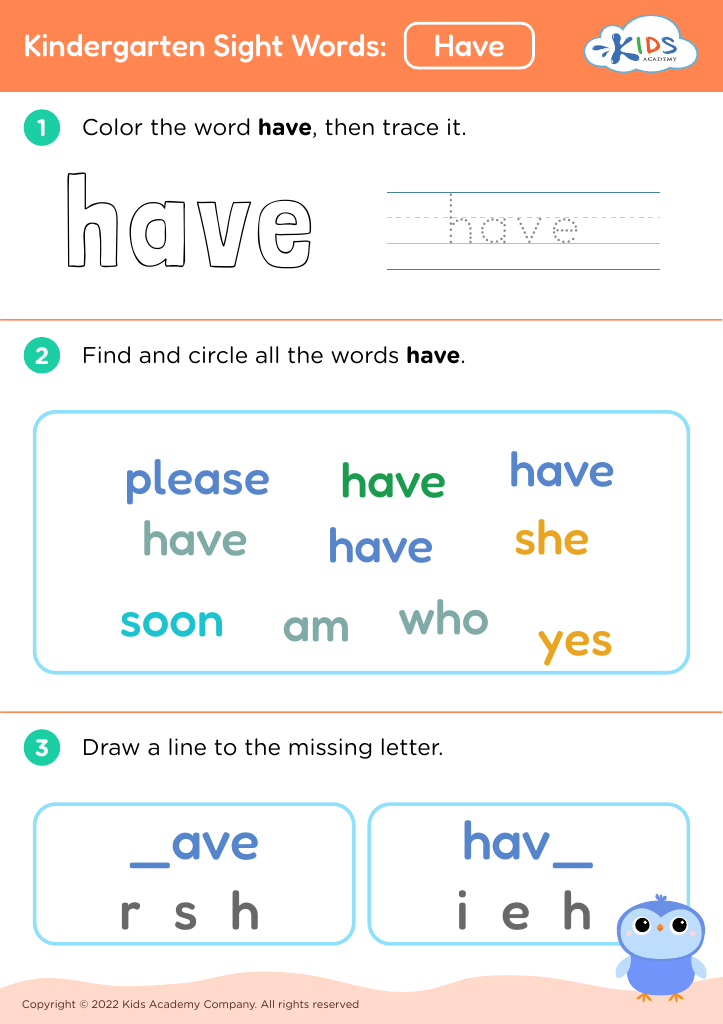
Kindergarten Sight Words: Have

Kindergarten Sight Words: Have

Kindergarten Sight Words: Have
Worksheet
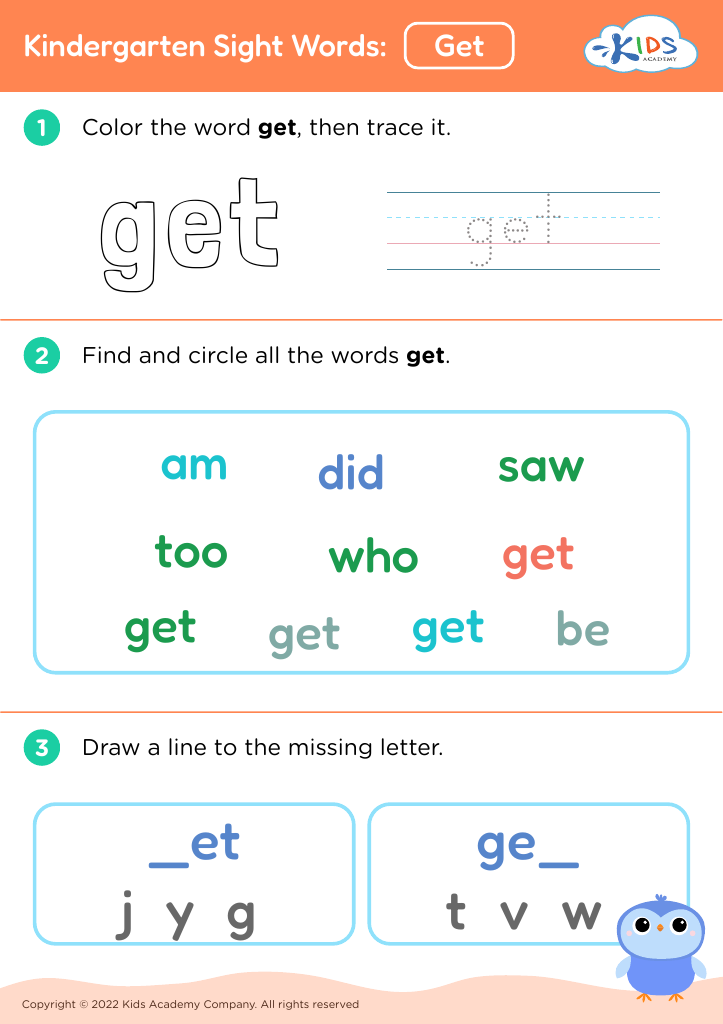
Kindergarten Sight Words: Get

Kindergarten Sight Words: Get

Kindergarten Sight Words: Get
Worksheet
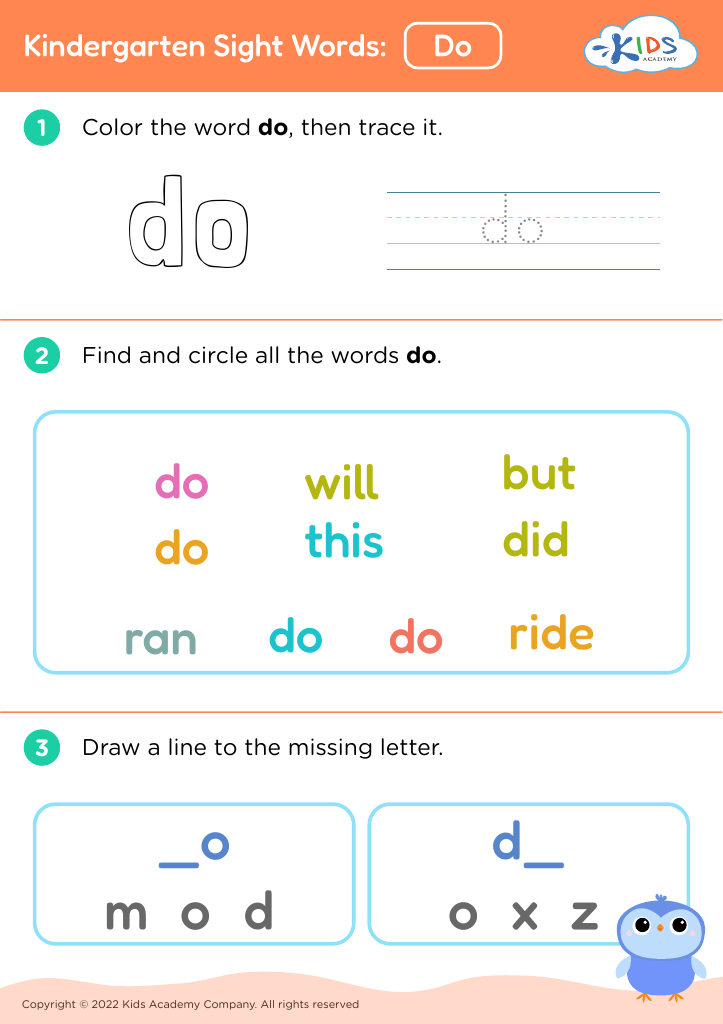
Kindergarten Sight Words: Do

Kindergarten Sight Words: Do

Kindergarten Sight Words: Do
Worksheet
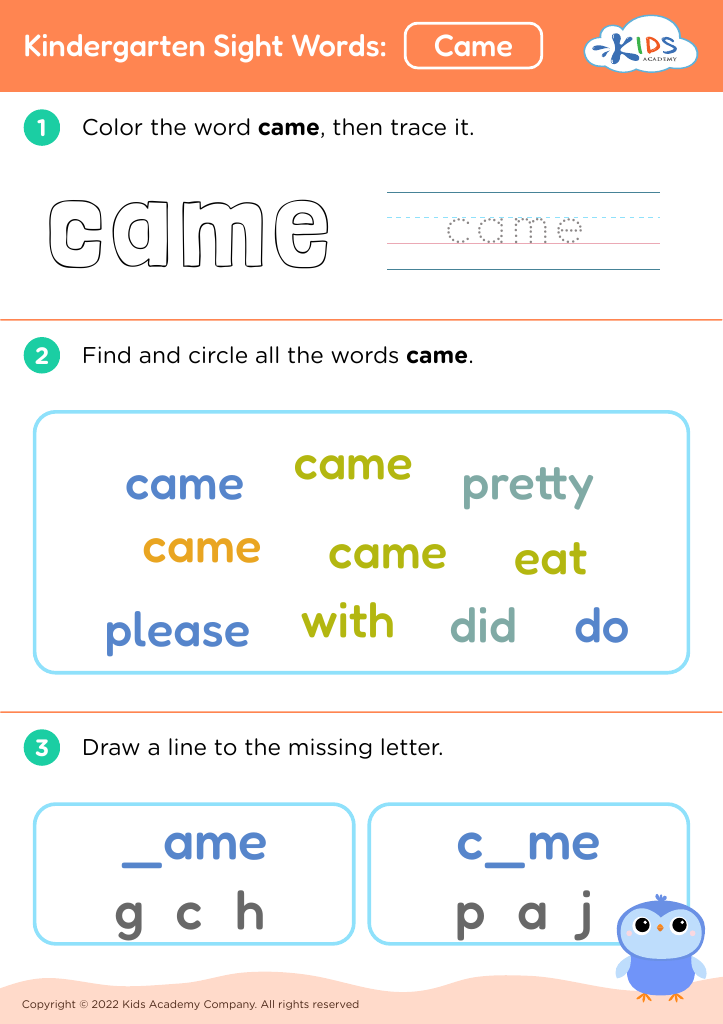
Kindergarten Sight Words: Came

Kindergarten Sight Words: Came

Kindergarten Sight Words: Came
Worksheet
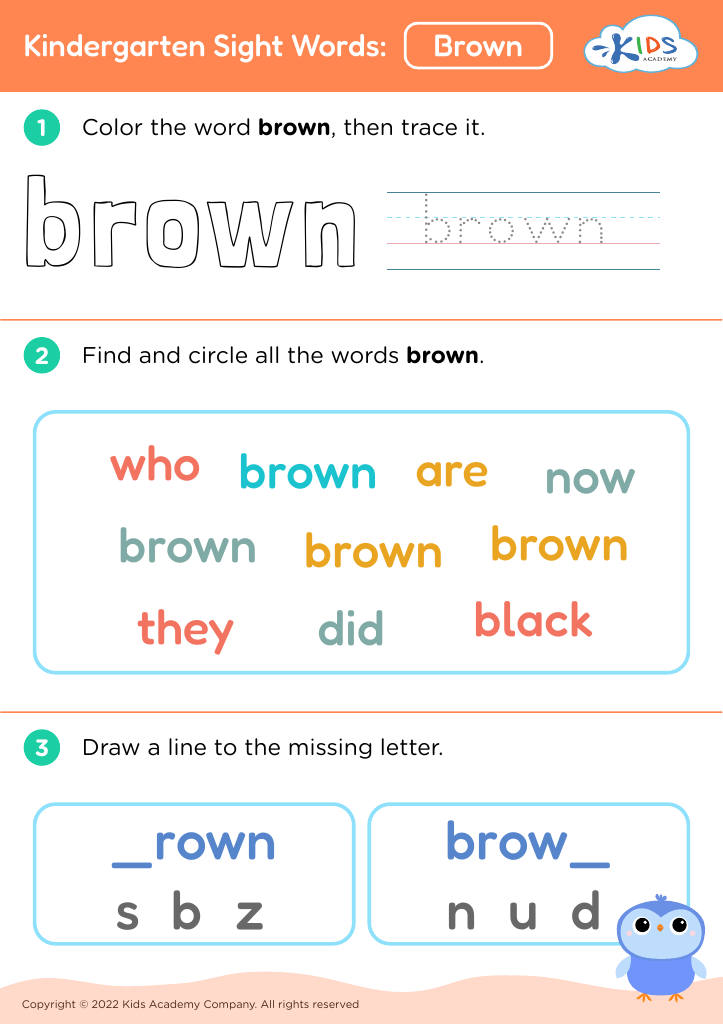
Kindergarten Sight Words: Brown

Kindergarten Sight Words: Brown

Kindergarten Sight Words: Brown
Worksheet
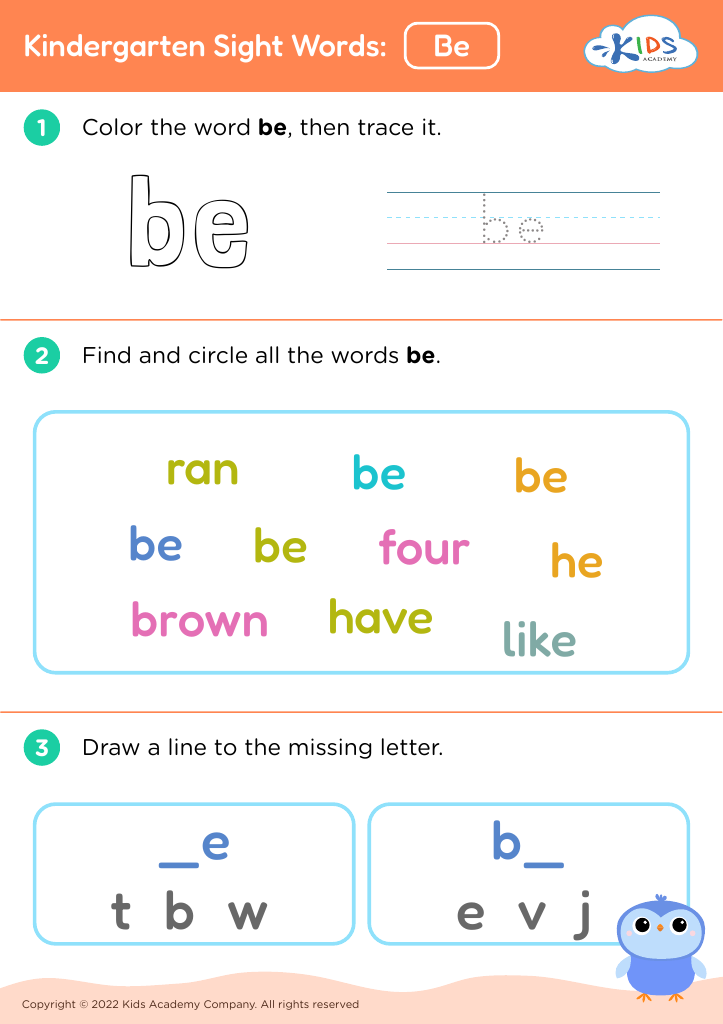
Kindergarten Sight Words: Be

Kindergarten Sight Words: Be

Kindergarten Sight Words: Be
Worksheet
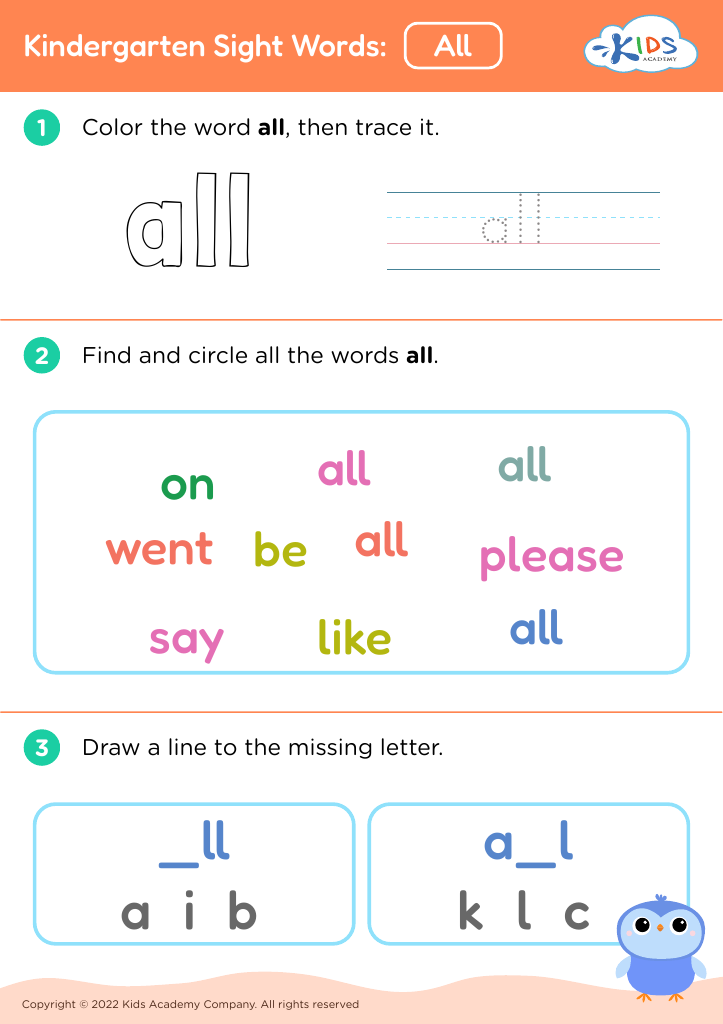
Kindergarten Sight Words: All

Kindergarten Sight Words: All

Kindergarten Sight Words: All
Worksheet


Understanding fractions and building vocabulary in early childhood are crucial for several reasons. First, early exposure to mathematical concepts promotes cognitive development. Learning about fractions at a young age improves early number sense, laying the groundwork for more complex mathematical understanding in later years. When children grasp fractions, they learn to recognize parts of a whole, which is essential for various real-world applications, from cooking to sharing.

Secondly, building vocabulary enhances language skills that are vital for effective communication and literacy development. For children ages 3-5, vocabulary acts as a foundation for reading comprehension and writing fluency. Incorporating discussions about fractions, such as "half," "third," or "quarter," enriches their language by expanding their descriptive abilities and conceptual understanding.

Moreover, family and educational settings should collaborate to create a rich language environment, using everyday examples to teach fractions. This practical approach fosters engagement and contextualization, making learning more meaningful. In summary, parents and teachers should care about integrating fractions and vocabulary learning, as it nurtures essential skills that will serve as stepping stones for lifelong learning, problem-solving, and critical thinking.