
Understanding patterns Building Vocabulary Worksheets for Ages 3-5
4 filtered results
Difficulty Level
Grade
Age
-
From - To
Subject
Activity
Standards
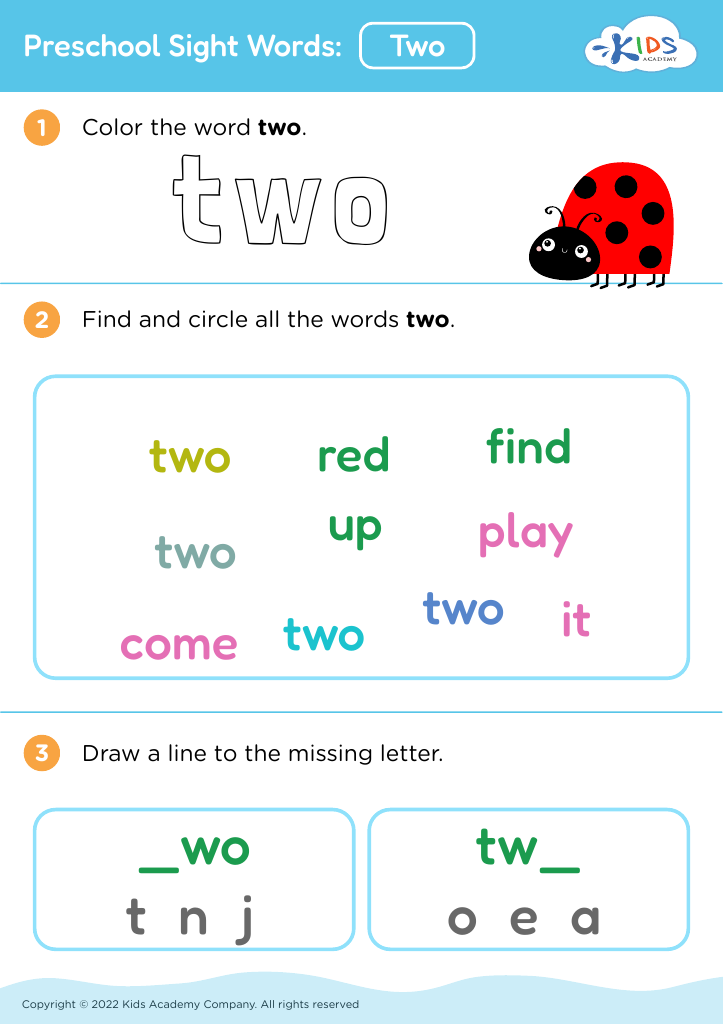
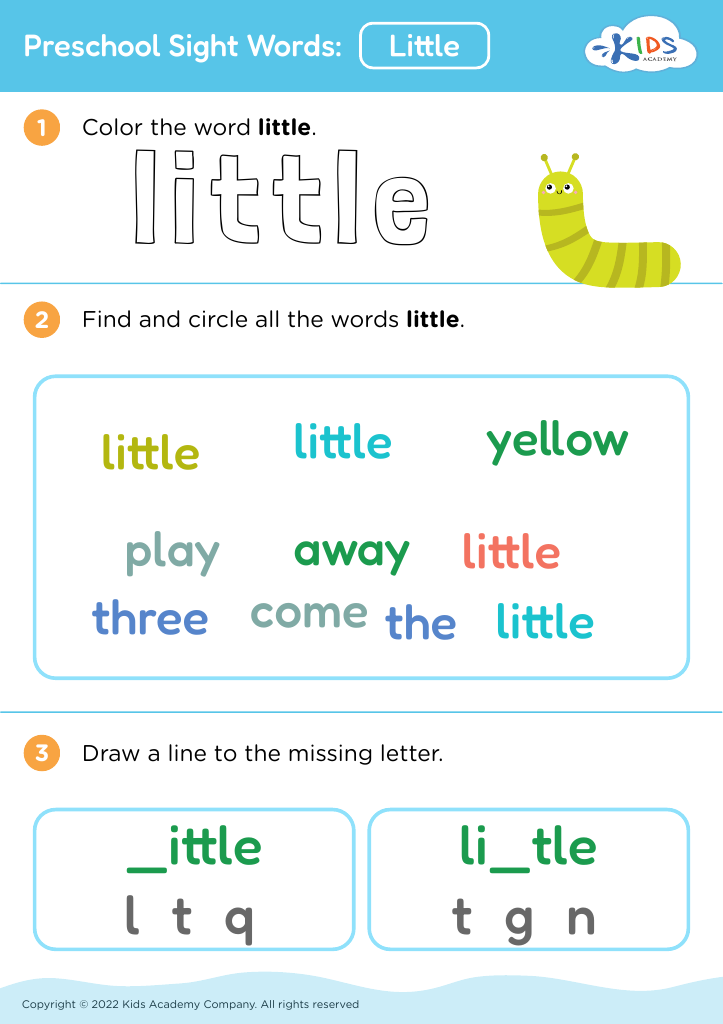
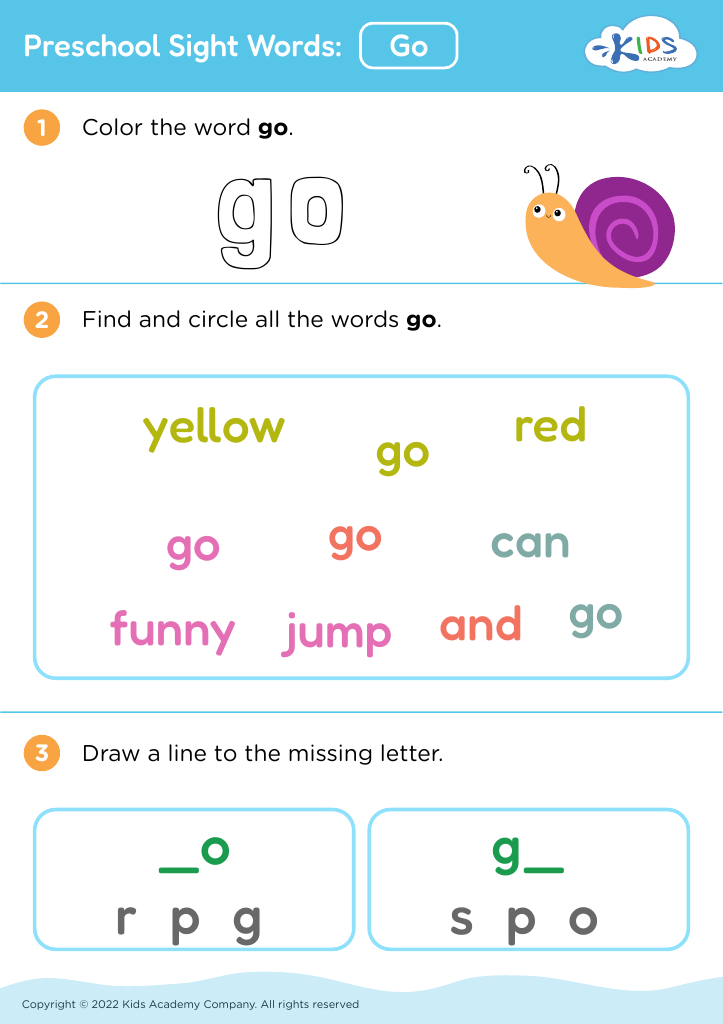
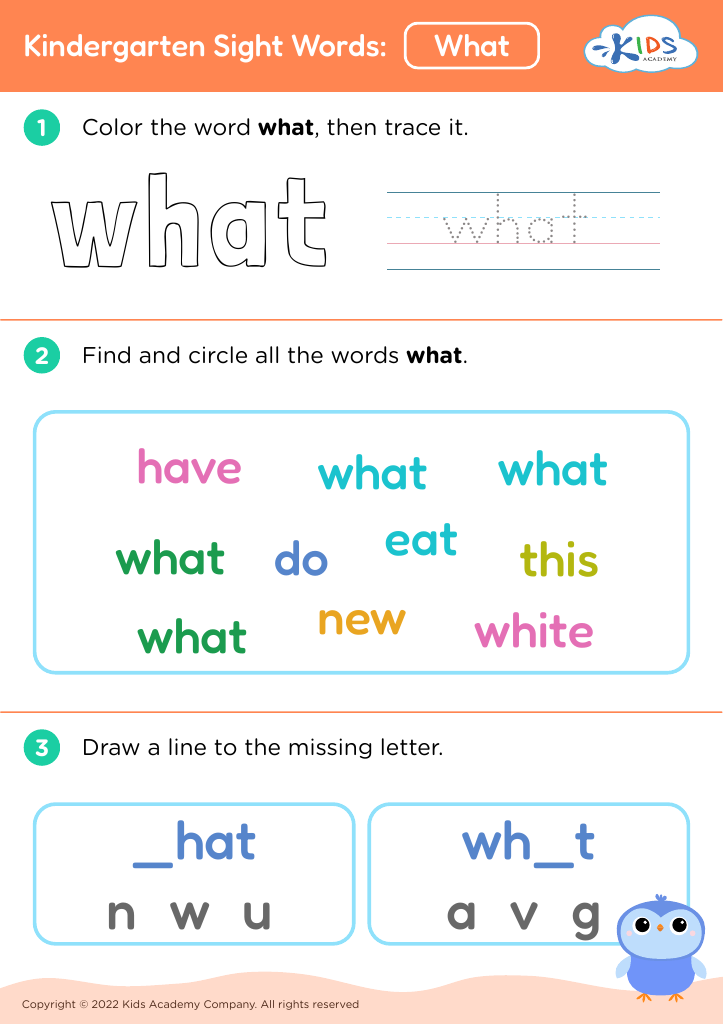
Enhance your child's language skills with our "Understanding Patterns: Building Vocabulary Worksheets" designed specifically for ages 3-5. These engaging worksheets guide young learners through the basics of recognizing patterns in language while expanding their vocabulary. Filled with colorful illustrations and easy-to-follow activities, children will enjoy exploring rhymes, classifications, and sequencing concepts. Our resources foster critical thinking, improve linguistic skills, and lay a strong foundation for early literacy. Perfect for parents and educators, these worksheets make learning both fun and interactive, sparking curiosity and helping little ones become confident wordsmiths. Discover the joy of learning through patterns today!
Favorites
With answer key
Interactive











Join Kids Academy for Free
Who is primarily going to use this learning content?








Understanding patterns and building vocabulary are crucial developmental milestones for children aged 3-5. These skills are foundational for their cognitive and language development, as they significantly enhance problem-solving abilities and critical thinking.
When children recognize and understand patterns—like shapes, colors, or sequences—they develop vital analytical skills. This understanding extends beyond academics, influencing their ability to identify similarities and differences, make predictions, and solve problems in everyday life. Early exposure to patterns fosters logical reasoning and lays the groundwork for more complex mathematical concepts they will encounter later in school.
Simultaneously, building vocabulary is integral to effective communication. A rich vocabulary enables children to express their thoughts, feelings, and ideas more clearly. It improves their listening comprehension, allowing them to follow instructions and engage in discussions. Moreover, vocabulary development nurtures imaginative play, fostering creativity and social interaction as children navigate their social environments.
By focusing on these two aspects—patterns and vocabulary—parents and teachers can set a strong foundation for lifelong learning. Encouraging playful exploration of sounds, words, and structures not only helps with language proficiency but also enhances children’s overall cognitive development, ultimately supporting their future academic success.








