Fine Motor Skills Reading Fiction Worksheets for Ages 3-5
5 filtered results
-
From - To
Enhance your child's fine motor skills while nurturing a love for reading with our engaging Fiction Worksheets designed for ages 3-5. These thoughtfully crafted activities combine storytelling with hands-on learning to develop coordination and dexterity. Each worksheet features a variety of tasks, such as tracing, cutting, or coloring, all centered around captivating tales that will enchant young readers. Ideal for home or classroom settings, these resources encourage creativity and independent thinking. Support your little ones' growth in both literacy and fine motor skills—download our Fine Motor Skills Reading Fiction Worksheets today and watch their imaginations soar!
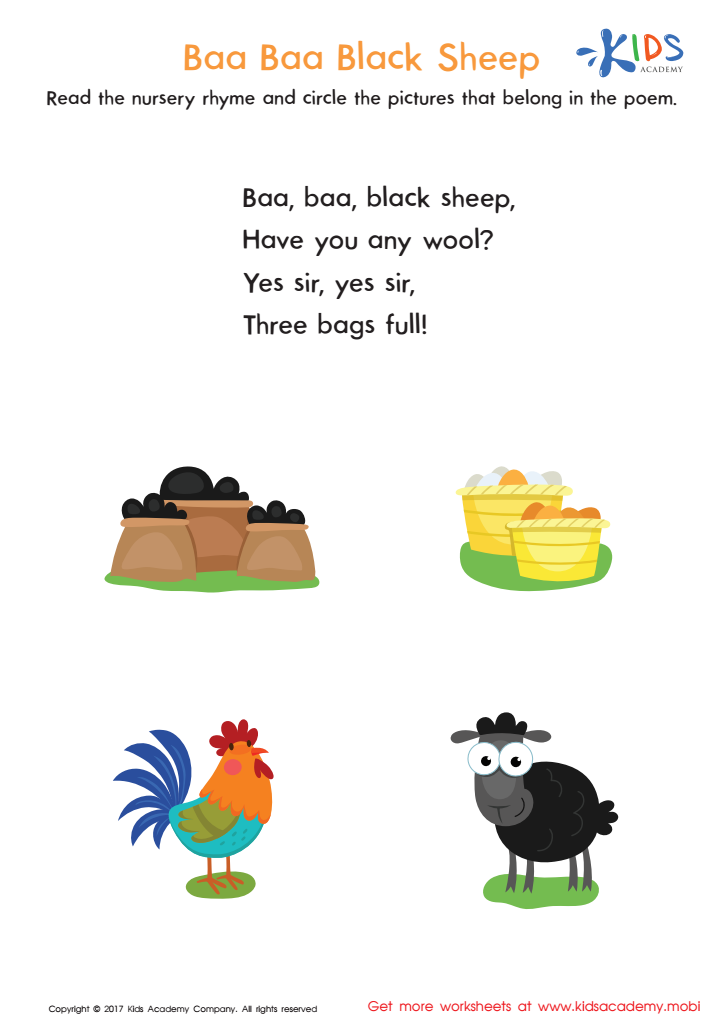
Baa Baa Black Sheep Printable

Twinkle Twinkle Little Star Coloring Page
 Assign to My Students
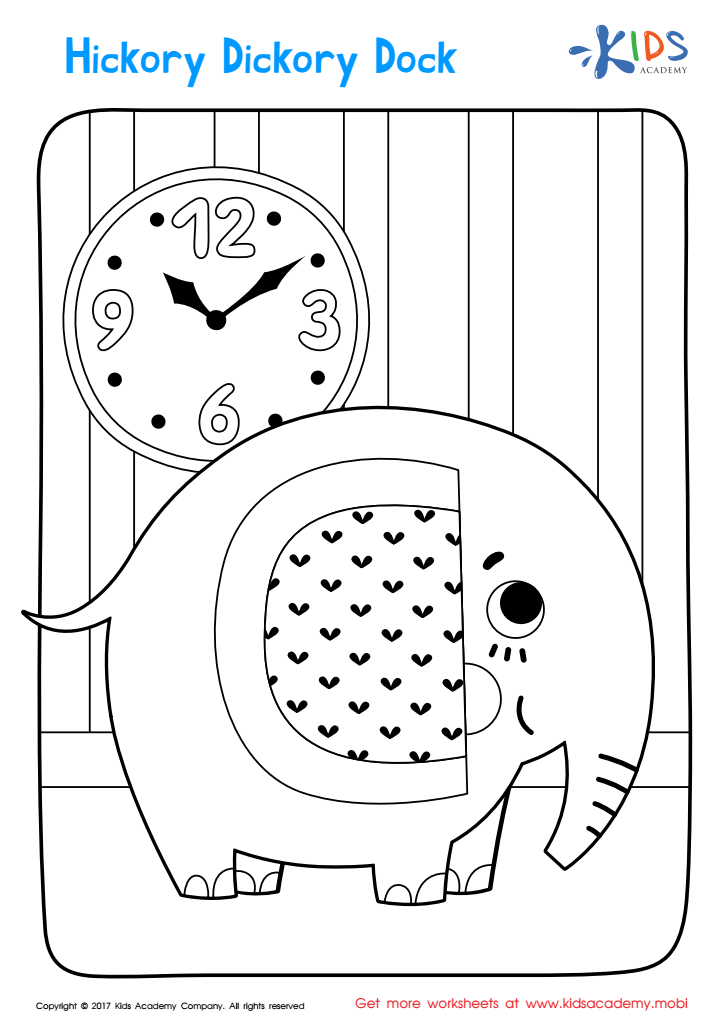
Hickory Dickory Dock Coloring Page
Assign to My Students
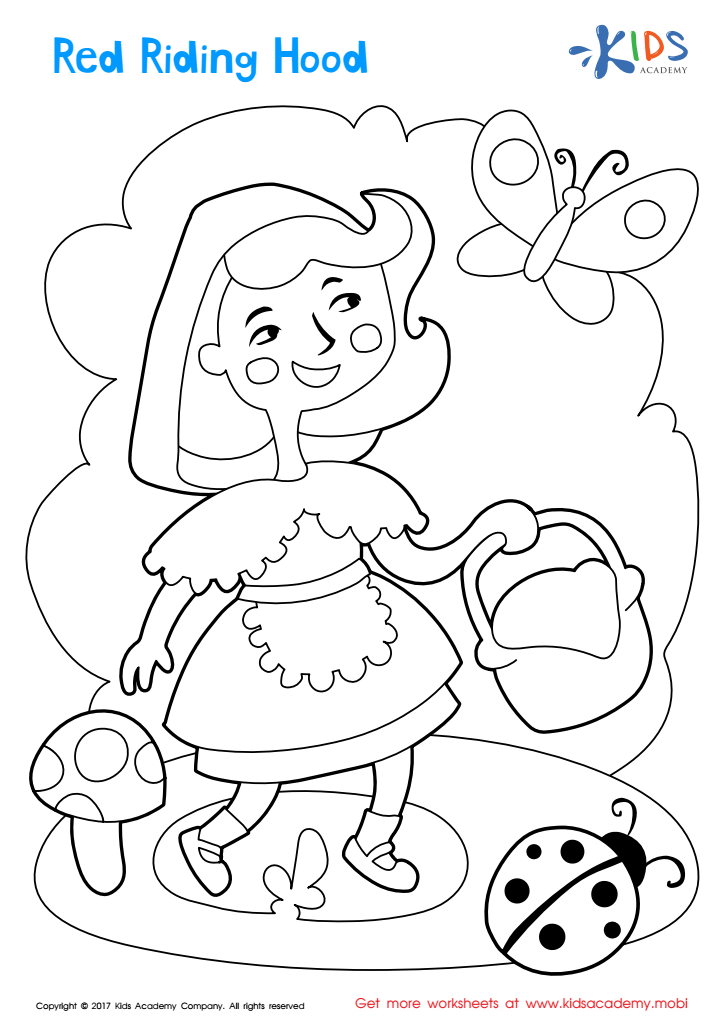
Red Riding Hood Coloring Page
Assign to My Students
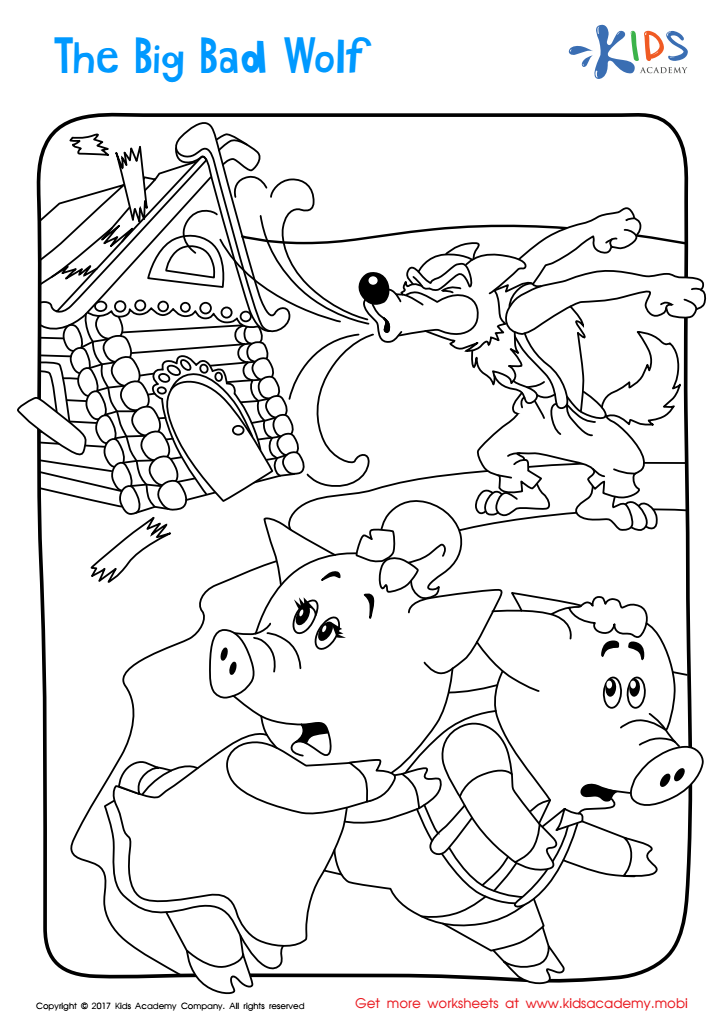
Big Bad Wolf Printable Coloring Page
Assign to My Students






.jpg)
.jpg)
Fine motor skills play a crucial role in early childhood development, particularly in the context of reading fiction for ages 3-5. During these formative years, children engage in activities such as turning pages, grasping crayons, and manipulating story props, which help refine their hand-eye coordination and dexterity. As they physically interact with books, these fine motor activities not only enhance their manipulation skills but also promote cognitive processing and narrative understanding.
Reading fiction provides a rich, imaginative landscape that encourages children to express their thoughts and emotions, fostering creativity and language development. When parents or teachers support fine motor skill activities alongside reading, they create a multidimensional learning experience. Activities like drawing characters, using finger puppets, or engaging in crafts related to stories strengthen these skills while deepening comprehension and retention.
Encouraging fine motor development in tandem with reading fiction lays a strong foundation for future academic success. Improved motor skills facilitate writing readiness, allowing for smoother transitions into structured learning environments. Ultimately, a focus on fine motor skills amidst engaging stories equips children with essential tools for their educational journey, nurturing both their cognitive and physical growth.








