Reading comprehension Reading Non-Fiction Worksheets for Ages 3-5
5 filtered results
-
From - To
Enhance your child's reading skills with our engaging Reading Comprehension Non-Fiction Worksheets designed specifically for ages 3-5. These worksheets introduce young learners to essential non-fiction concepts, fostering curiosity and comprehension through fun, age-appropriate activities. Each worksheet features colorful illustrations and thought-provoking questions that promote critical thinking and discussion, ensuring a captivating learning experience. Perfect for preschool educators and parents alike, these resources help build a solid foundation in reading comprehension, preparing kids for future educational success. Explore our variety of themes and topics to ignite your child’s love for learning while developing essential literacy skills!
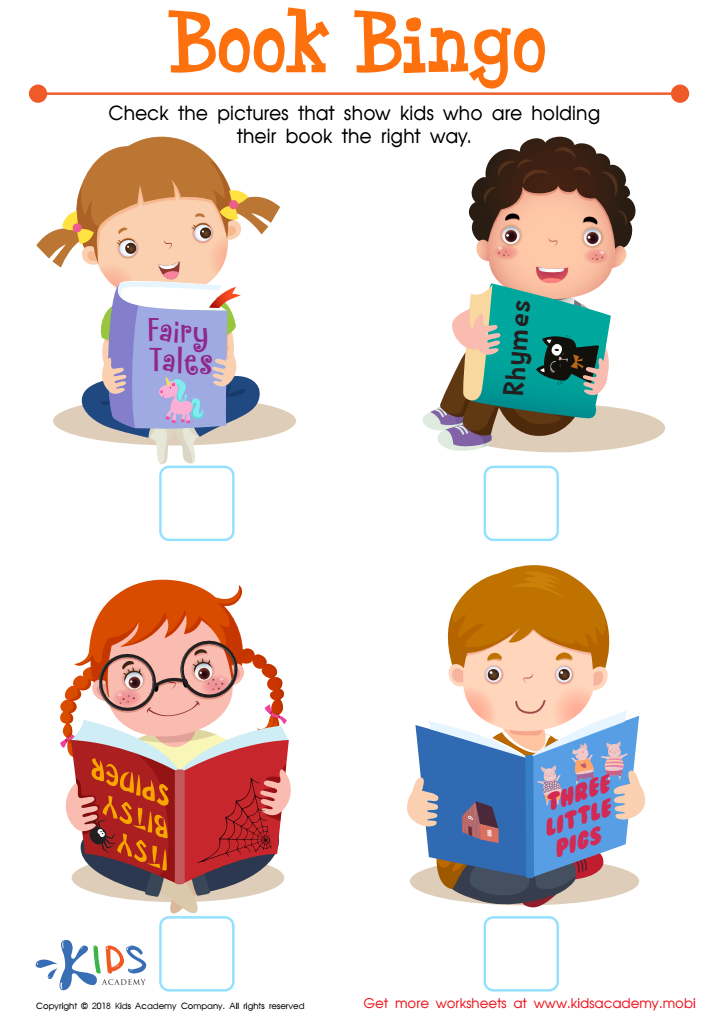
Book Bingo Worksheet
 Assign to My Students
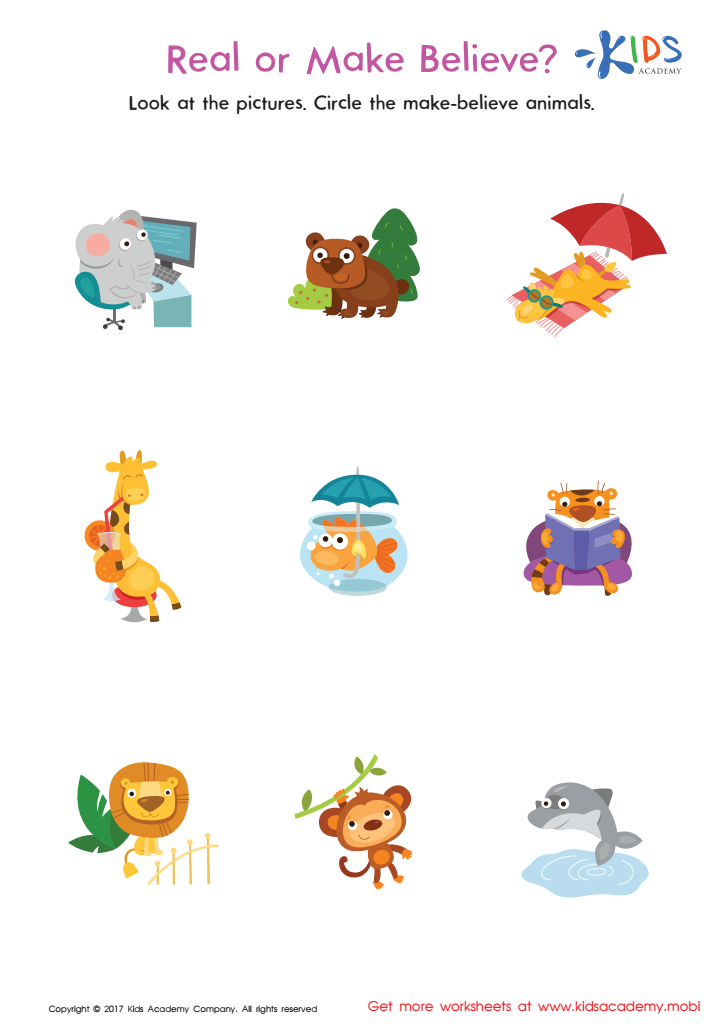
Fact or Make Believe Worksheet
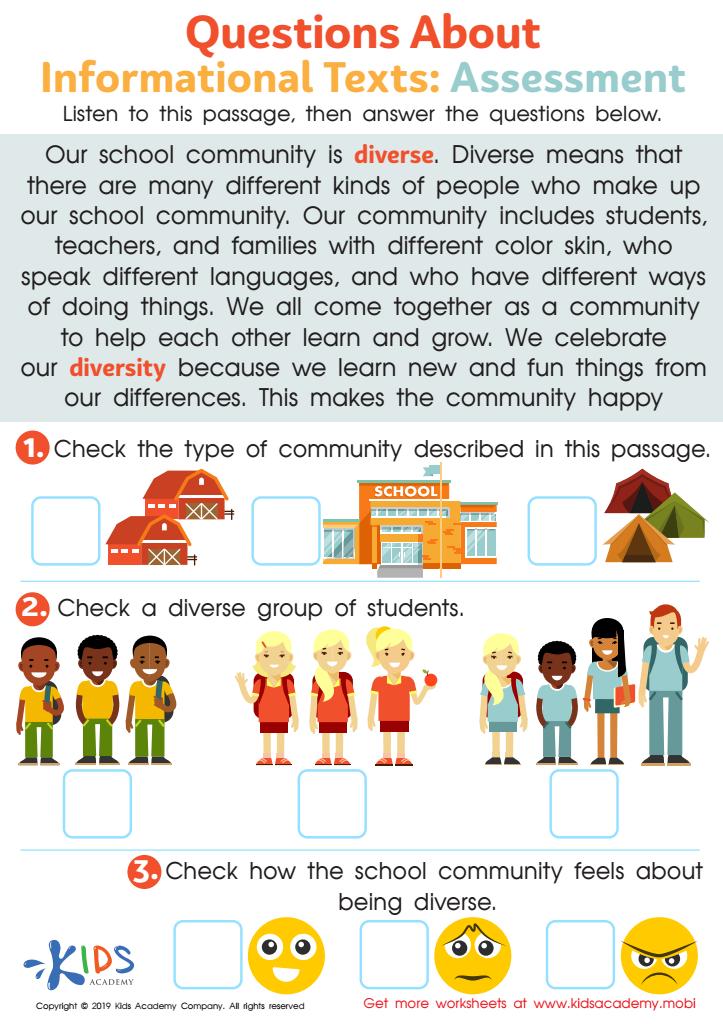
Questions About Informational Texts: Assessment 1 Worksheet
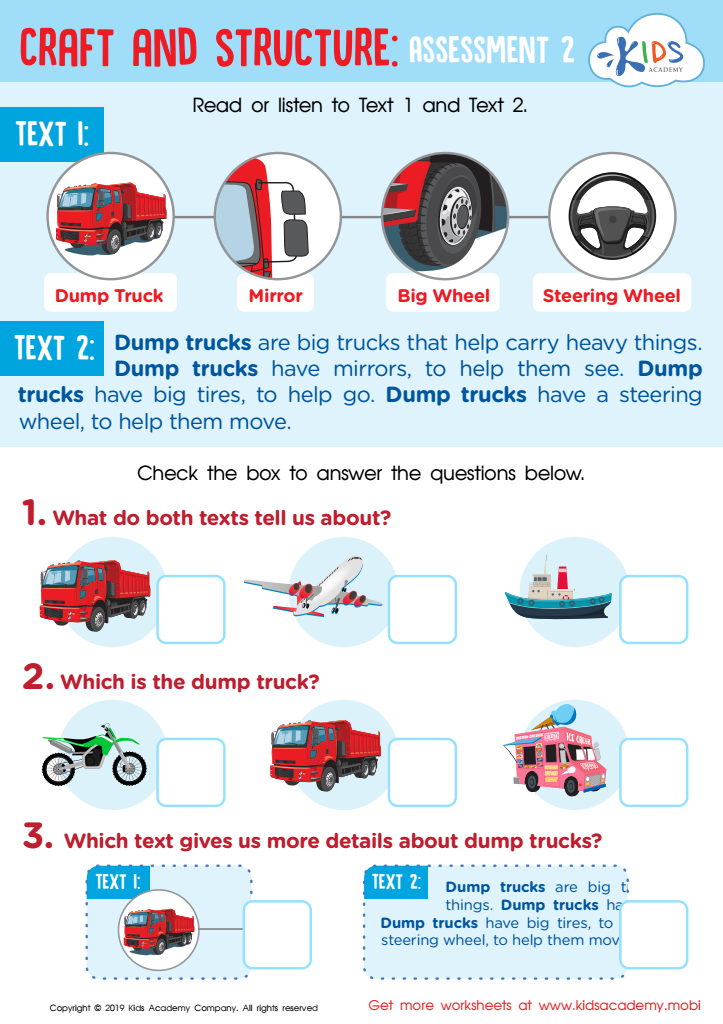
Craft and Structure: Assessment 2 Worksheet
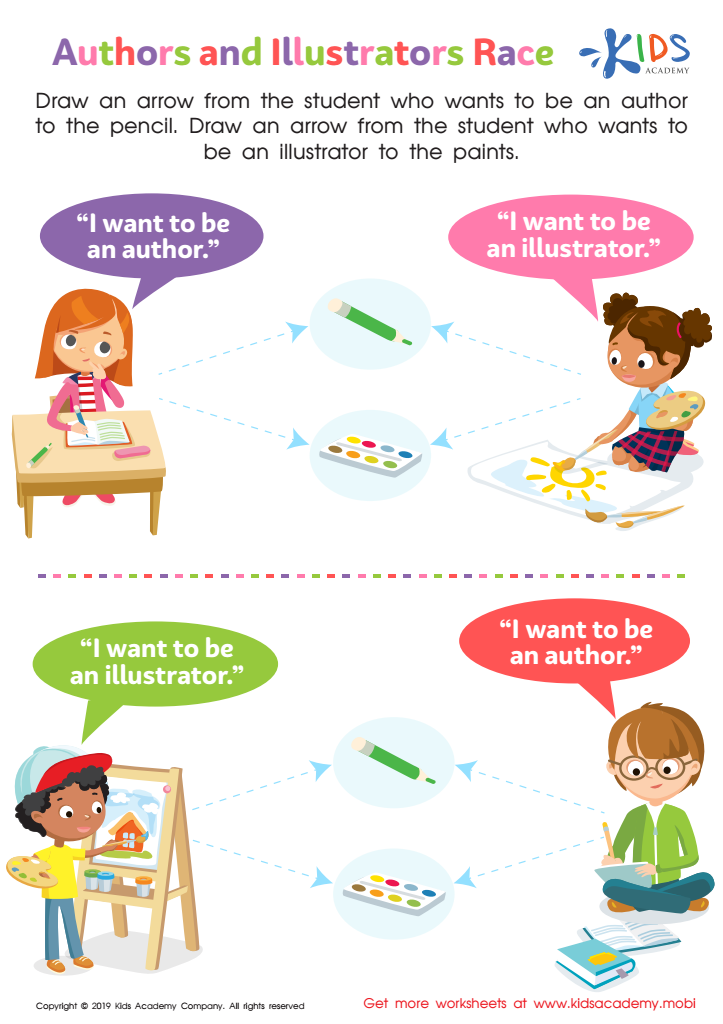
Authors and Illustrators Race Worksheet








Reading comprehension, especially of non-fiction, is vital for children aged 3-5 as it lays the foundation for lifelong learning. At this age, children are naturally curious, and non-fiction texts can engage their curiosity about the world, leading to a deeper understanding of their environment, nature, and everyday life.
When parents and teachers emphasize reading non-fiction, they introduce young learners to factual content that enhances vocabulary, critical thinking skills, and background knowledge. By understanding the structure and purpose of non-fiction, children learn to differentiate between facts and opinions, promoting analytical skills that are crucial in today’s information-rich society.
Additionally, non-fiction reading also supports language development. Children learn new words and concepts, improving their ability to express themselves. This practice can boost their confidence and interest in literacy, fostering a general love for reading that extends beyond the classroom.
Lastly, reading non-fiction together offers parents and teachers an opportunity to engage with children, facilitating meaningful conversations and stimulating cognitive development. Through shared reading experiences, adults can guide comprehension and help children connect new information with prior knowledge. This nurturing approach not only enhances comprehension but also strengthens the parent-child or teacher-child bond.








