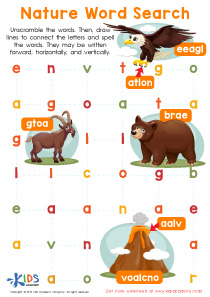
Comparing Fractions Sight Words Worksheets for Ages 3-5
12 filtered results
-
From - To
Welcome to our "Comparing Fractions Sight Words Worksheets" page designed for children ages 3-5! These engaging worksheets aim to help young learners familiarize themselves with sight words while exploring the concept of comparing fractions. Through fun activities and colorful visuals, kids will enhance their literacy skills alongside early math understanding. Perfect for parents and educators, these resources spark curiosity and encourage critical thinking in a playful manner. Make learning about fractions enjoyable with our thoughtfully crafted materials that support developmental milestones. Download these worksheets today to foster a solid foundation in both reading and mathematical concepts for your little ones!
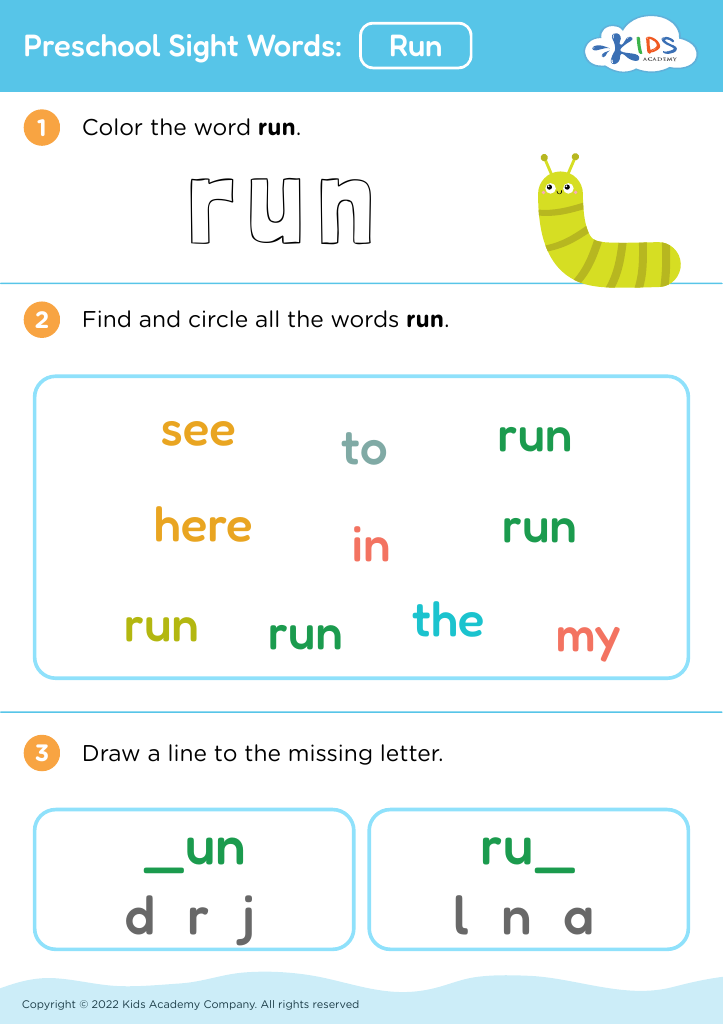



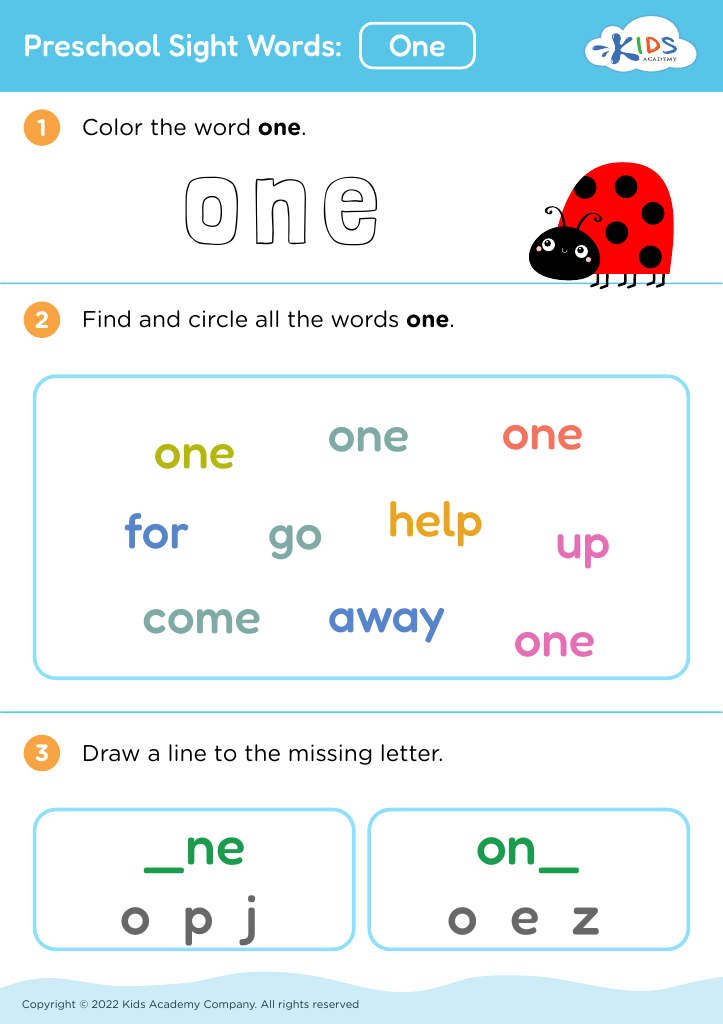
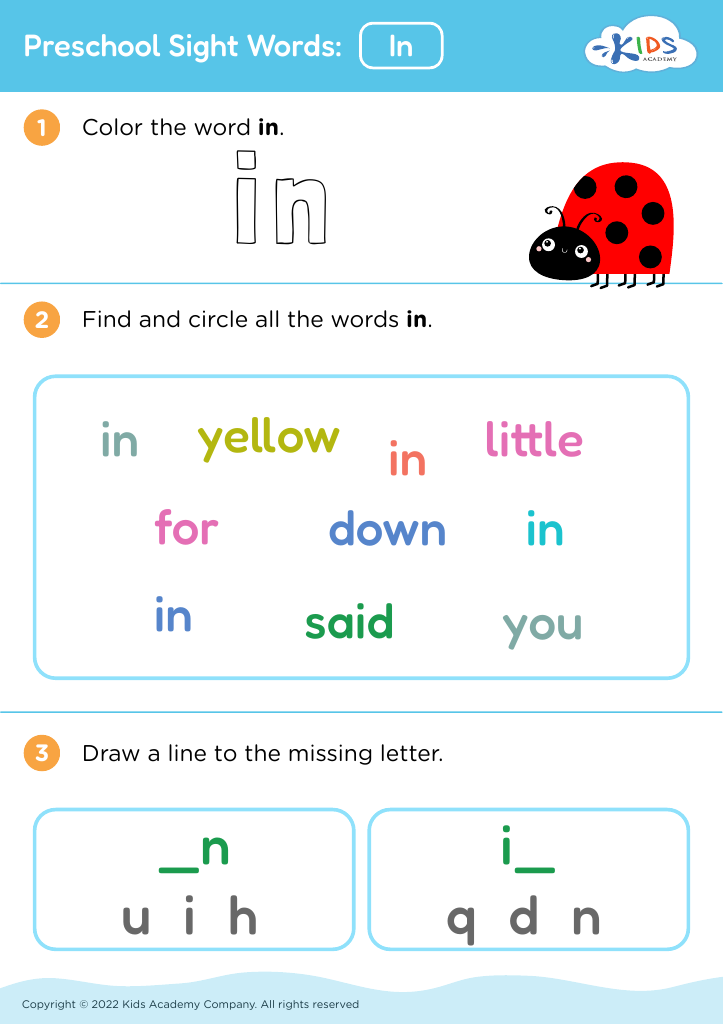
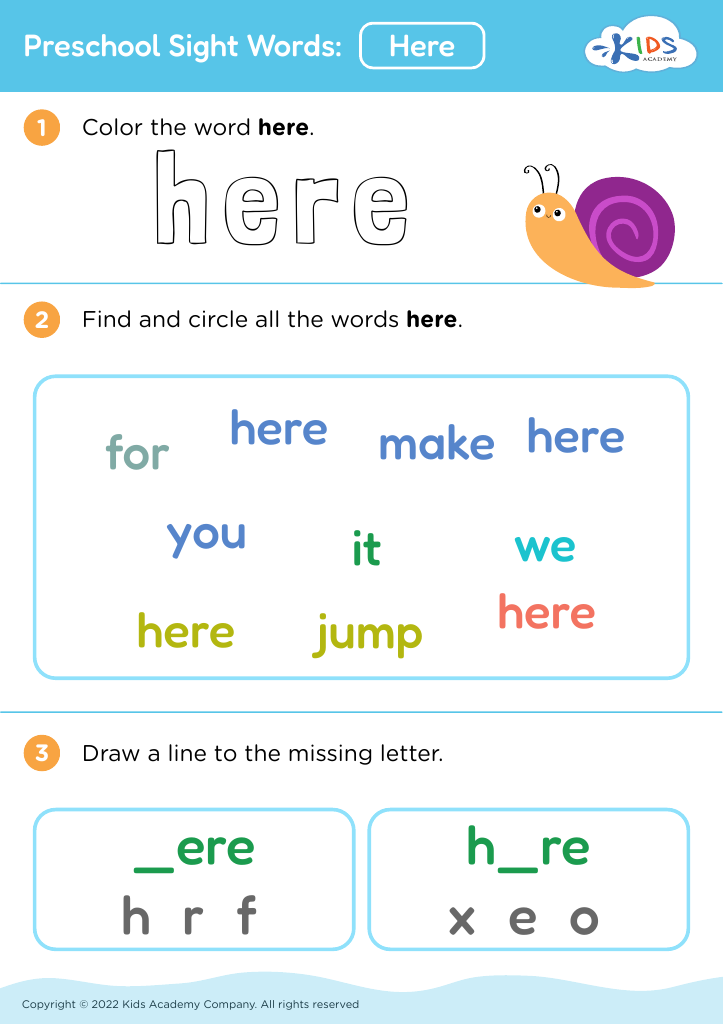
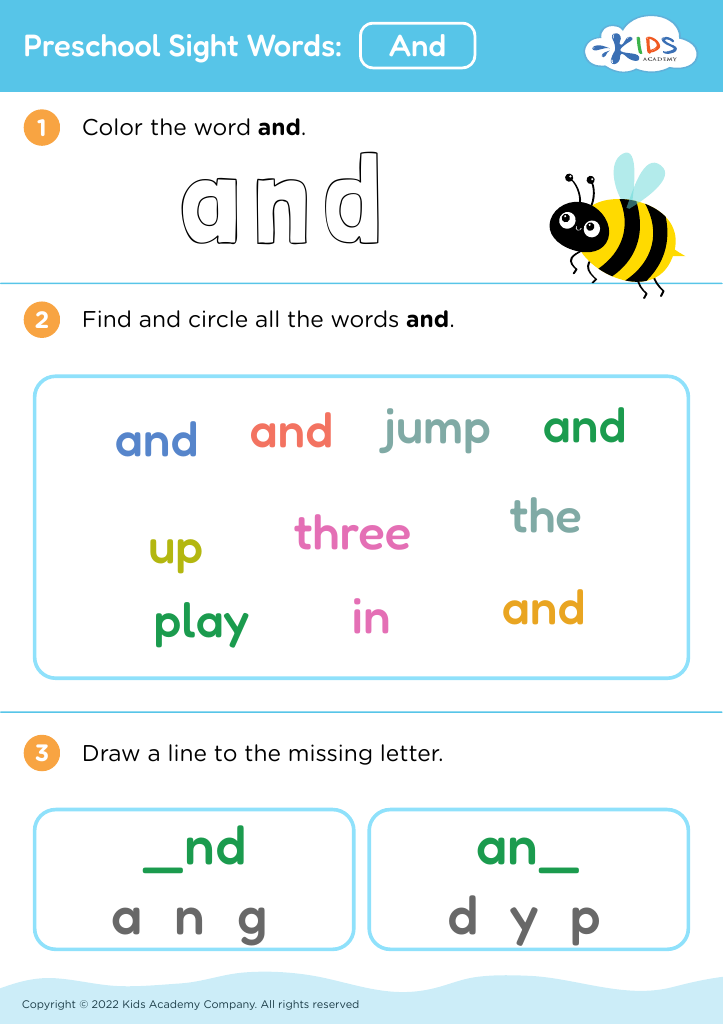
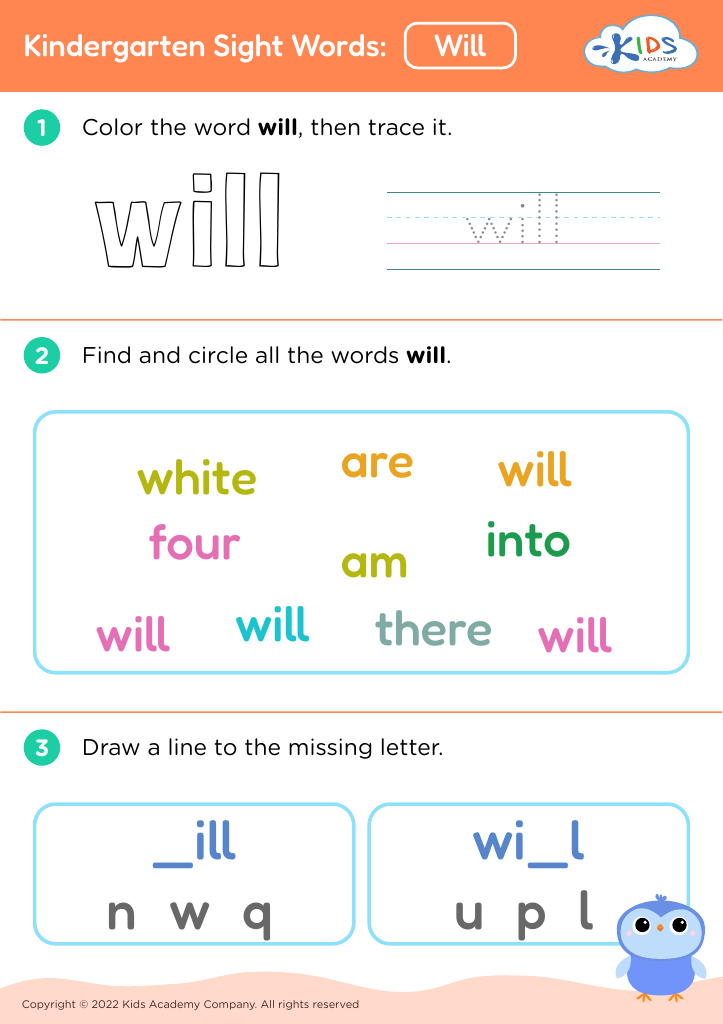
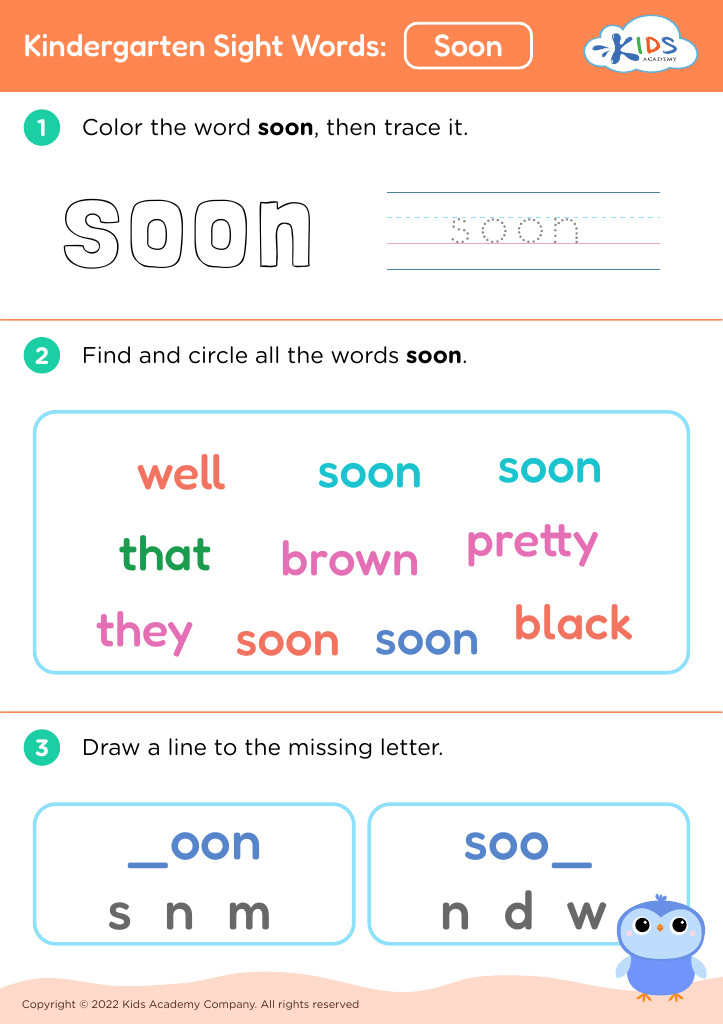
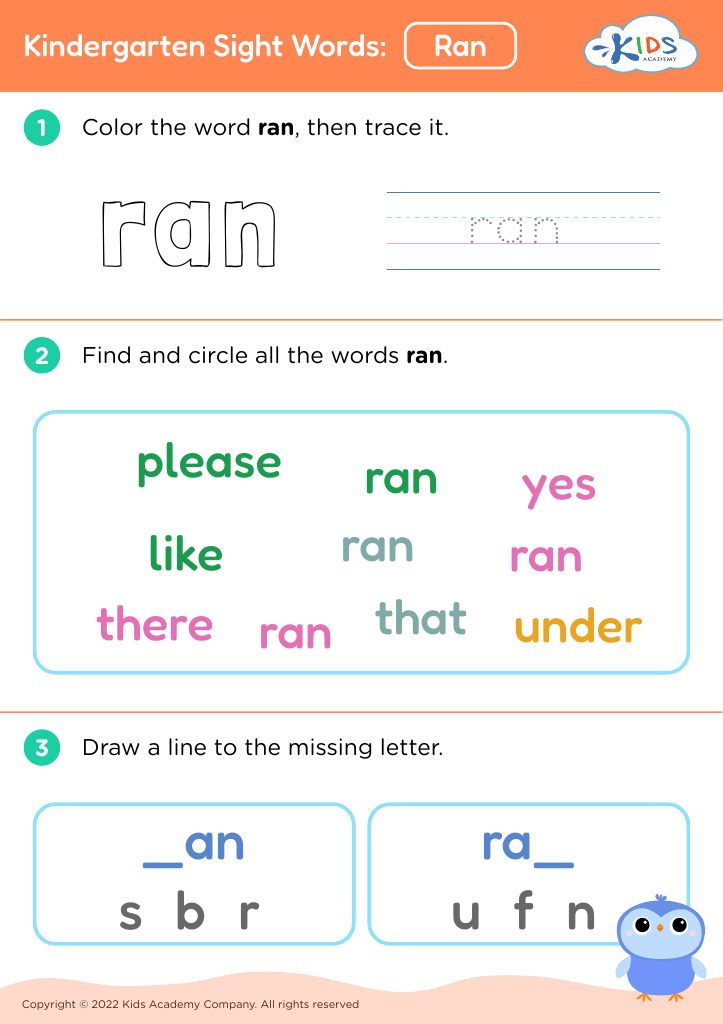
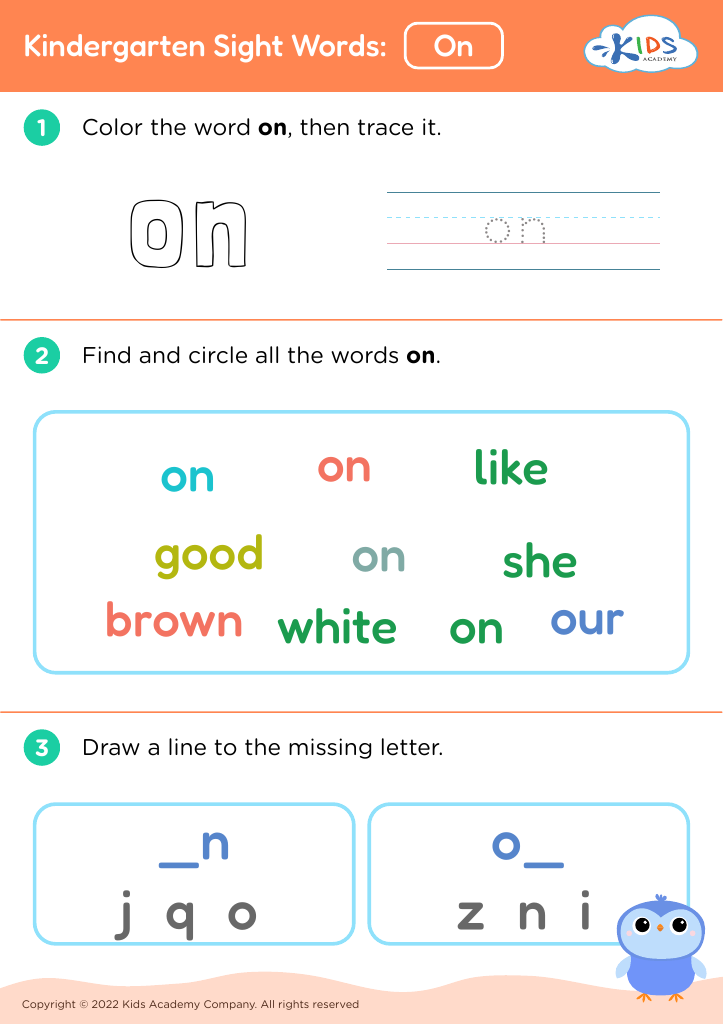
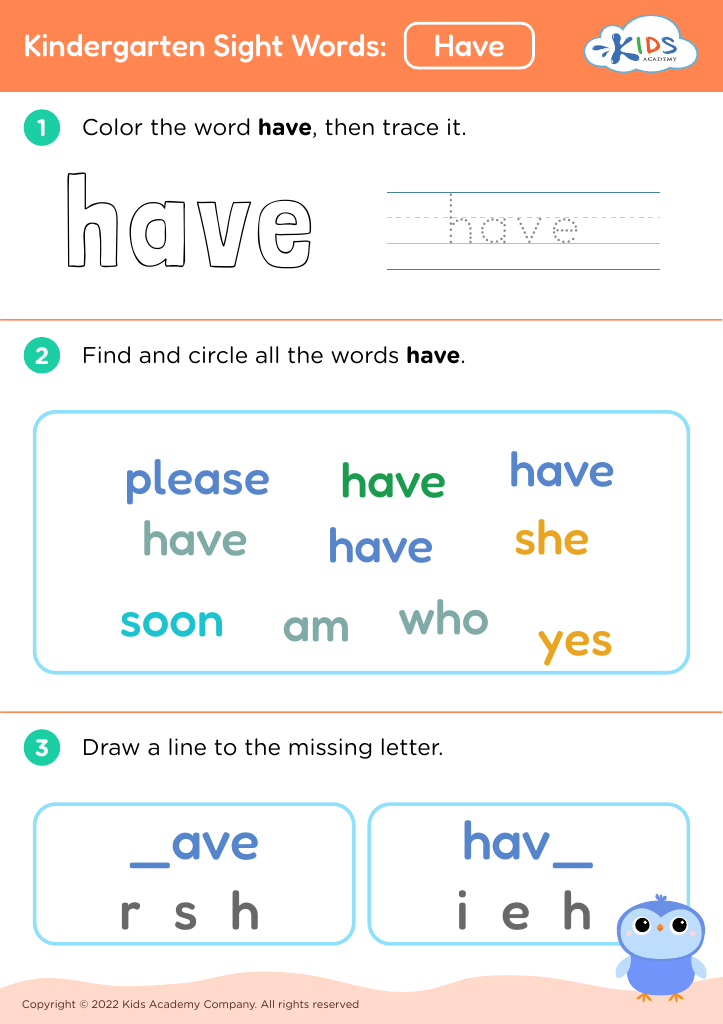
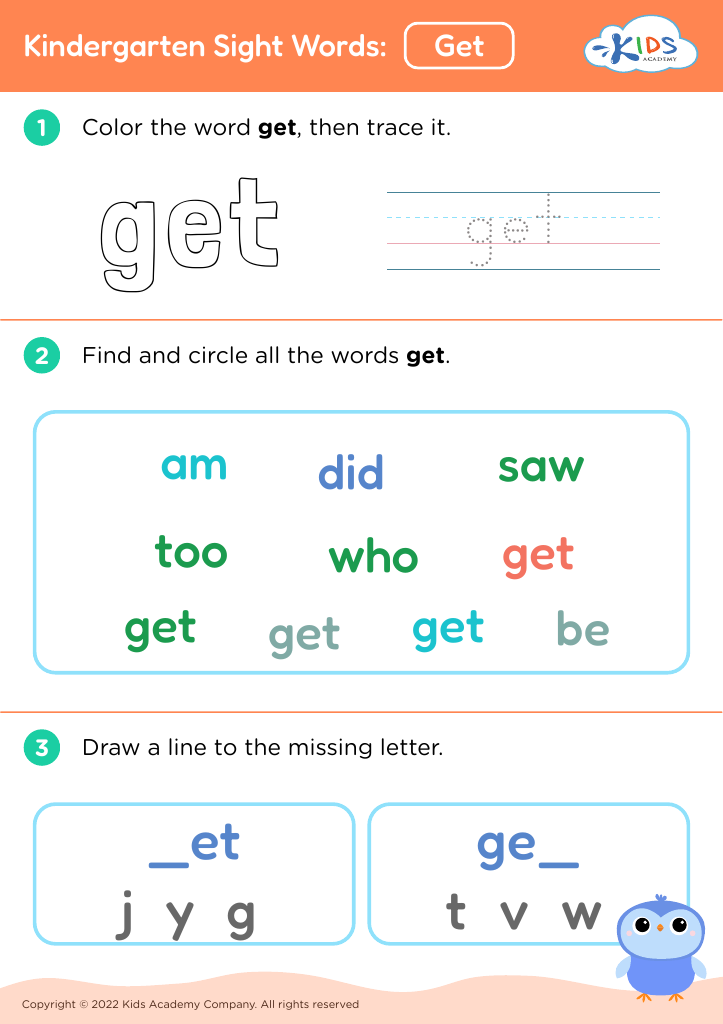
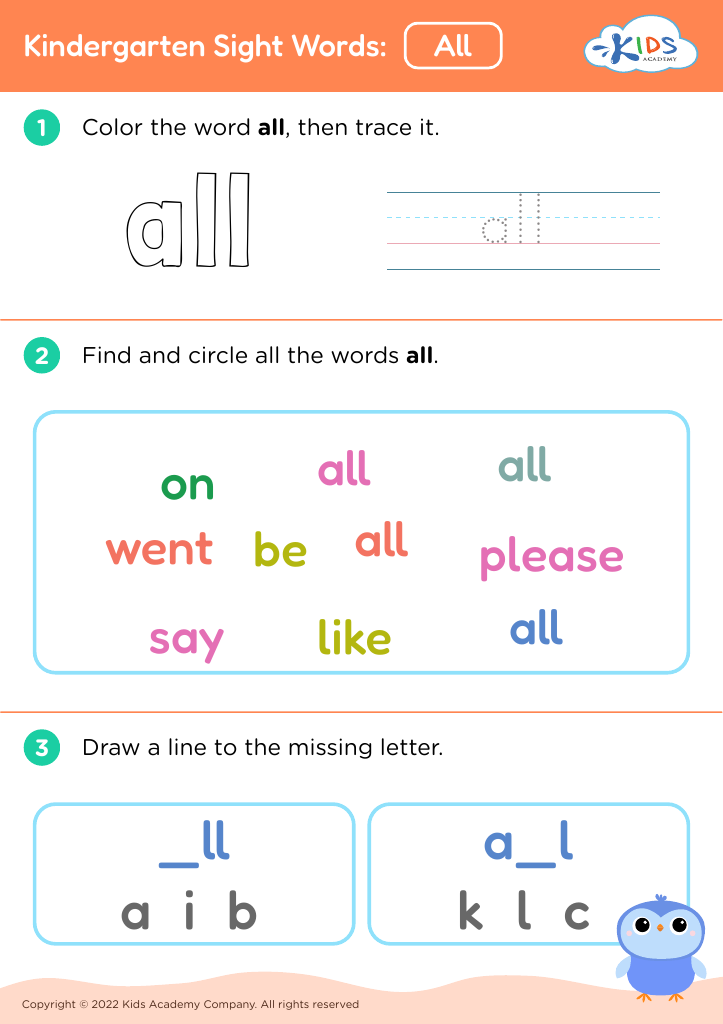






Understanding comparing fractions is an important skill that lays the groundwork for more advanced mathematical concepts later on. For young learners aged 3-5, introducing comparing fractions through sight words is crucial for several reasons. First, it cultivates early numeracy skills by helping children recognize and understand basic fractional concepts, laying a foundation for addition, subtraction, and simple recipes in the future.
Incorporating sight words related to fractions—like "half," "whole," and "more"—allows young children to build vocabulary and comprehension in mathematics, enhancing their cognitive development. As they encounter these words regularly, they gain confidence in their ability to discuss mathematical ideas, promoting a positive attitude towards math.
Moreover, comparing fractions encourages problem-solving and critical thinking as children learn to identify and articulate differences in quantities. Teachers can introduce engaging activities, like visual aids and hands-on play, to make learning fun and interactive.
Ultimately, teaching comparing fractions using sight words provides a holistic approach to math education, supporting literacy and numeracy simultaneously. By recognizing its importance, parents and teachers can ensure children develop essential skills that will benefit them throughout their educational journey and beyond.