Fine Motor Skills Sight Words Worksheets for Ages 3-5
4 filtered results
Difficulty Level
Grade
Age
-
From - To
Subject
Activity
Standards
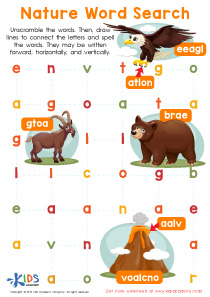
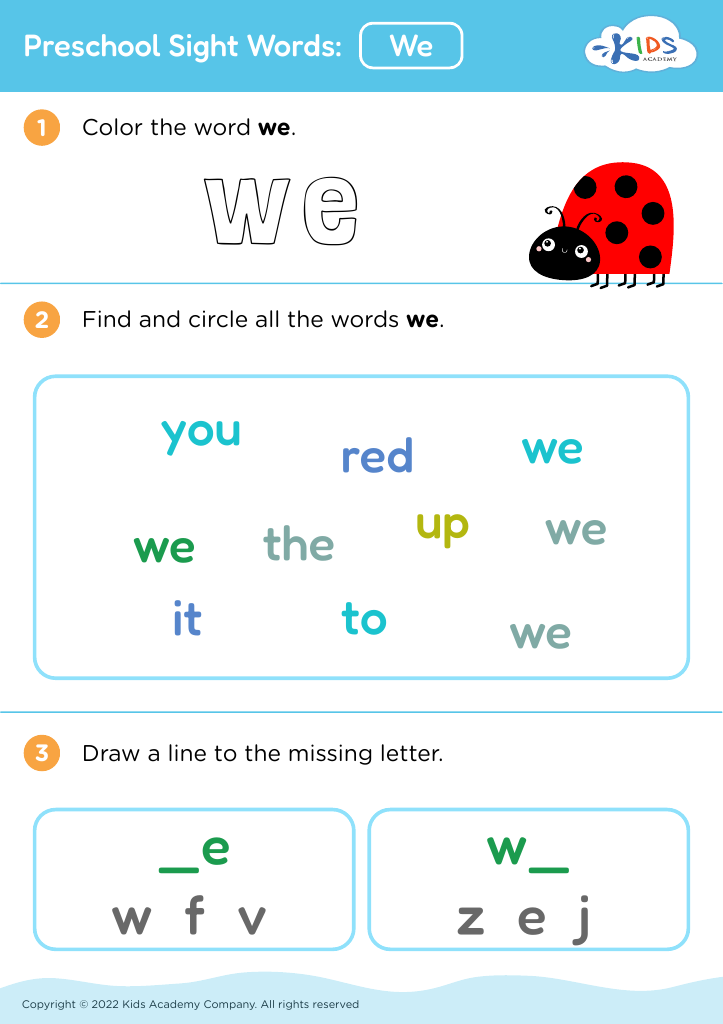
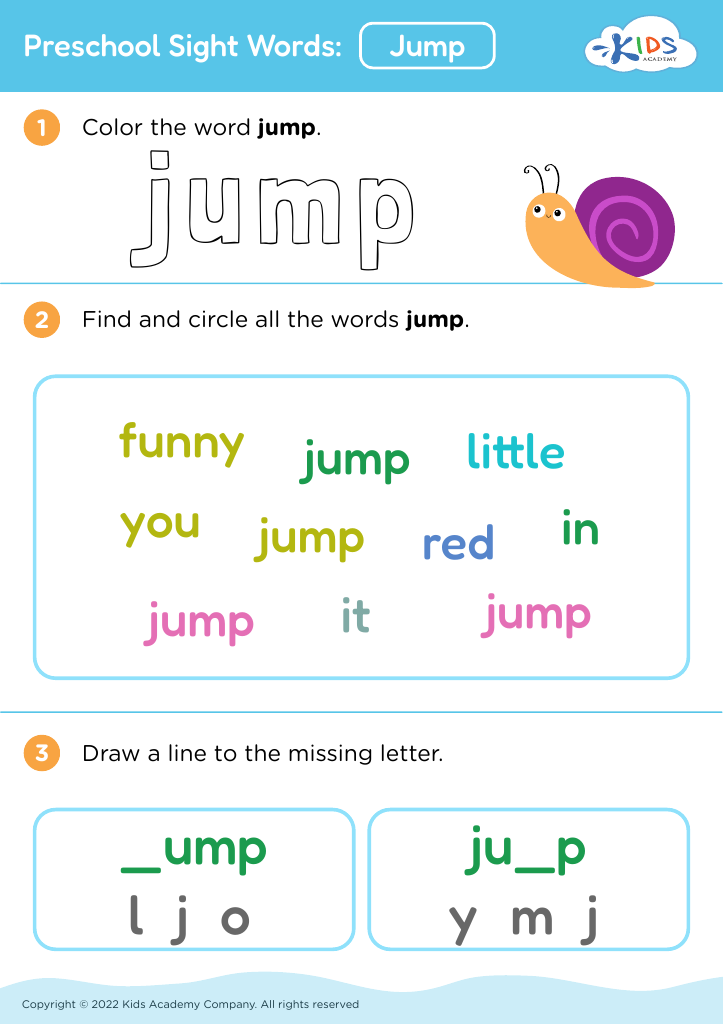
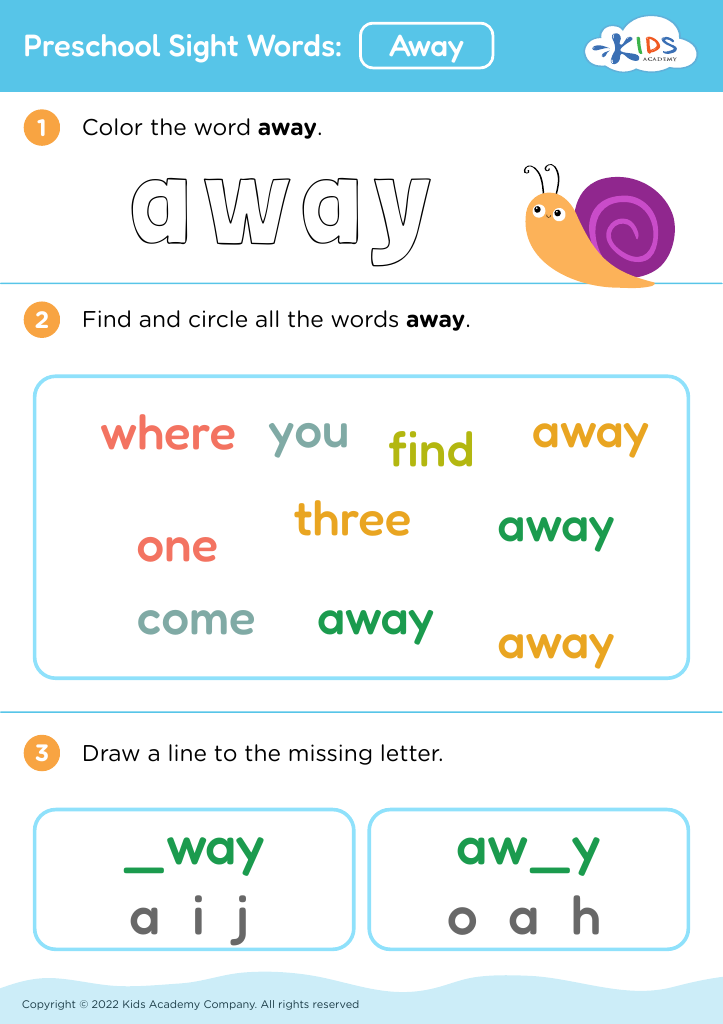
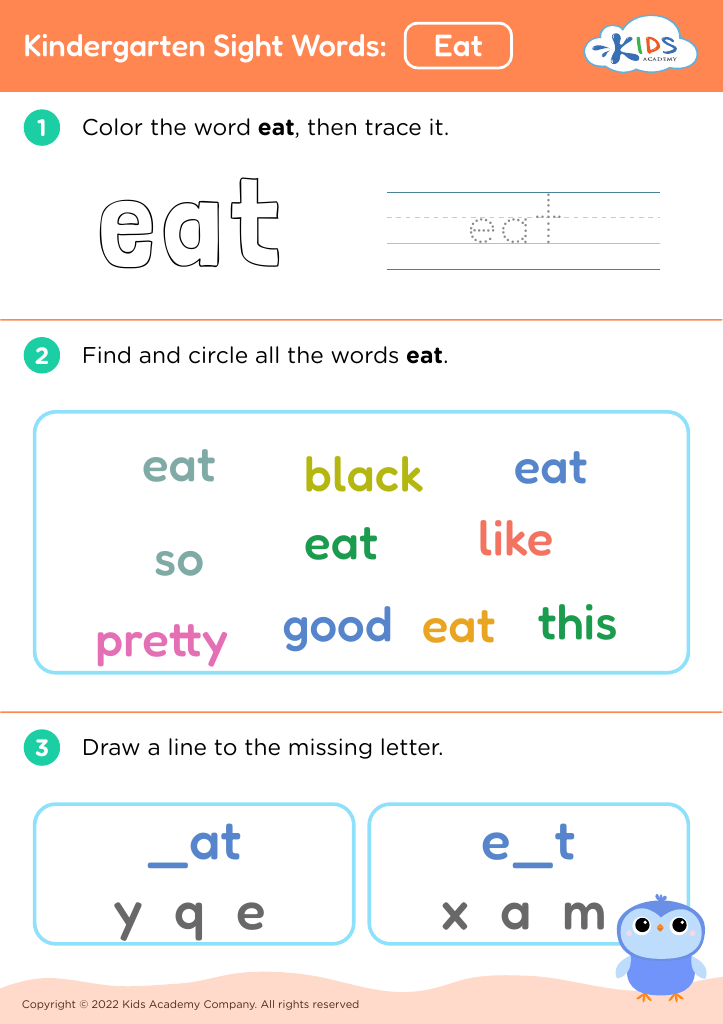
Enhance your child's fine motor skills and sight word recognition with our engaging worksheets designed for ages 3-5! These printable activities combine fun and learning, encouraging young learners to practice writing essential sight words while developing their hand-eye coordination, pencil grasp, and dexterity. Tailored for preschool and kindergarten students, our worksheets feature vibrant illustrations and interactive exercises that capture attention and promote early literacy. Perfect for at-home learning or classroom activities, these resources will equip your little ones with the foundational skills needed for reading success. Download now and watch your child's confidence grow as they master sight words through creative play!
Favorites
With answer key
Interactive






Join Kids Academy for Free
Who is primarily going to use this learning content?








Fine motor skills play a crucial role in a child's overall development, especially between the ages of 3-5. These skills involve the coordination of small muscle movements, which are essential for tasks such as writing, buttoning clothes, and using utensils. Encouraging the development of fine motor skills helps children gain independence and builds their confidence in everyday activities.
Alongside fine motor skills, sight words are fundamental for early literacy. Sight words are common words that children learn to recognize on sight, which helps them build reading fluency and comprehension. Mastering these words at a young age lays a solid foundation for more complex reading and writing tasks in the future.
When parents and teachers actively engage children in activities that promote fine motor skills and sight word recognition—such as tracing letters, playing with playdough, and using flashcards—they're setting the stage for academic success. These activities also provide opportunities for bonding and enjoyable learning experiences.
In summary, focusing on fine motor skills and sight words during these formative years promotes independence, literacy development, and the joy of learning. Investing time in these areas is a powerful way for adults to support children's growth and future educational success.