Fraction comparison Sight Words Worksheets for Ages 3-5
7 filtered results
-
From - To
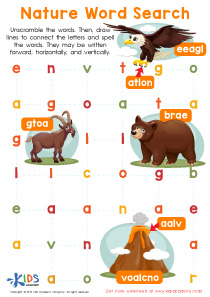
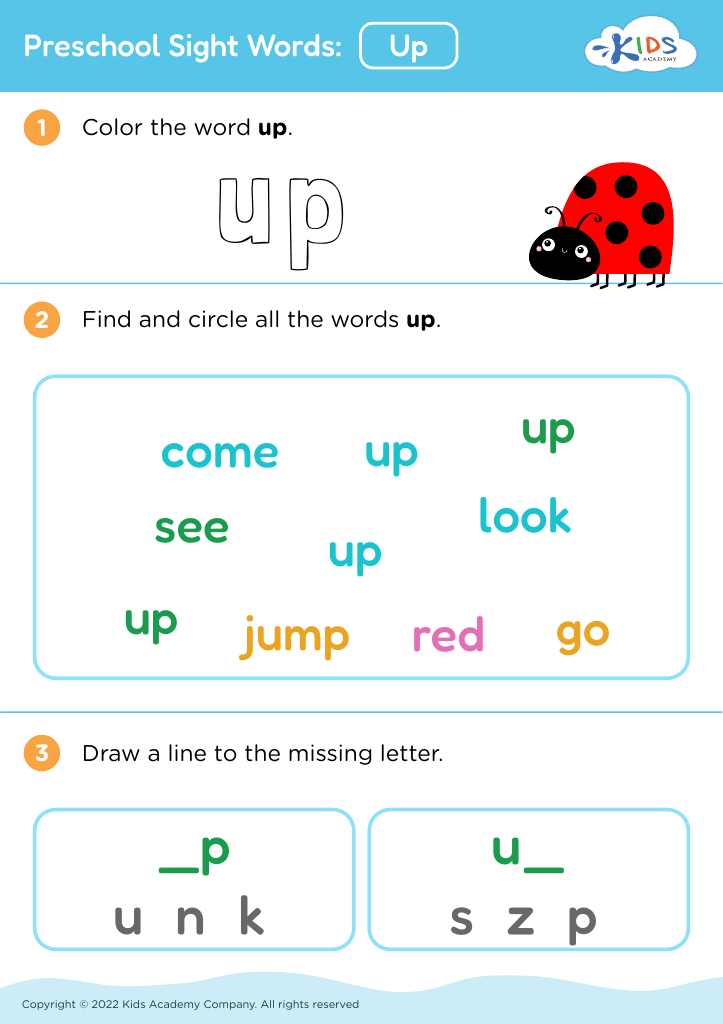
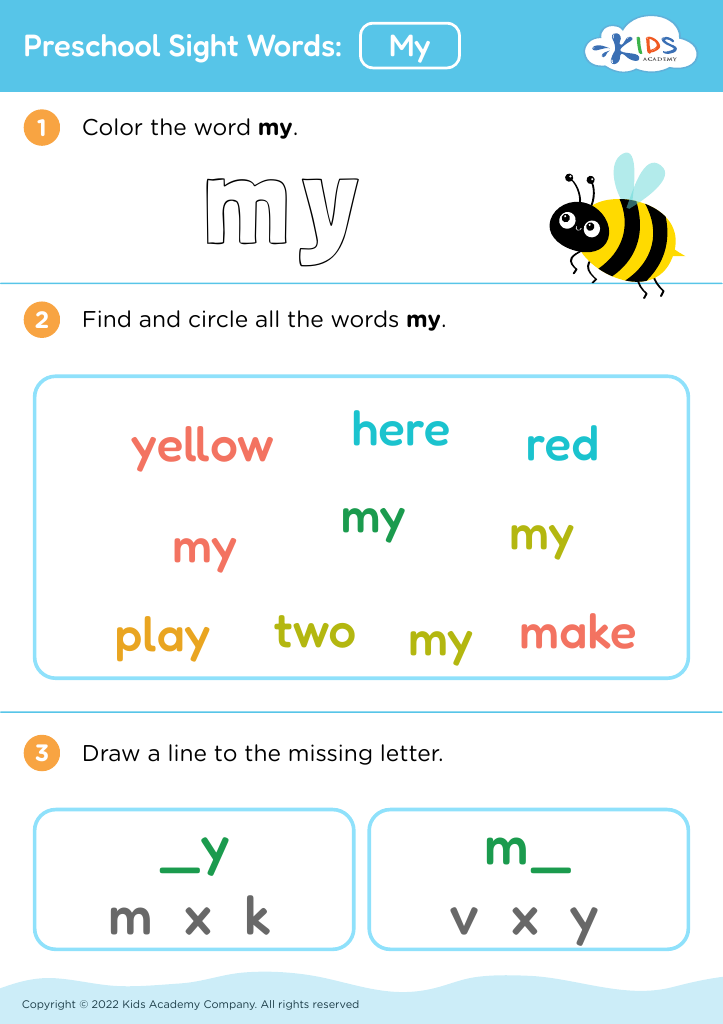
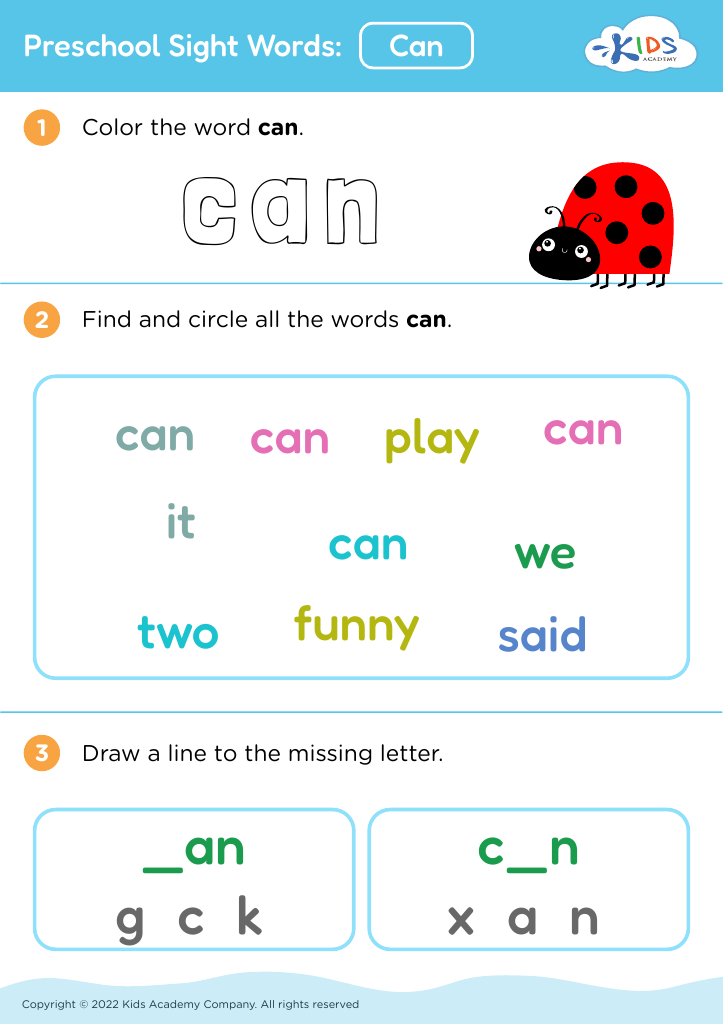
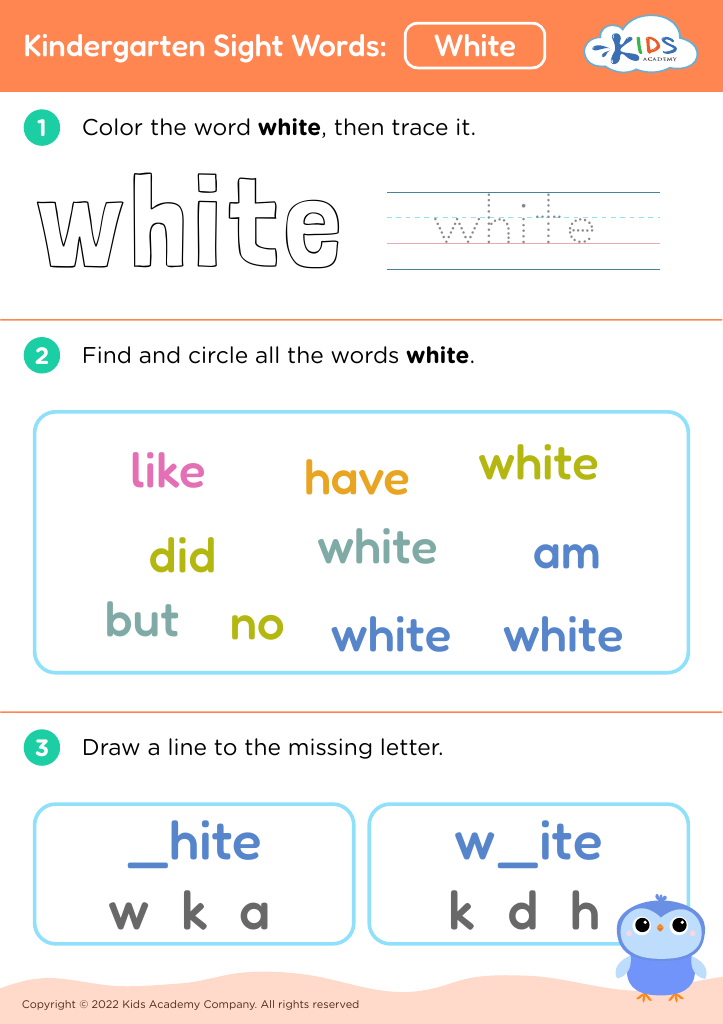
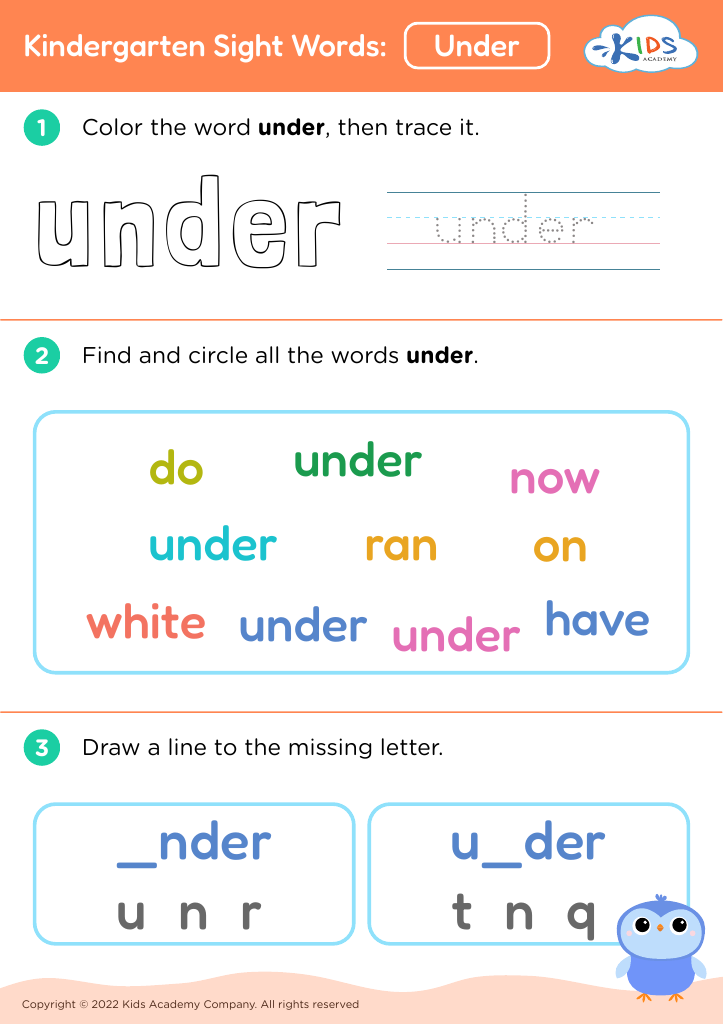
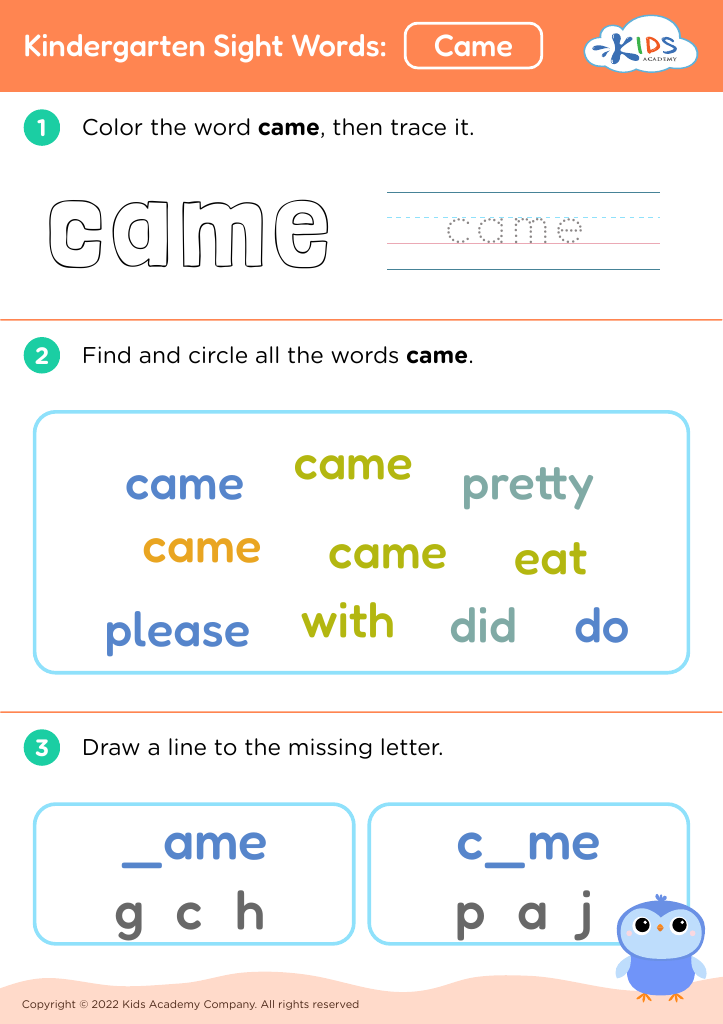
Introducing our Fraction Comparison Sight Words Worksheets designed for ages 3-5! These engaging, educational worksheets help young learners develop essential reading and math skills. By combining sight words with fraction comparison activities, children enhance their vocabulary while grasping fundamental math concepts. Each worksheet features bright, fun illustrations that capture attention and make learning enjoyable. Perfect for preschoolers and kindergarteners, these printable resources are ideal for both classroom and home use. Encourage your little ones to build a strong foundation in reading and math with our expertly crafted activities. Download now from Kids Academy and watch your child's skills flourish!








.jpg)



Parents and teachers play a pivotal role in early childhood education, and understanding the importance of introducing fraction comparison and sight words for ages 3-5 is crucial. At this tender age, children's brains are particularly receptive to learning fundamental concepts if presented engagingly.
Starting with fraction comparison, this concept introduces young learners to the basics of division and proportions, helping to develop early mathematical reasoning. By understanding fractions, children learn to see numbers as parts of a whole, which lays the groundwork for future math topics like addition, subtraction, and geometry. Practical activities, such as cutting fruits into halves or quarters, make learning relatable and tangible.
Meanwhile, sight words—commonly used words that young children are encouraged to recognize instantly—are critical for developing reading fluency. Sight words often do not follow standard phonetic patterns, making them tricky for young readers to decipher through phonics alone. Mastery of these words significantly enhances reading speed and comprehension, fostering confidence in early reading.
By combining fraction comparison with sight recognition, we equip children with the tools for both numerical literacy and language proficiency. These foundational skills not only stimulate cognitive development but also set the stage for future academic success. Therefore, integrating such activities into the learning regimen is essential to support children’s holistic growth.