Fraction simplification Sight Words Worksheets for Ages 3-5
5 filtered results
-
From - To
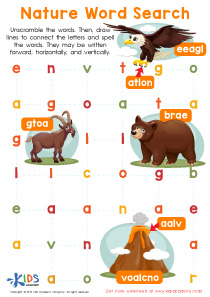
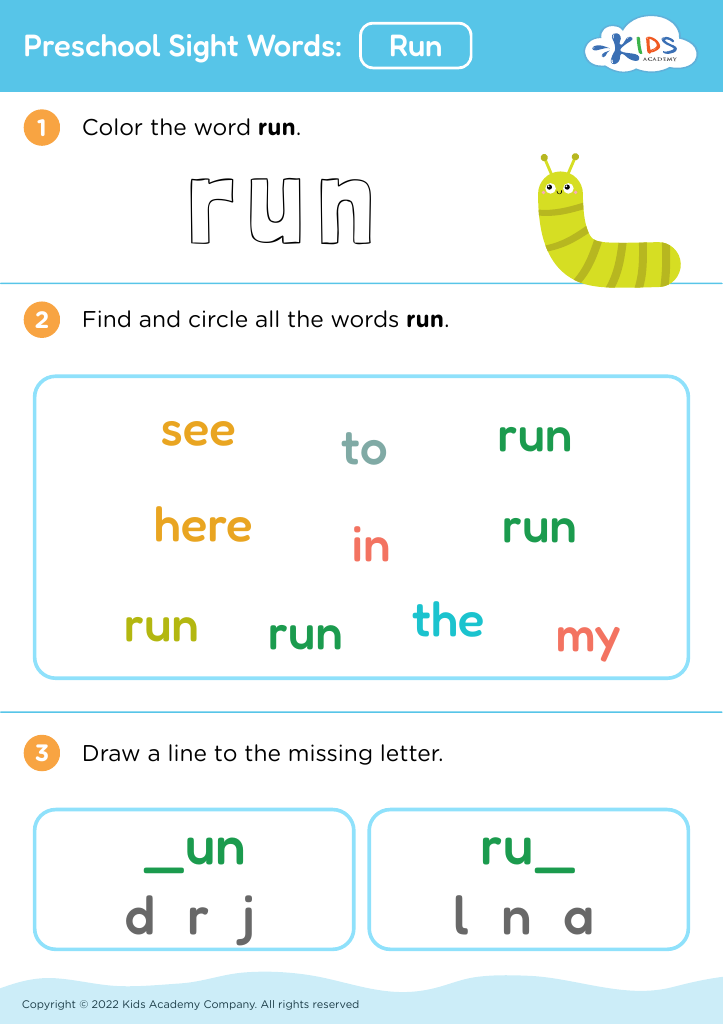
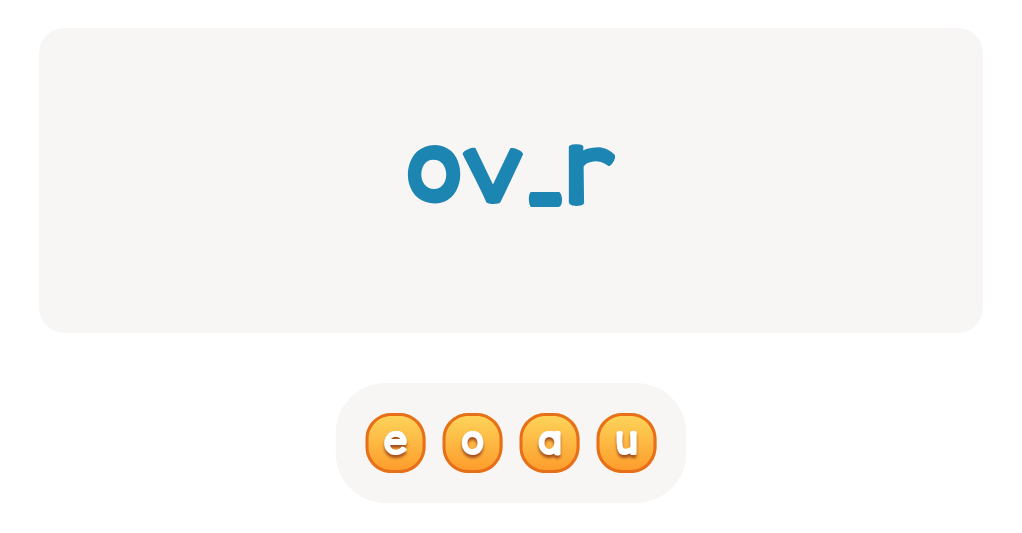
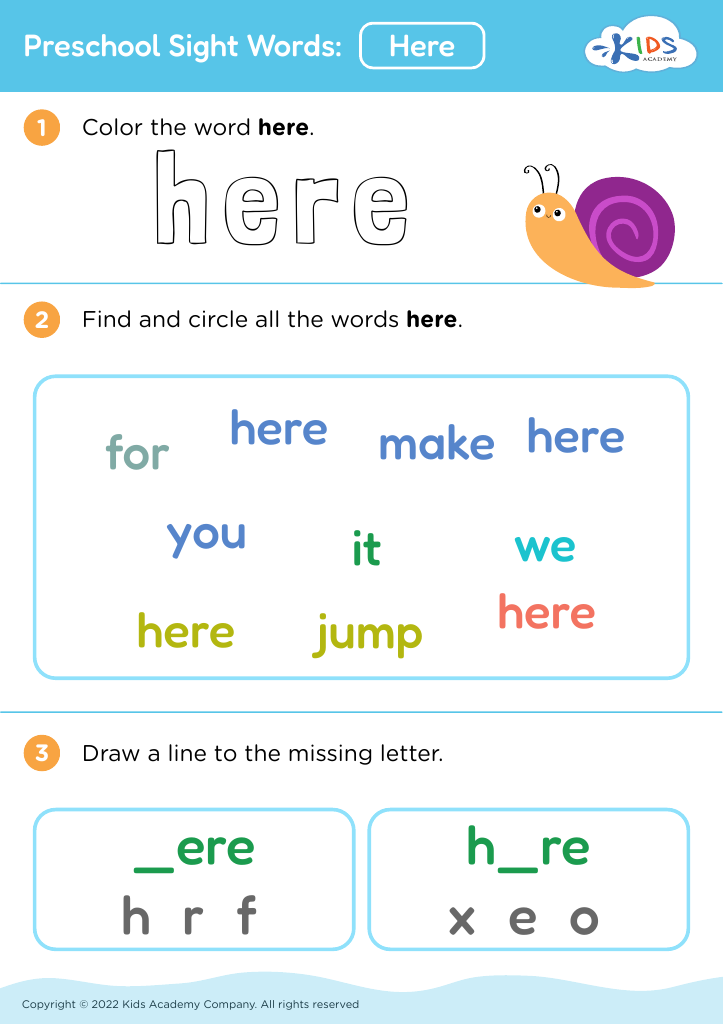
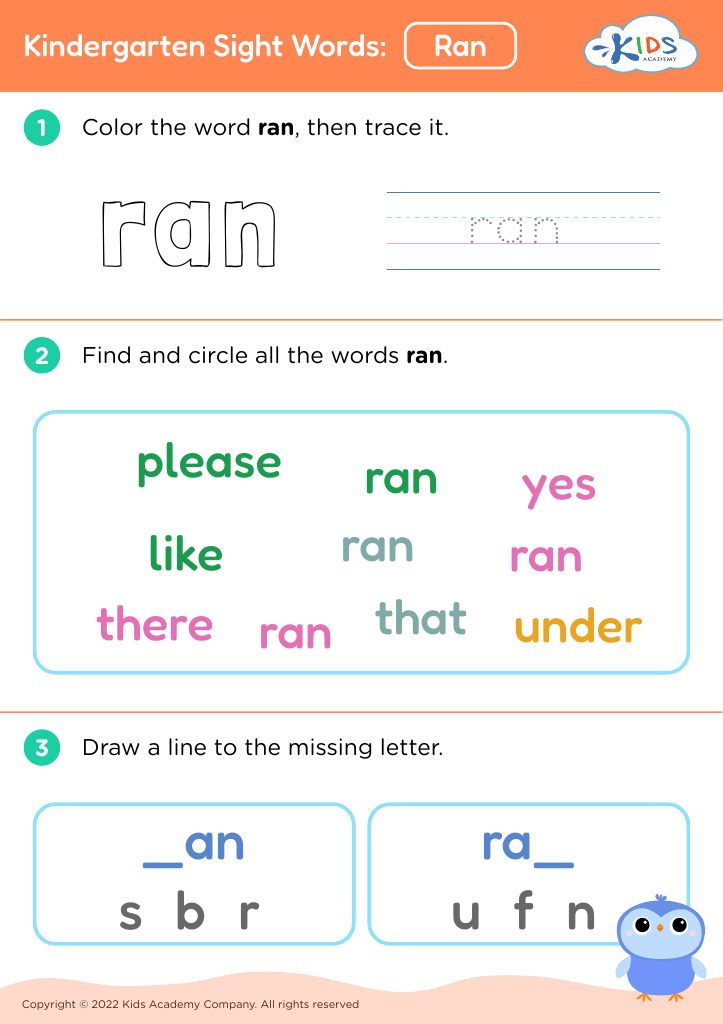
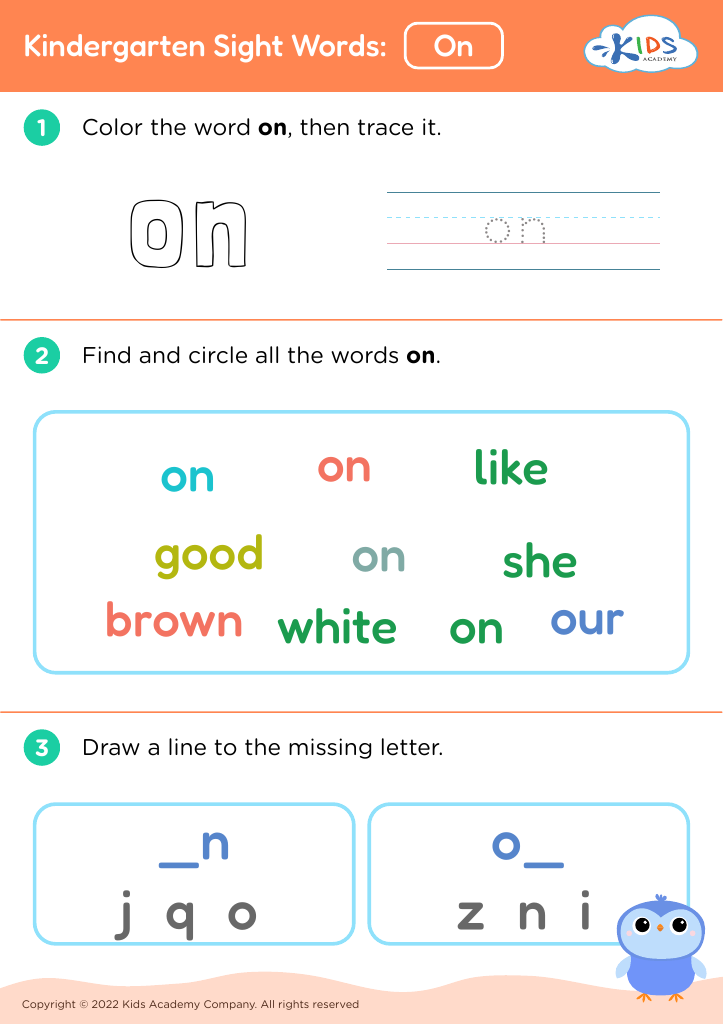
Discover our engaging Fraction Simplification Sight Words Worksheets for children aged 3-5! Designed to make learning fun, these worksheets combine early literacy with foundational math skills, helping young learners recognize key sight words related to fractions. Each activity encourages exploration of simple concepts such as halves, quarters, and more, fostering critical thinking while boosting vocabulary. Our colorful, interactive worksheets offer visual support to cement understanding, ensuring children grasp the basics of fraction simplification. Perfect for home or classroom use, these resources promote a love for learning through a seamless blend of reading and math. Start your child’s educational journey today!






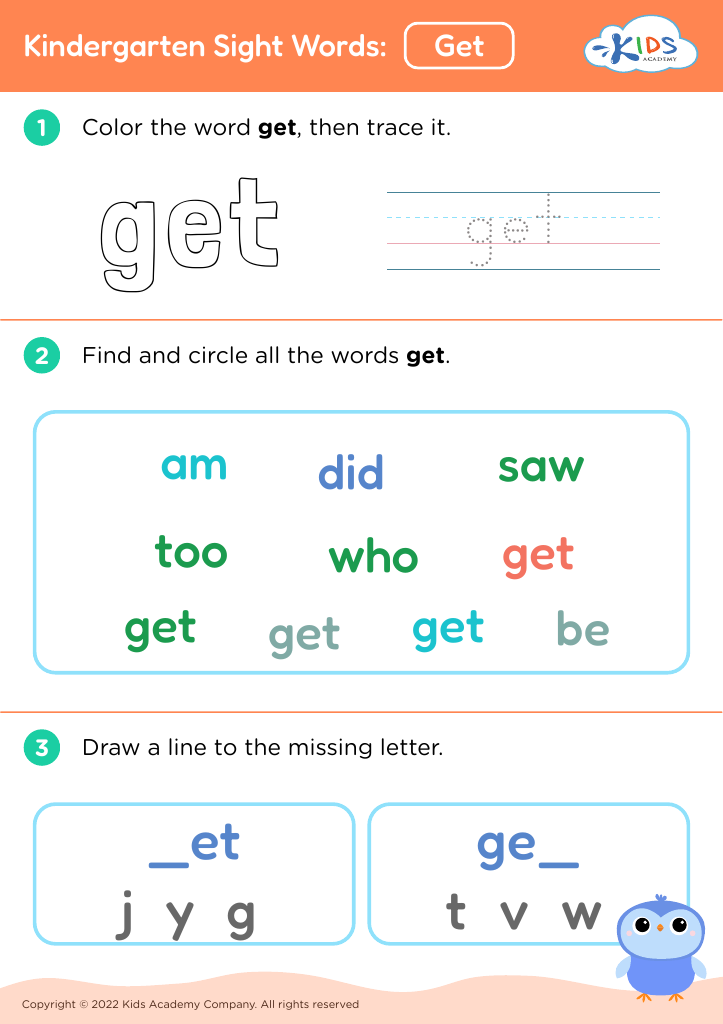


.jpg)





Parents and teachers should consider the importance of fraction simplification and sight words for children ages 3 to 5, as both foundational skills enhance early mathematical and literacy development.
Firstly, engaging children with simple fractions helps them grasp key concepts of part-whole relationships and number sense, forming an essential building block for more complex math skills in the future. An understanding of fractions lays the groundwork for better math proficiency as they grow, fostering critical thinking and problem-solving abilities.
Secondly, introducing sight words at this age is crucial for developing reading fluency. Sight words are commonly used words that children typically recognize by sight rather than phonetic decoding. Familiarity with these words boosts confidence and encourages a love for reading.
Integrating fraction simplification with sight words can be done in a playful manner—using visual aids, storybooks that incorporate both elements, and hands-on activities. This dual approach promotes cognitive growth, as children learn to recognize words and understand numerical concepts simultaneously.
Ultimately, focusing on these early skills prepares young learners for academic success while also promoting their engagement and enthusiasm for learning, making it essential for parents and teachers to prioritize these areas in developmental activities.