Identifying shapes Sight Words Worksheets for Ages 3-5
5 filtered results
-
From - To
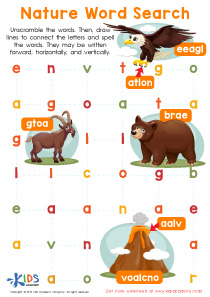
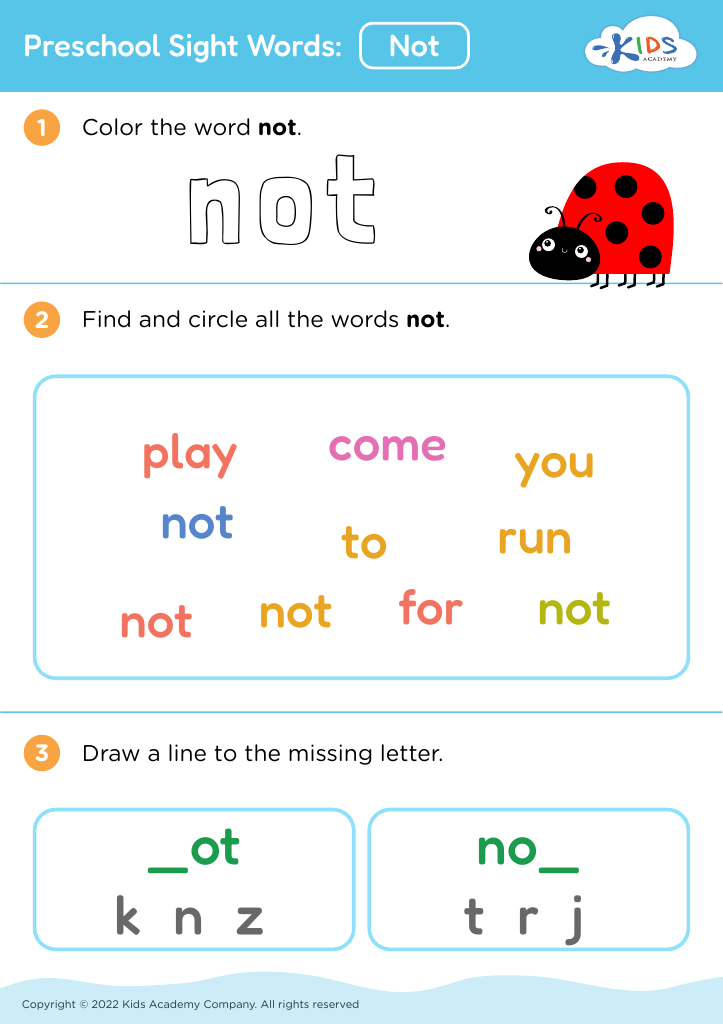
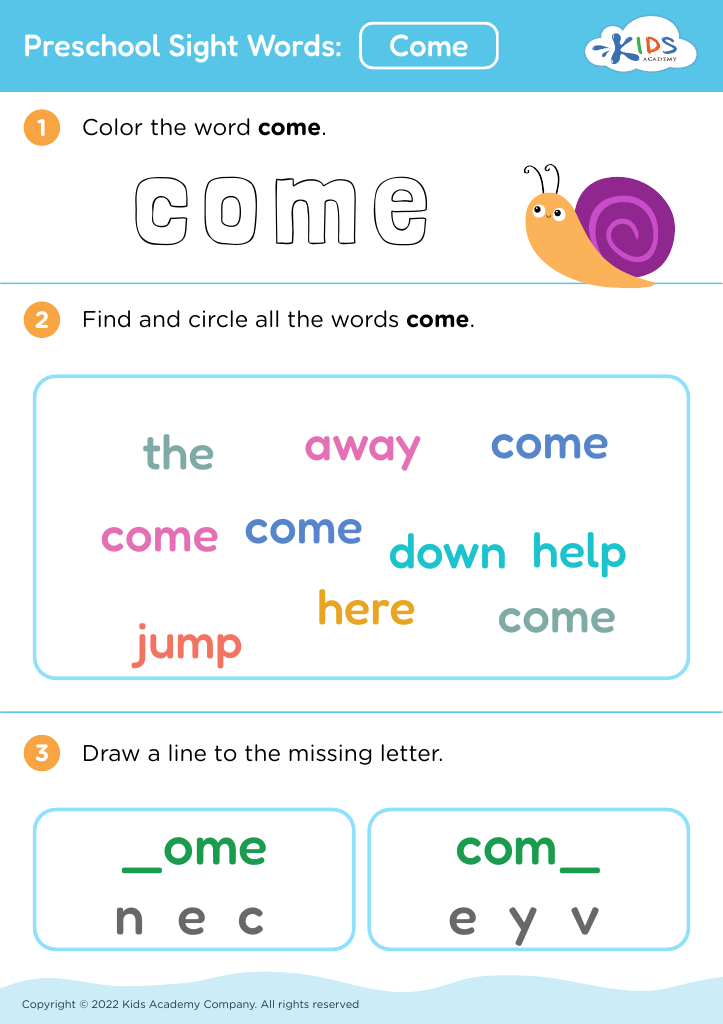
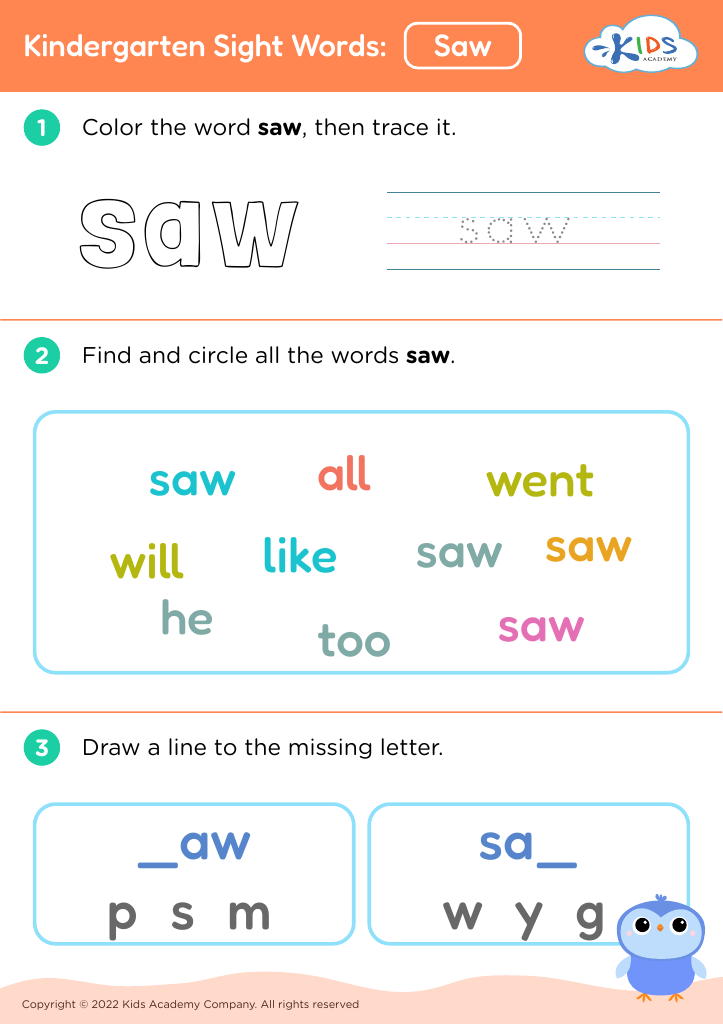
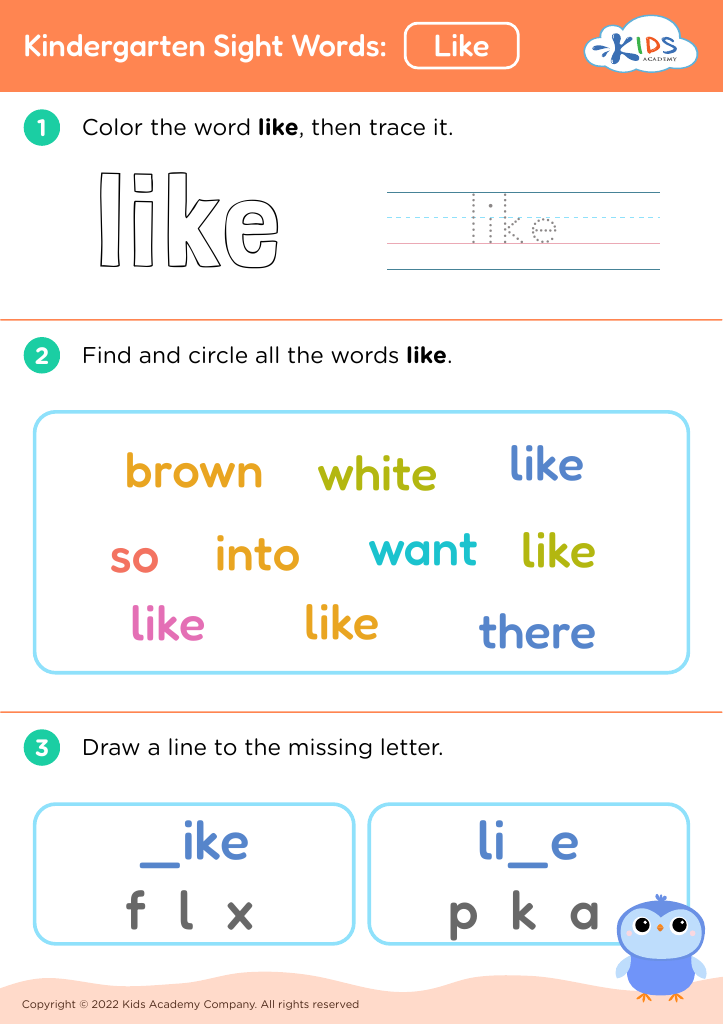
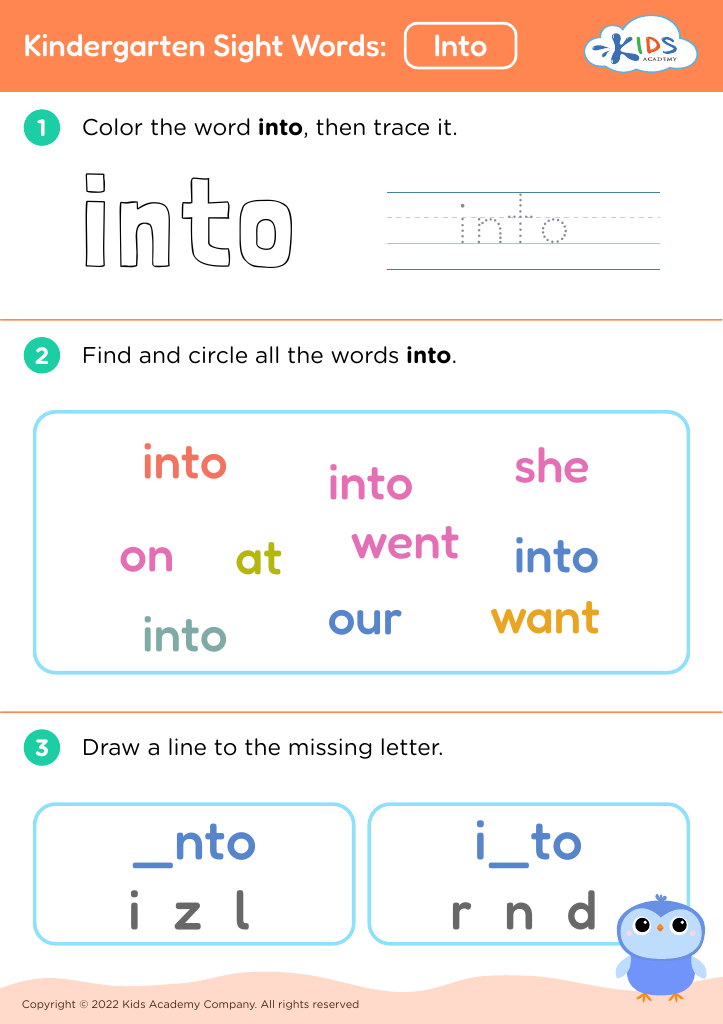
Introduce young learners to the exciting world of shapes and reading with our "Identifying Shapes Sight Words Worksheets for Ages 3-5"! These engaging worksheets combine vibrant shape identification activities with key sight words to enhance both geometry and literacy skills. Perfectly tailored for preschoolers and kindergarteners, each printable worksheet encourages children to recognize, trace, and write shapes and words in a fun, interactive way. Boost your child's learning confidence while building a strong foundation in early math and reading. Download today and watch your little one thrive in their developmental milestones!











.jpg)
Identifying shapes and recognizing sight words are fundamental skills for children aged 3-5, laying the groundwork for later learning. By focusing on shape recognition, parents and teachers help children develop cognitive skills such as categorization, spatial awareness, and problem-solving. Shapes are the basic building blocks of more complex mathematical concepts like geometry, and recognizing them helps children understand and organize their visual world.
Sight words, on the other hand, are commonly used words that young readers can recognize without having to sound out. Introducing sight words in early childhood enhances reading fluency and comprehension. These words often don't follow standard decoding rules, making memorization through repetition crucial. Knowing sight words allows children to read more smoothly, giving them the confidence to tackle more complex texts later on.
Both shape identification and sight word recognition are essential for language and literacy development. They contribute to a solid educational foundation, enhancing children’s ability to engage in more advanced learning experiences. By prioritizing these skills, parents and teachers can foster a love for learning, critical thinking, and effective communication, ensuring young children have the tools they need for academic success and lifelong learning.