Problem-Solving Skills Grammar Worksheets for Ages 3-5
4 filtered results
-
From - To
Nurture problem-solving abilities in young learners with our engaging Grammar Worksheets for ages 3-5. These printable worksheets are crafted to blend foundational grammar skills with critical thinking exercises, creating a fun, interactive learning experience. By addressing early writing, sentence structure, and vocabulary, kids can navigate through problem-solving scenarios that strengthen their cognitive and linguistic development. Perfect for both classroom and home, our worksheets offer a delightful approach to mastering essential grammar while fostering analytical thinking. Support your little ones in building a strong academic foundation with Kids Academy’s expertly designed materials.
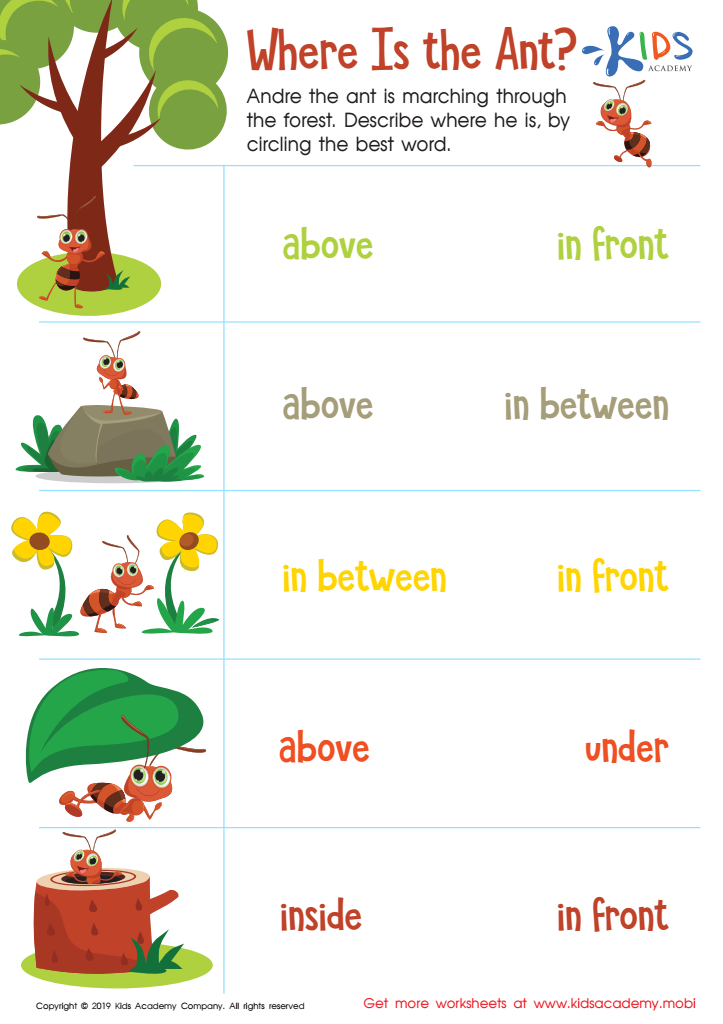
Where Is the Ant? Worksheet
 Assign to My Students
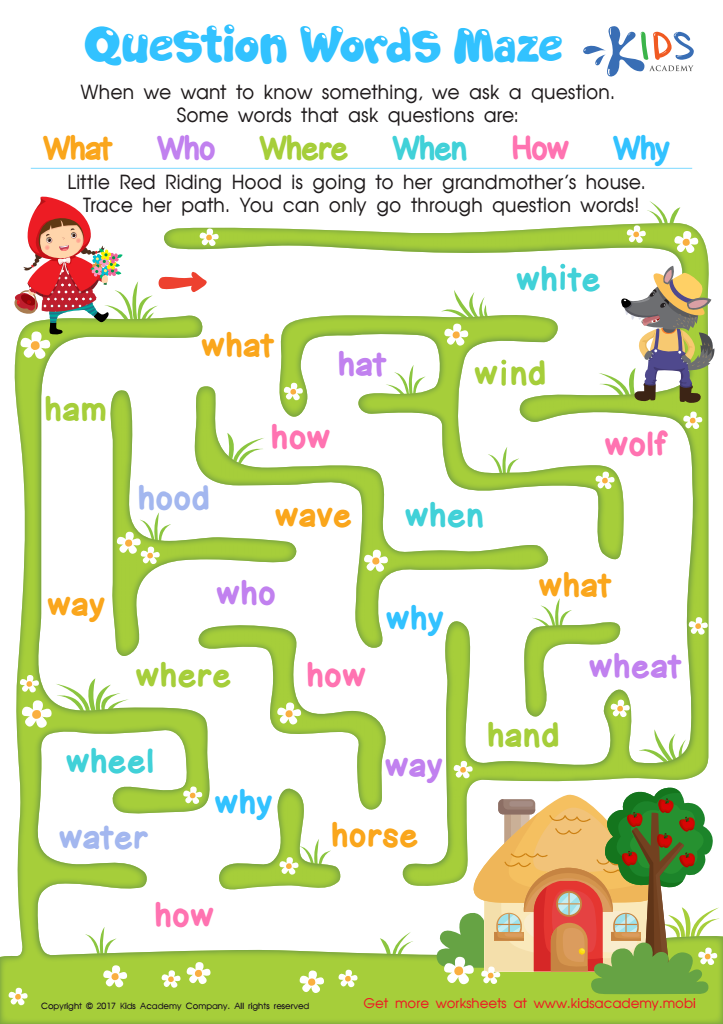
Question Words Maze Worksheet
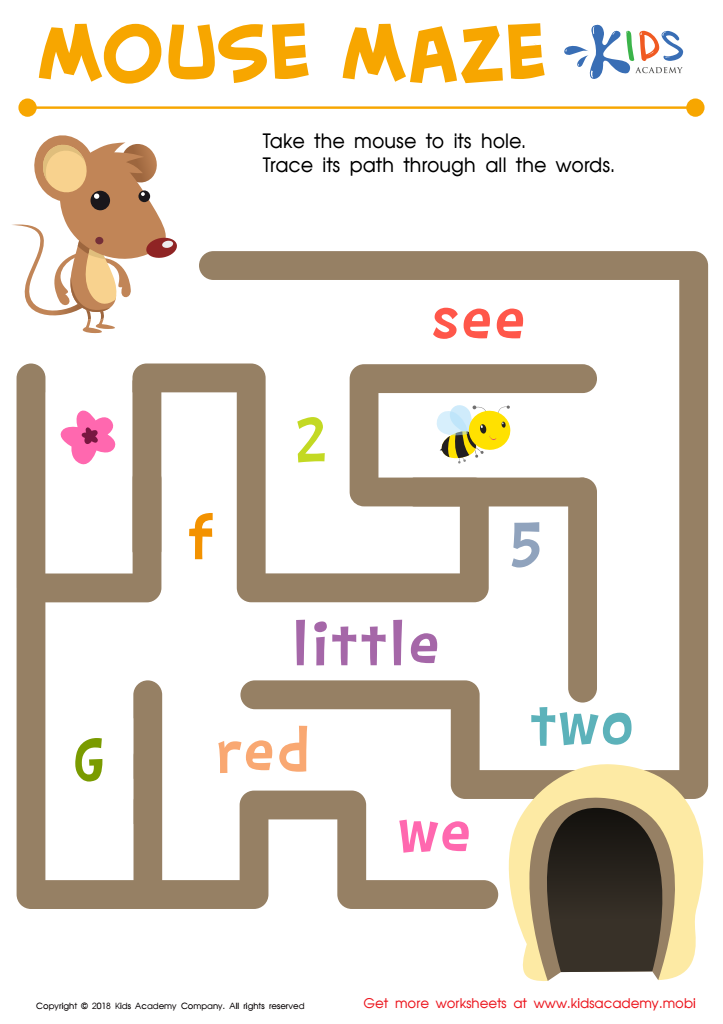
Find Words Mouse Maze Worksheet
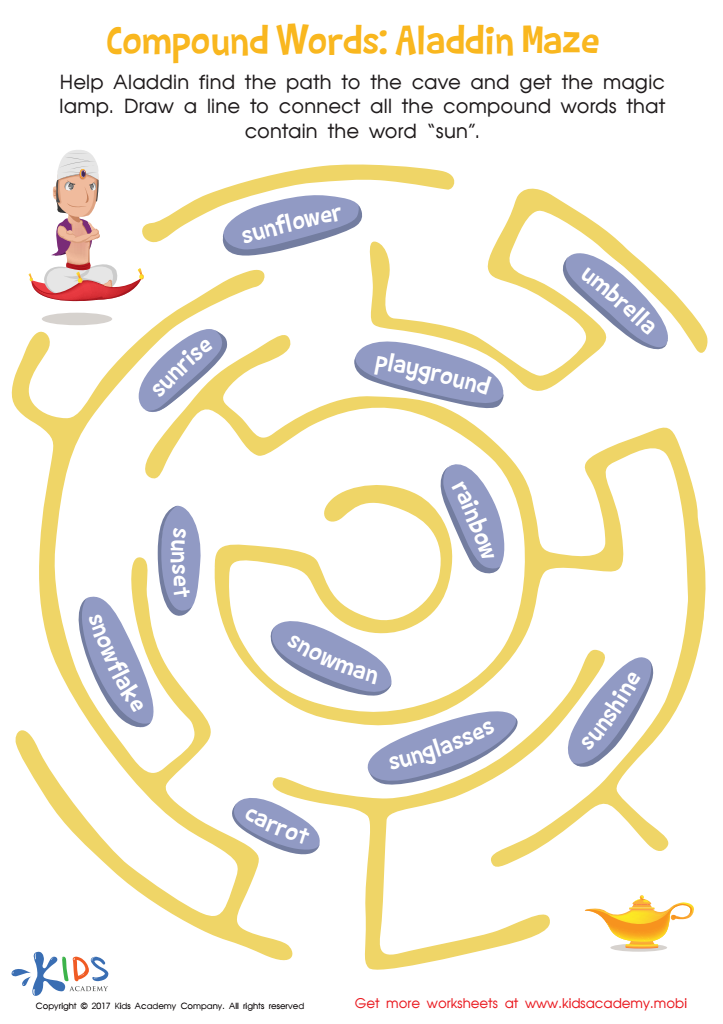
Compound Aladdin Maze Word Structure Worksheet








Problem-solving skills are fundamental for young children aged 3-5 as they lay the foundation for future learning and critical thinking. Helping children at this age develop problem-solving skills means equipping them with the ability to approach challenges methodically and creatively. This, in turn, can foster resilience, independence, and confidence when faced with various situations.
During ages 3-5, children’s brains are highly adaptable, making these early years crucial for developing cognitive abilities. Problem-solving tasks stimulate critical thinking by encouraging children to analyze situations, weigh possible solutions, and execute plans. These tasks typically require a vocabulary that can help children articulate their thoughts, understand instructions, and express needs, making grammar equally important.
Moreover, problem-solving activities often involve collaborative play, where children work in pairs or small groups, necessitating precise communication. Mastery of basic grammar ensures that children can engage more effectively in these interactions, promoting both social and linguistic development. As young learners communicate and reason through problems together, they sharpen their grammar skills in a practical, meaningful context.
In summary, a focus on problem-solving skills, integrated with grammar, equips children with essential cognitive and communicative tools that will benefit them throughout their academic journey and beyond. Educators and parents should prioritize these facets to nurture well-rounded, competent young individuals.








