Alphabet Recognition Alphabet Worksheets for Ages 3-6
64 filtered results
-
From - To
Discover our engaging Alphabet Recognition Worksheets designed specifically for children ages 3-6. These interactive resources promote early literacy skills by helping young learners identify and recognize letters of the alphabet. Each worksheet features vibrant visuals and hands-on activities, making learning fun and effective. Whether your child is matching letters, tracing, or solving puzzles, they will build confidence in their reading skills. Perfect for home schooling or classroom use, our worksheets cater to various learning styles and ensure memorable, educational experiences. Start your child’s journey to literacy today with our comprehensive, easy-to-use Alphabet Recognition resources! Printable and accessible for immediate use.
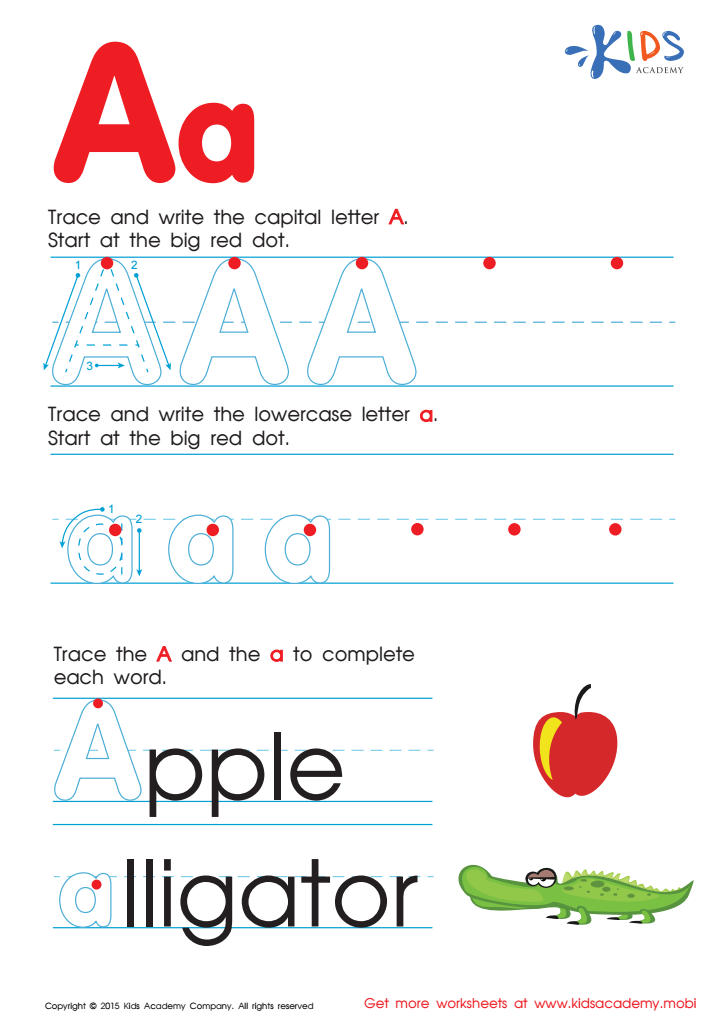
Letter A Tracing Page
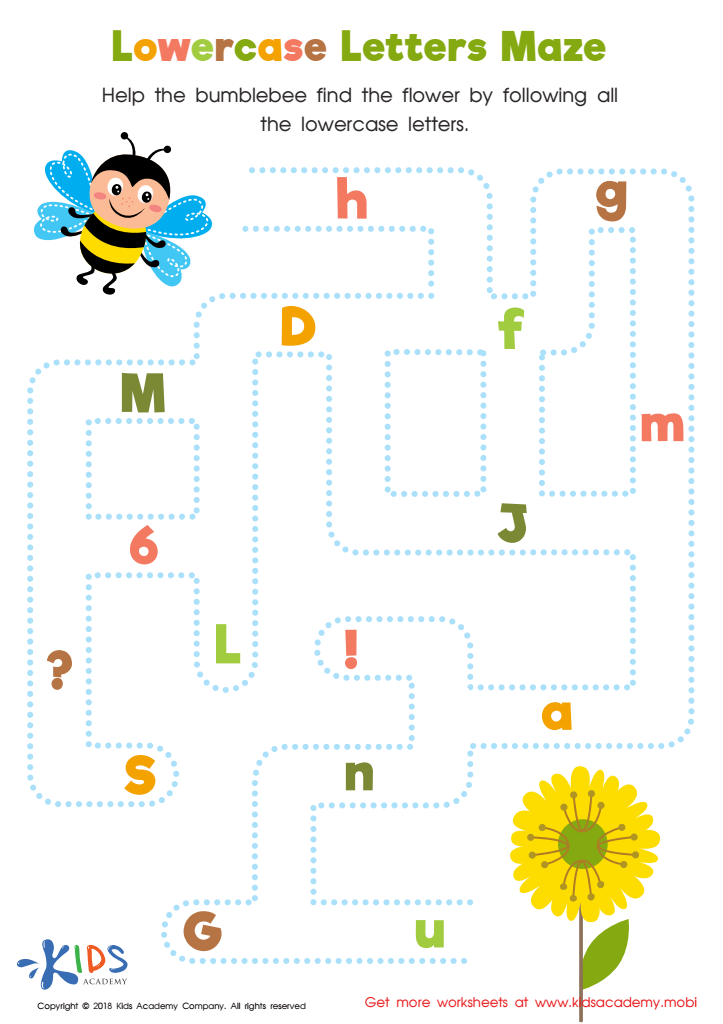
Lowercase Letters Maze Worksheet
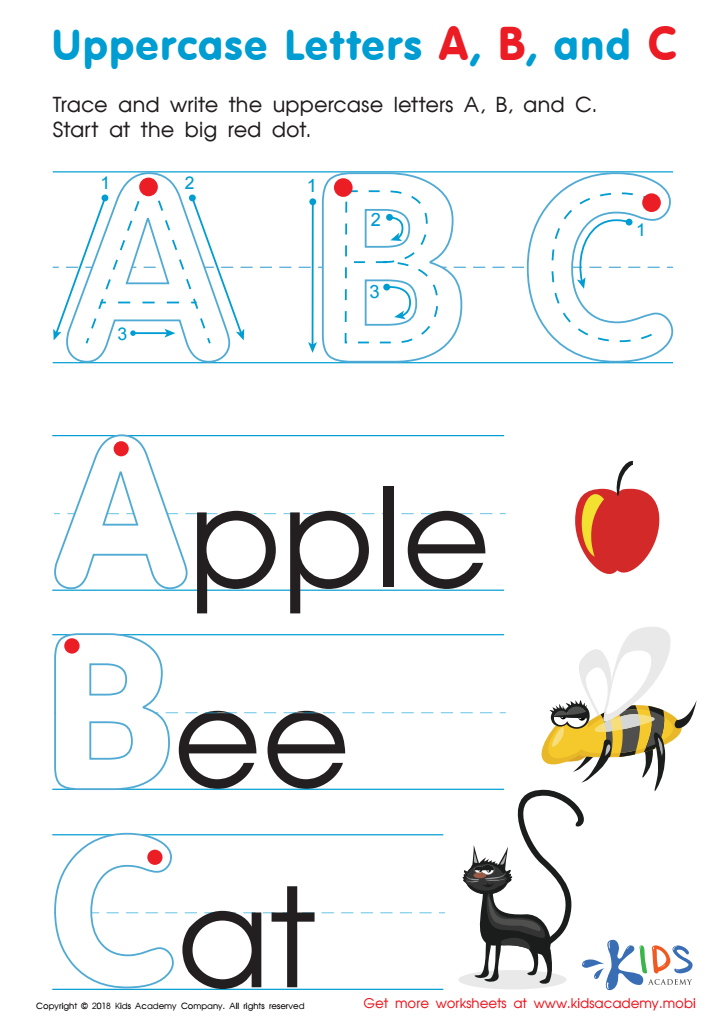
Uppercase Letters A, B, and C Worksheet
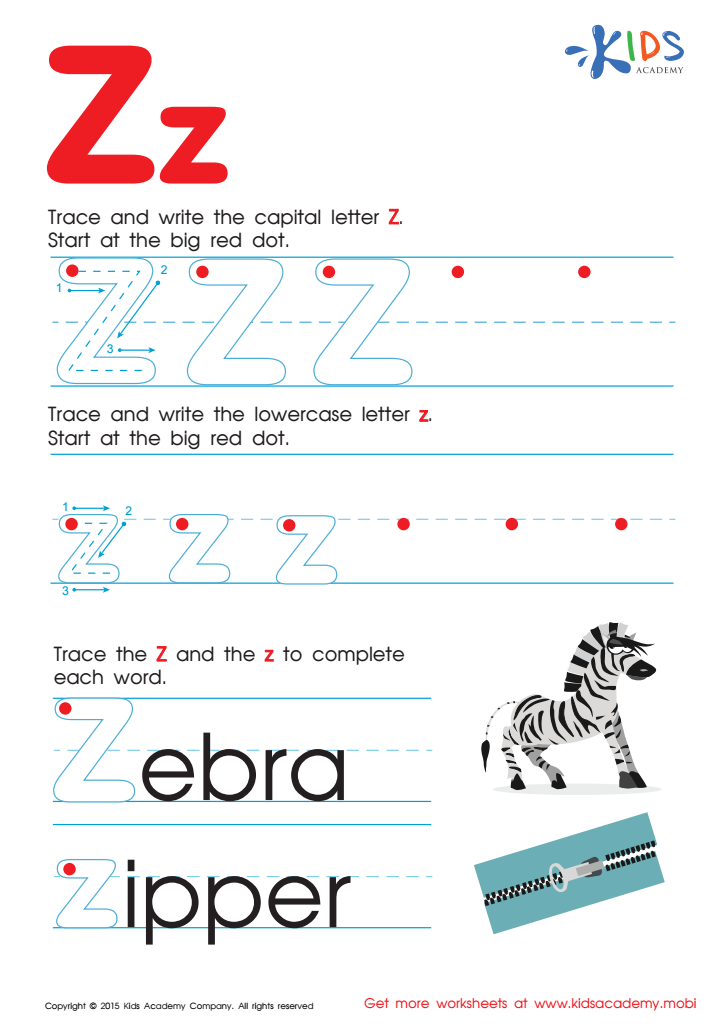
Letter Z Tracing Page
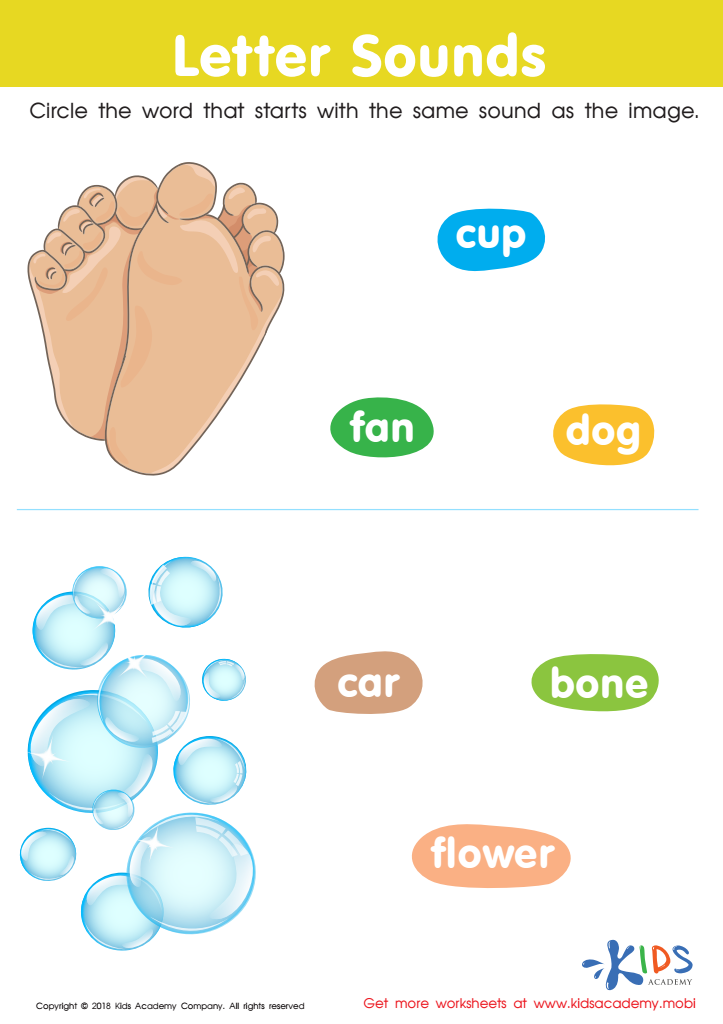
letter sounds Worksheet
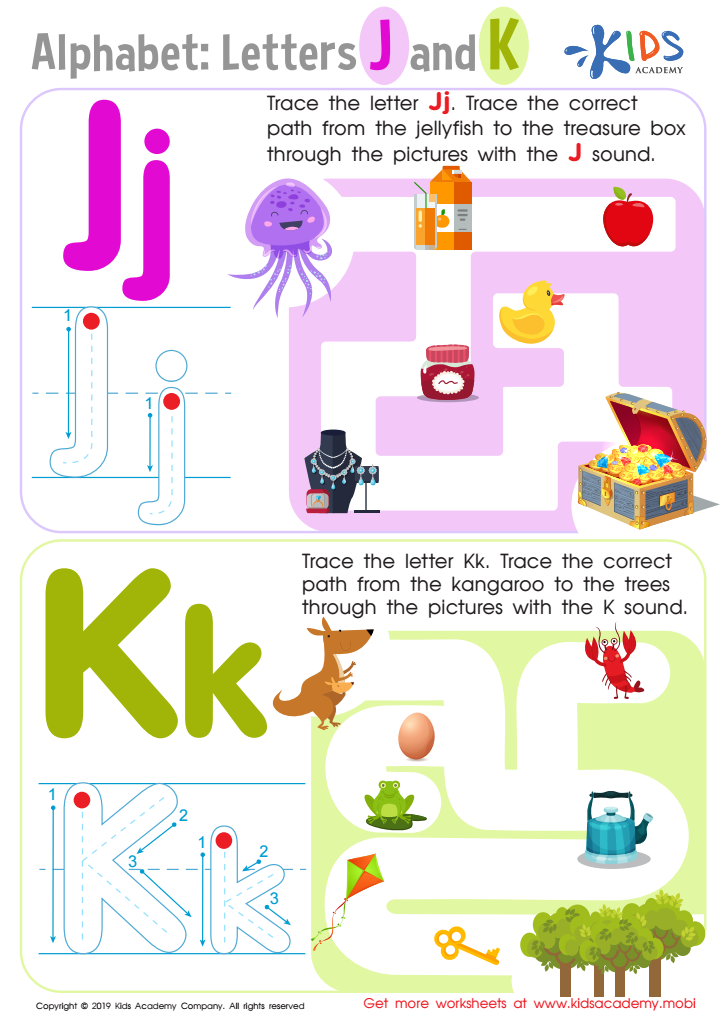
Letters J and K Tracing Worksheet
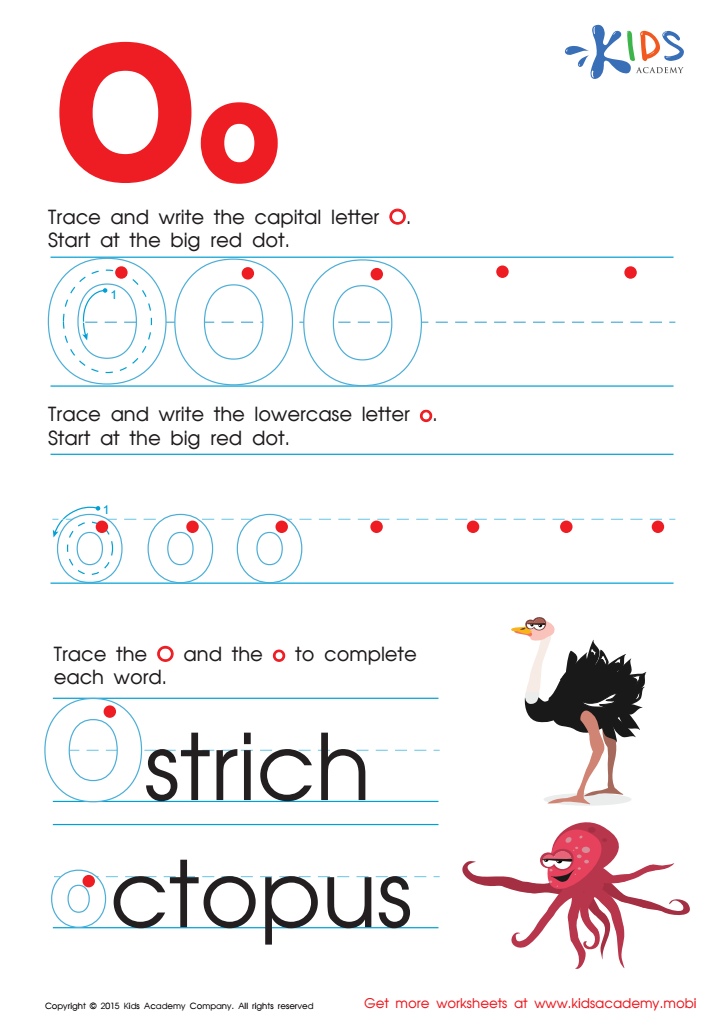
Letter O Tracing Page
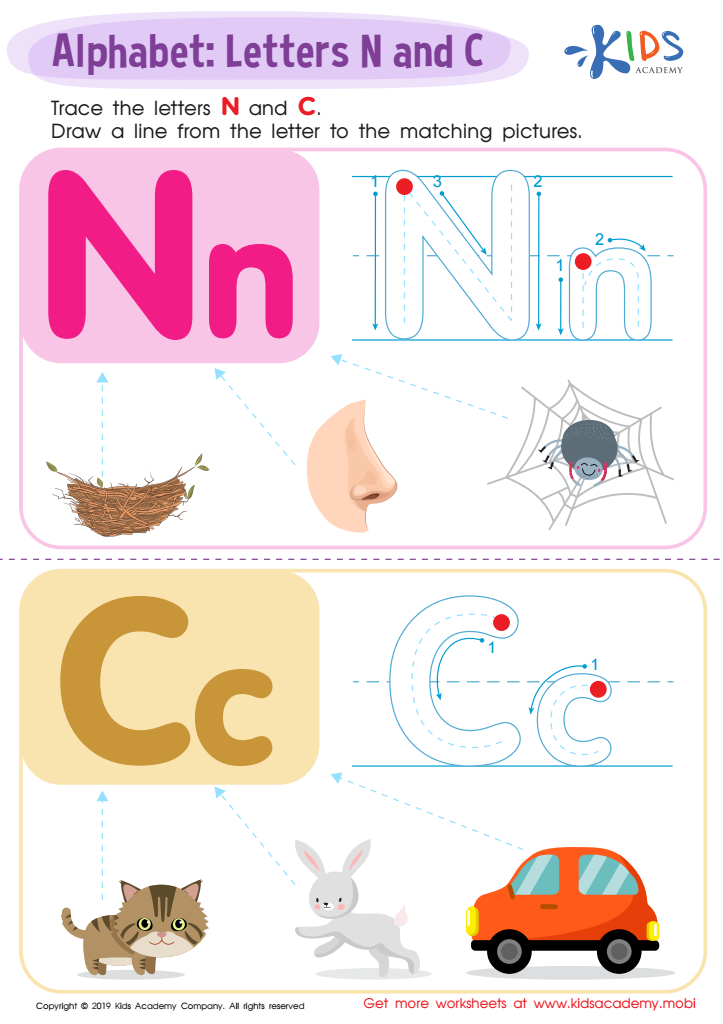
Letter N and C Tracing Worksheet
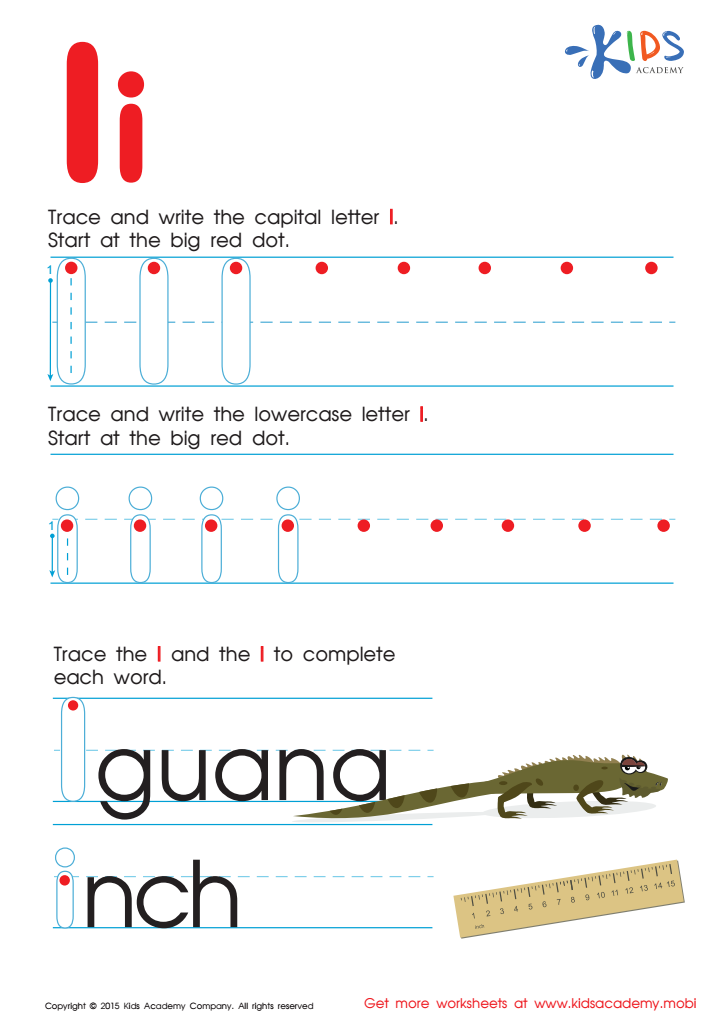
Letter I Tracing Page
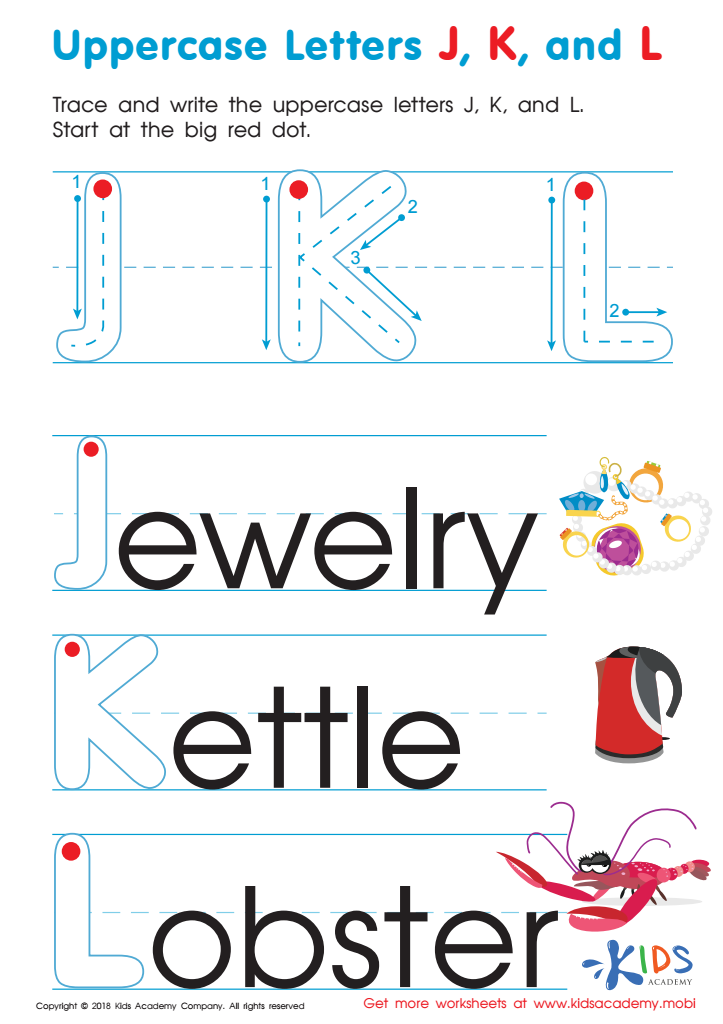
Uppercase Letters J, K, and L Worksheet
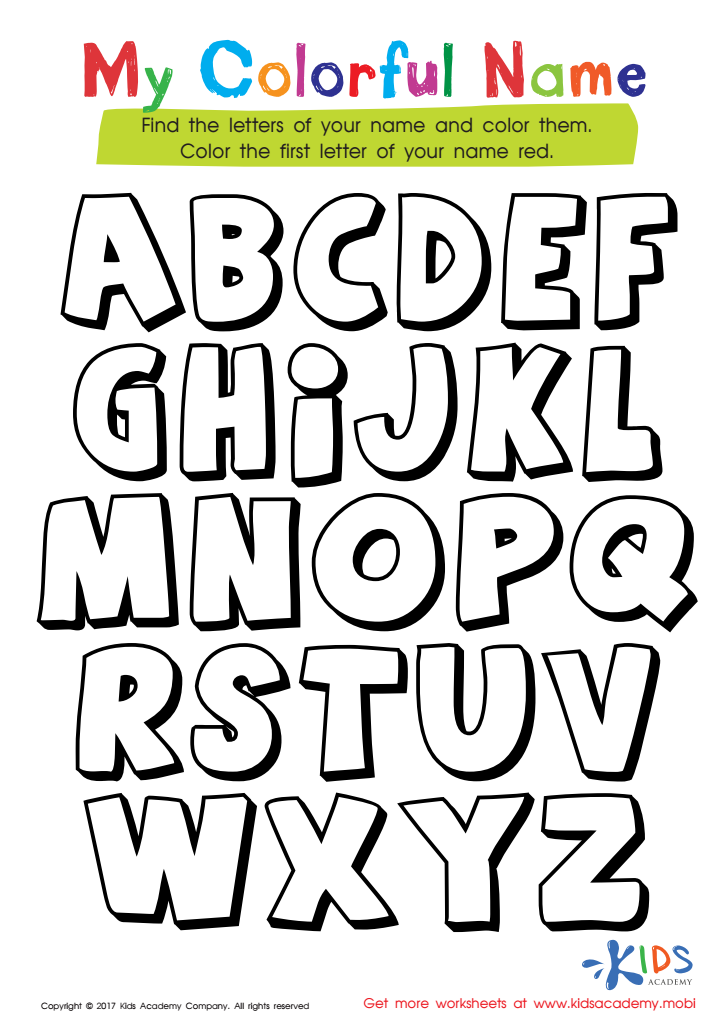
My Colorful Name Worksheet
 Assign to My Students
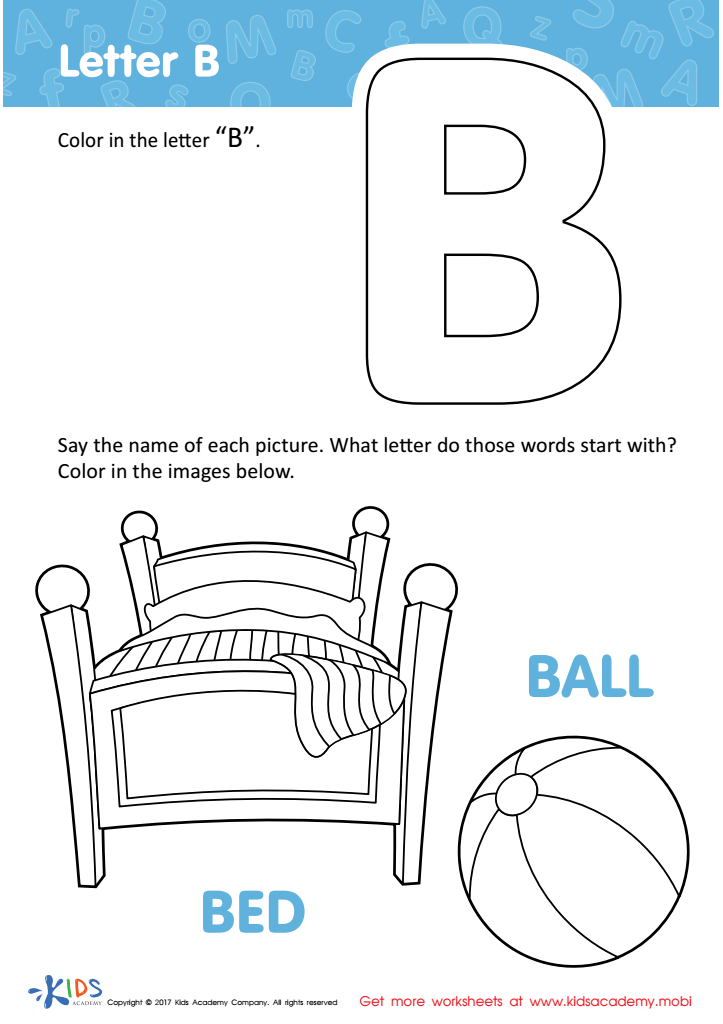
Letter B Coloring Sheet
Assign to My Students
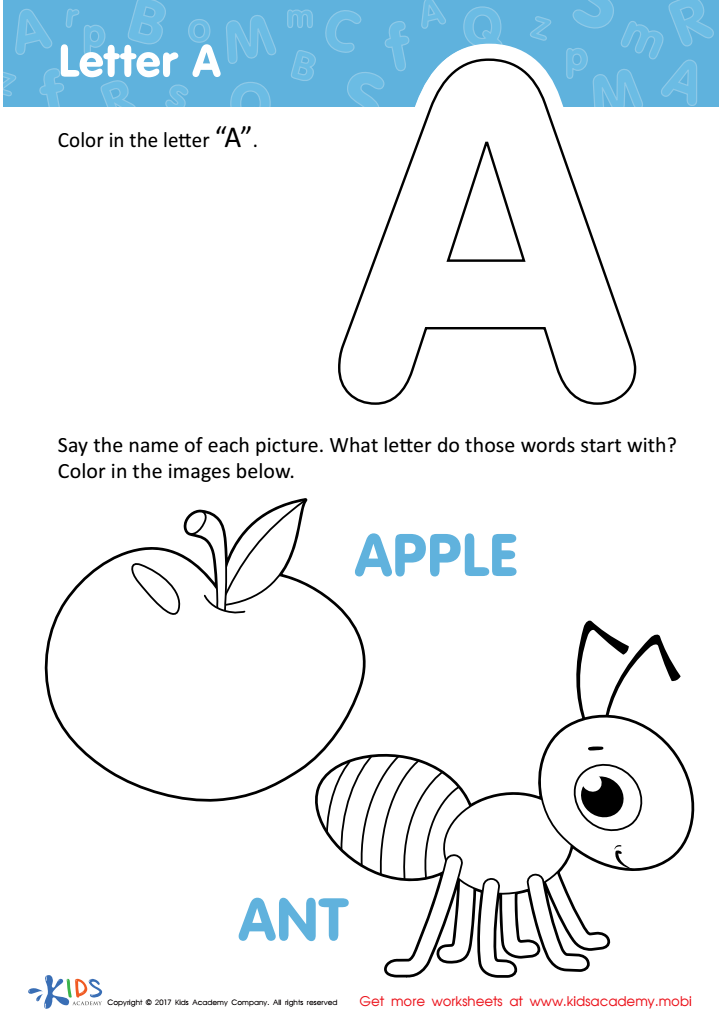
Letter A Coloring Sheet
Assign to My Students
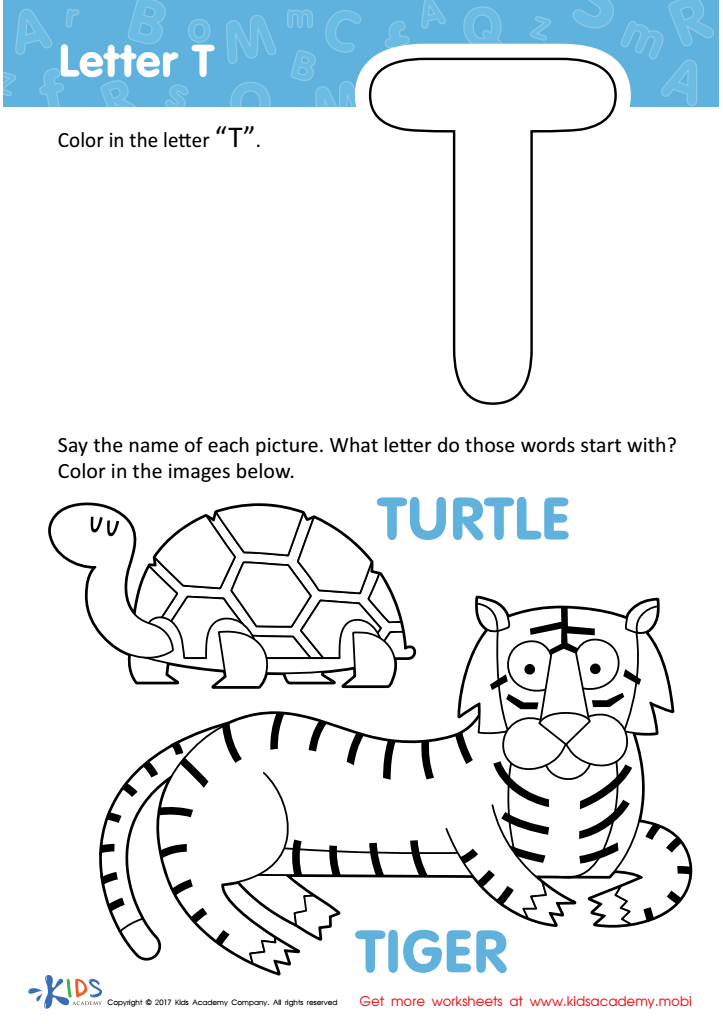
Letter T Coloring Sheet
Assign to My Students
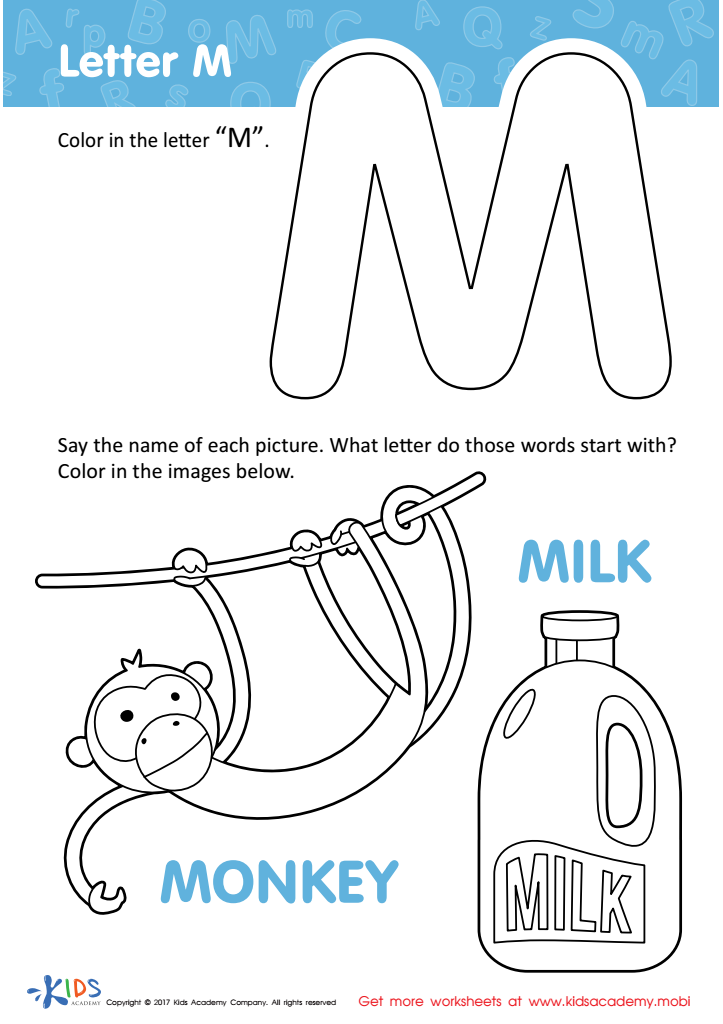
Letter M Coloring Sheet
Assign to My Students
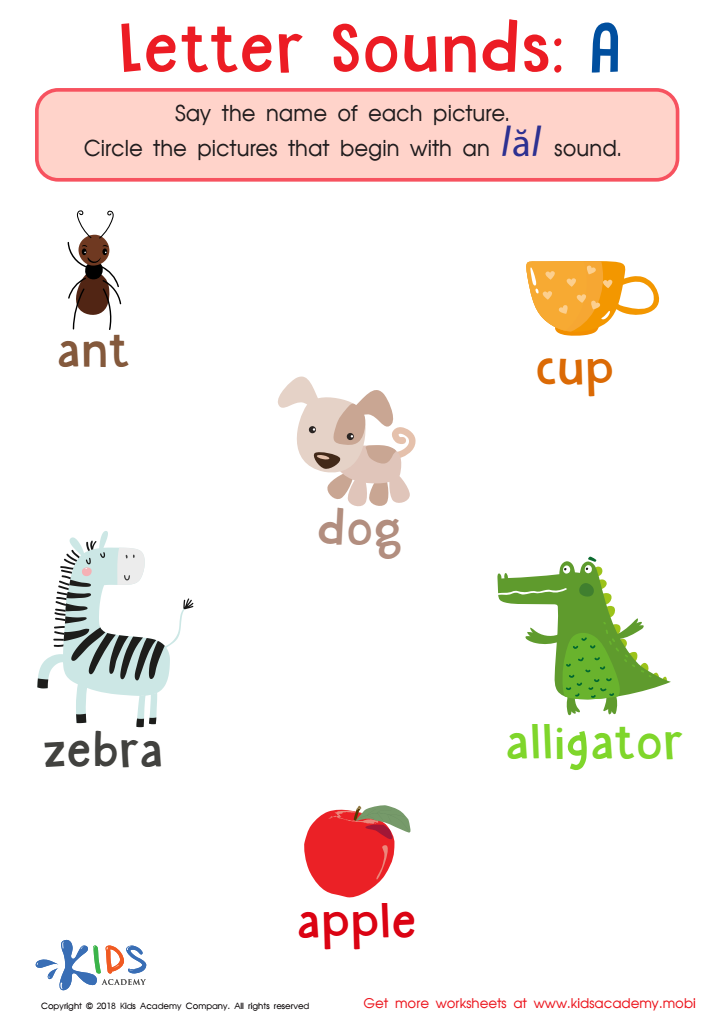
Letter A Sounds Worksheet
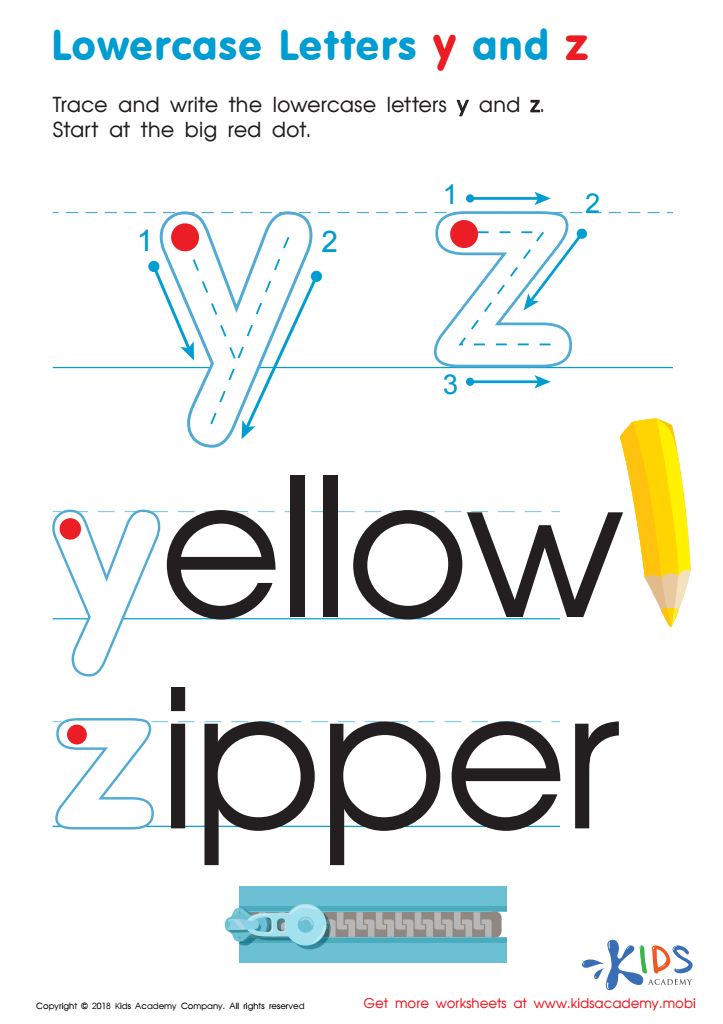
Lowercase Letters y z Worksheet
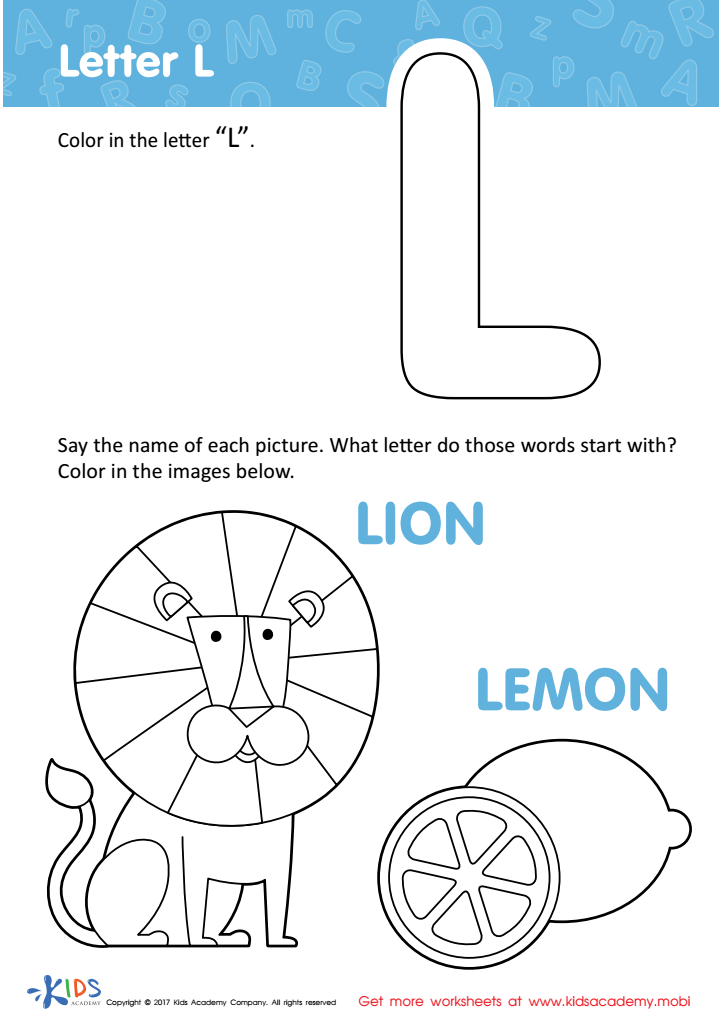
Letter L Coloring Sheet
Assign to My Students
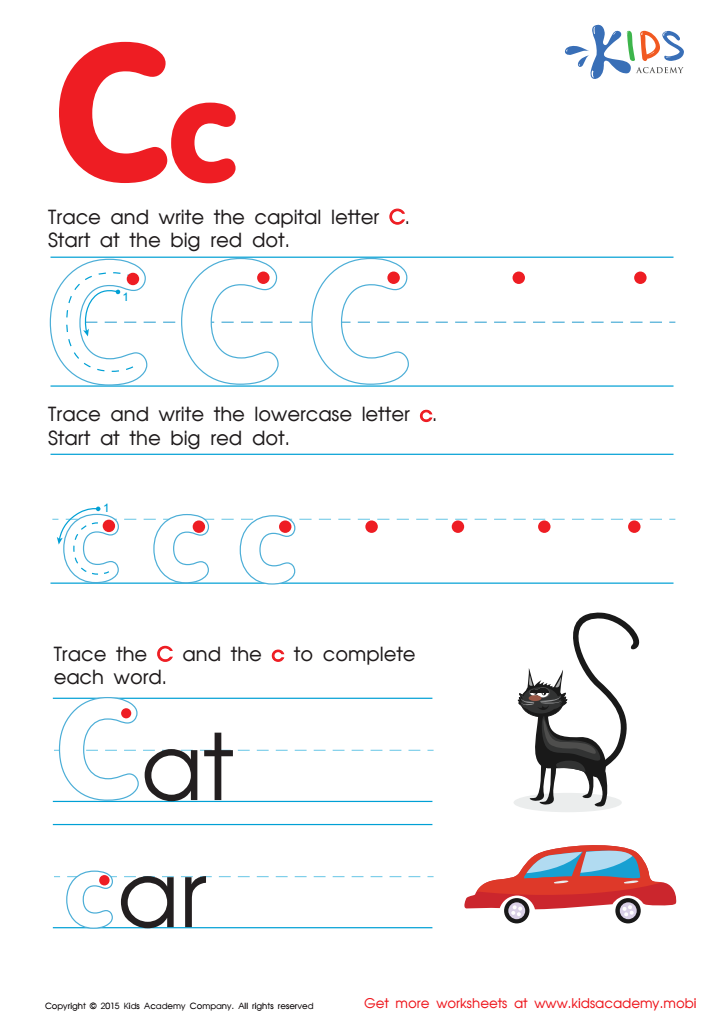
Letter C Tracing Page
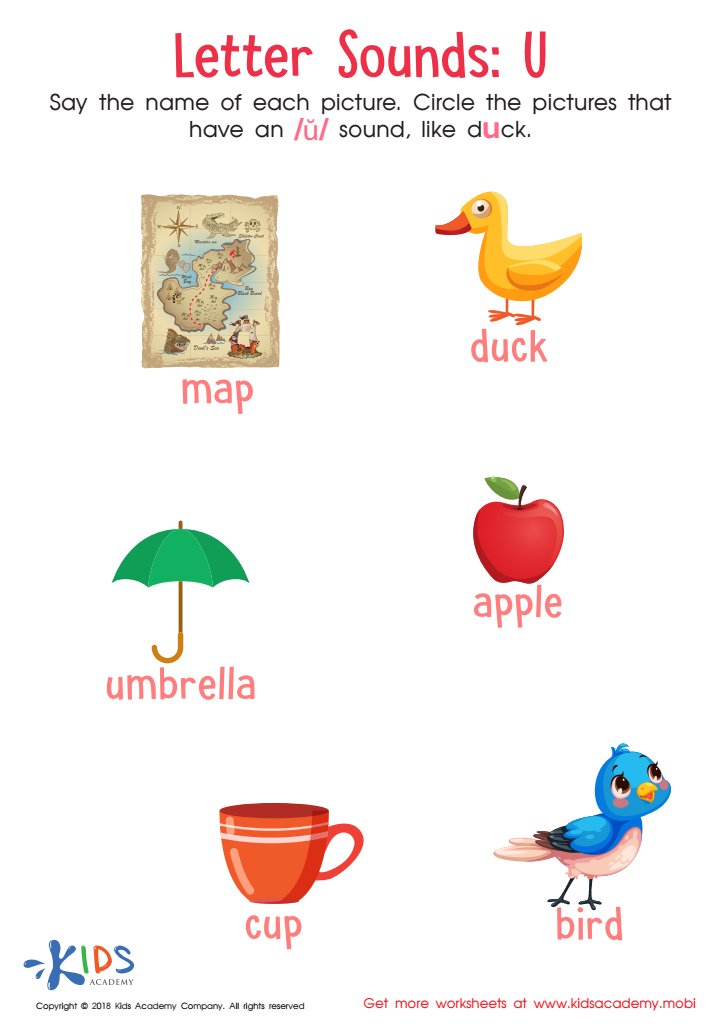
Letter U Sounds Worksheet
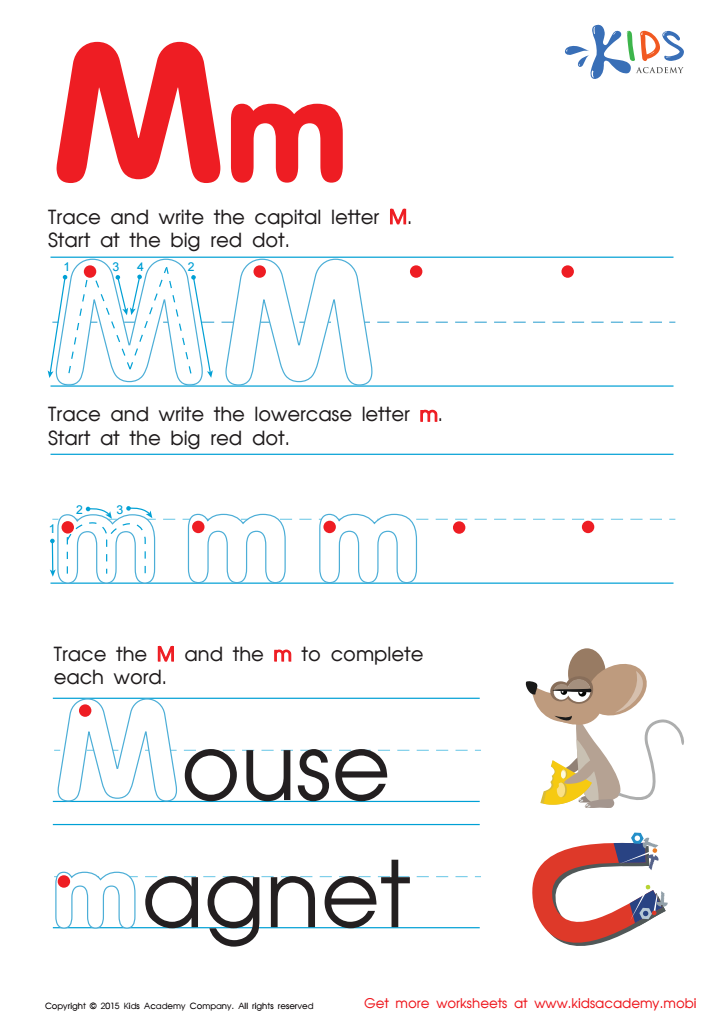
Letter M Tracing Page
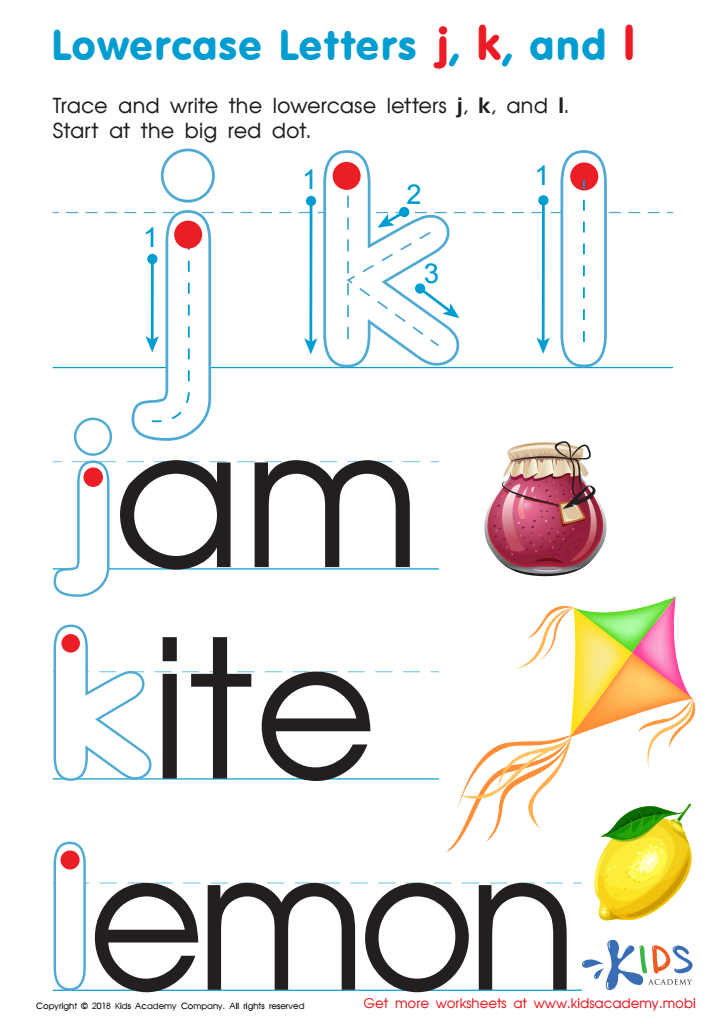
Lowercase Letters j k l Worksheet
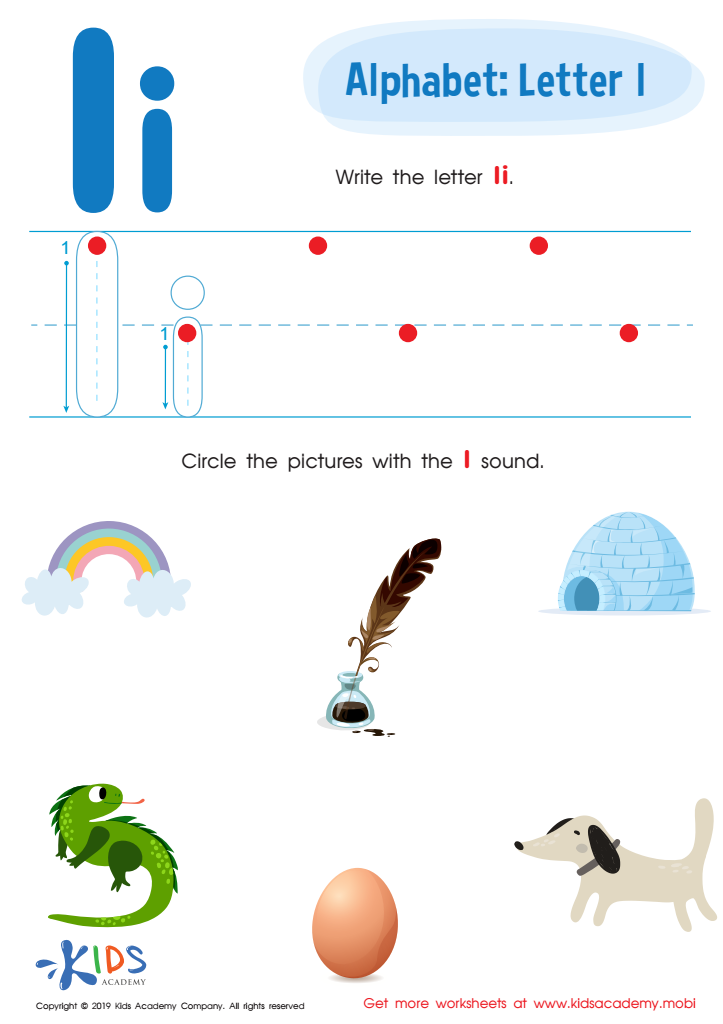
Letter I Tracing Worksheet
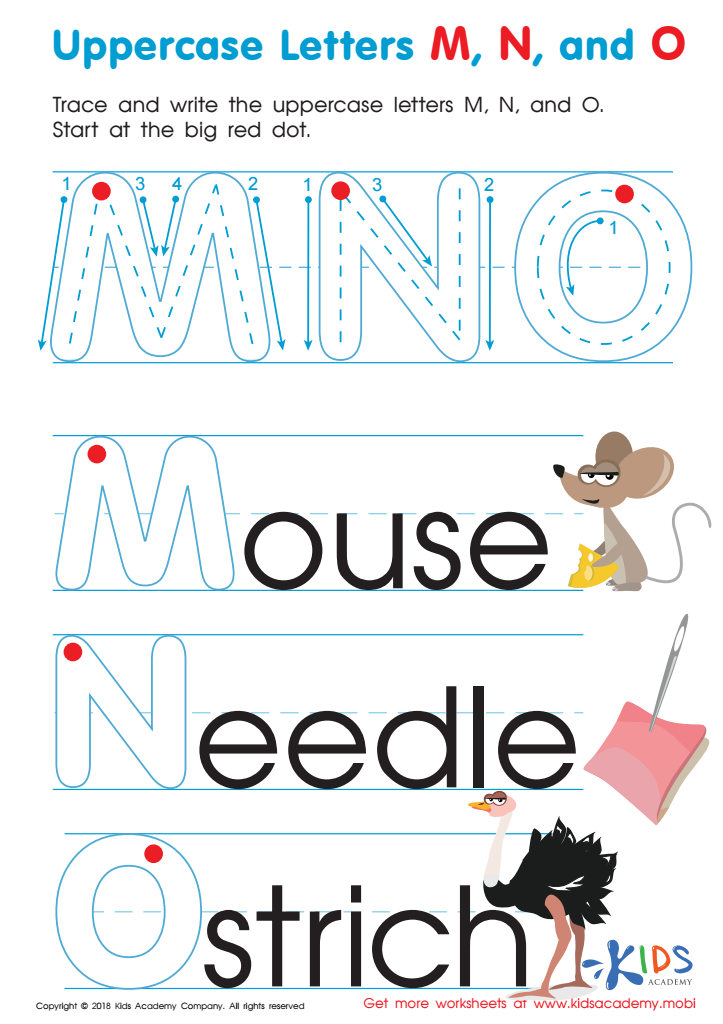
Uppercase Letters M, N, and O Worksheet








Alphabet recognition is a foundational skill that significantly impacts a child's literacy development. For children aged 3-6, recognizing letters is an essential first step in learning to read and write. Parents and teachers should care about this early literacy skill because it lays the groundwork for spelling, phonics, and vocabulary development. By familiarizing children with both uppercase and lowercase letters, as well as their corresponding sounds, adults empower them to decode words more effectively as they transition into reading.
Research indicates that early alphabet recognition is correlated with later reading success. When children can easily identify letters, they can focus more on understanding words and sentences, reducing frustration and building confidence in their abilities. Engaging in activities that promote letter recognition—such as reading aloud, singing the alphabet song, or using letter games—promotes brain development and enhances motor skills through writing practice.
Furthermore, fostering a child's love for literacy during these formative years nurtures curiosity and a desire to learn, making the educational journey enjoyable. Ultimately, by prioritizing alphabet recognition, parents and teachers not only prepare children for academic success but also equip them with vital tools for lifelong learning and communication.







