Hand-eye Coordination Alphabet Worksheets for Ages 3-6
22 filtered results
-
From - To
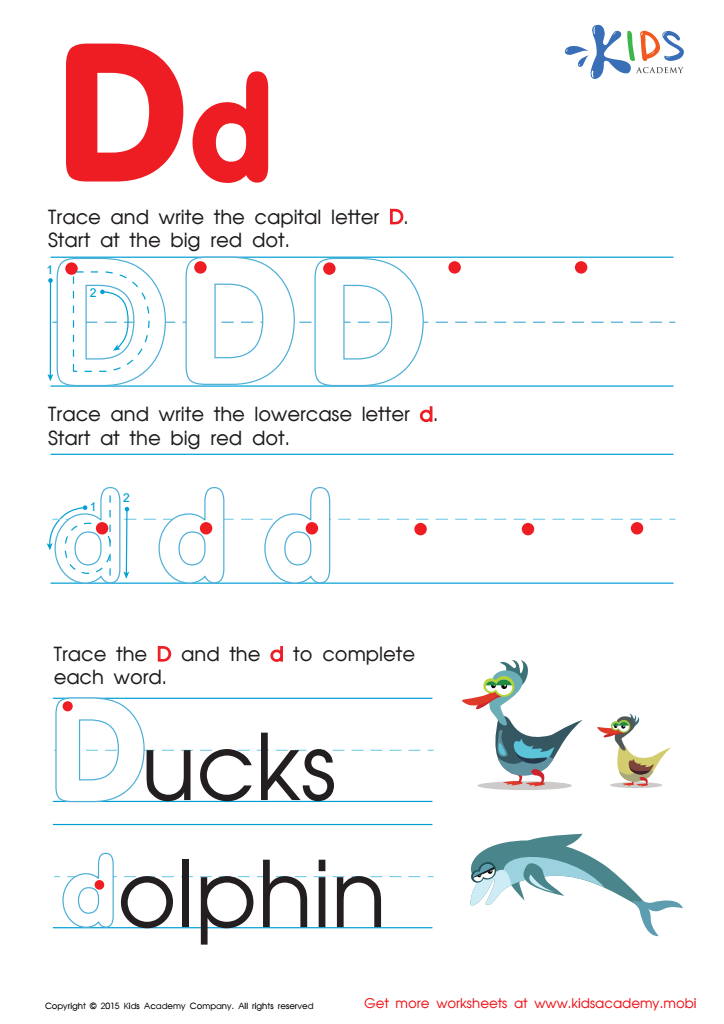
Introduce your little ones to the world of letters with our engaging "Hand-eye Coordination Alphabet Worksheets for Ages 3-6." These expert-designed worksheets make learning the alphabet fun and interactive by combining essential hand-eye coordination activities with letter recognition. Perfect for preschool to early elementary students, each worksheet encourages confident pencil control, fine motor skills, and attention to detail. Watch as children practice tracing, drawing, and matching tasks that support cognitive development, all while exploring the alphabet. Ideal for classroom settings or at-home learning, these worksheets are your key to nurturing early literacy and motor skills in a playful and effective manner.
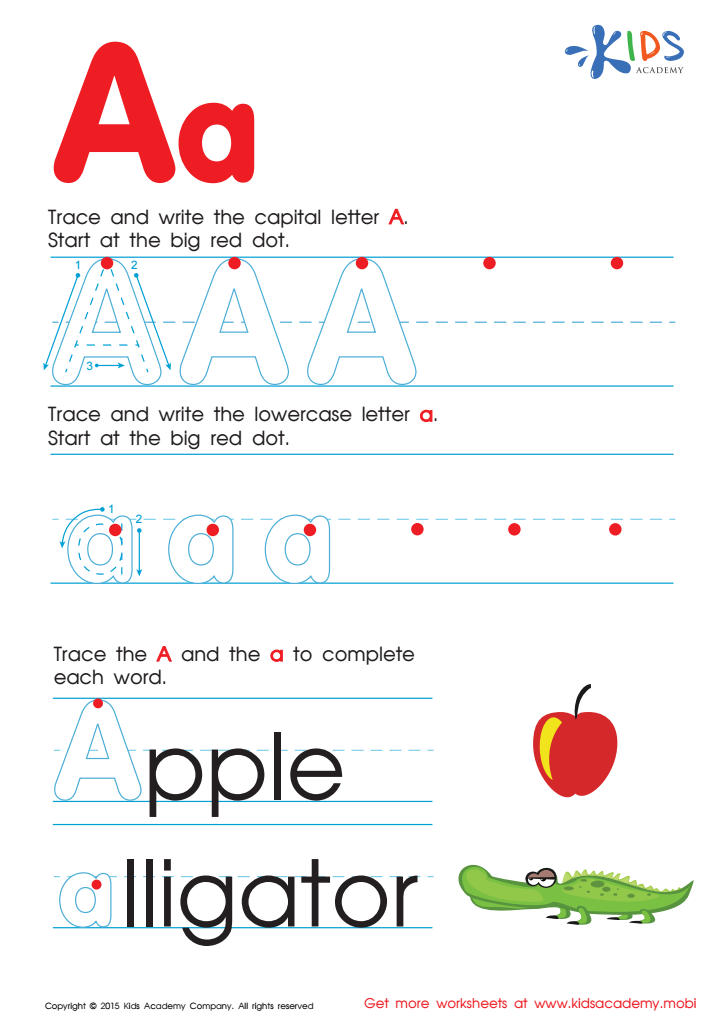
Letter A Tracing Page
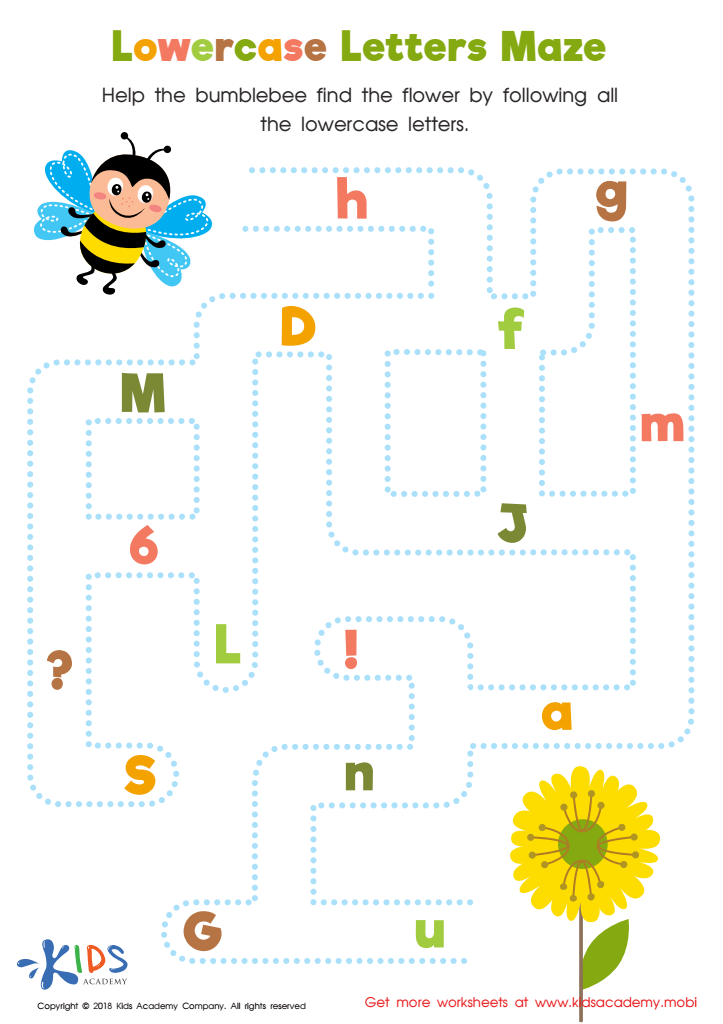
Lowercase Letters Maze Worksheet
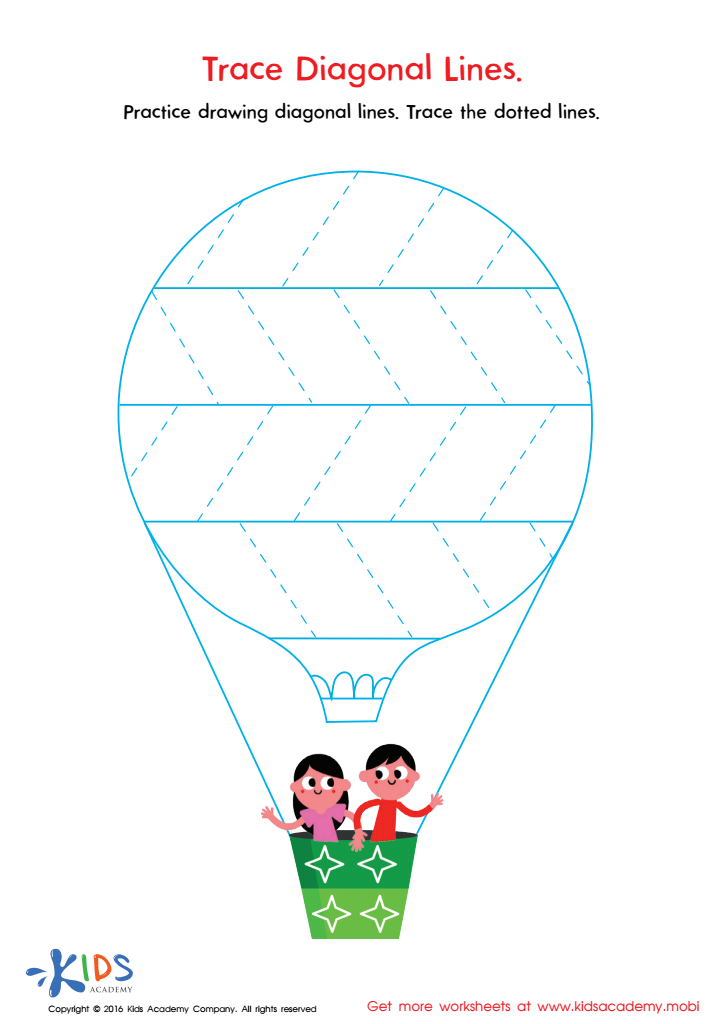
Trace Diagonal Lines Worksheet
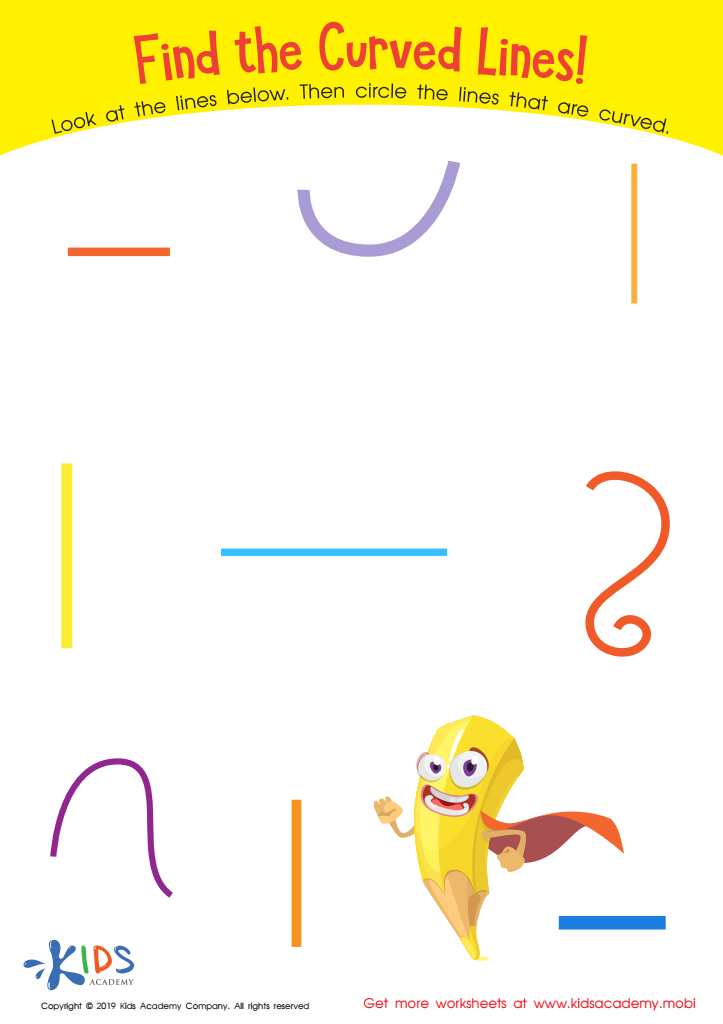
Find the Curved Lines! Worksheet
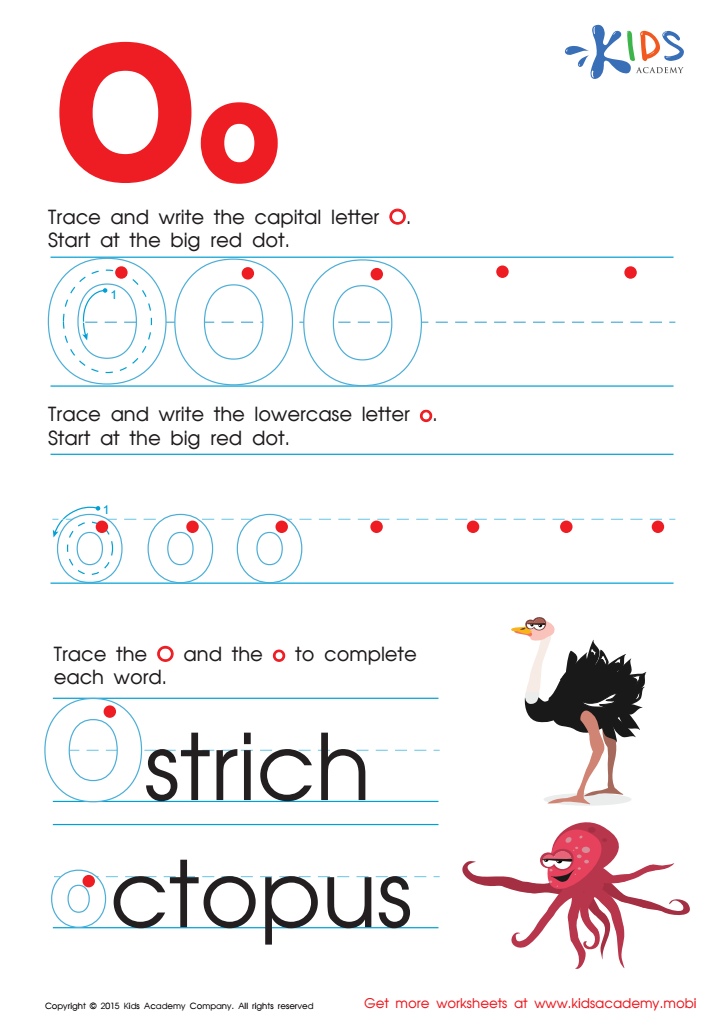
Letter O Tracing Page
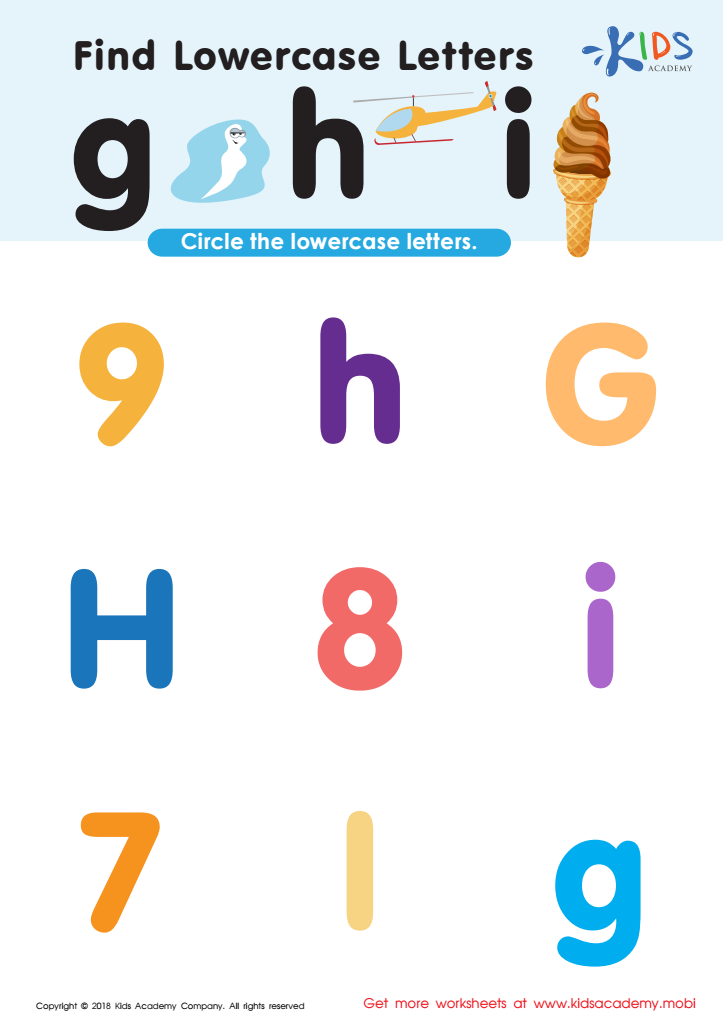
Find Lowercase Letters g h i Worksheet
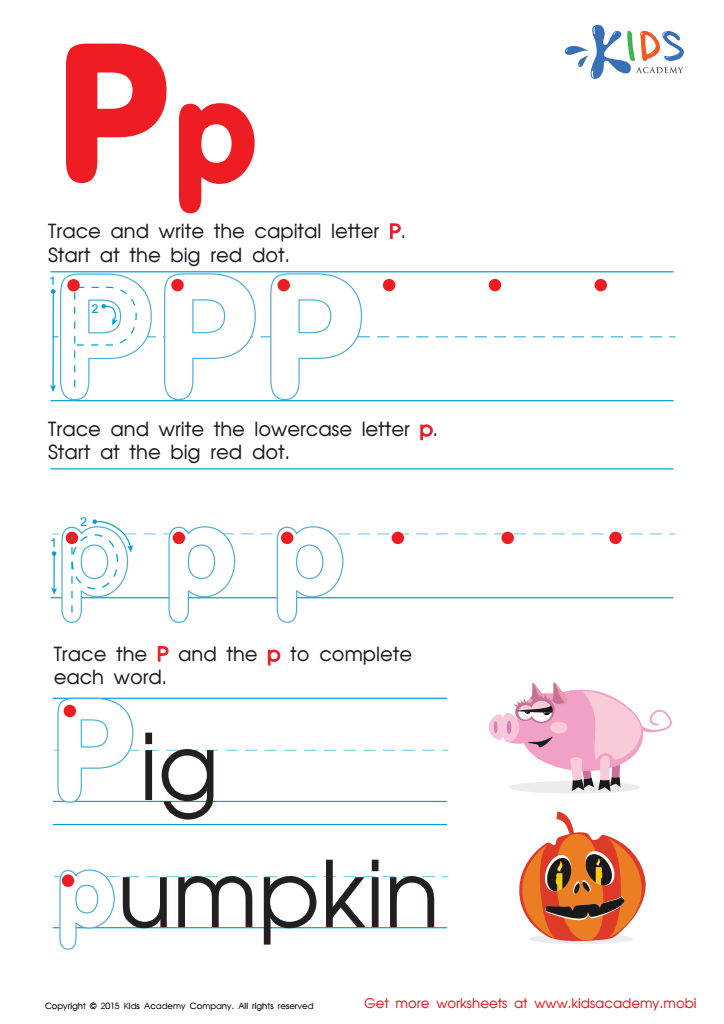
Letter P Tracing Page
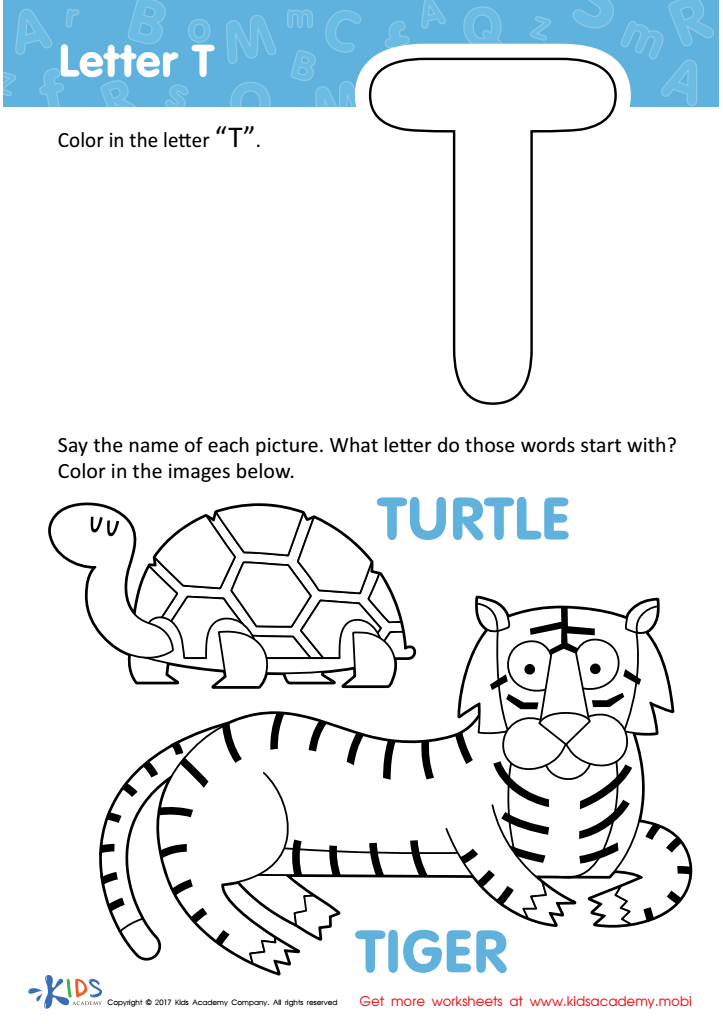
Letter T Coloring Sheet
 Assign to My Students
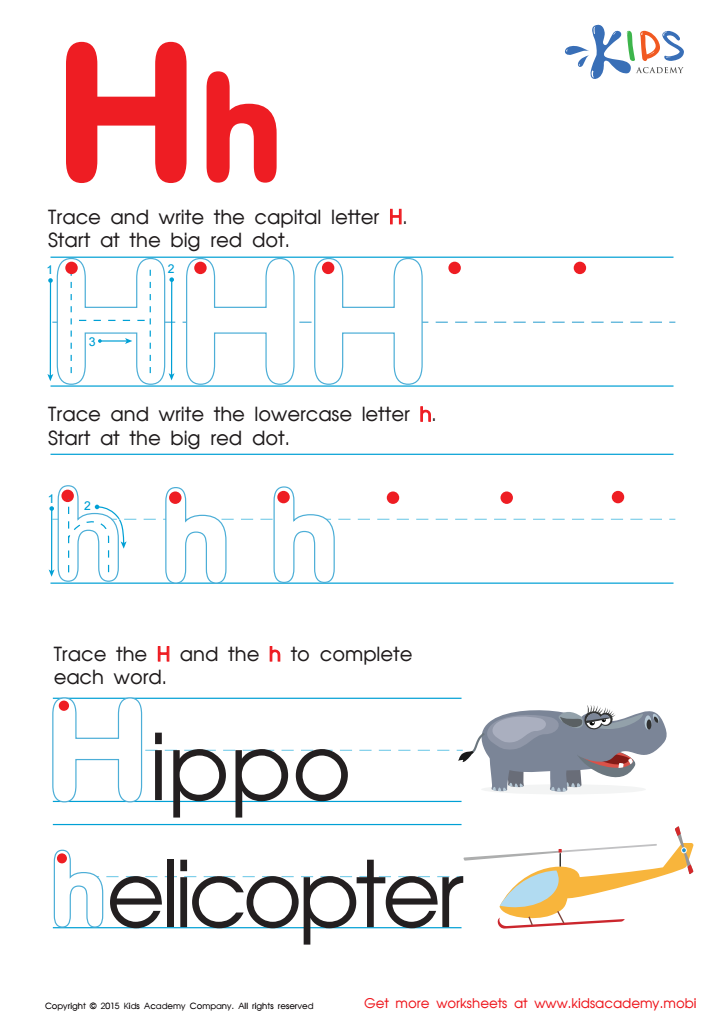
Letter H Tracing Page
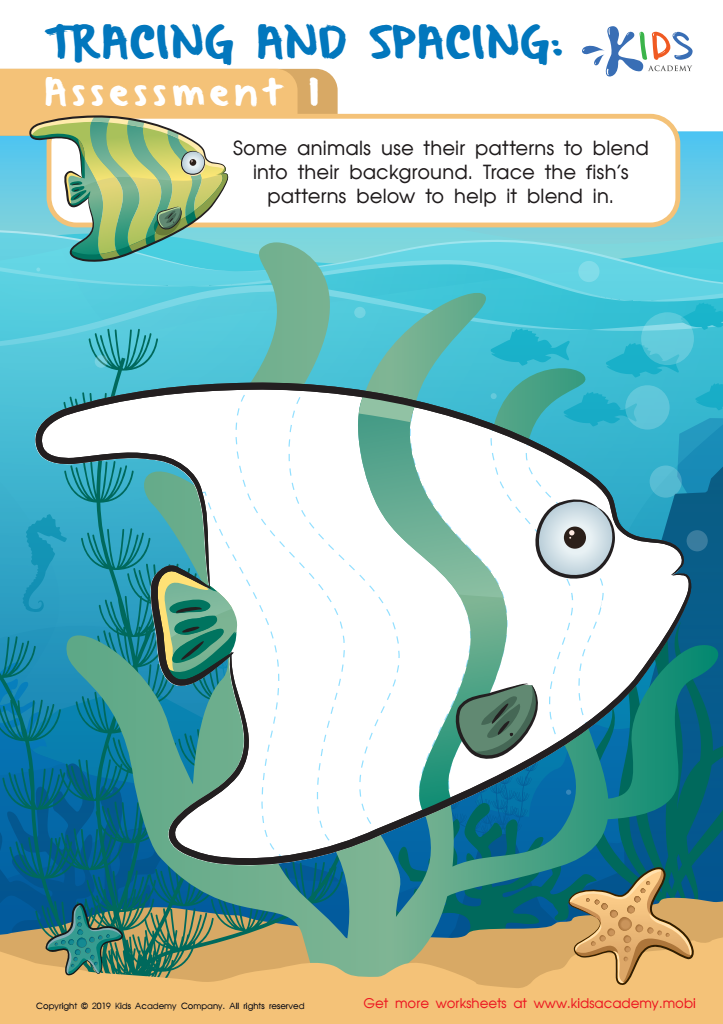
Tracing and Spacing: Assessment 1 Worksheet
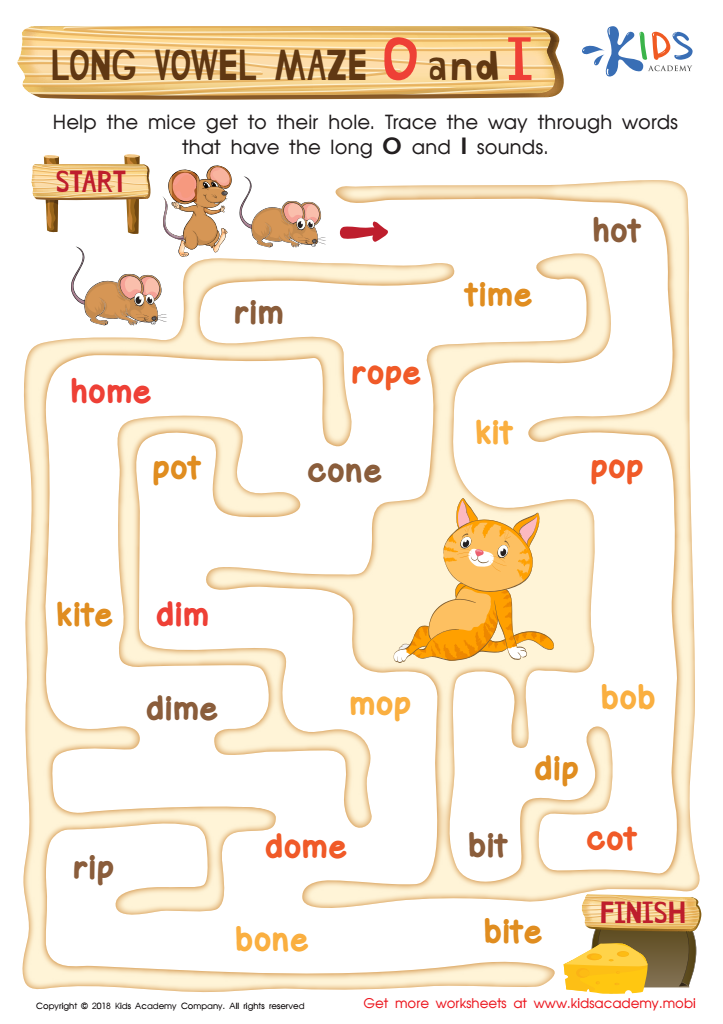
Long Vowel Maze /o/ and /i/ Worksheet
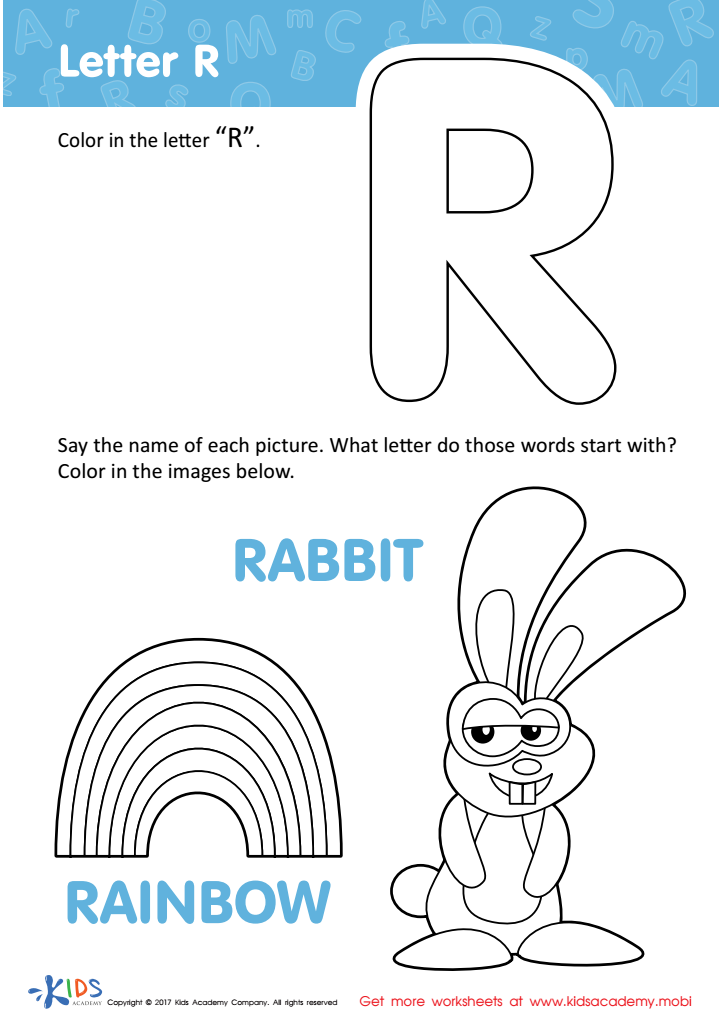
Letter R Coloring Sheet
Assign to My Students
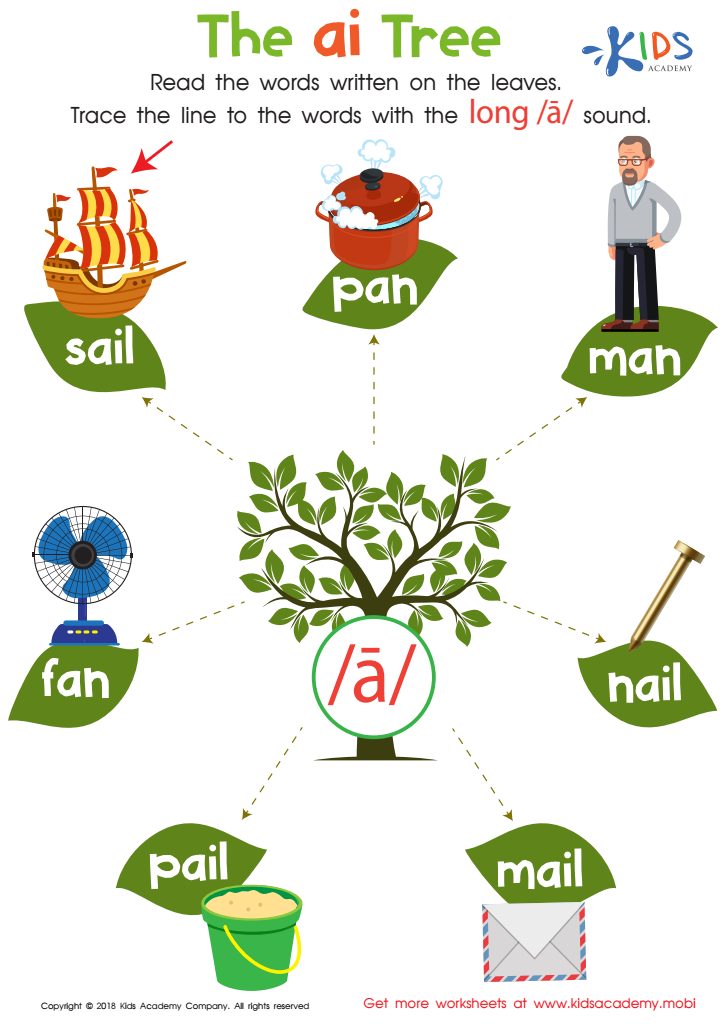
The AI Tree Worksheet
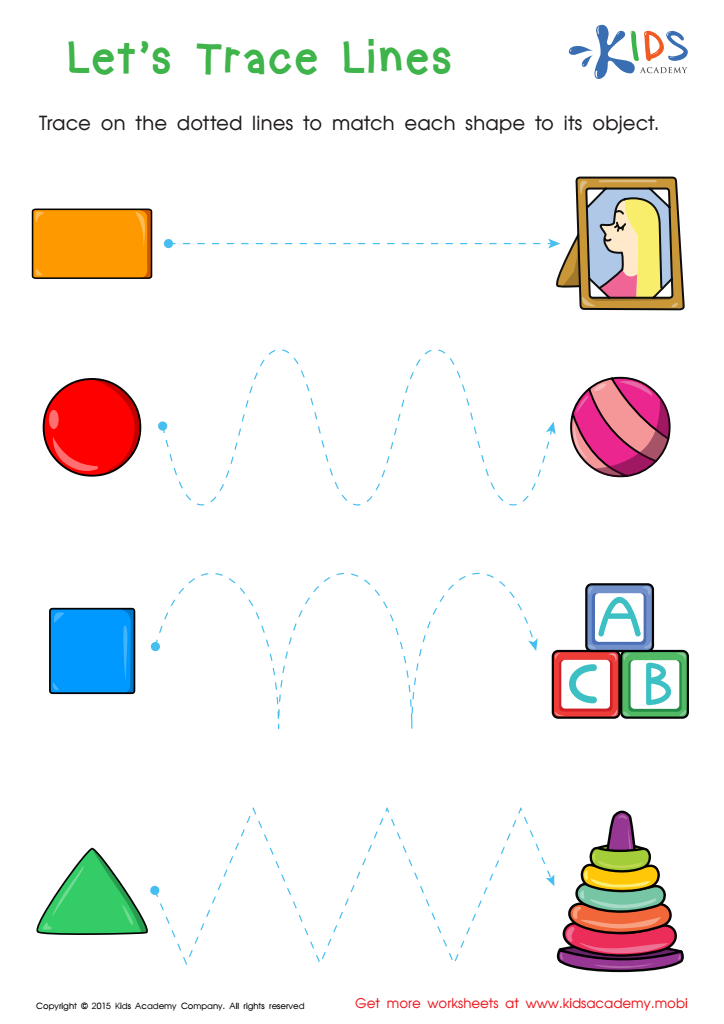
First Words: Let's Trace Lines Worksheet

Long and Short U Worksheet
Assign to My Students
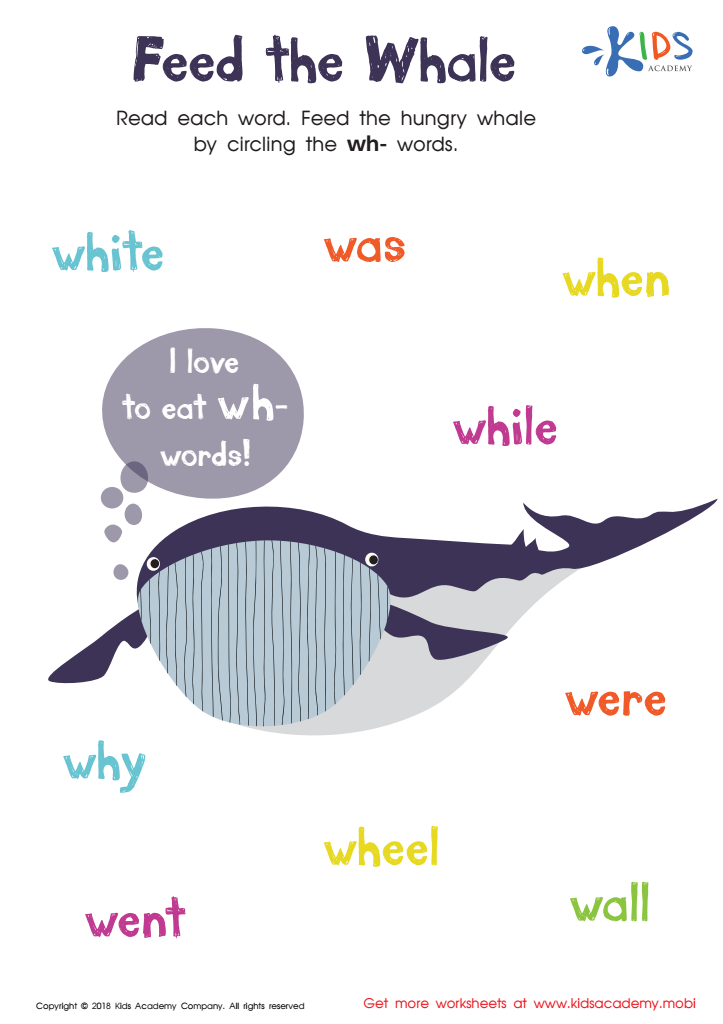
Feed the Whale Worksheet
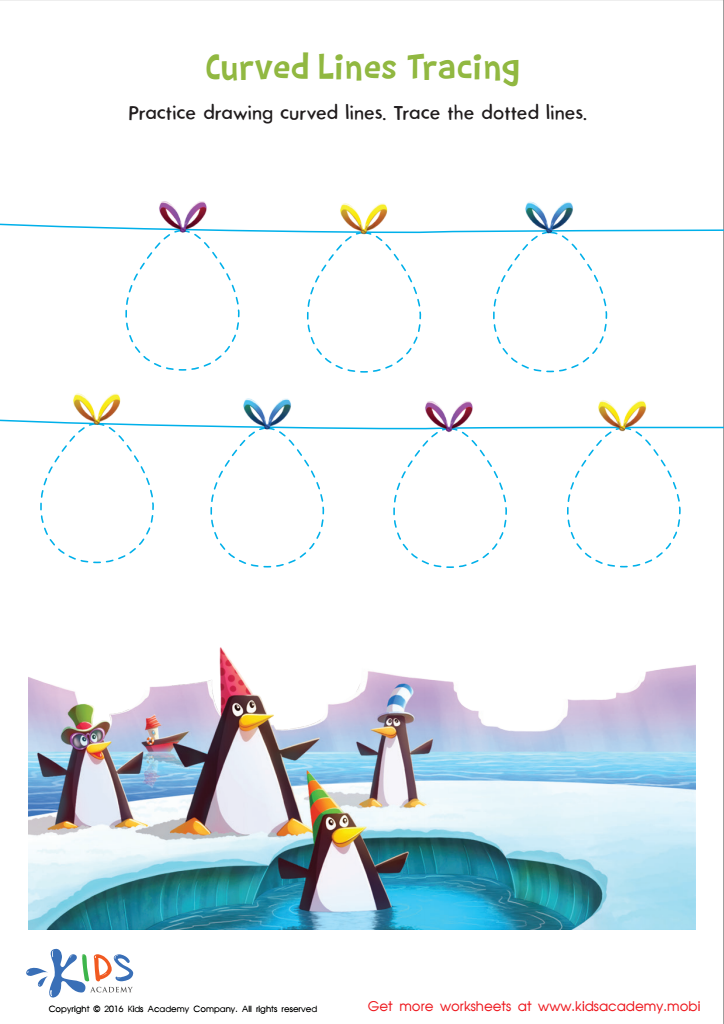
Curved Lines Tracing Worksheet
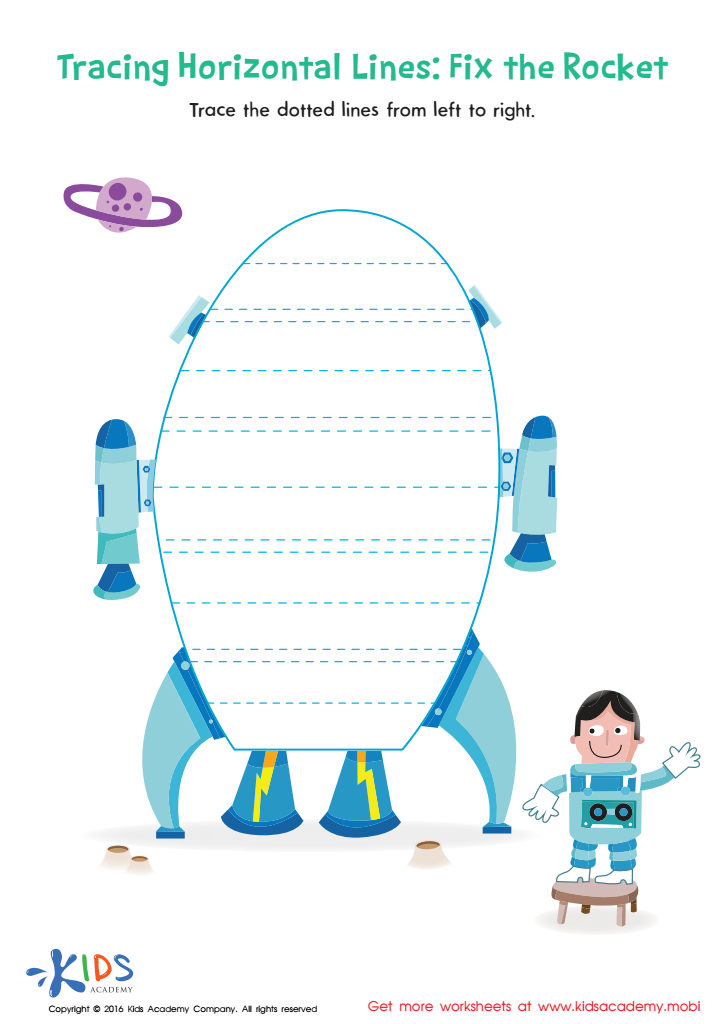
Tracing Horizontal Lines Worksheet
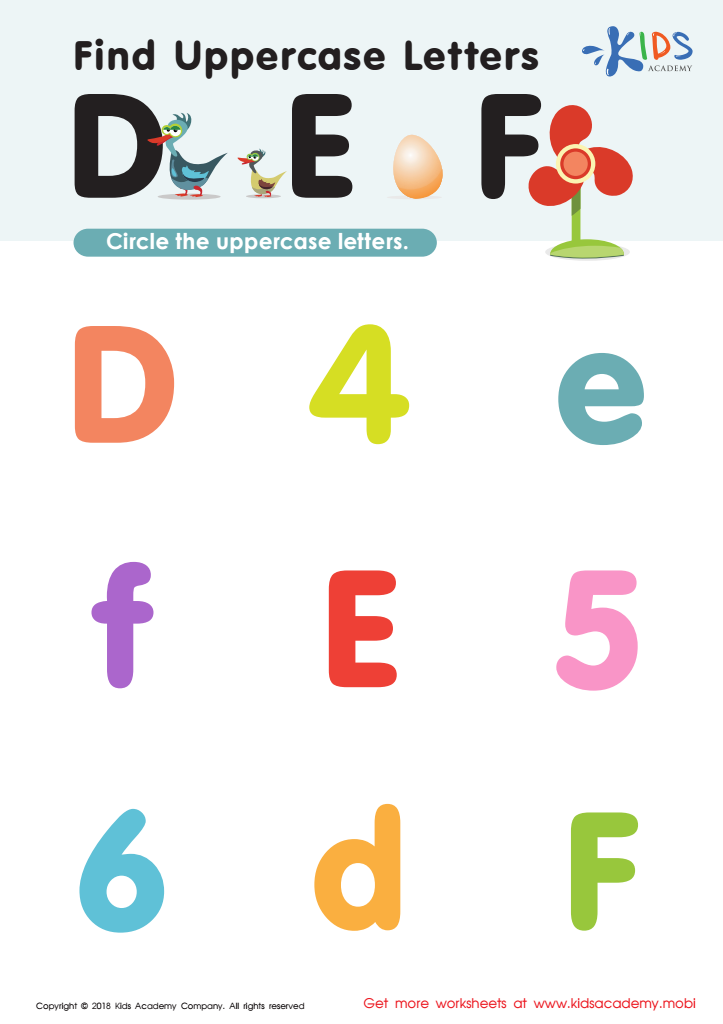
Find Uppercase Letters D, E, and F Worksheet
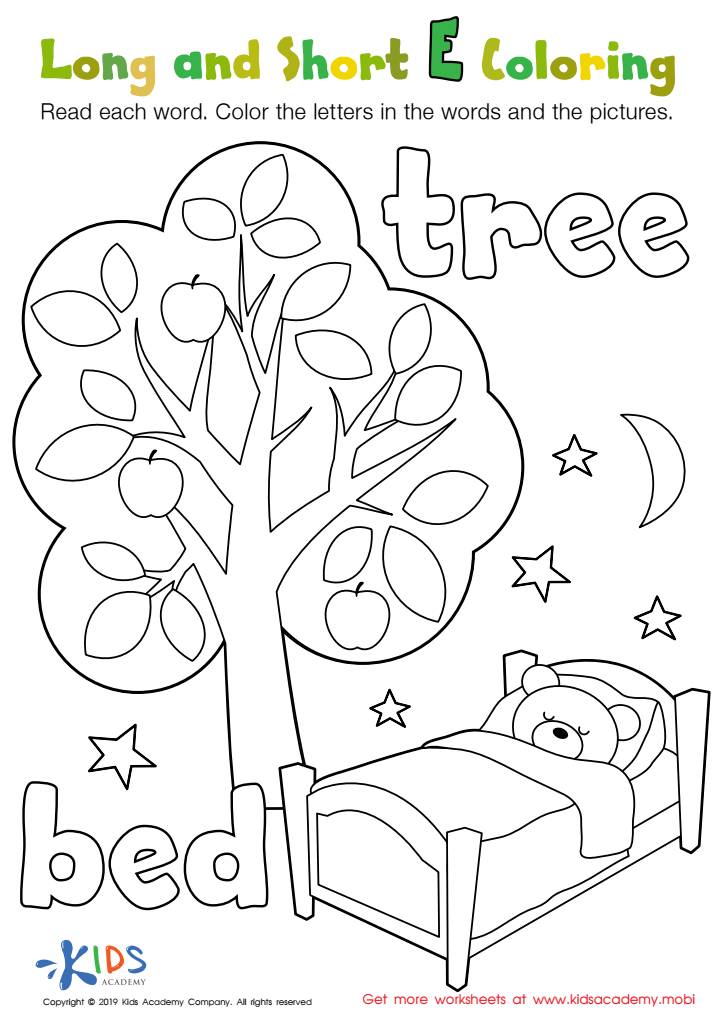
Long and Short E Worksheet
Assign to My Students
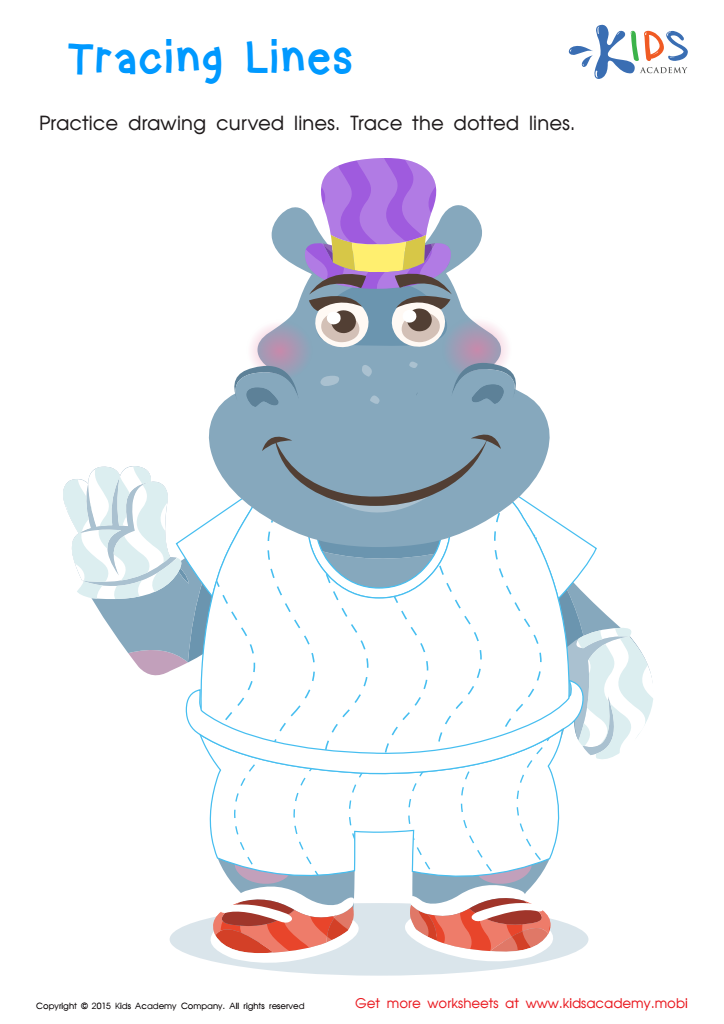
Tracing Lines Worksheet
Letter D Tracing Page





Hand-eye coordination is a pivotal skill for children aged 3-6, serving as a foundation for a myriad of essential developmental milestones. The Hand-eye Coordination Alphabet activity integrates the fundamental practice of recognizing and writing letters with coordinated movements, providing a dual advantage. Firstly, it bolsters literacy by ensuring children become familiar with the alphabet, a critical step toward reading and writing proficiency. Successful literacy at an early age is closely linked to academic achievement throughout a child's schooling experience.
Secondly, this activity nurtures fine motor skills, crucial for everyday tasks such as buttoning clothes, tying shoelaces, and eventually handwriting. Strong hand-eye coordination enhances a child’s ability to interact with their environment, fostering independence and boosting confidence in their capabilities.
Furthermore, engagement in such focused activities can improve a child’s concentration and persistence. These cognitive benefits are significant, as they translate into improved behaviors and learning habits in classroom settings. Consequently, parents and teachers should advocate for Hand-eye Coordination Alphabet exercises to ensure that children not only learn the essentials of literacy but also develop the physical coordination necessary for future success, both academically and in daily life skills. Prioritizing these activities sets a solid foundation for well-rounded development.







