Phonological awareness Alphabet Worksheets for Ages 3-6
8 filtered results
-
From - To
Discover our engaging Phonological Awareness Alphabet Worksheets for children ages 3-6, designed to build a strong foundation in early literacy. These interactive worksheets from Kids Academy help young learners identify and match letters, sounds, and words while honing essential phonological skills. Through playful activities like rhyming, alliteration, and sound segmentation, children will develop crucial listening and speaking abilities. Our colorful and captivating worksheets make learning fun and effective, ensuring your child's educational journey starts on the right note. Perfect for parents, teachers, and homeschoolers, these resources are tailored to support budding readers in a creative and enjoyable manner.
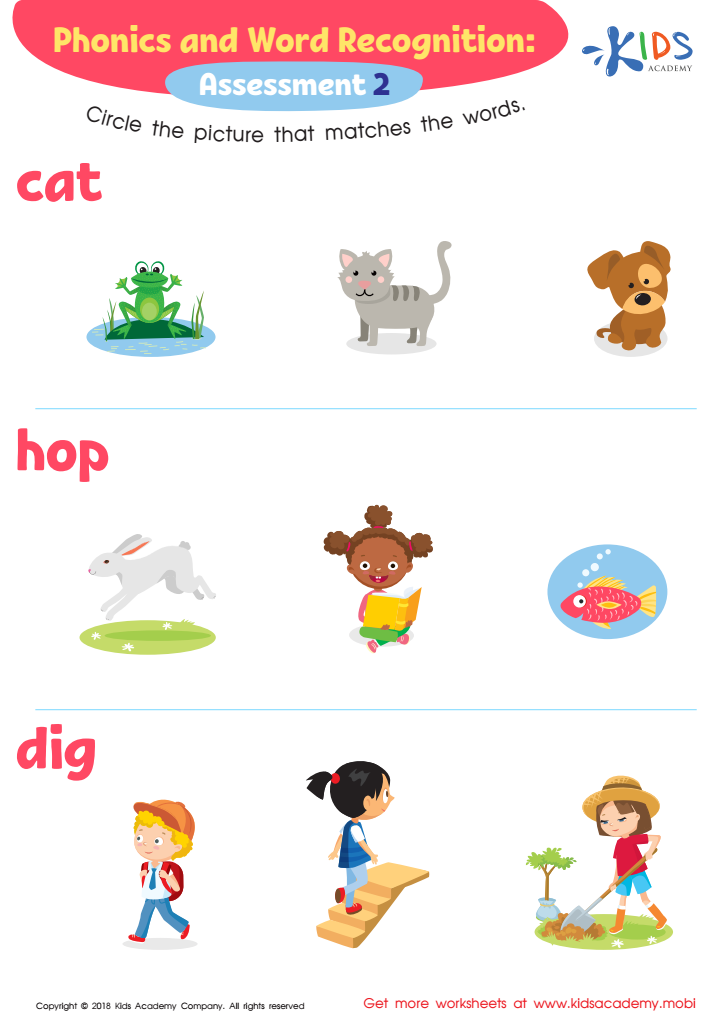
Phonological Awareness: Assessment 2 ELA Worksheet
 Assign to My Students
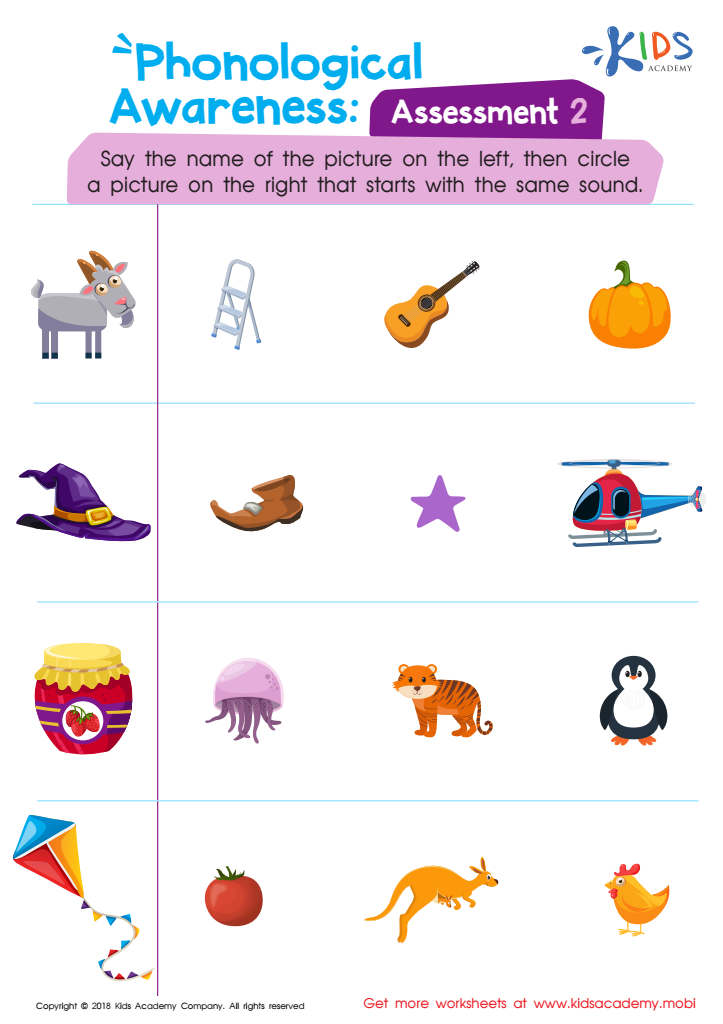
Phonological Awareness: Assessment 2 Worksheet
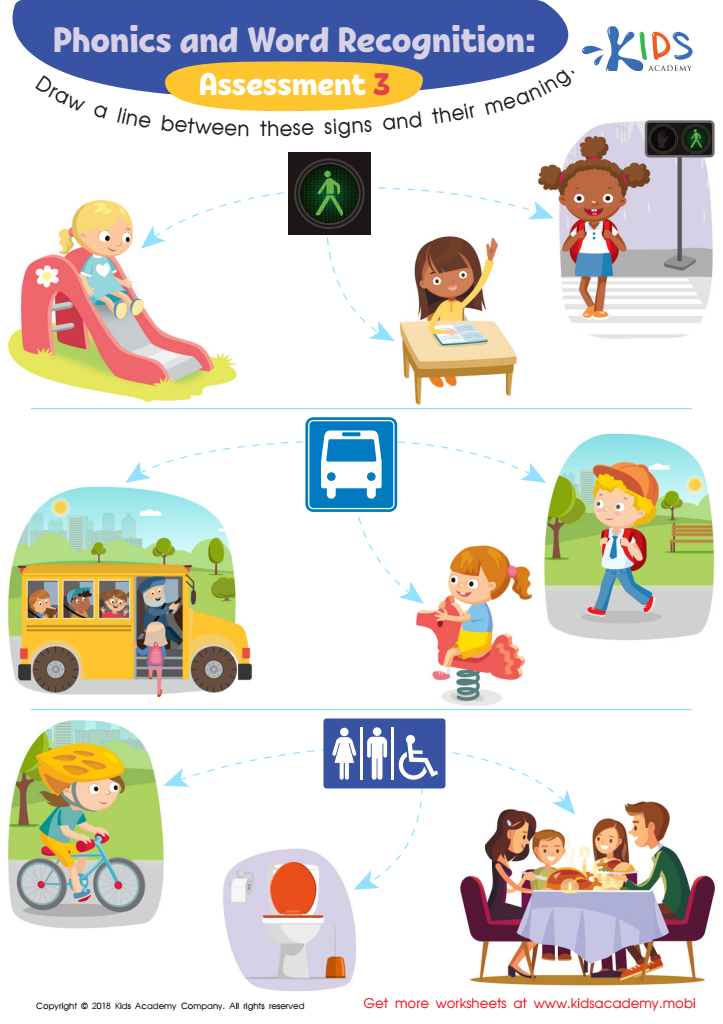
Phonological Awareness: Assessment 3 ELA Worksheet
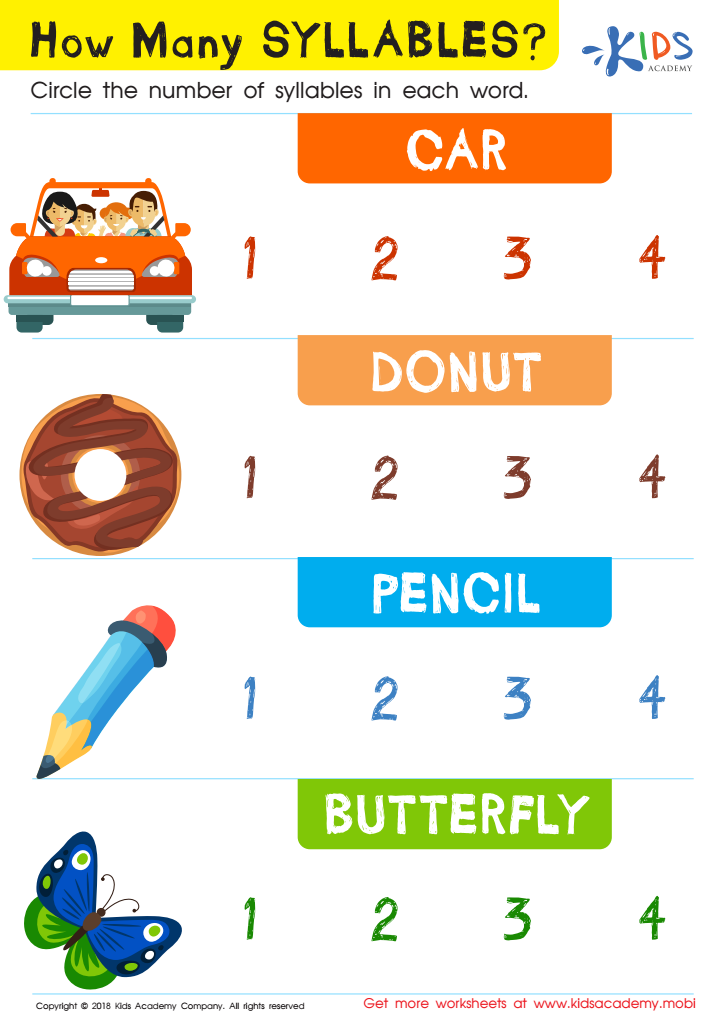
How Many Syllables? Worksheet
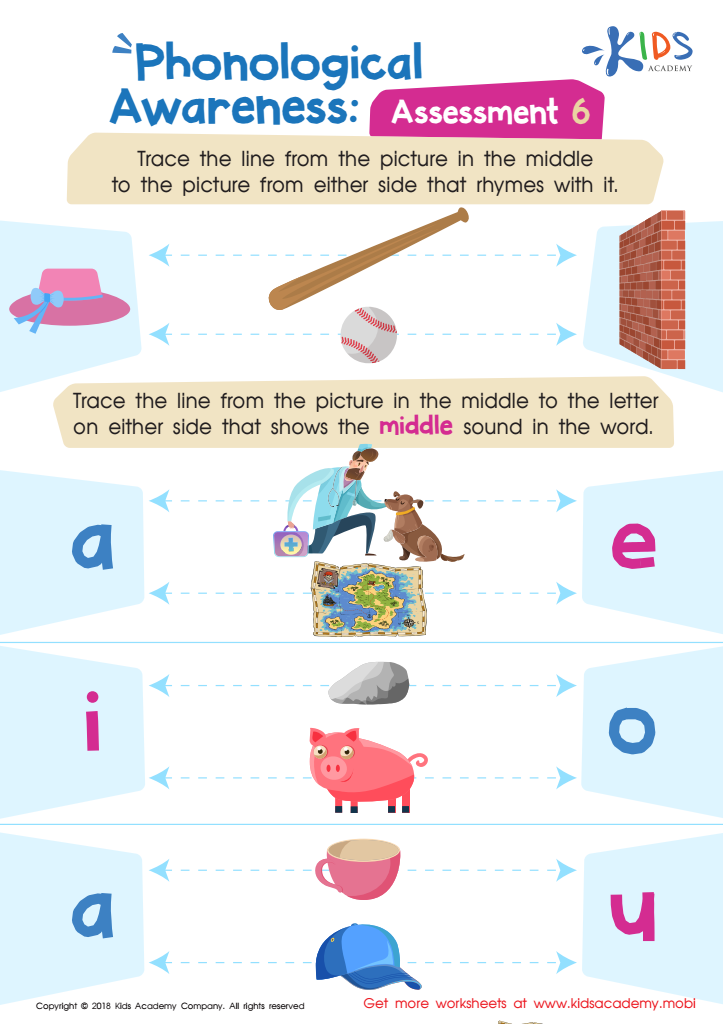
Phonological Awareness: Assessment 6 Worksheet
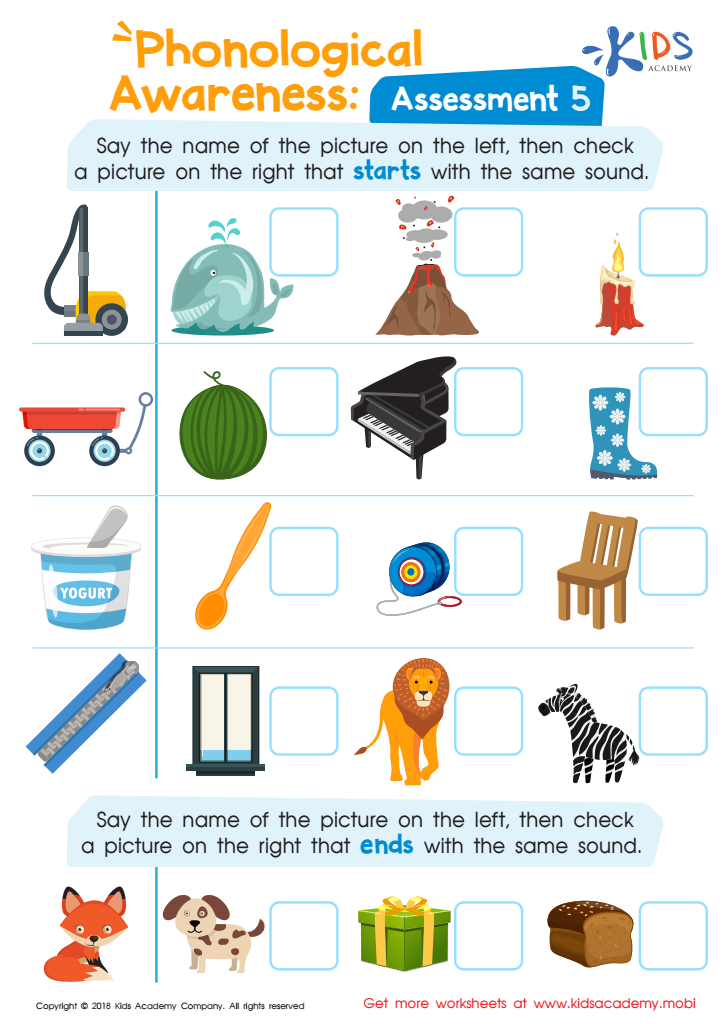
Phonological Awareness: Assessment 5 Worksheet
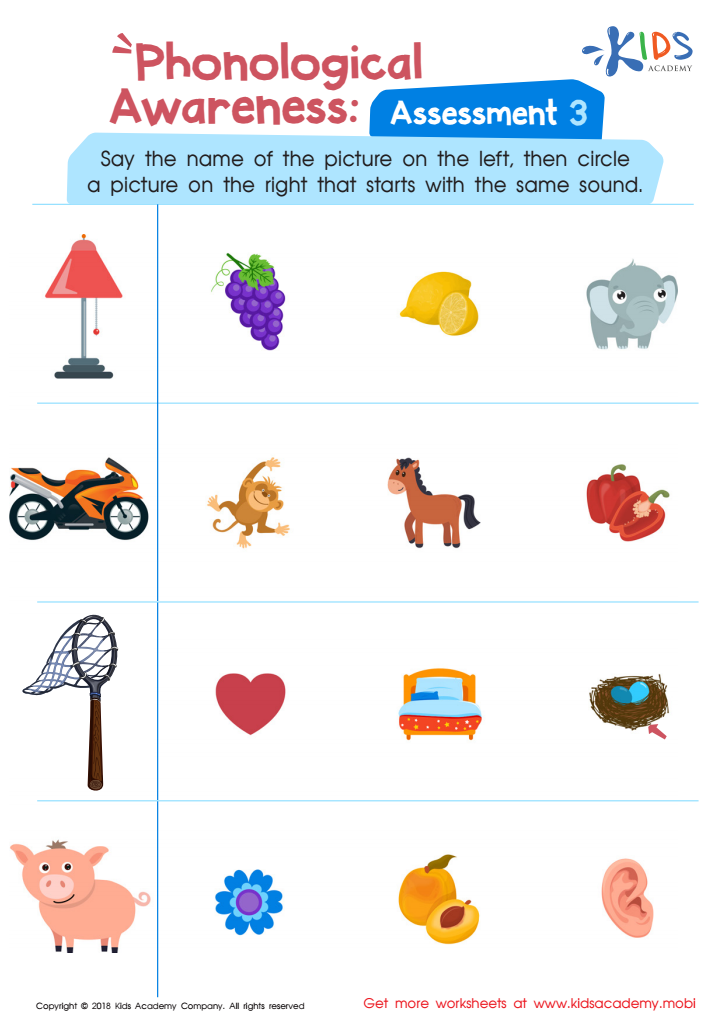
Phonological Awareness: Assessment 3 Worksheet
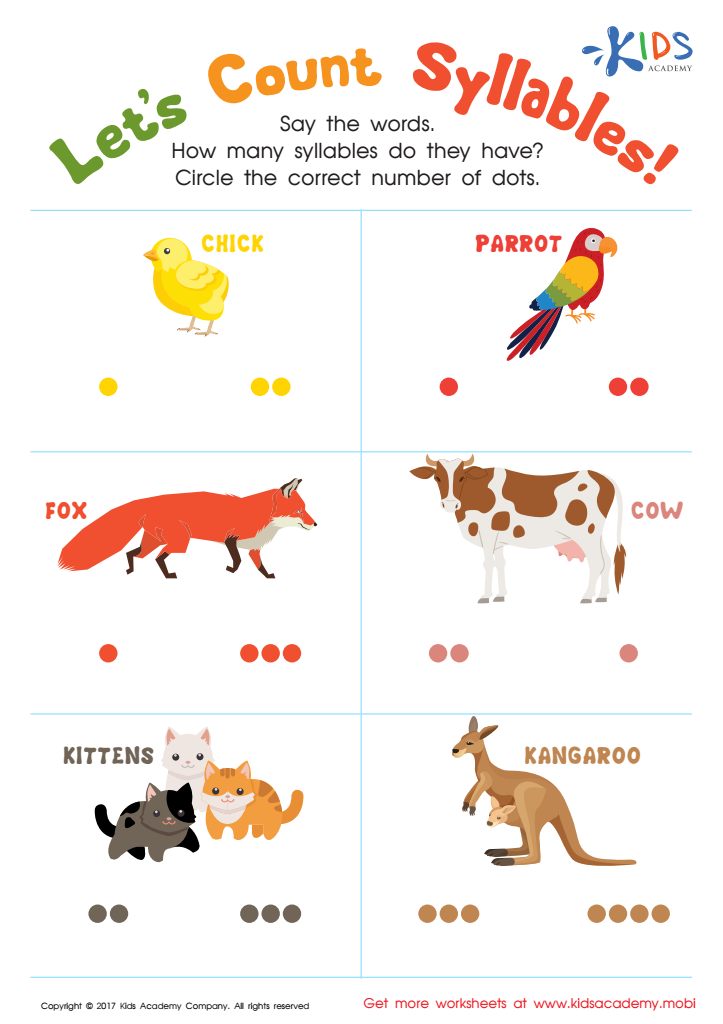
Lets Count Syllables Worksheet






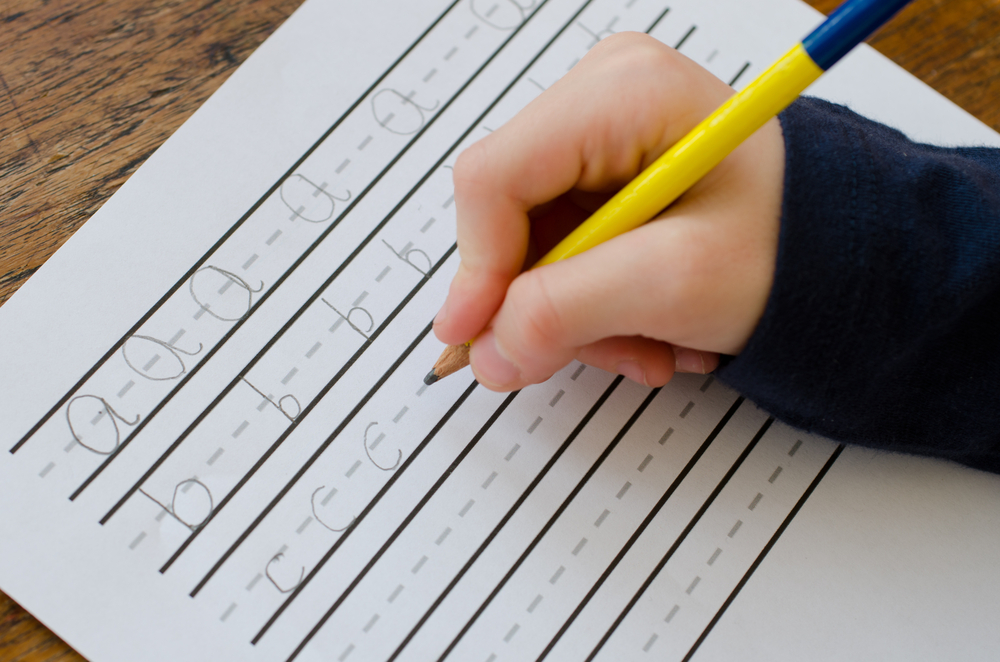
Phonological awareness and alphabet knowledge are foundational skills in early childhood education that significantly impact a child's future reading and writing abilities. For ages 3-6, these aspects are critical as they form the building blocks of literacy.
Phonological awareness refers to the ability to recognize and manipulate the sounds of spoken language, such as syllables, rhymes, and individual phonemes (sounds). Strong phonological awareness helps children understand the relationship between sounds and their corresponding letters, aiding in decoding words as they learn to read. Research shows that children with well-developed phonological awareness skills tend to have an easier time learning to read and are less likely to encounter reading difficulties.
Alphabet knowledge involves recognizing letters, knowing their names, and understanding that letters represent sounds. Familiarity with the alphabet is essential for spelling and reading. When children recognize letters and their sounds, they can begin to decode words and comprehend written text, fostering early reading success.
Parents and teachers should prioritize these skills to promote literacy development, enhance cognitive abilities, and build a strong foundation for lifelong learning. Engaging young children in playful, interactive activities like rhyming games, letter sounds, and reading aloud together can make learning fun and impactful, setting them on a path to academic success.







