Letter I Worksheets for Ages 3-6
5 filtered results
-
From - To
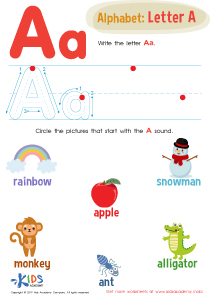
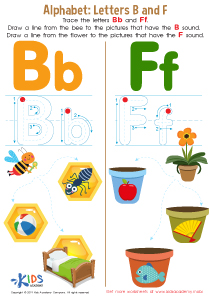
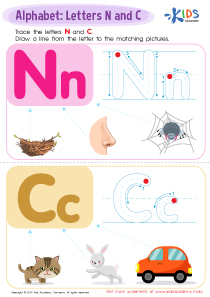
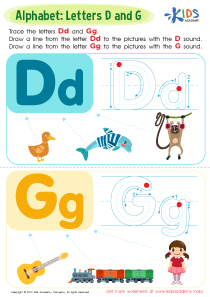
Discover our engaging "Letter I Worksheets for Ages 3-6," designed to enhance early literacy skills through fun and interactive activities. These printable worksheets focus on familiarizing children with the letter I, featuring colorful illustrations and games that promote learning through play. Children will practice tracing, identifying, and writing the letter I while exploring words that begin with this letter, such as 'igloo' and 'ice cream.' Our resources support the development of fine motor skills and boost letter recognition, helping young learners build a strong foundation for reading and writing. Perfect for home or classroom use, these worksheets make learning enjoyable!
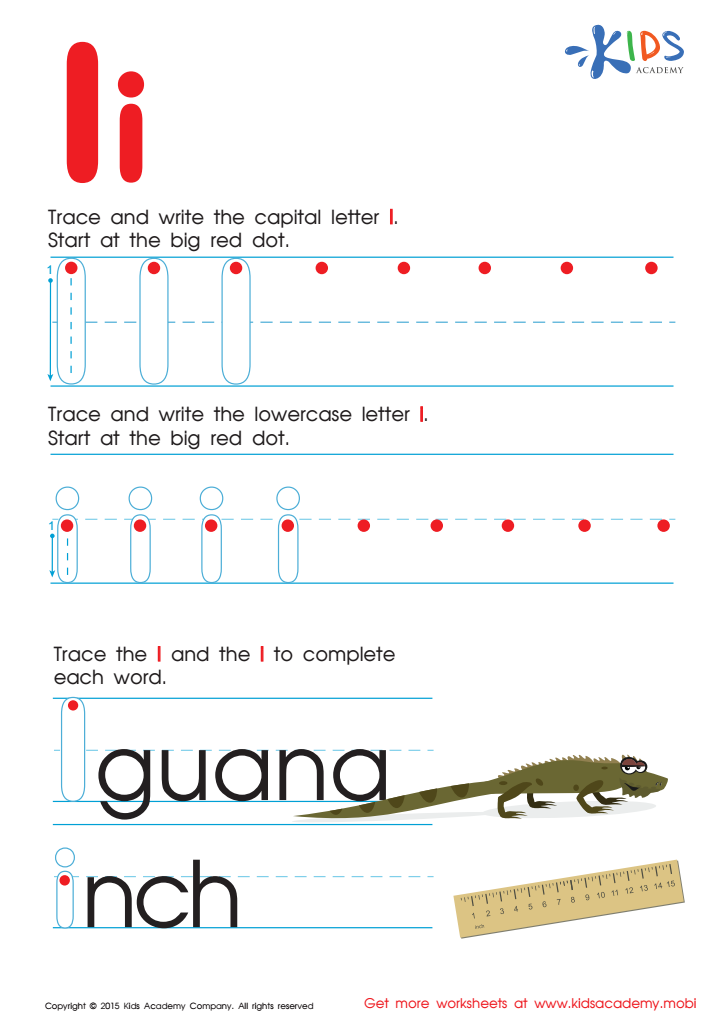
Letter I Tracing Page
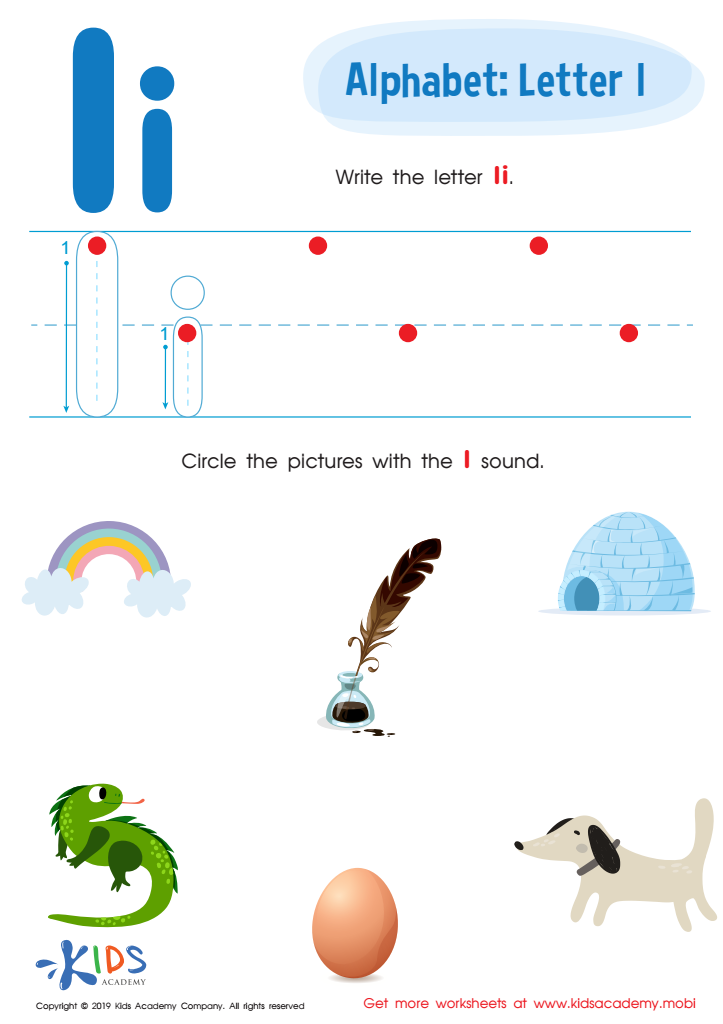
Letter I Tracing Worksheet
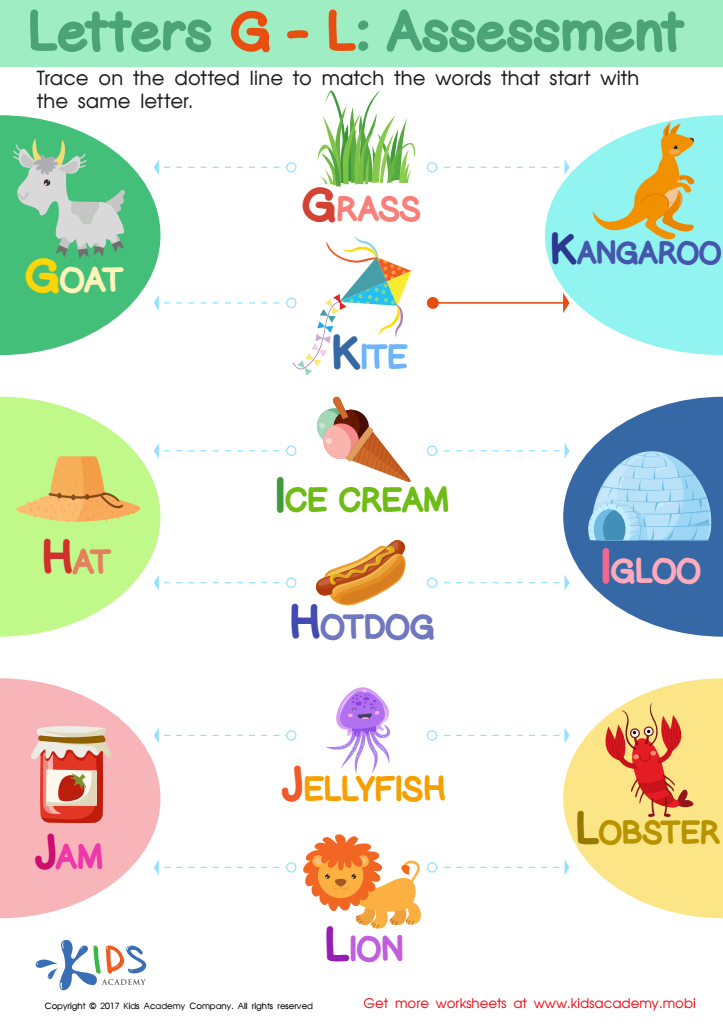
Letters G-L Worksheet
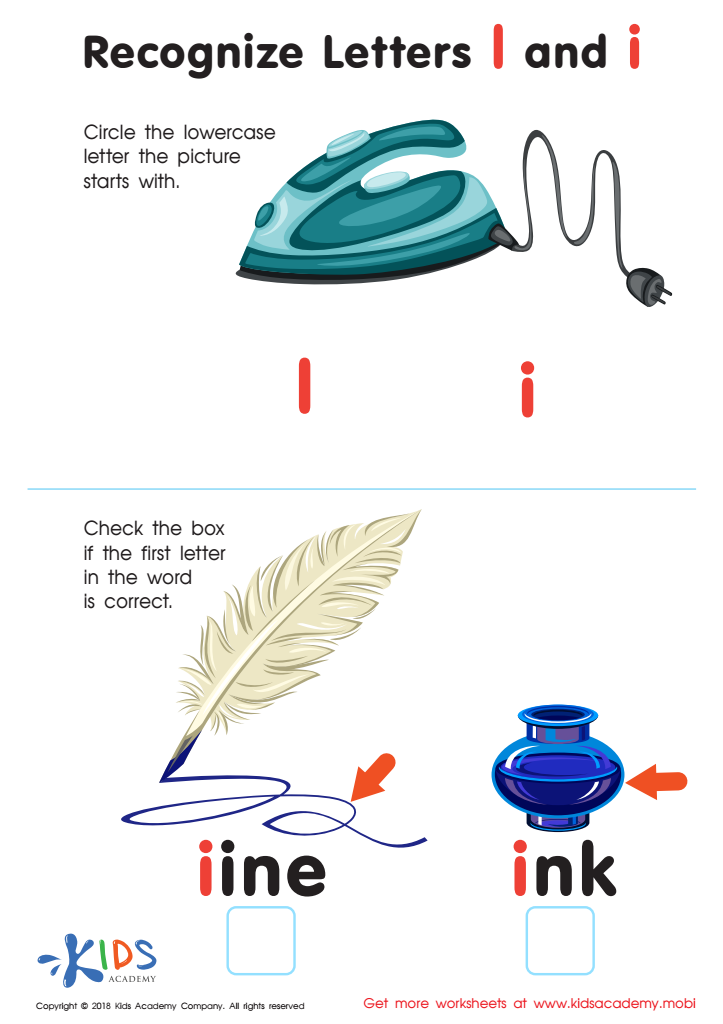
Recognize Letters l and i Worksheet
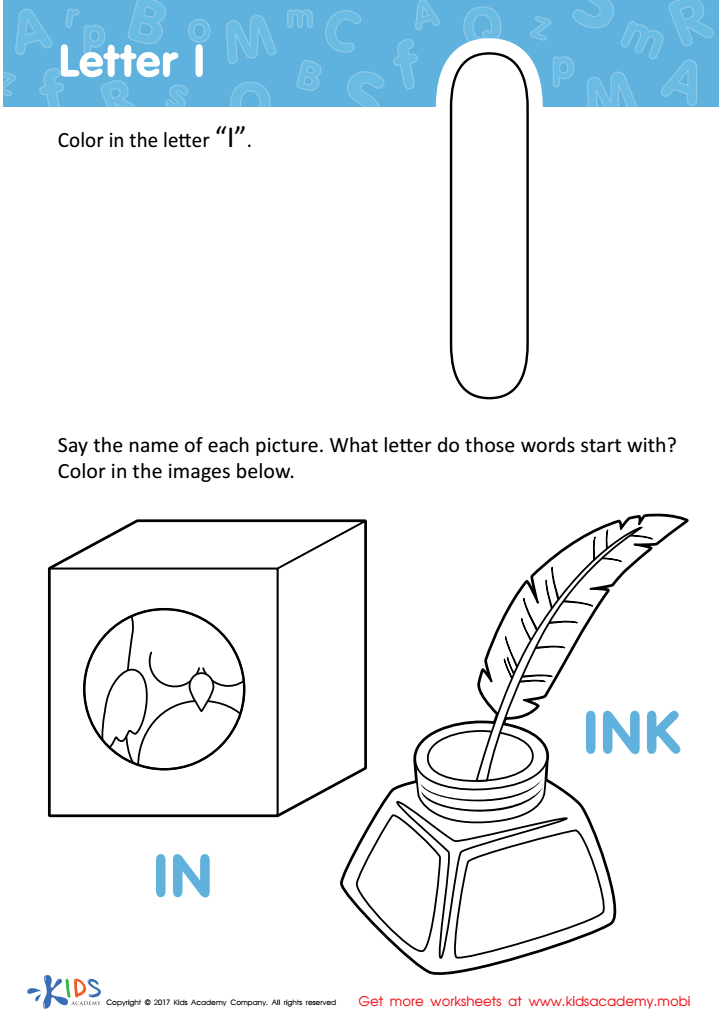
Letter I Coloring Sheet
 Assign to My Students






The letter "I" holds significant importance for children ages 3-6 as it represents not just a letter of the alphabet, but also a critical building block in their literacy development. Recognizing and learning about the letter "I" helps young learners develop phonemic awareness, or the ability to hear, identify, and manipulate individual sounds in words. This skill is crucial for reading and writing proficiency later in life.
Moreover, the letter "I" introduces children to words that start with its sound, such as "igloo," "insect," and "island," enhancing their vocabulary. Incorporating creative activities centered around the letter "I" can make learning engaging and fun, such as crafting an igloo from paper or pretending to be insects, which reinforces their understanding through play.
Teachers and parents should also note that recognizing and categorizing letters fosters critical thinking skills. Engaging with letter "I" may include storytelling, singing, or drawing activities, which are integral for brain development at this stage.
In essence, nurturing familiarity with the letter "I" sets a solid foundation for literacy, fosters a love for learning, and develops essential cognitive skills, ensuring that children are well-prepared for future educational success.