Long And Short Vowel Worksheets for Ages 3-6
9 filtered results
-
From - To
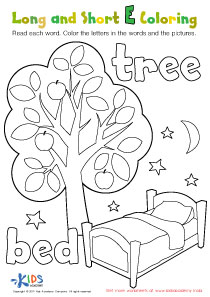
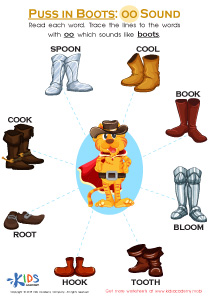
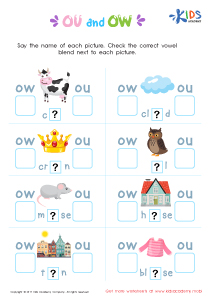
Discover a fun and engaging way to teach young learners with our Long and Short Vowel Worksheets designed specifically for children ages 3-6. These worksheets enhance phonemic awareness by helping kids differentiate between long and short vowel sounds through playful activities and colorful illustrations. Each worksheet offers interactive exercises that promote early reading skills, making learning vowels enjoyable and effective. Ideal for homeschooling or classroom use, our materials support early literacy development while keeping little ones entertained. Visit our website today to access a variety of creative worksheets that nurture a lifetime love for reading!
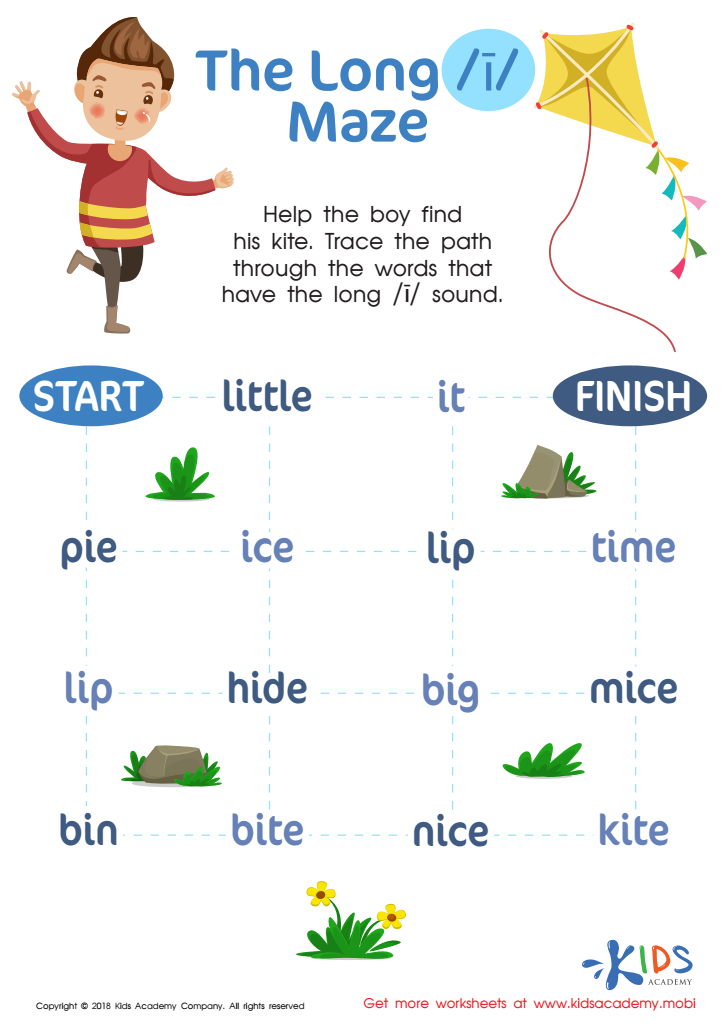
The Long I Maze Reading Worksheet
 Assign to My Students
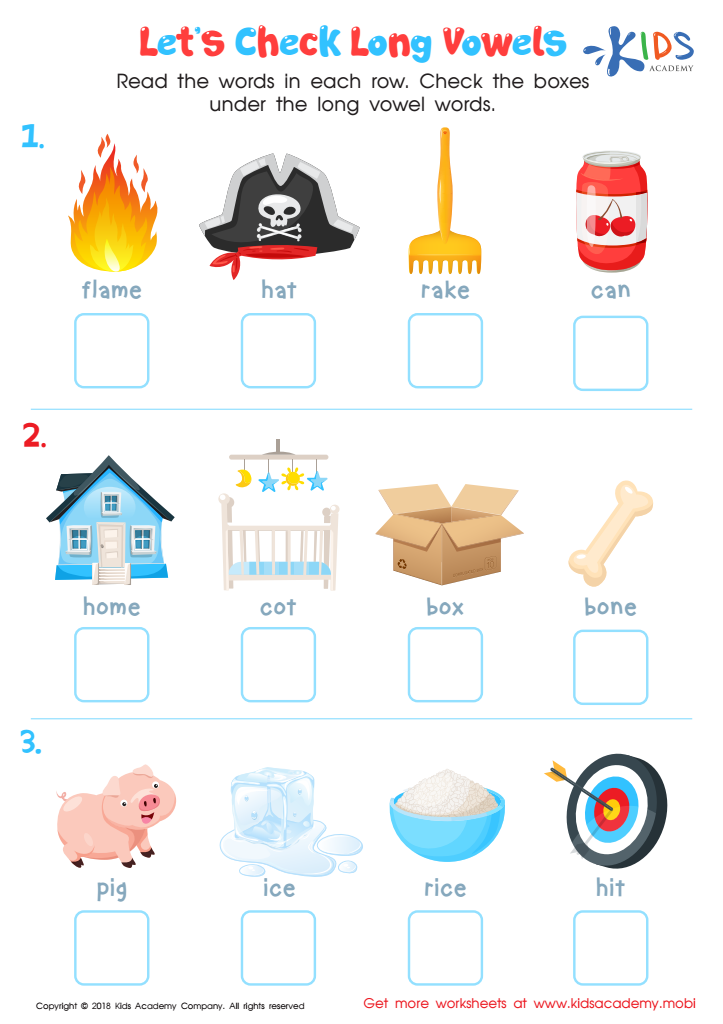
Let's Check Long Vowels: Assessment Worksheet
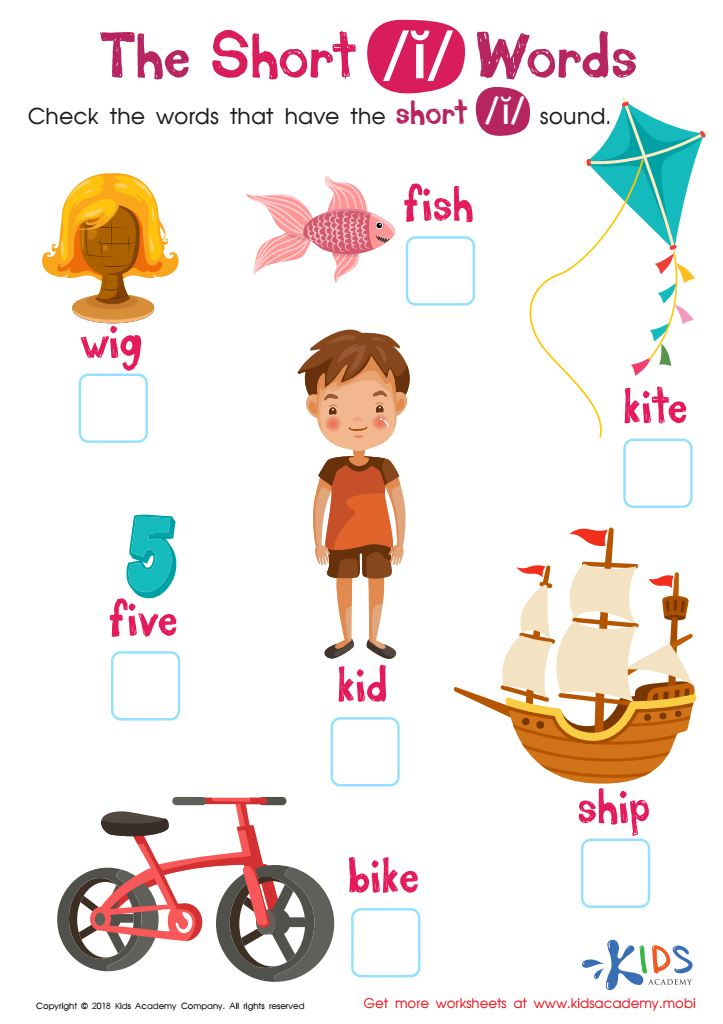
The Short I Words Reading Worksheet
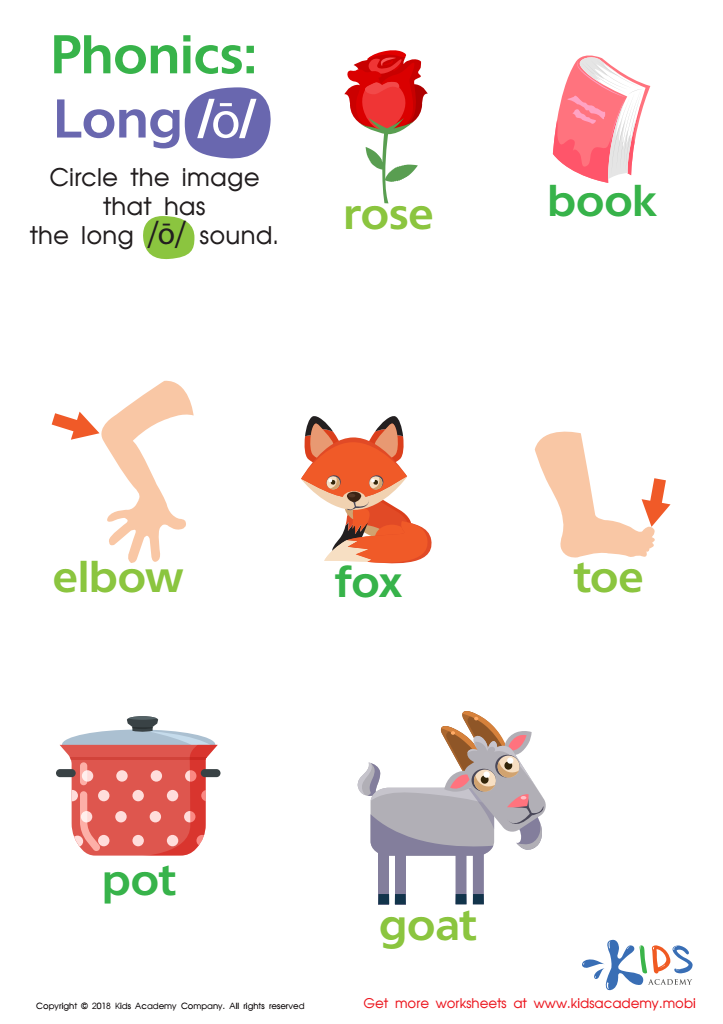
Phonics Long O Reading Worksheet
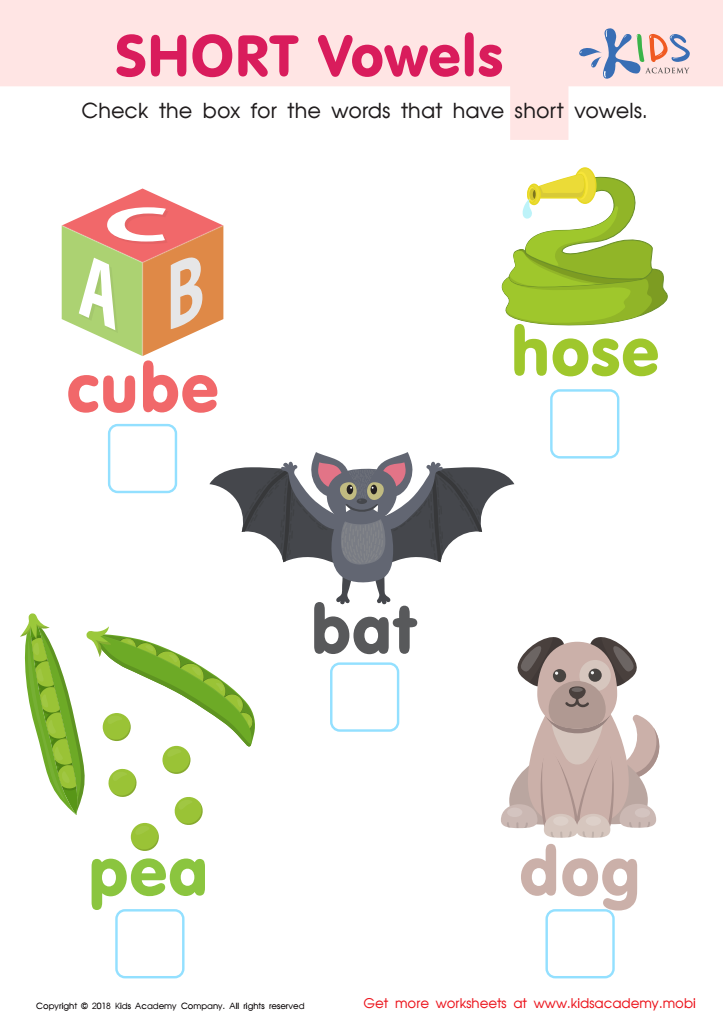
short vowels Worksheet
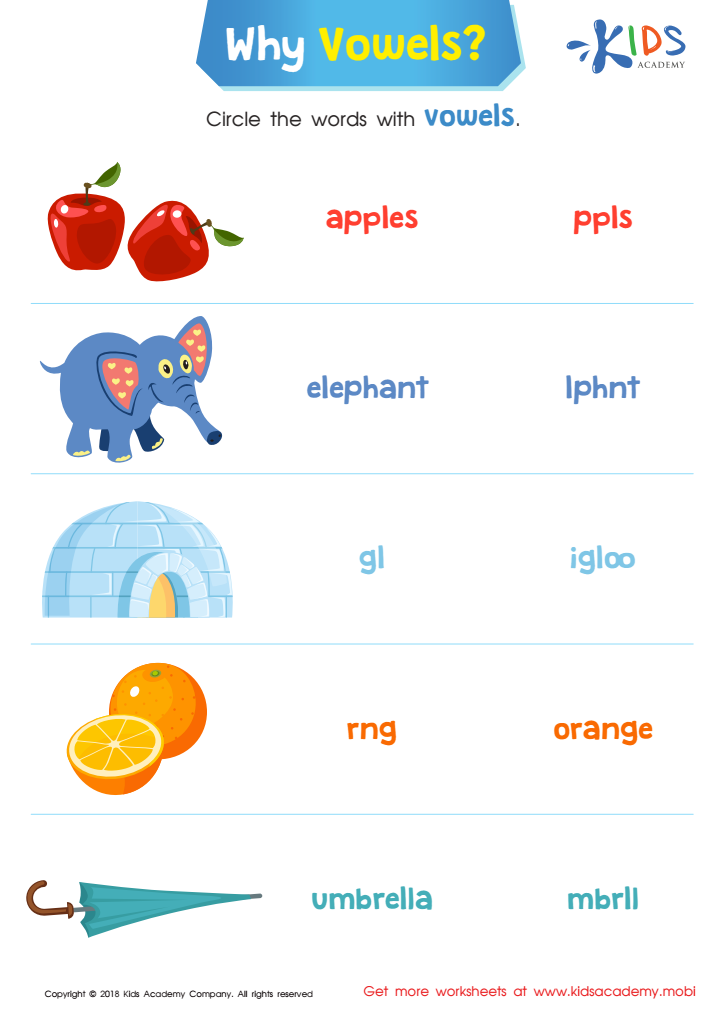
Why Vowels? Reading Worksheet
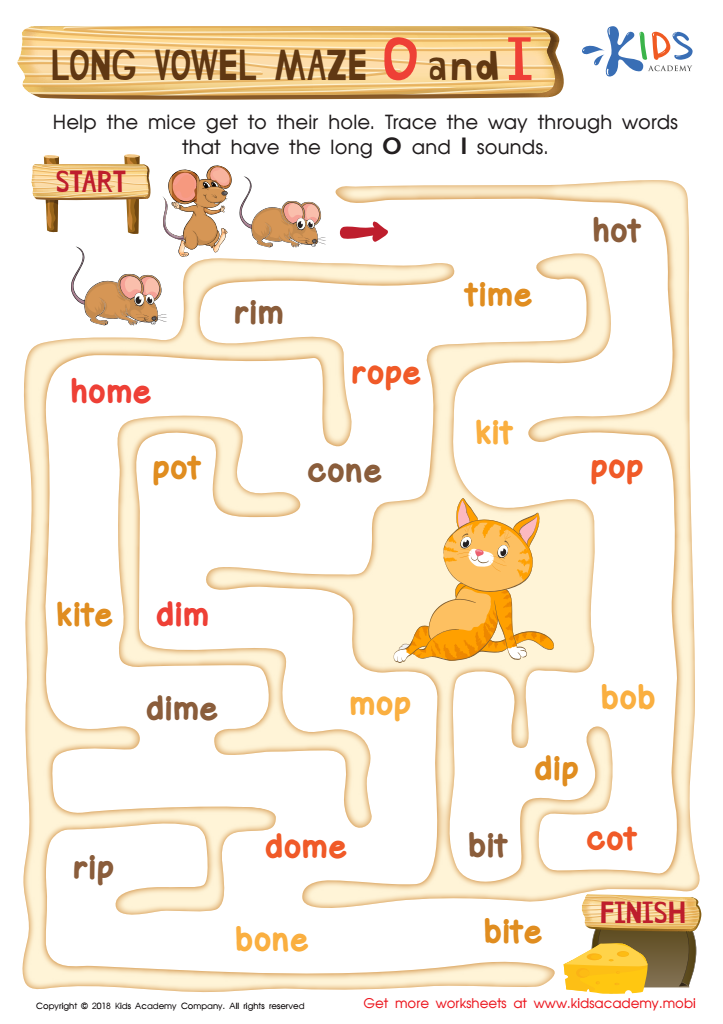
Long Vowel Maze /o/ and /i/ Worksheet
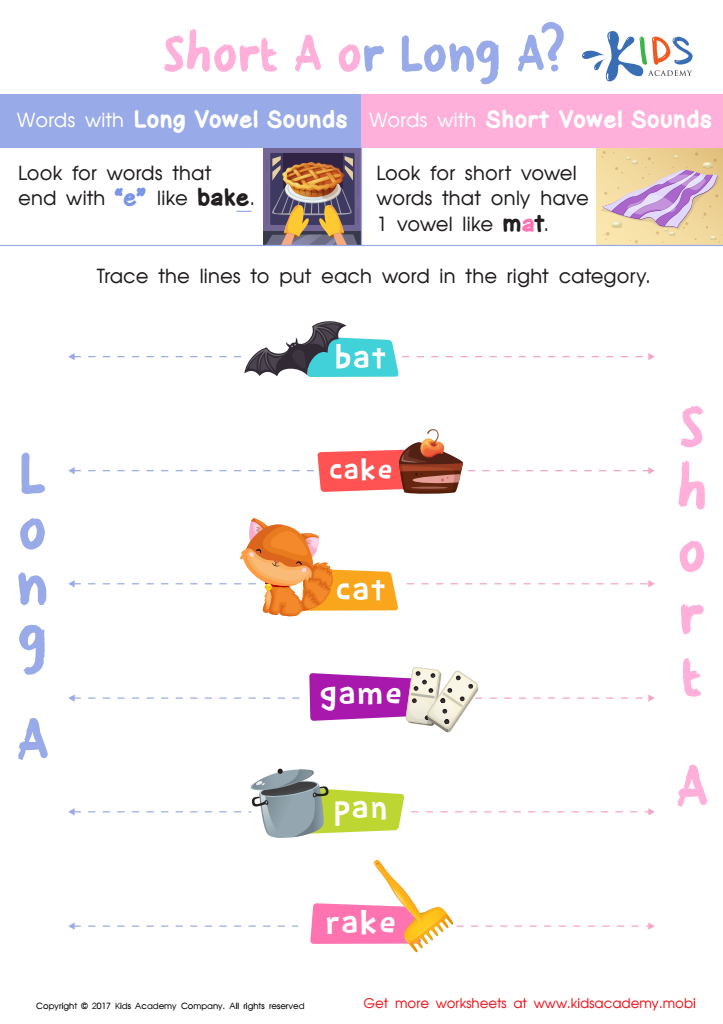
Short /a/ or Long /a/? Worksheet
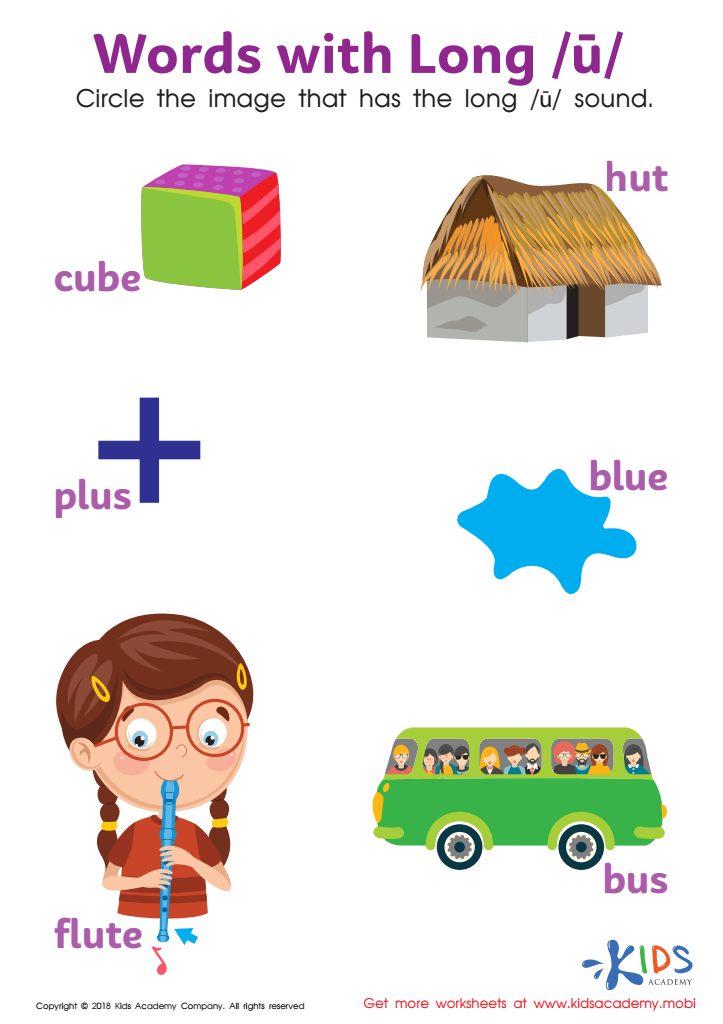
Words with Long U Reading Worksheet




Long and short vowels are foundational concepts in early literacy that significantly impact a child's reading and writing development. For children aged 3 to 6, understanding vowel sounds is crucial as they begin to decode words and develop phonemic awareness. Long vowels sound like the letter name (e.g., "A" in "cake"), while short vowels have distinct sounds (e.g., "A" in "cat").
Parents and teachers should care about these distinctions because a solid grasp of vowel sounds enhances children's ability to read and spell. Early exposure to phonics, including long and short vowels, lays the groundwork for proficient reading skills and fosters a love for literature. Mastery of these concepts also aids in reducing frustrations with reading difficulties, contributing to a child’s overall confidence and motivation.
Furthermore, incorporating activities that focus on vowel sounds, such as songs, games, and storytelling, can make learning enjoyable and effective. Engaging children in this process not only strengthens their cognitive skills but also enhances their communication abilities, essential for success in school and beyond. Thus, by supporting the understanding of long and short vowels, parents and teachers are contributing to a child’s critical early development in literacy.