Letter recognition Tracing Letters Worksheets for Ages 3-6
26 filtered results
-
From - To
Welcome to our Letter Recognition Tracing Letters Worksheets designed for children aged 3-6! These engaging worksheets are perfect for young learners to practice identifying and writing each letter of the alphabet. With fun illustrations and interactive exercises, children will enhance their fine motor skills and boost their confidence in letter recognition. Our resources offer a variety of tracing activities that not only make learning enjoyable but also promote essential early literacy skills. Each worksheet is tailored to support your child’s developmental journey, making it easier for them to learn the letters they need for reading and writing success. Start their learning adventure today!
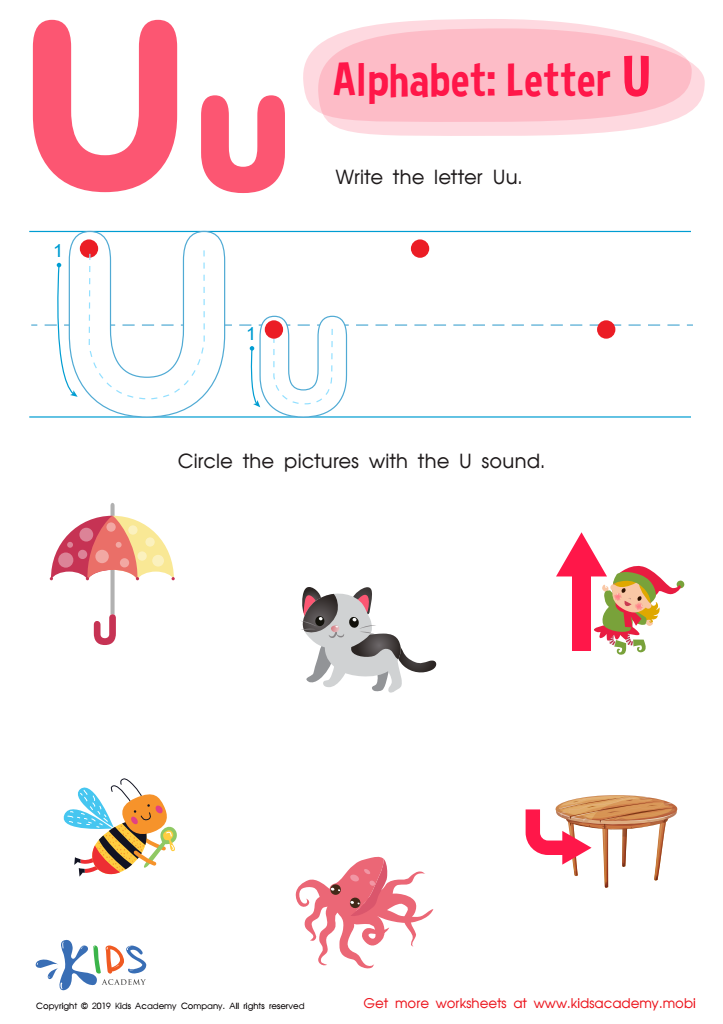
Letter U Tracing Worksheet
 Assign to My Students
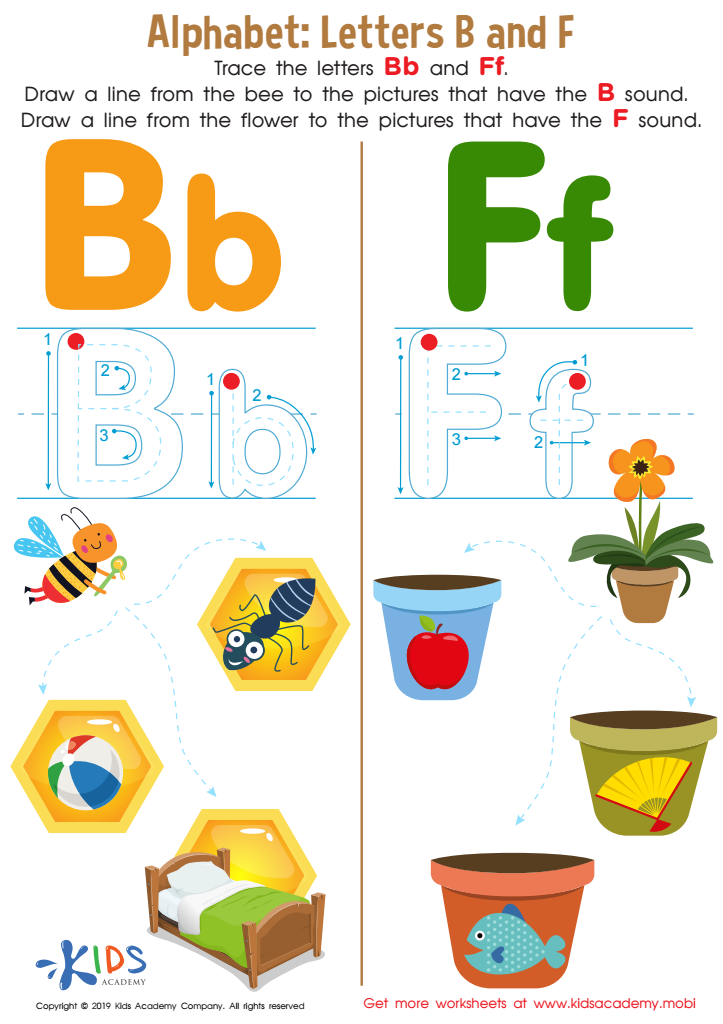
Letters B and F Tracing Worksheet
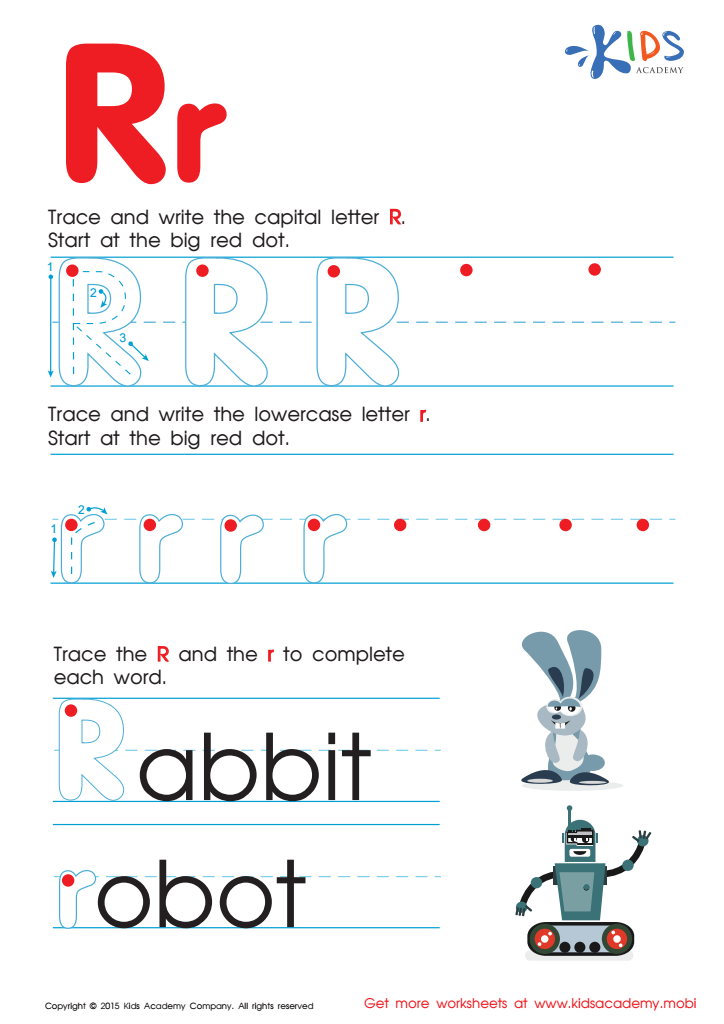
Letter R Tracing Page
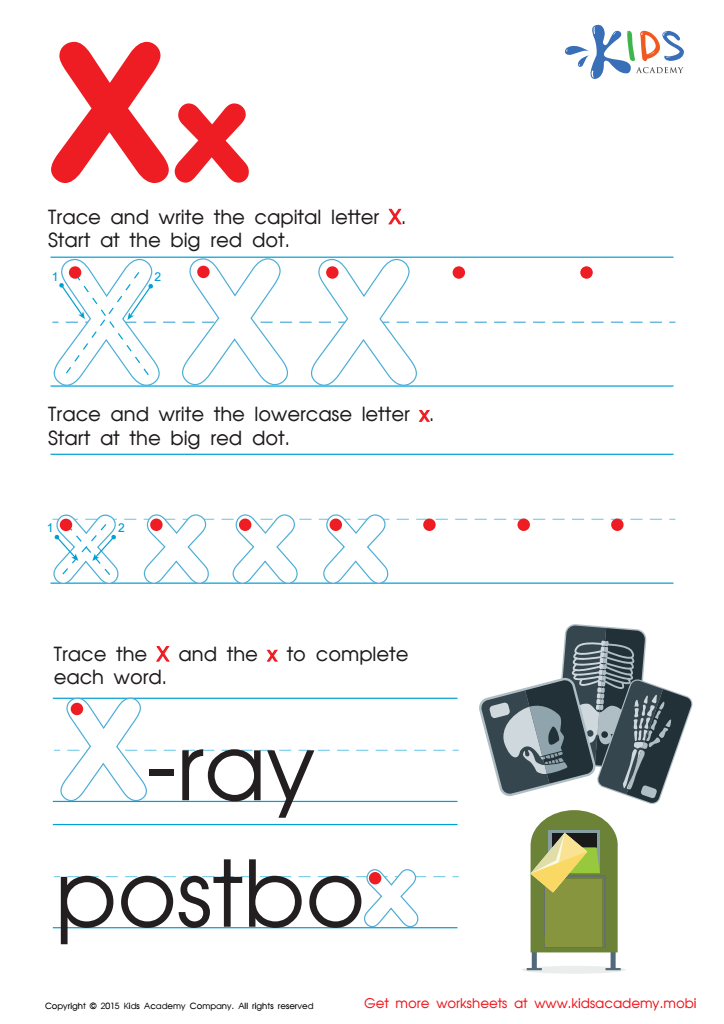
Letter X Tracing Page

Letter P Tracing Page
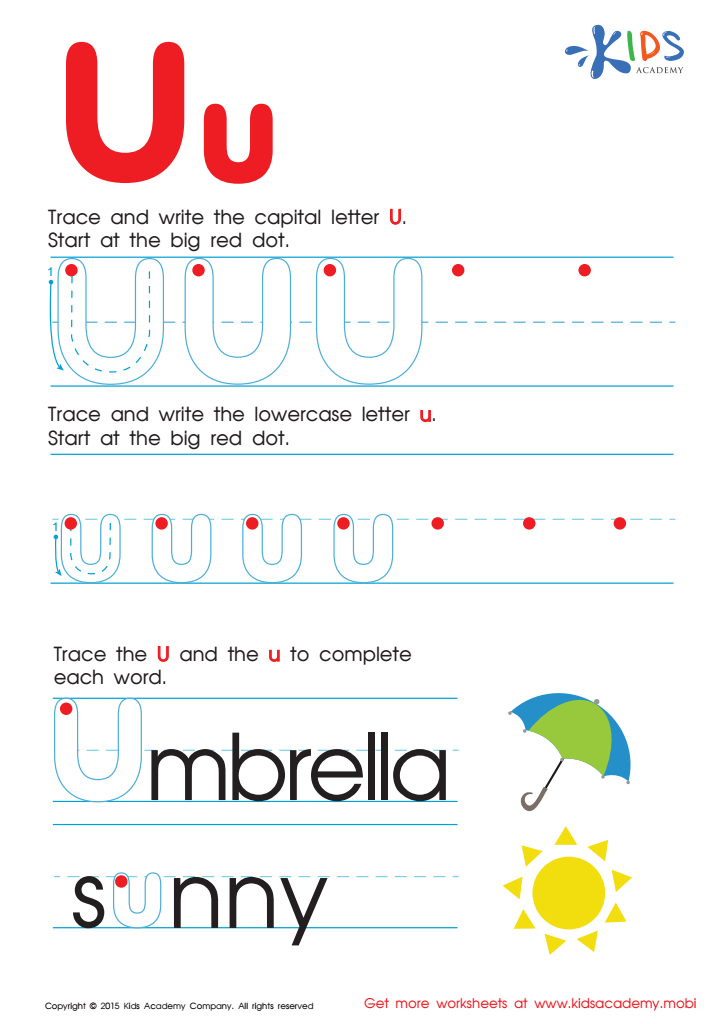
Letter U Tracing Page
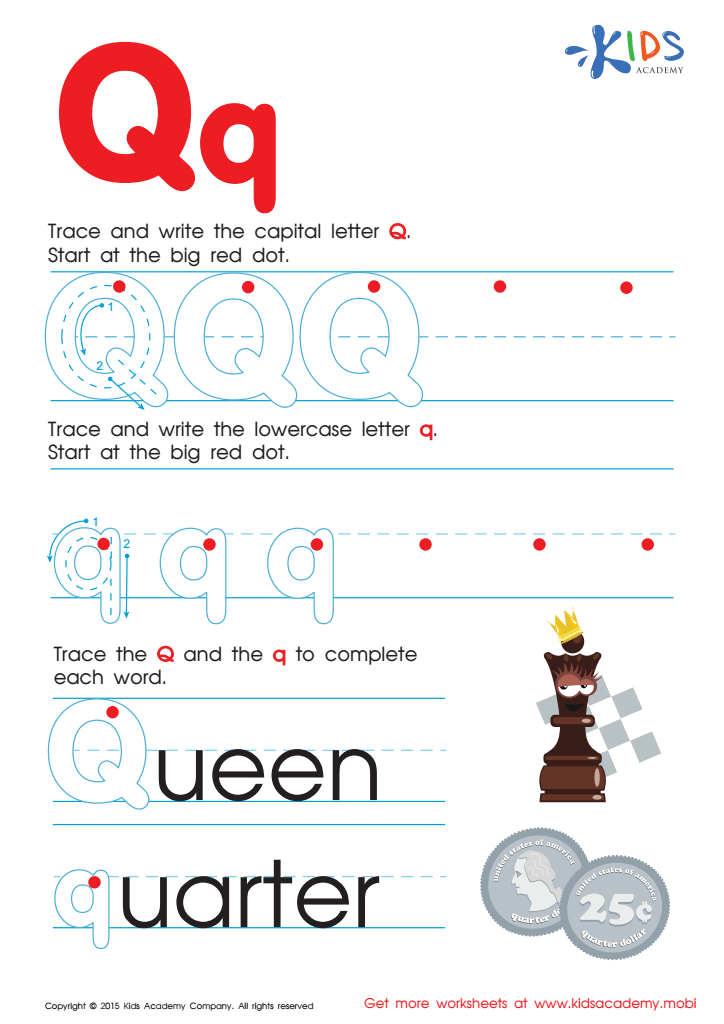
Letter Q Tracing Page
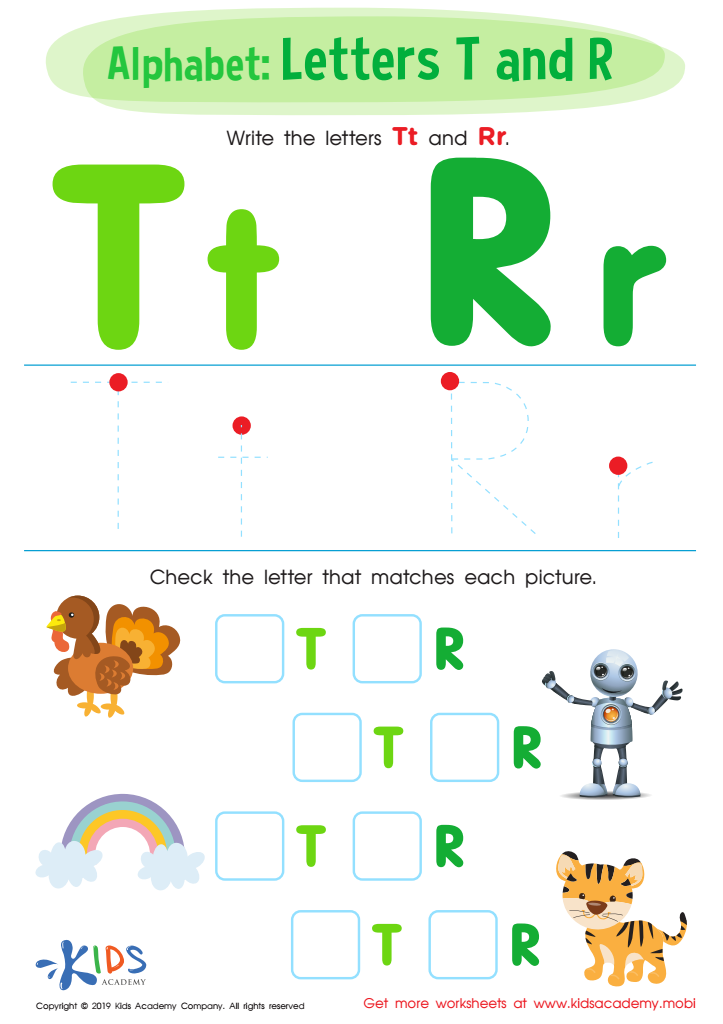
Letters T and R Worksheet
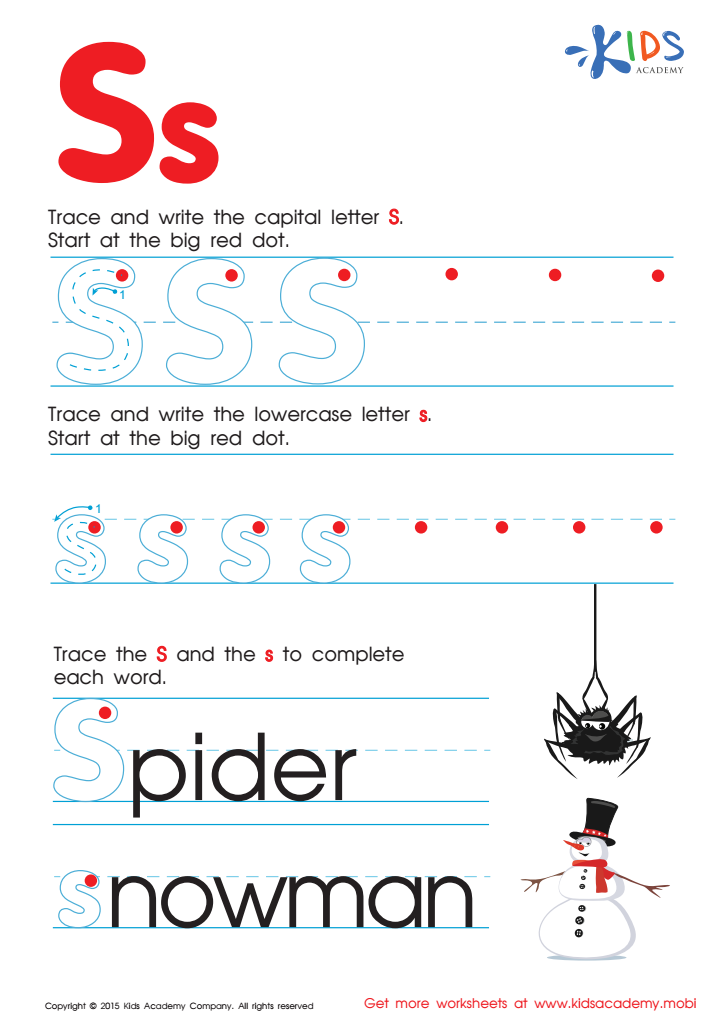
Letter S Tracing Page
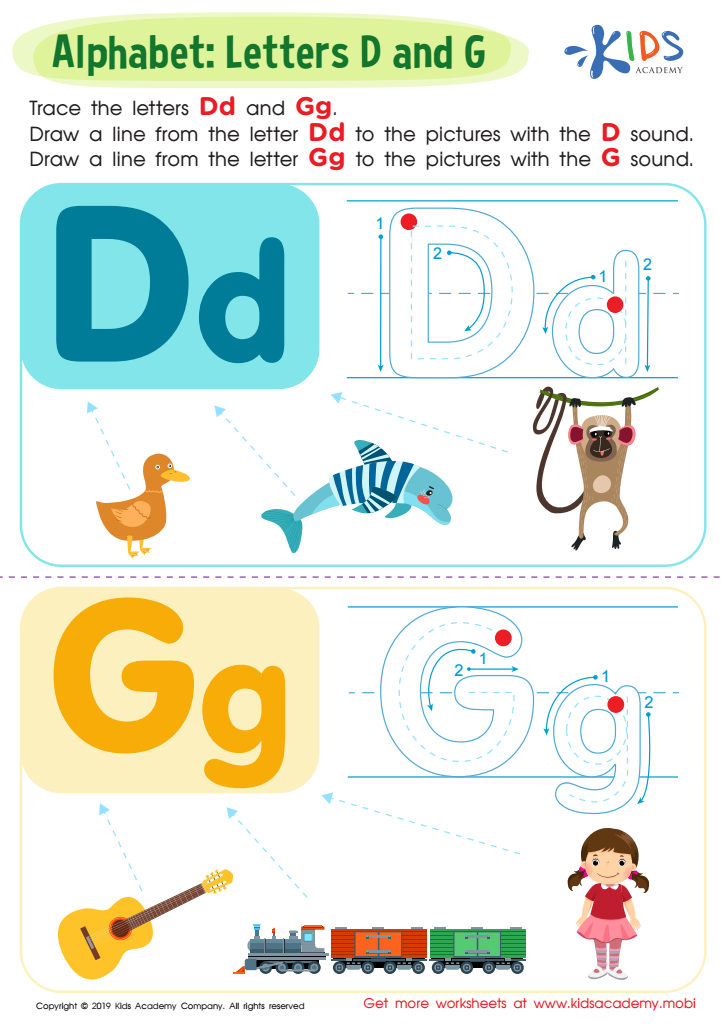
Letter D and G Tracing Worksheet
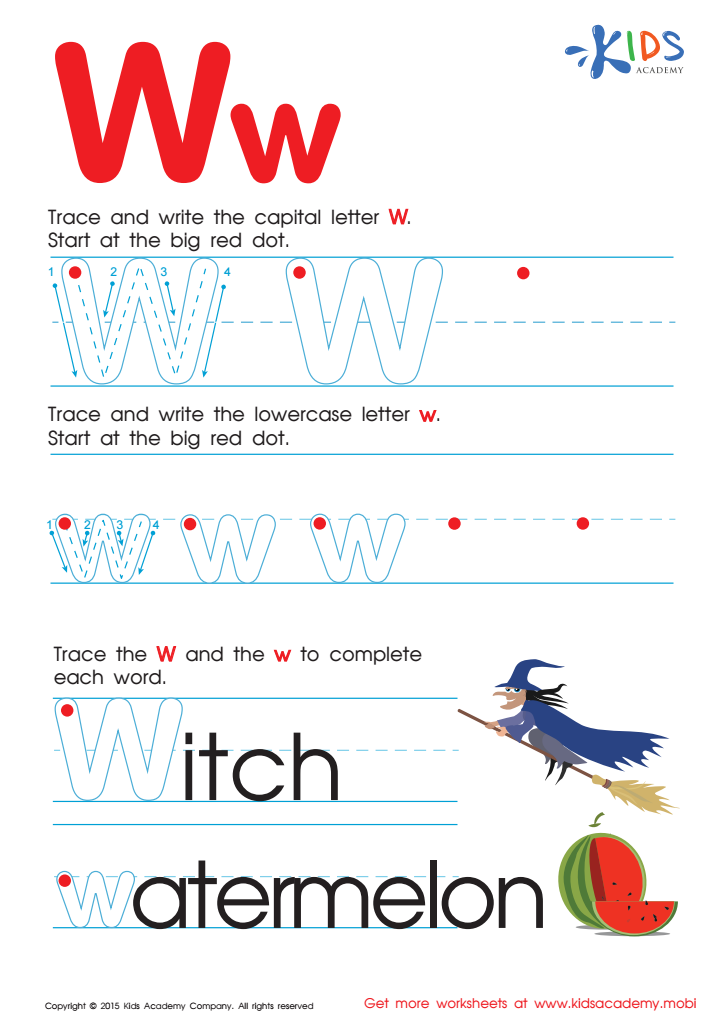
Letter W Tracing Page

Letter H Tracing Page
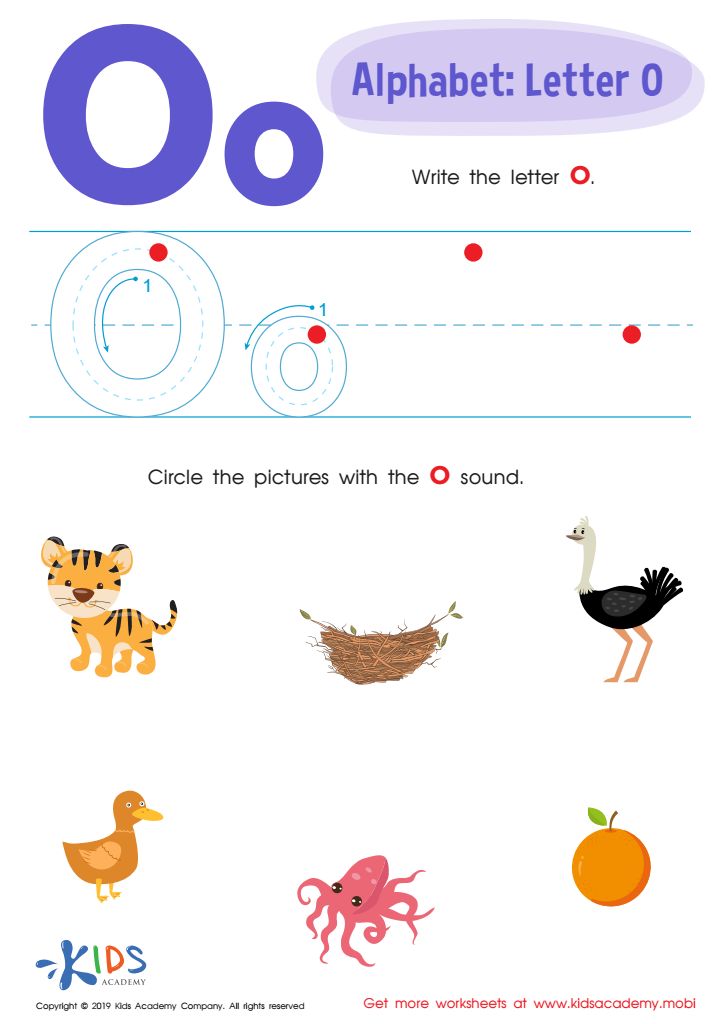
Letter O Tracing Worksheet

Letter G Tracing Page
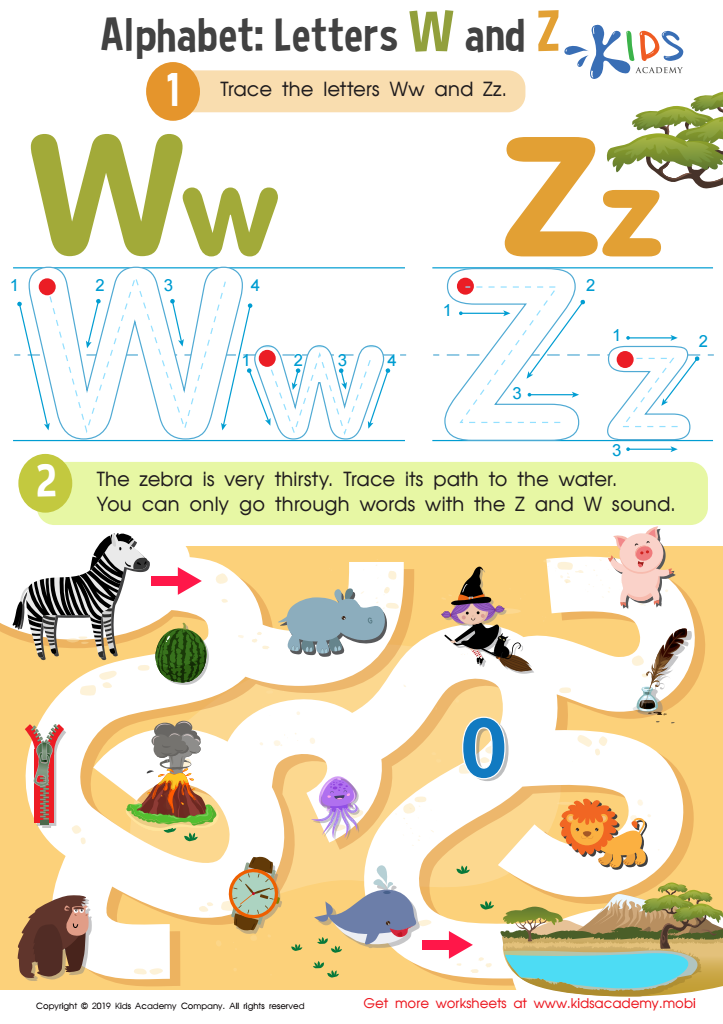
Letters W and Z Tracing Worksheet
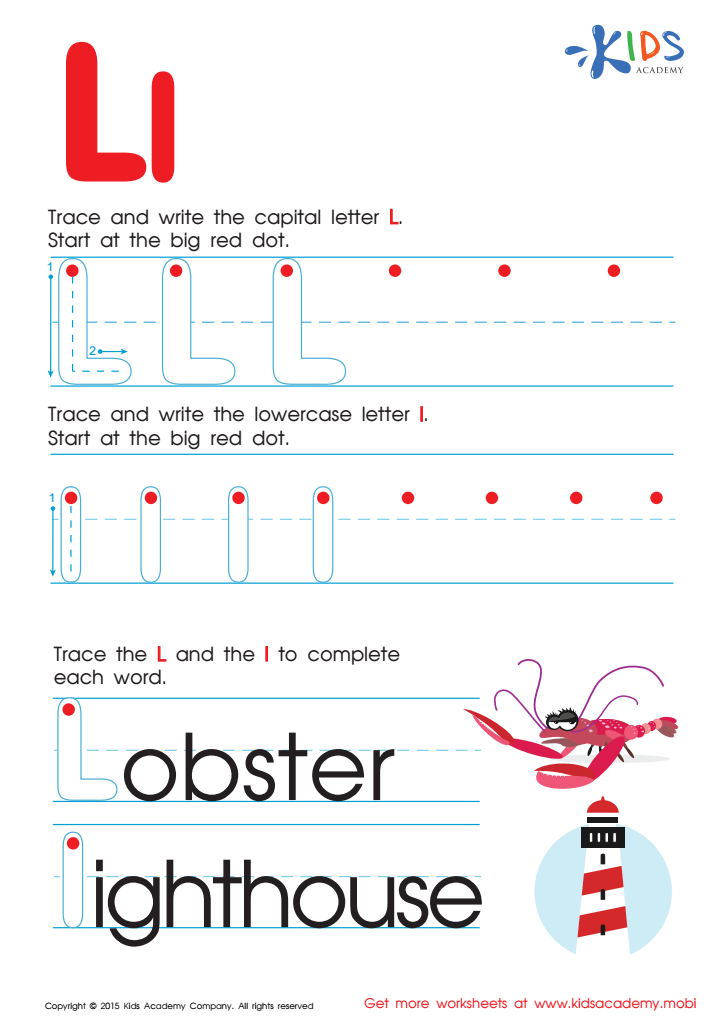
Letter L Tracing Page
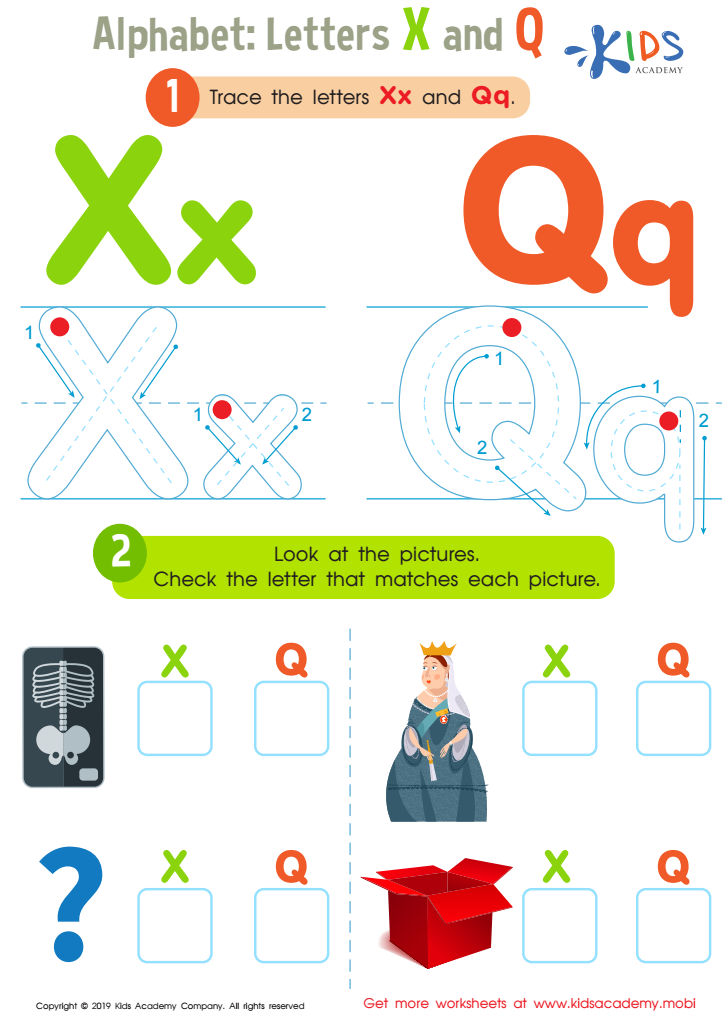
Letters X and Q Tracing Worksheet
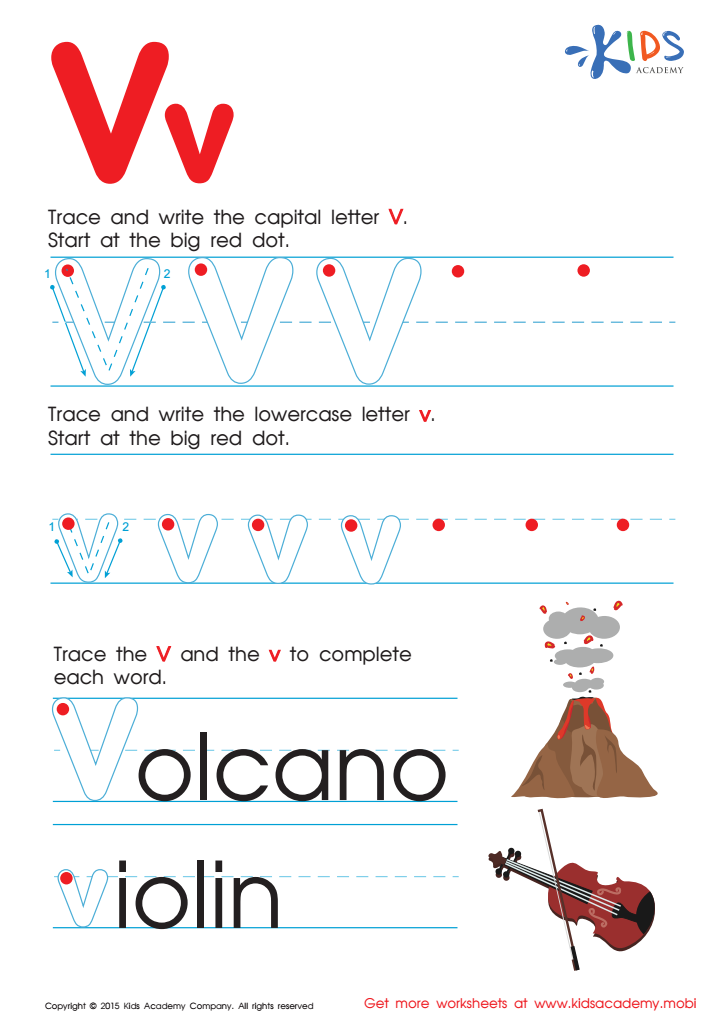
Letter V Tracing Page
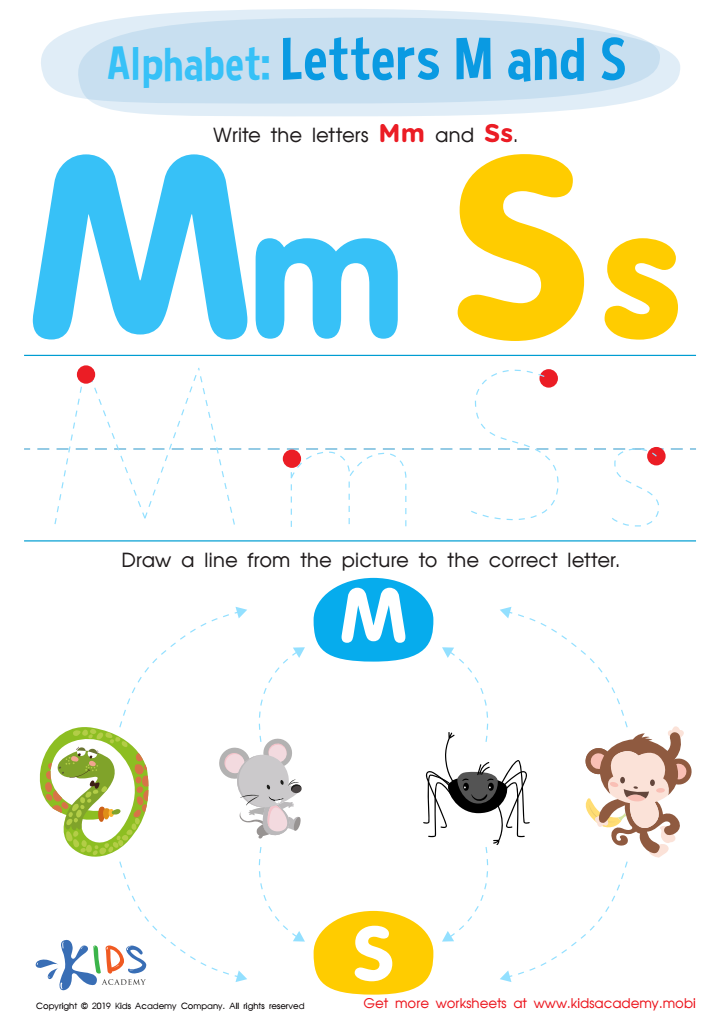
Letters M and S Tracing Worksheet
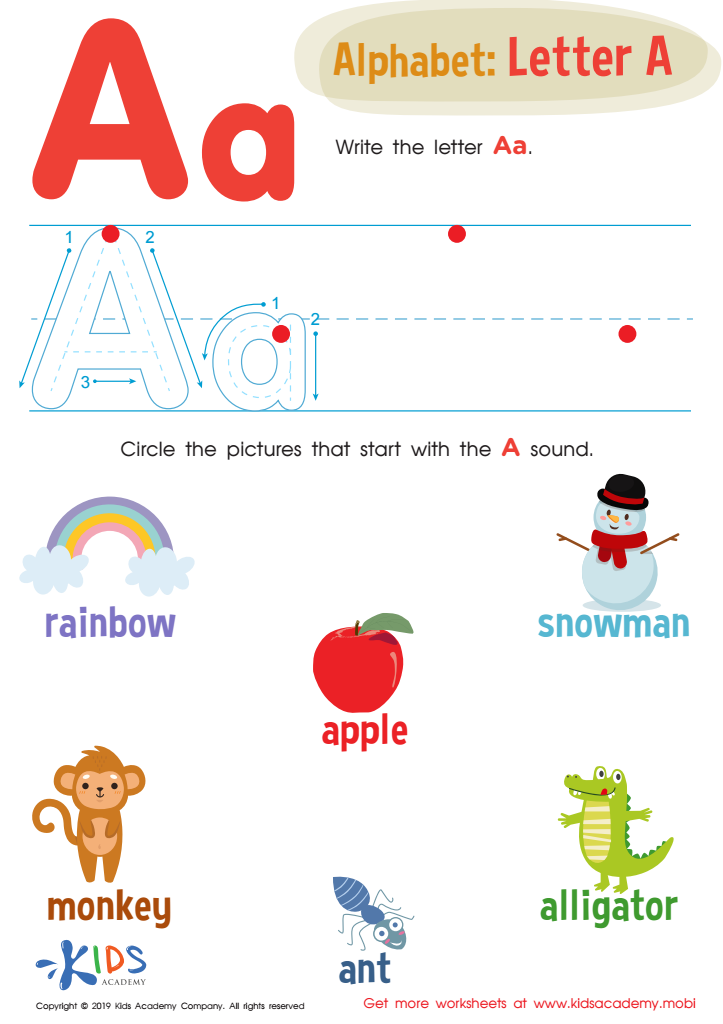
Letter A Tracing Worksheet
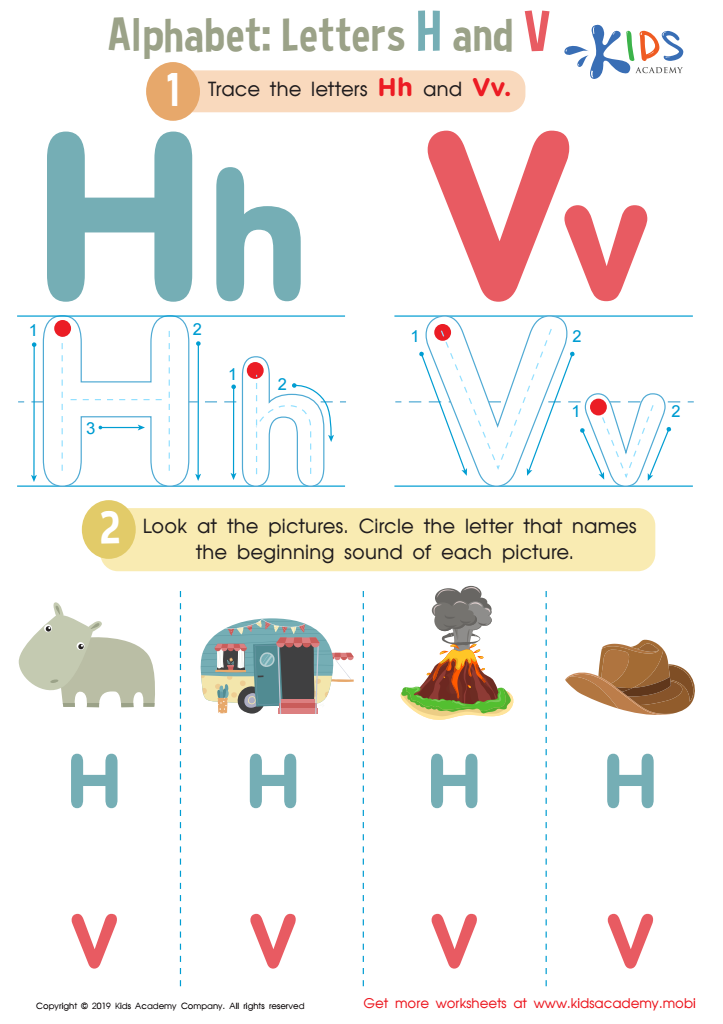
Letters H and V Tracing Worksheet
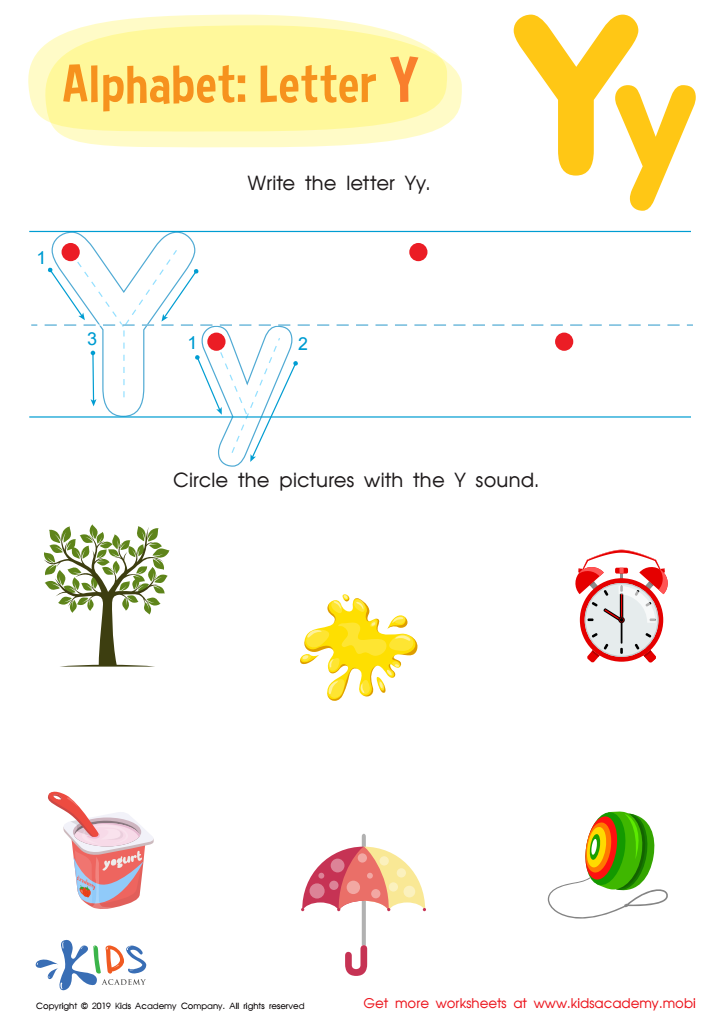
Letter Y Tracing Worksheet
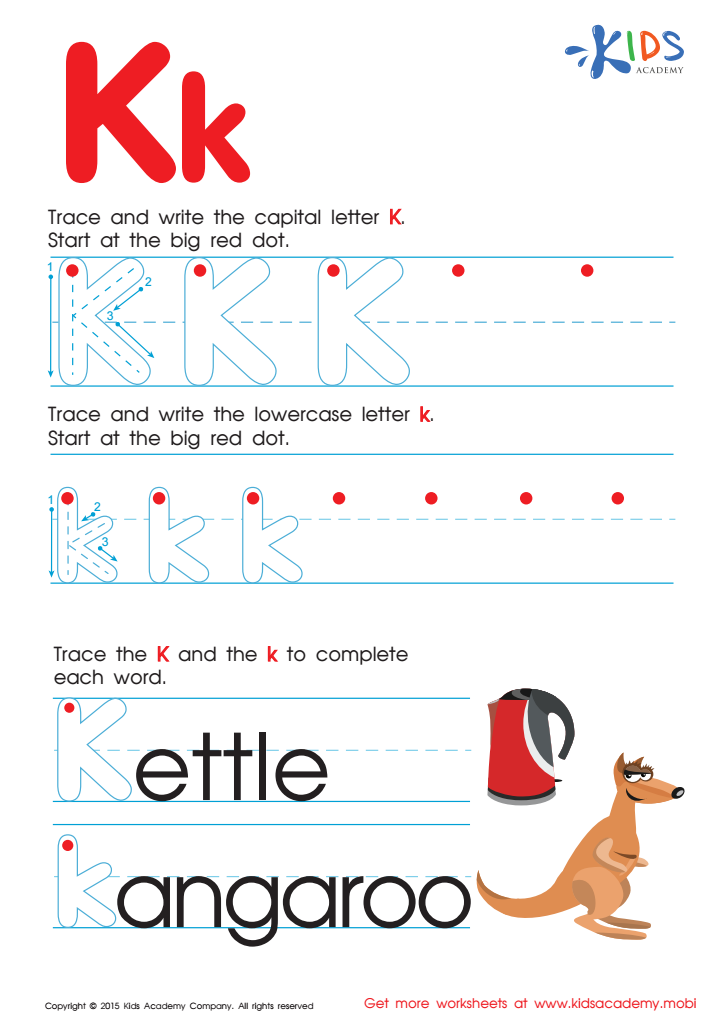
Letter K Tracing Page
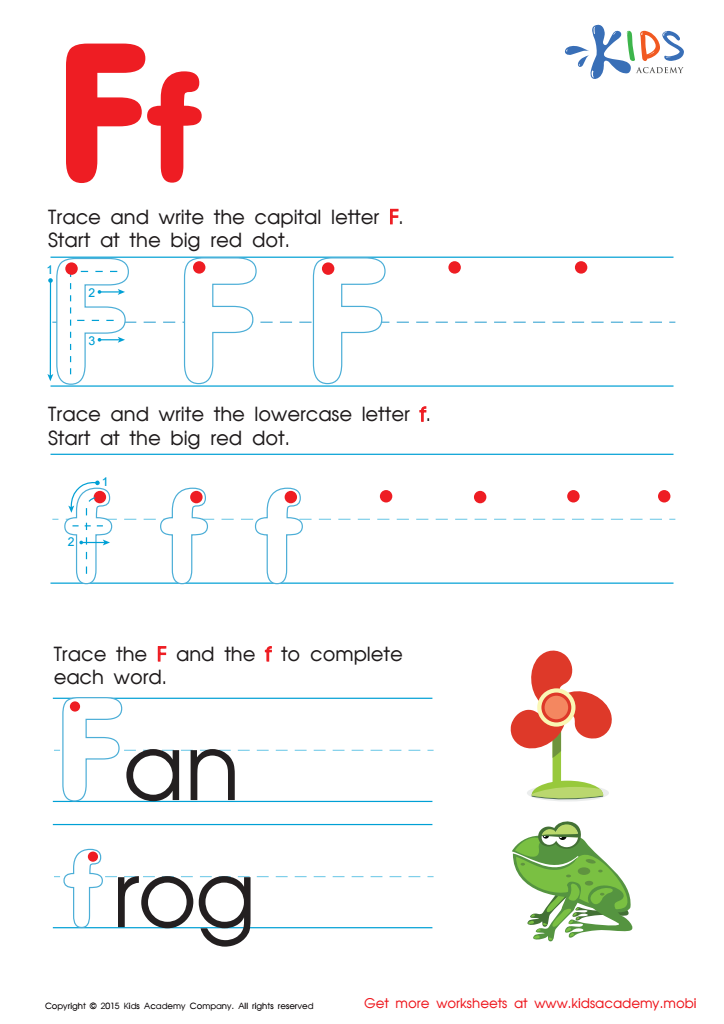
Letter F Tracing Page








Letter recognition and tracing are foundational skills that play a crucial role in early childhood education, particularly for children aged 3-6. Developing letter recognition is essential, as it forms the groundwork for reading and writing. When children can identify and differentiate letters, they become more confident in their literacy skills, enabling them to decode words and comprehend texts as they progress academically.
Tracing letters engages young children in a hands-on learning experience that reinforces their fine motor skills and hand-eye coordination. This physical engagement promotes muscle memory for writing, making it easier for them to form letters independently over time. Moreover, the act of tracing enhances visual-spatial awareness, which is vital for overall cognitive development.
Additionally, letter recognition activities can be enjoyable and interactive, fostering a love for learning in a positive and encouraging environment. When parents and teachers prioritize these activities, they promote literacy-rich experiences that can deepen a child's interest in reading. Ultimately, the emphasis on letter recognition and tracing supports literacy development, builds foundational skills, and encourages a lifelong love for learning, preparing children for future educational success. Thus, engaging in these activities should be a priority for parents and teachers alike.








