Fine Motor Skills Upper & Lowercase Letters Worksheets for Ages 3-6
22 filtered results
-
From - To
Enhance your child's fine motor skills with our engaging Upper & Lowercase Letters Worksheets designed for ages 3-6. These printable activities promote hand strength, coordination, and dexterity through letter tracing, coloring, and cutting exercises. Tailored for young learners, our worksheets make early literacy fun and interactive, allowing children to master the alphabet while developing essential motor skills. Each worksheet combines creativity and learning, ensuring an enjoyable educational experience. Perfect for home or classroom settings, our resources empower kids to confidently recognize and write both uppercase and lowercase letters, setting the foundation for reading and writing success. Explore our collection today!
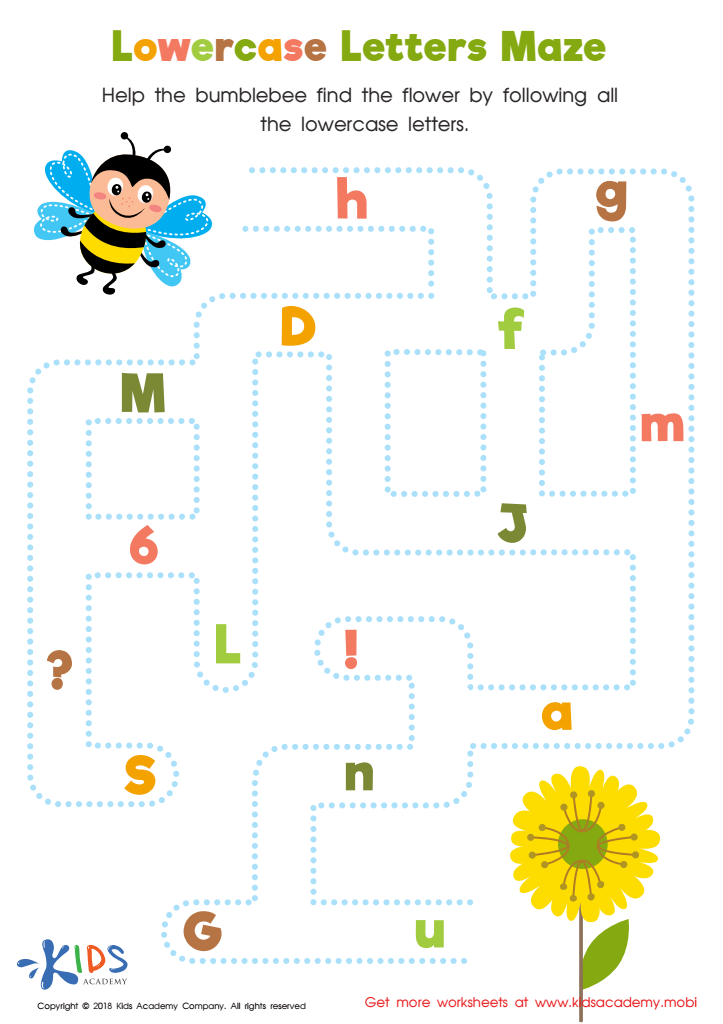
Lowercase Letters Maze Worksheet
 Assign to My Students








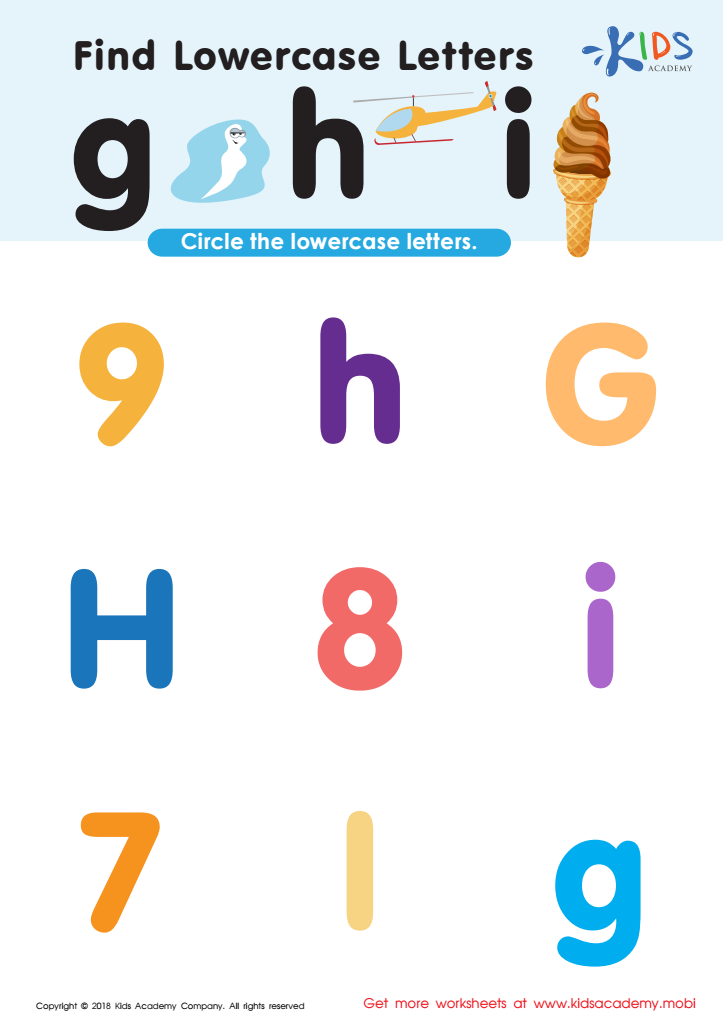
Find Lowercase Letters g h i Worksheet
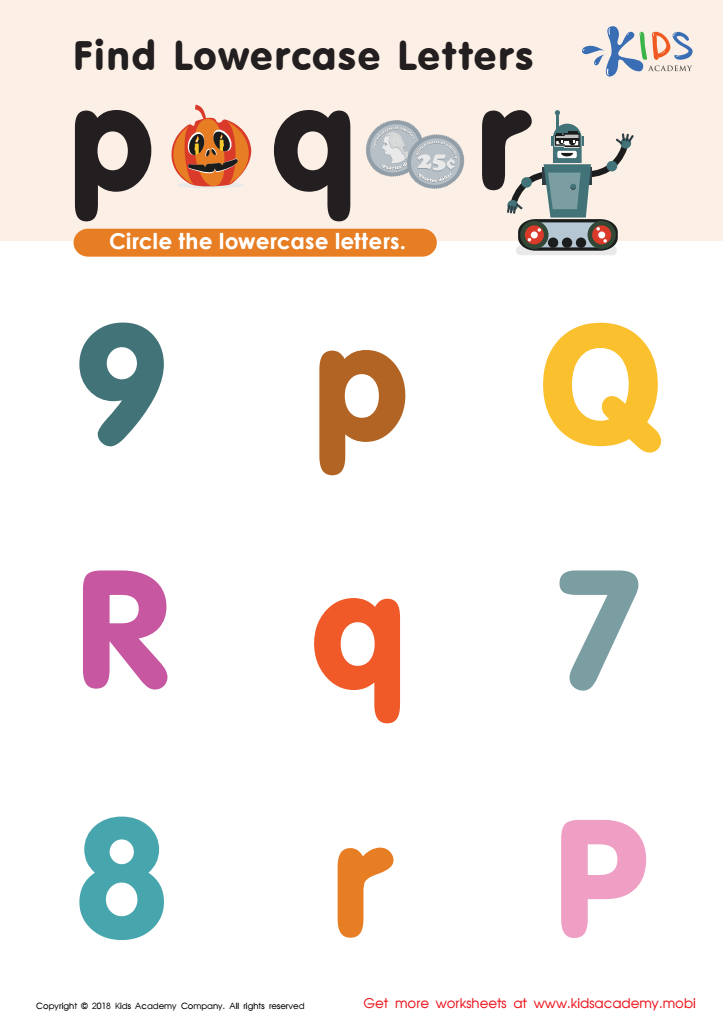
Find lowercase Letters p q r Worksheet
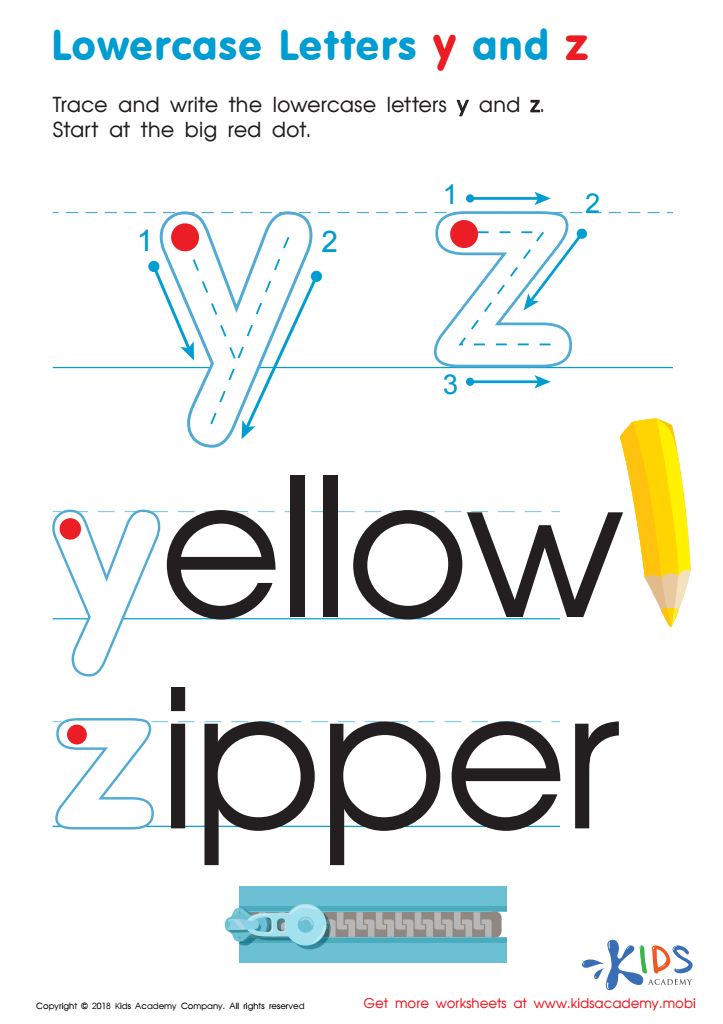
Lowercase Letters y z Worksheet
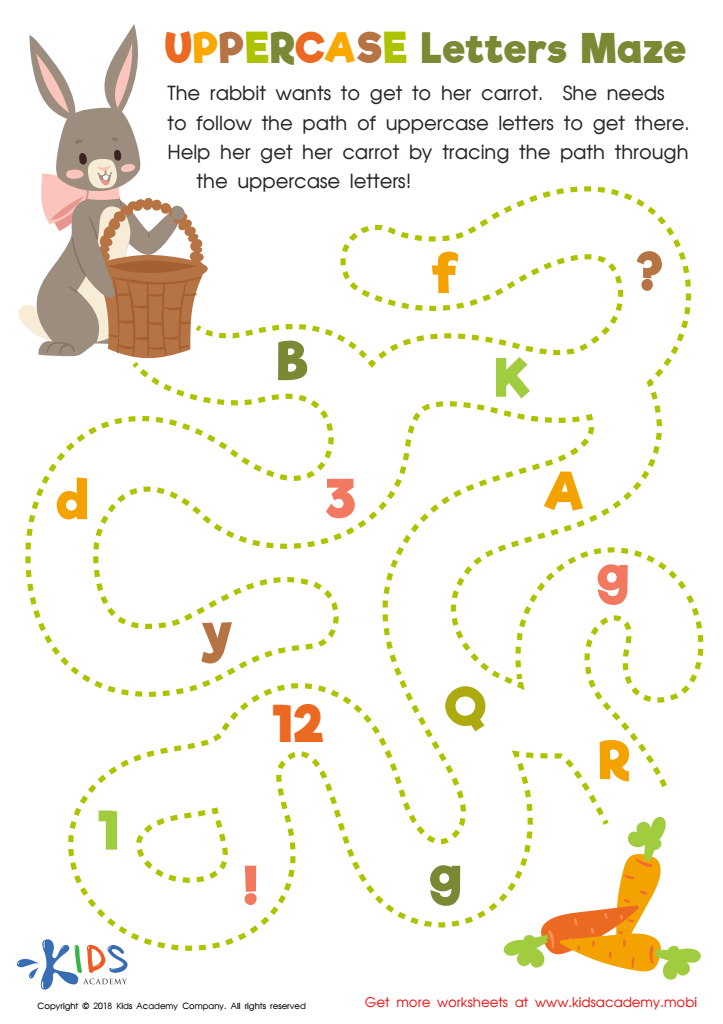
Uppercase Letters Maze Worksheet
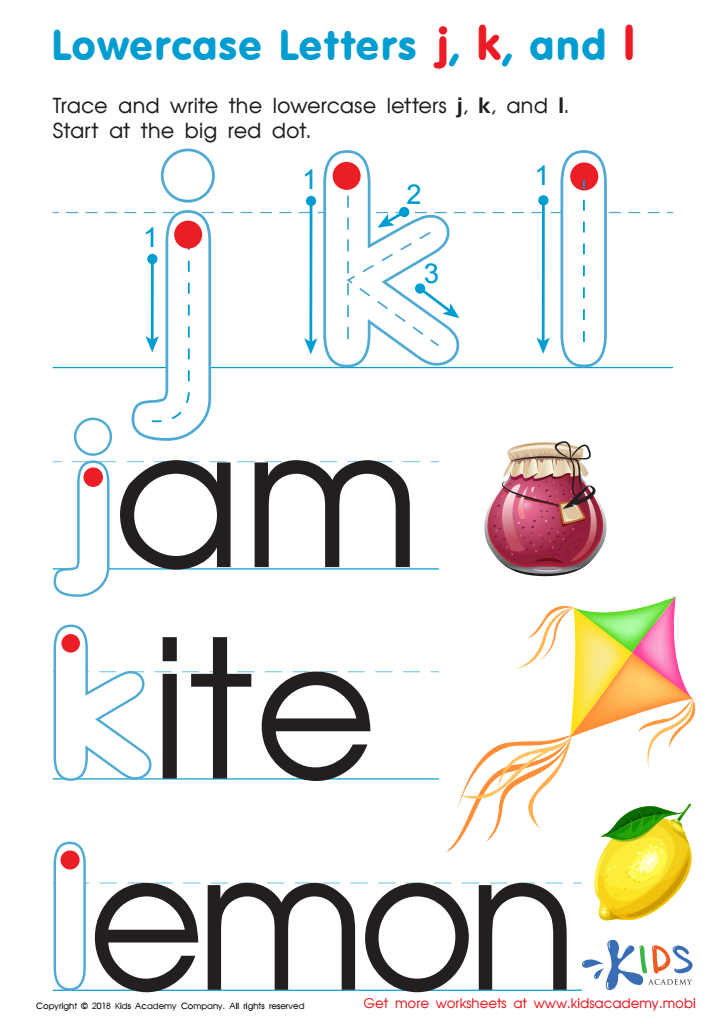
Lowercase Letters j k l Worksheet

Find lowercase Letters s t u Worksheet
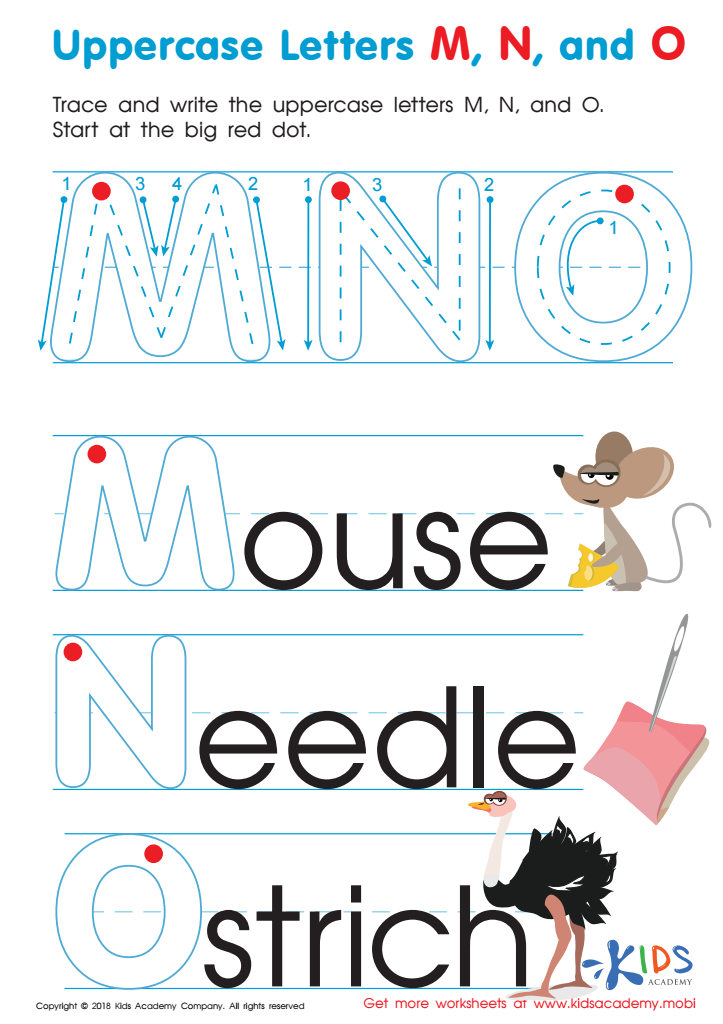
Uppercase Letters M, N, and O Worksheet
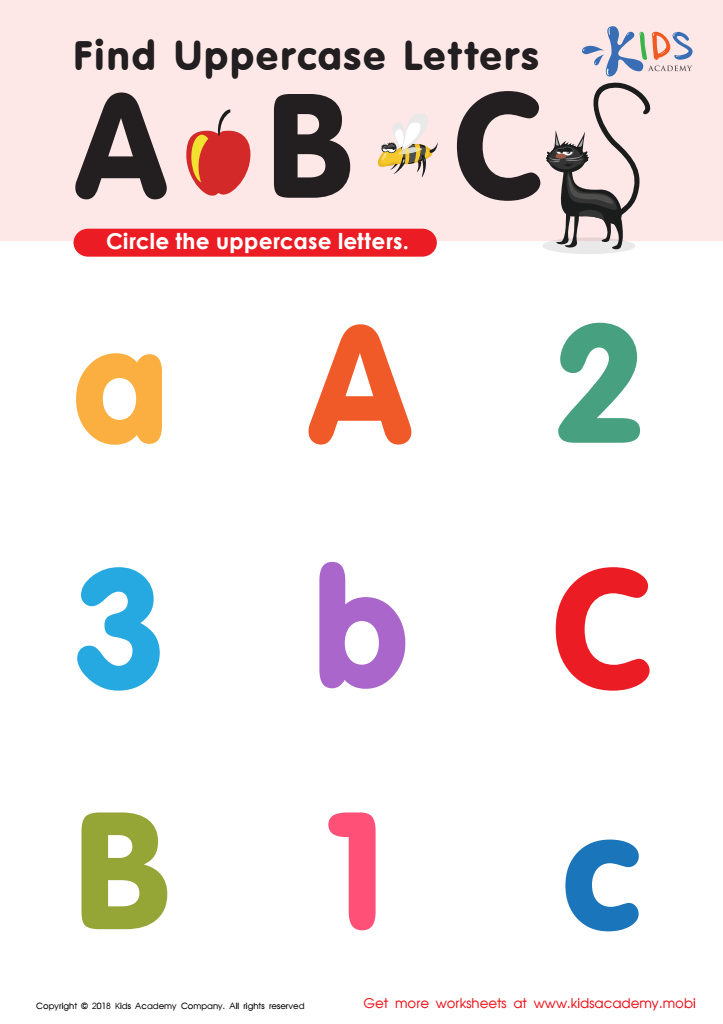
Find Uppercase Letters A, B, and C Worksheet
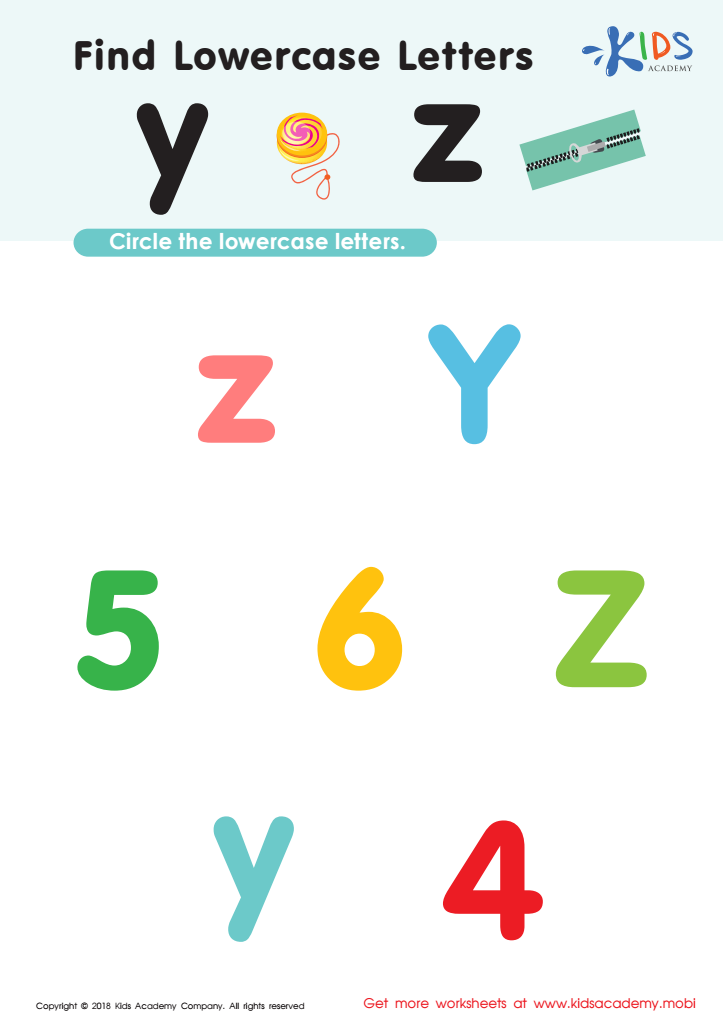
Find Lowercase Letters y z Worksheet
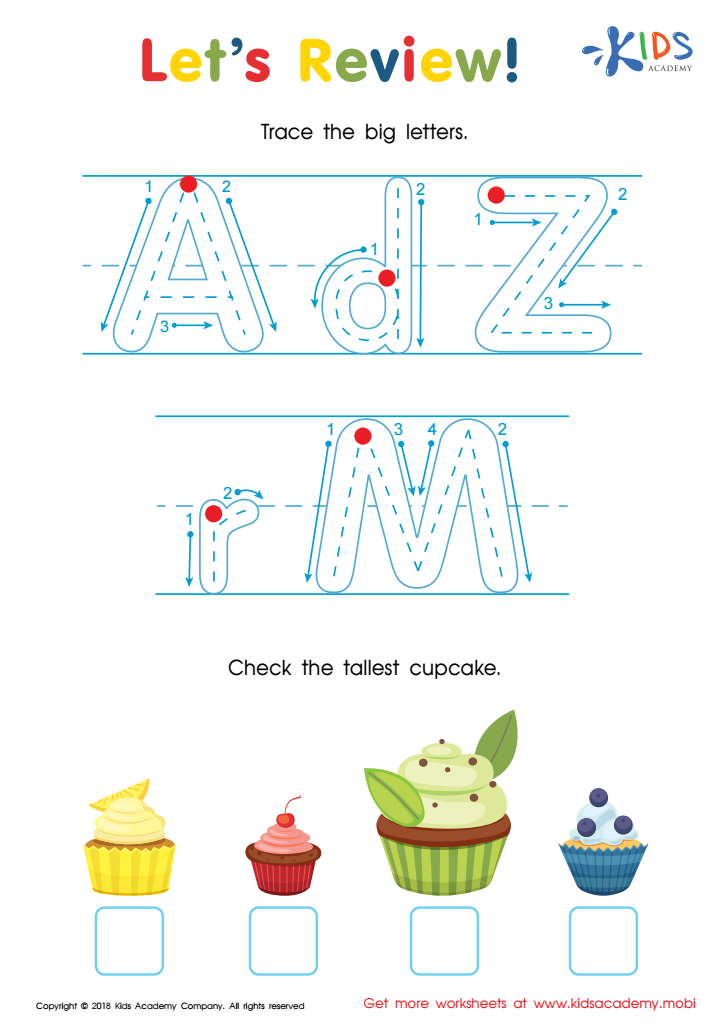
Let's Review! Big Letters Worksheet
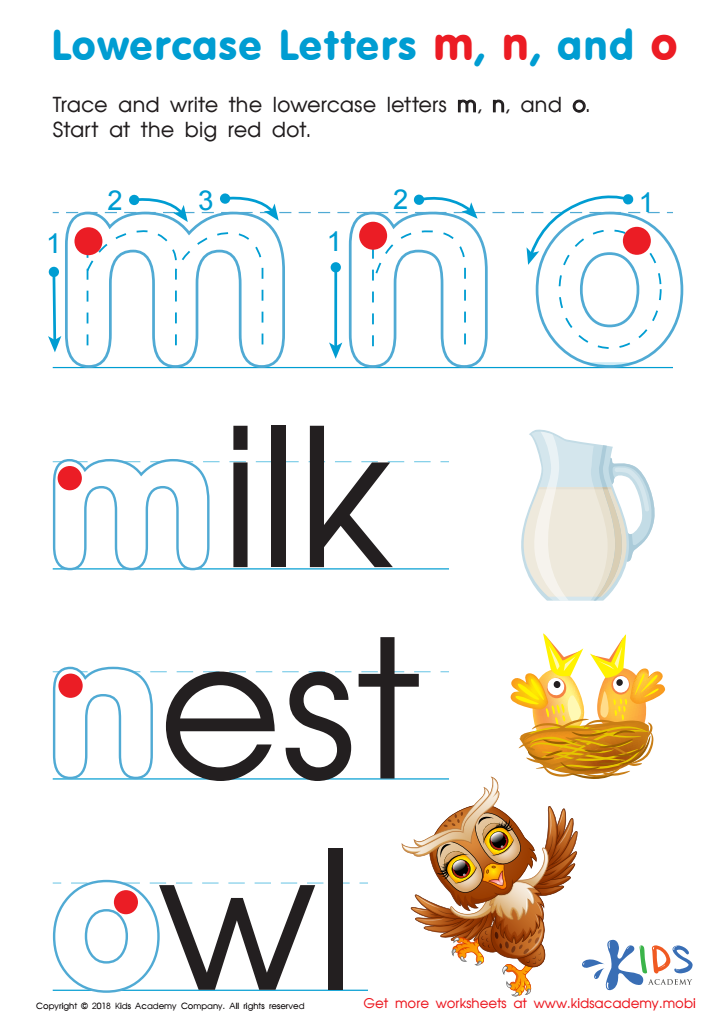
Lowercase Letters m n o Worksheet
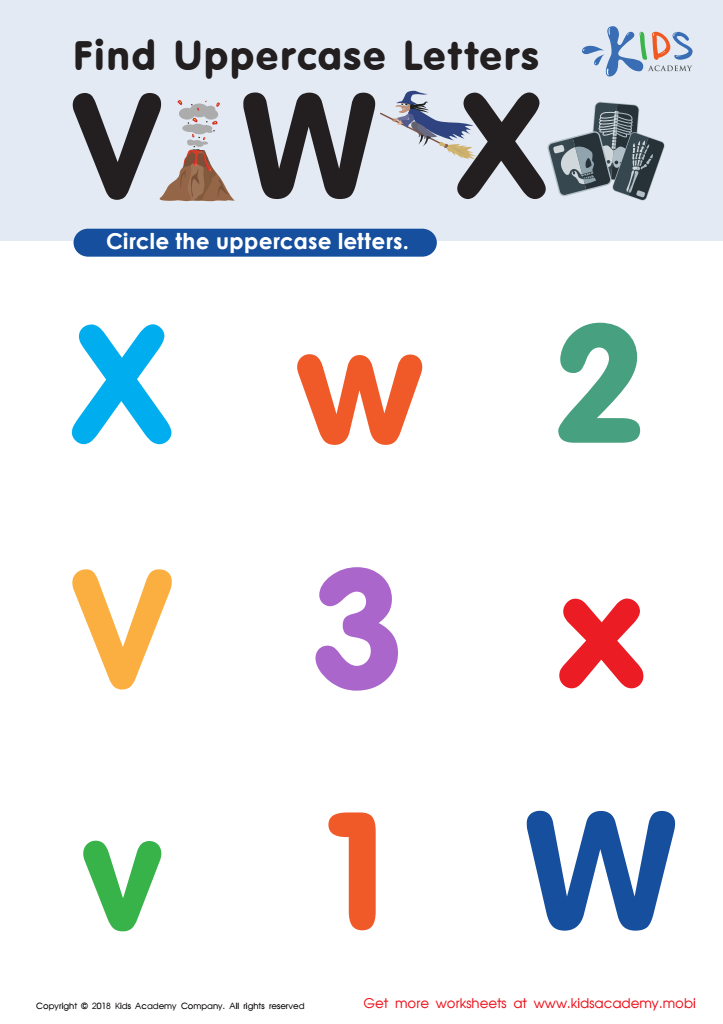
Find Uppercase Letters V, W, X Worksheet
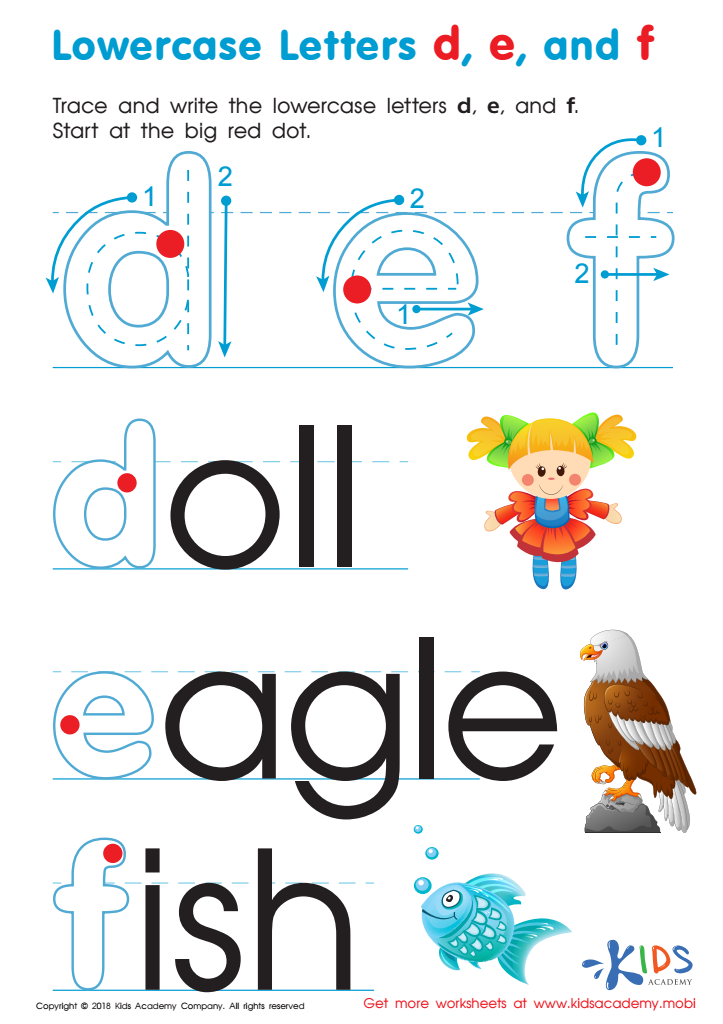
Lowercase Letters d e f Worksheet
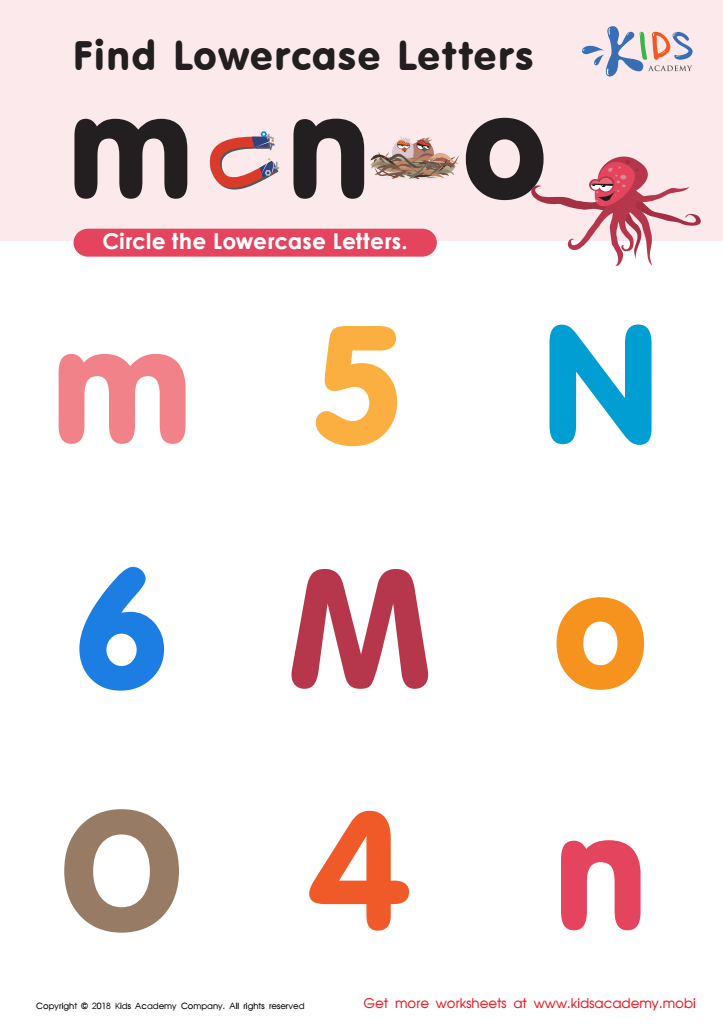
Find Lowercase Letters m n o Worksheet
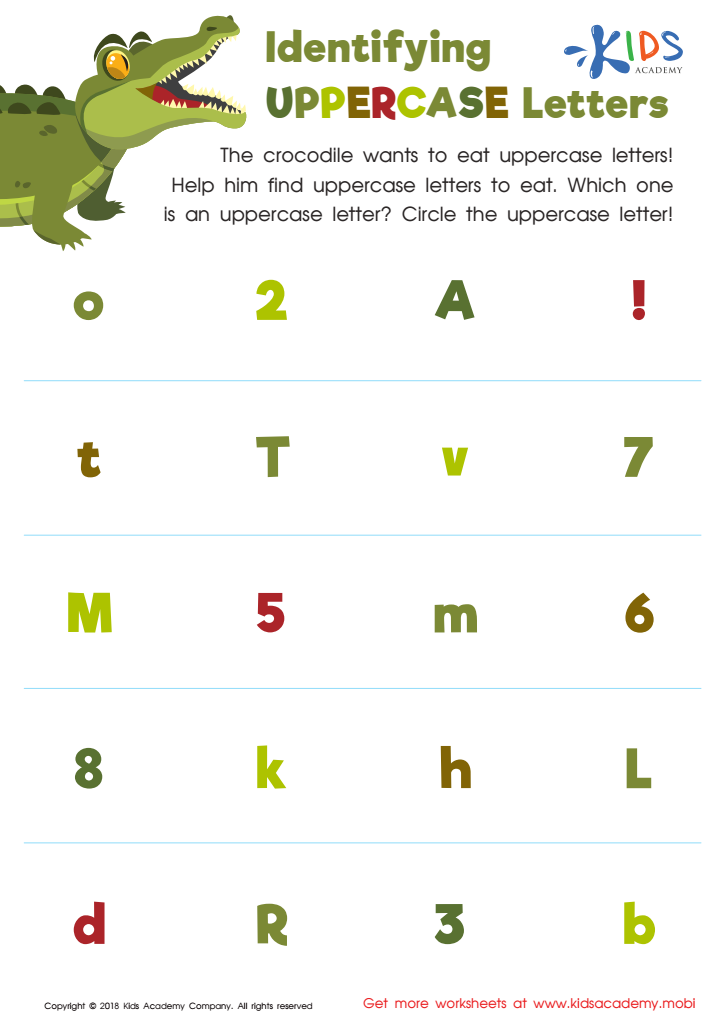
Identifying Uppercase Letters Worksheet
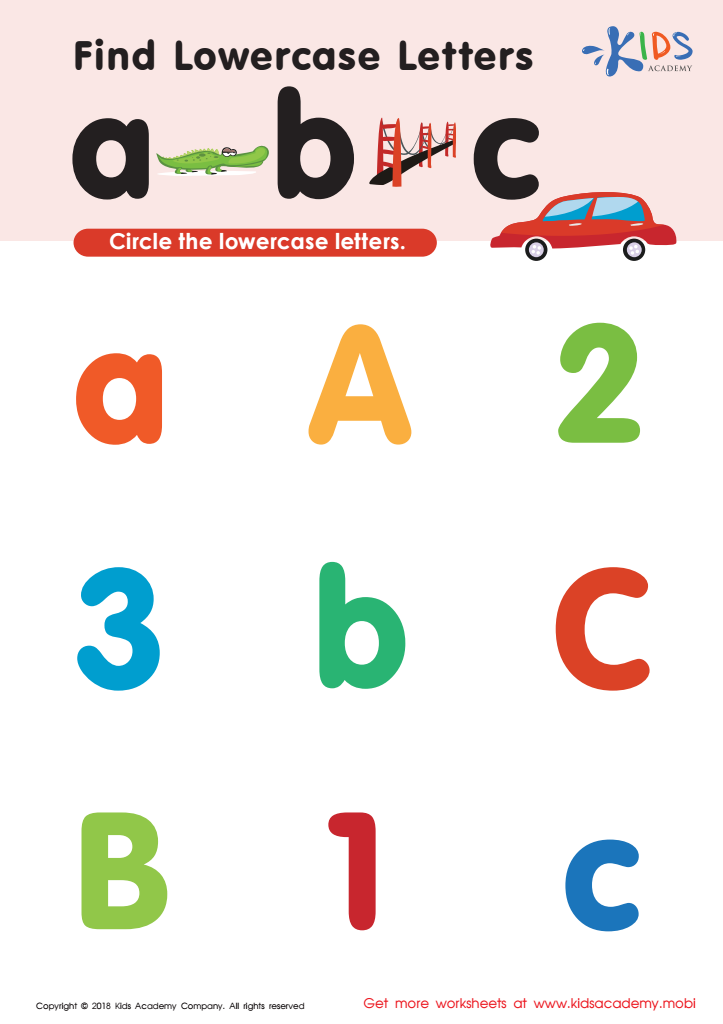
Find lowercase letters a b c Worksheet
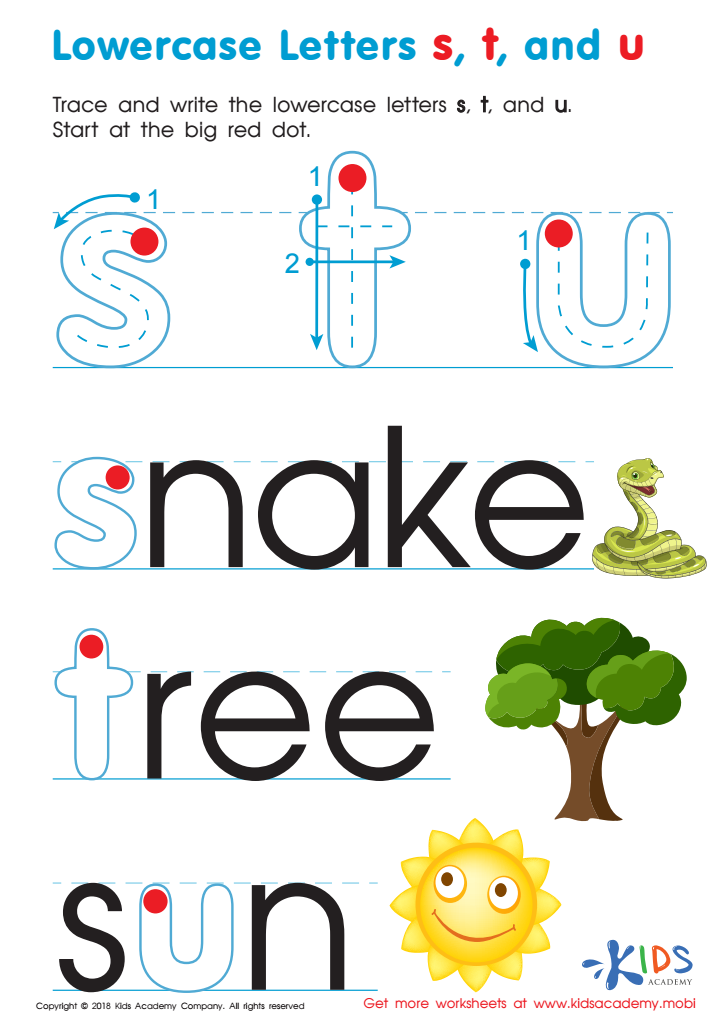
Lowercase Letters s t u Worksheet
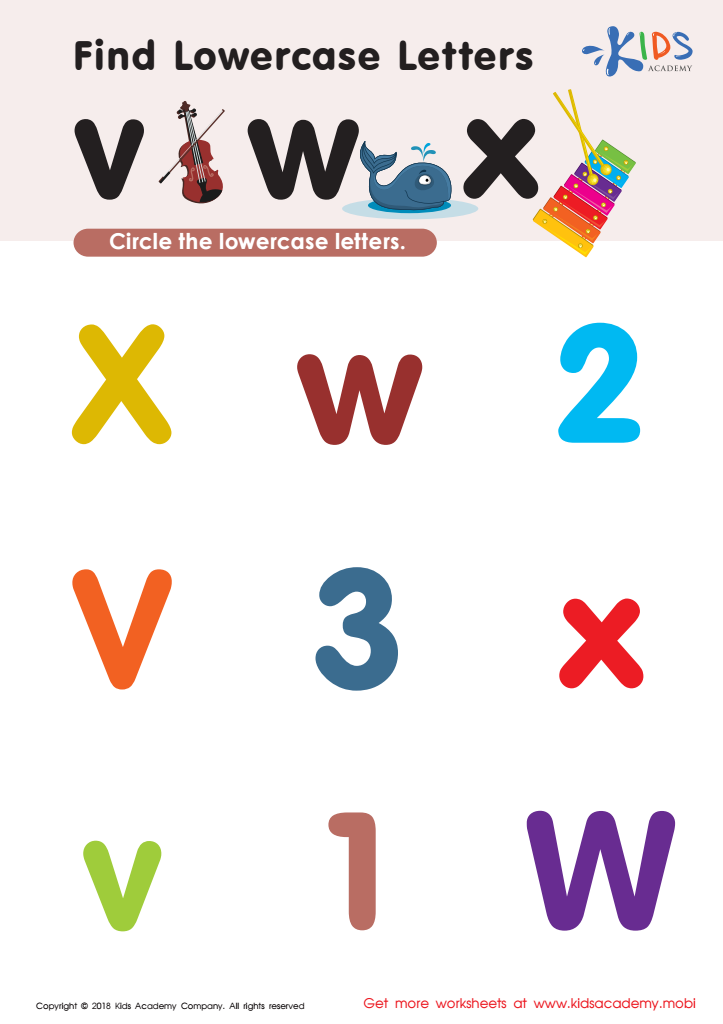
Find Lowercase Letters v w x Worksheet
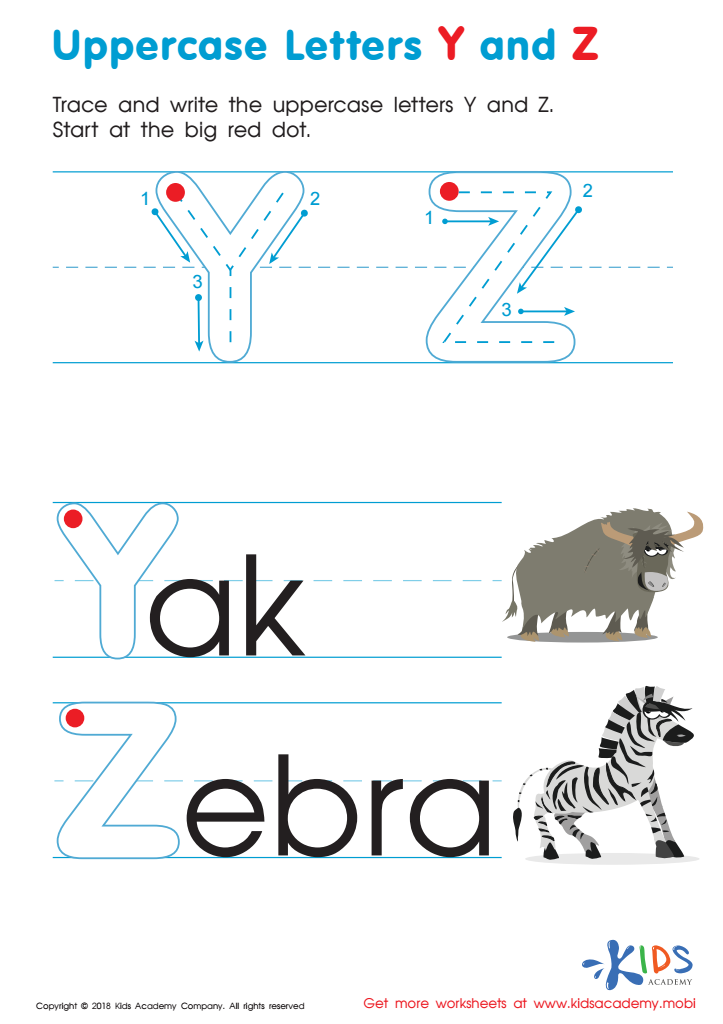
Uppercase Letters Y Z Worksheet
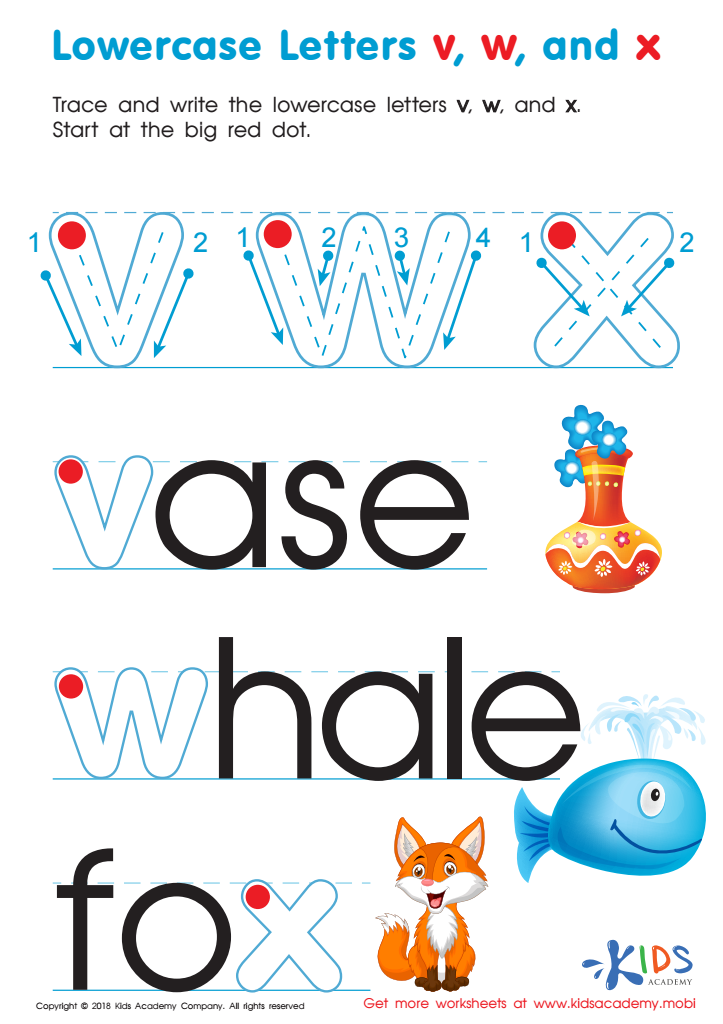
Lowercase Letters v w x Worksheet

Uppercase Letters V, W, and X Worksheet






Fine motor skills are crucial for young children as they form the foundation for writing, drawing, and other essential tasks they will encounter in school and daily life. For children aged 3-6, mastering uppercase and lowercase letters not only enhances their fine motor skills but also fosters cognitive development and literacy readiness.
Engaging in activities like tracing, coloring, or manipulating small objects helps strengthen the small muscles in children's hands and fingers, improving their grip and control. These skills are necessary for later academic tasks, such as holding a pencil properly and forming letters legibly. Additionally, becoming proficient in recognizing and writing both uppercase and lowercase letters contributes to children's understanding of language fundamentals, which is essential for reading and communication.
Furthermore, letter recognition forms part of the groundwork for developing spelling and writing abilities in the future. When parents and teachers actively support this learning phase, they help children build confidence and motivation, ensuring that they remain engaged in educational activities.
In essence, nurturing fine motor skills through letter writing empowers young learners, equipping them with the abilities they need for success in school and beyond. Thus, it is vital for parents and educators to prioritize and encourage these skills.







