Fine Motor Skills Animals Worksheets for Ages 3-6
12 filtered results
-
From - To
Our "Fine Motor Skills Animals Worksheets for Ages 3-6" are designed to enhance your child's fine motor development through fun and engaging animal-themed activities. Perfect for toddlers and preschoolers, these worksheets promote pencil control, hand-eye coordination, and dexterity, crucial for early learning success. Each sheet offers creative exercises like tracing, coloring, and simple patterns that capture young imaginations while improving fine motor skills. With adorable animal illustrations, these worksheets make learning a delightful adventure. Download, print, and watch your child’s confidence and abilities grow, setting a strong foundation for future academic achievements.
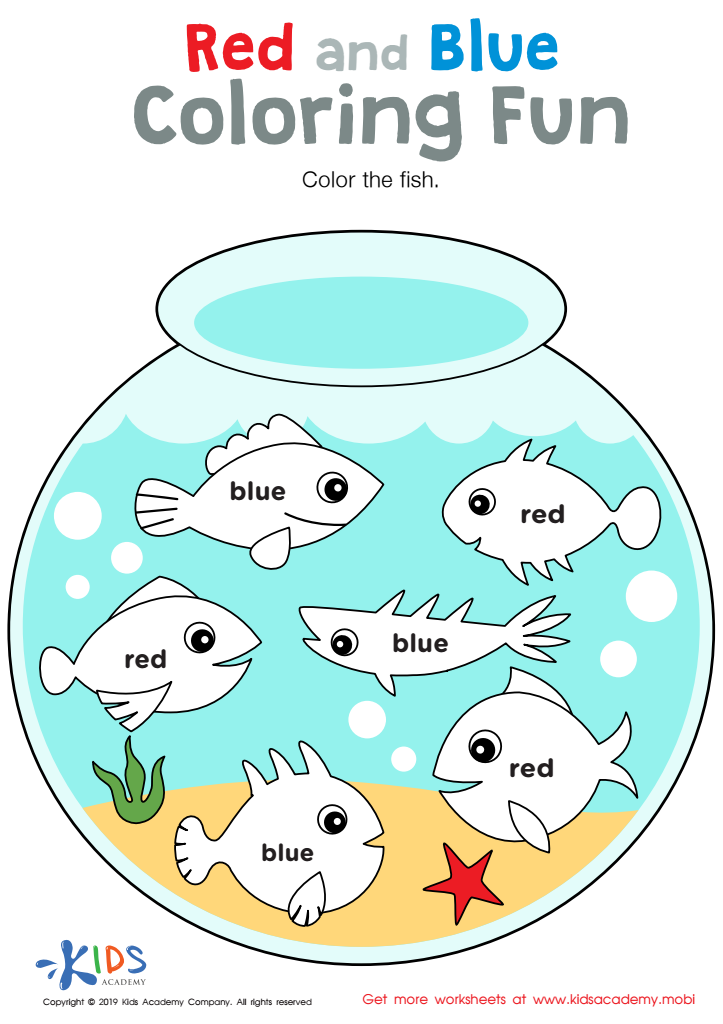
Red and Blue Coloring Fun Worksheet
 Assign to My Students
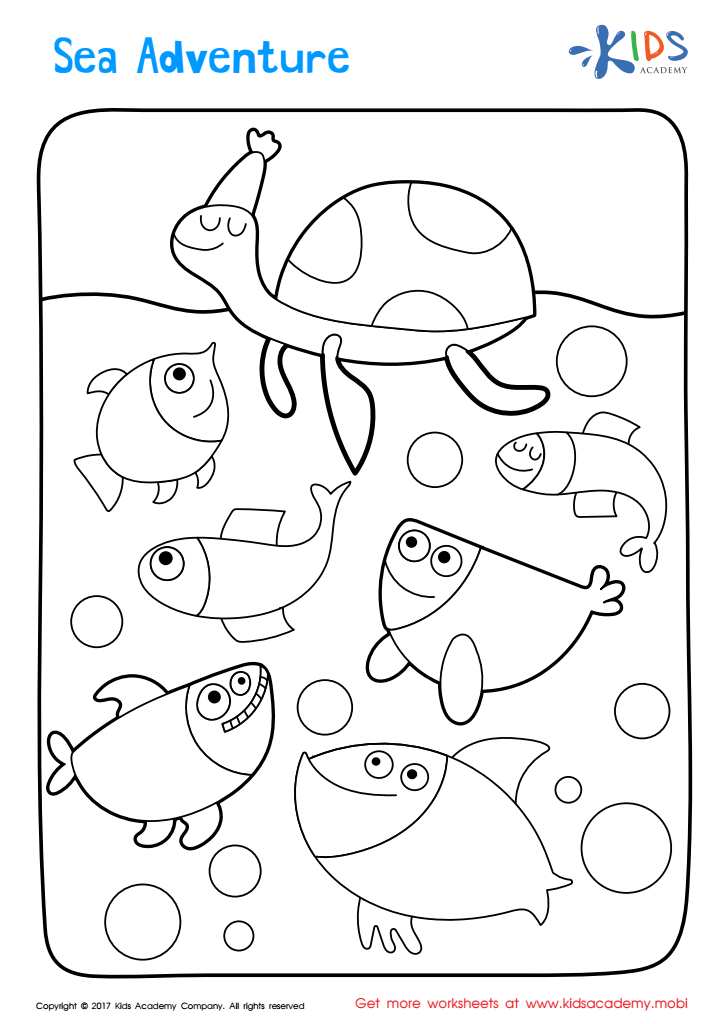
Sea Adventure Coloring Page
Assign to My Students
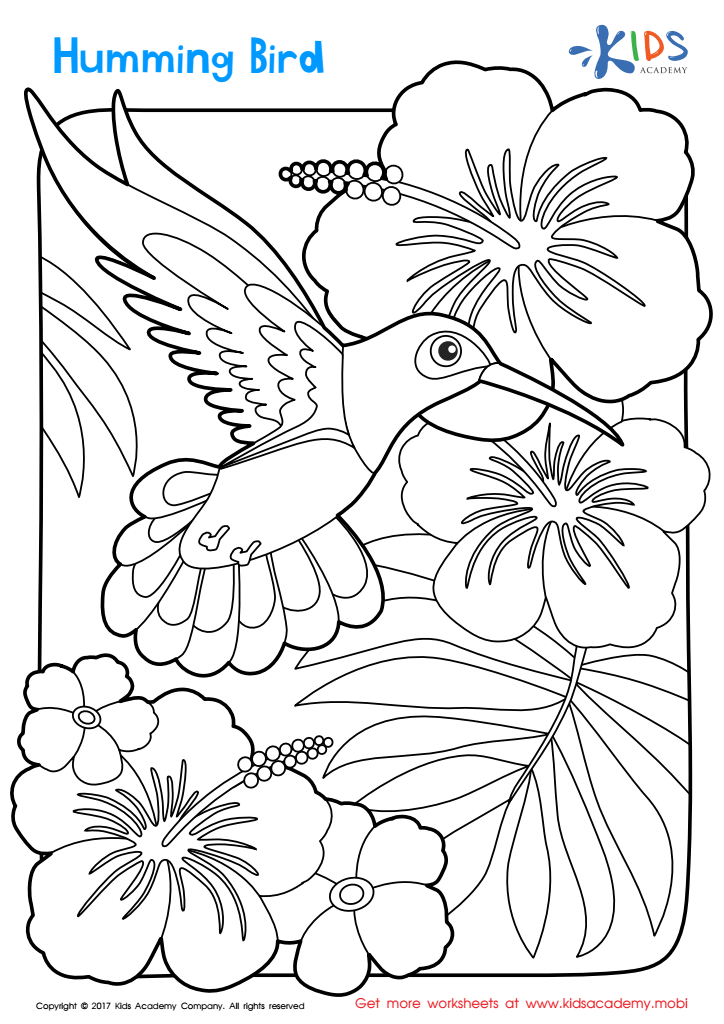
Humming Bird Worksheet
Assign to My Students
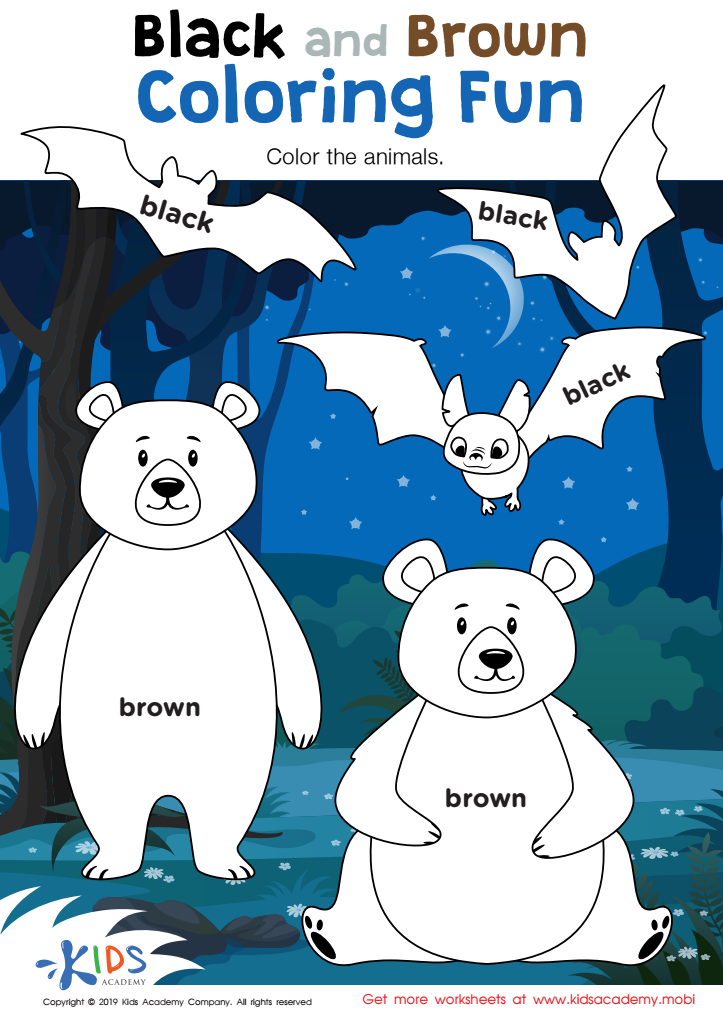
Black and Brown Coloring Fun Worksheet
Assign to My Students
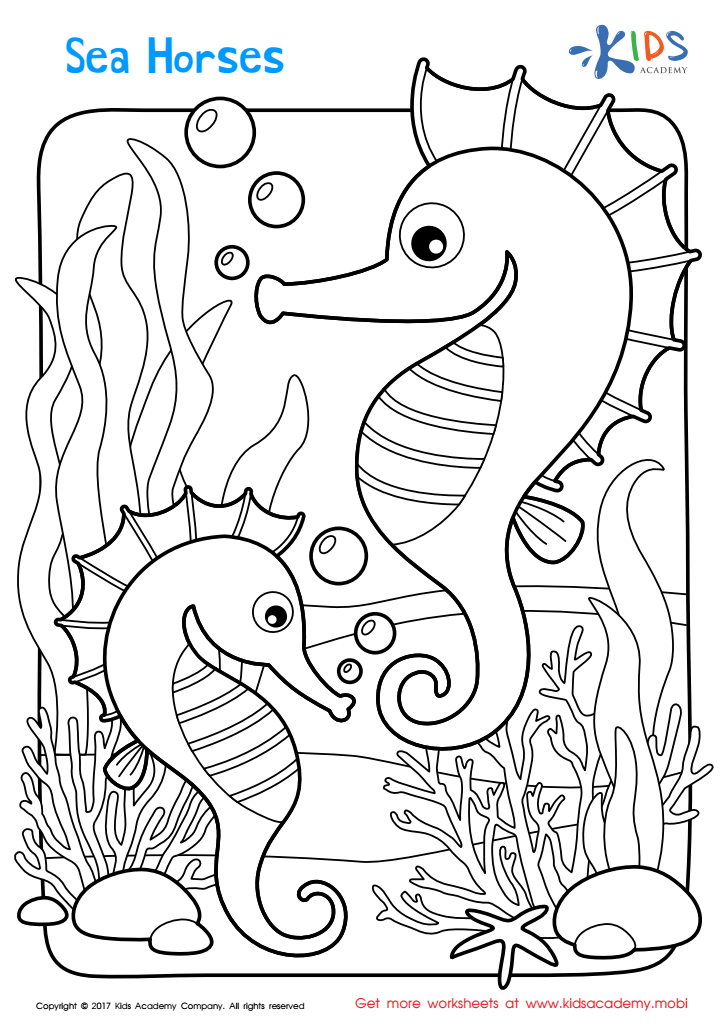
Sea Horses Printable
Assign to My Students
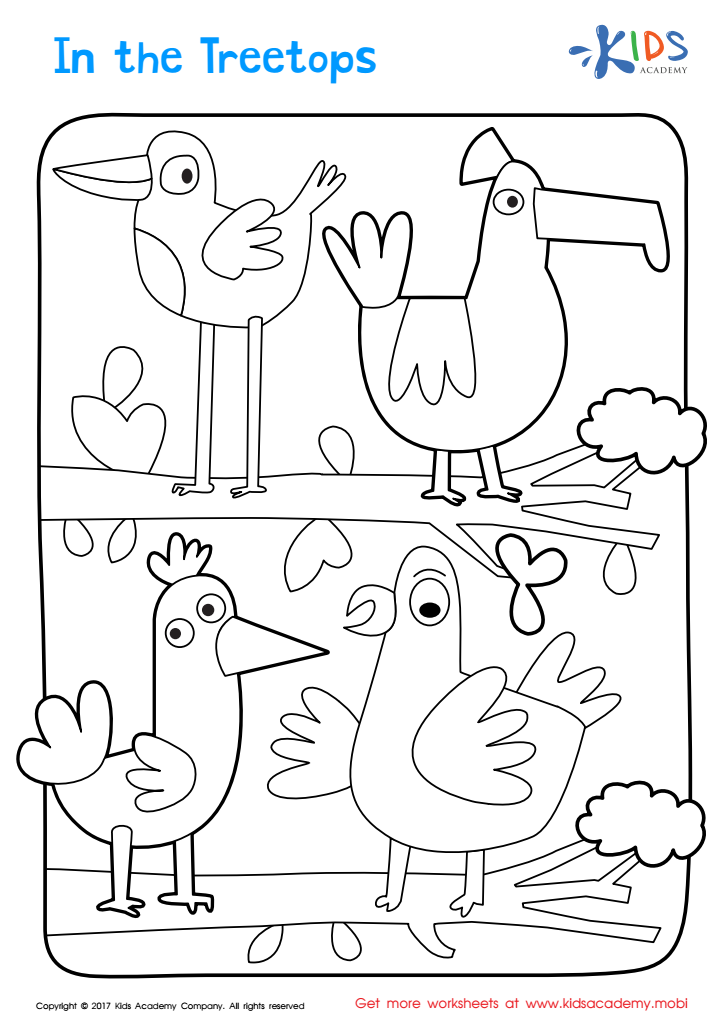
In the Treetops Coloring Page
Assign to My Students
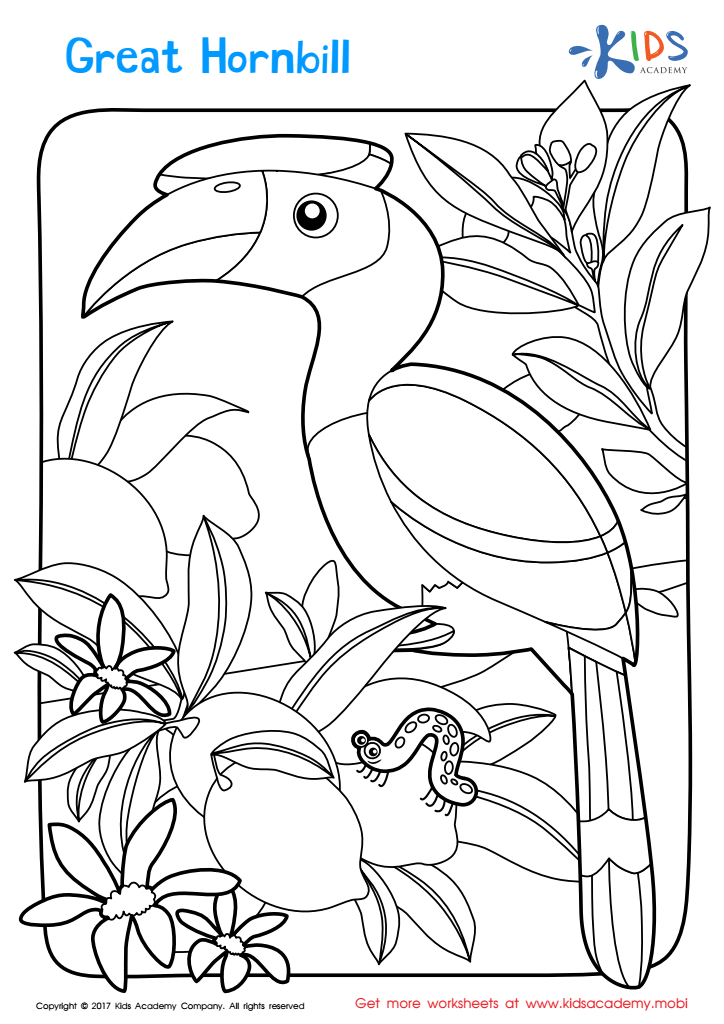
Great Hornbill Worksheet
Assign to My Students
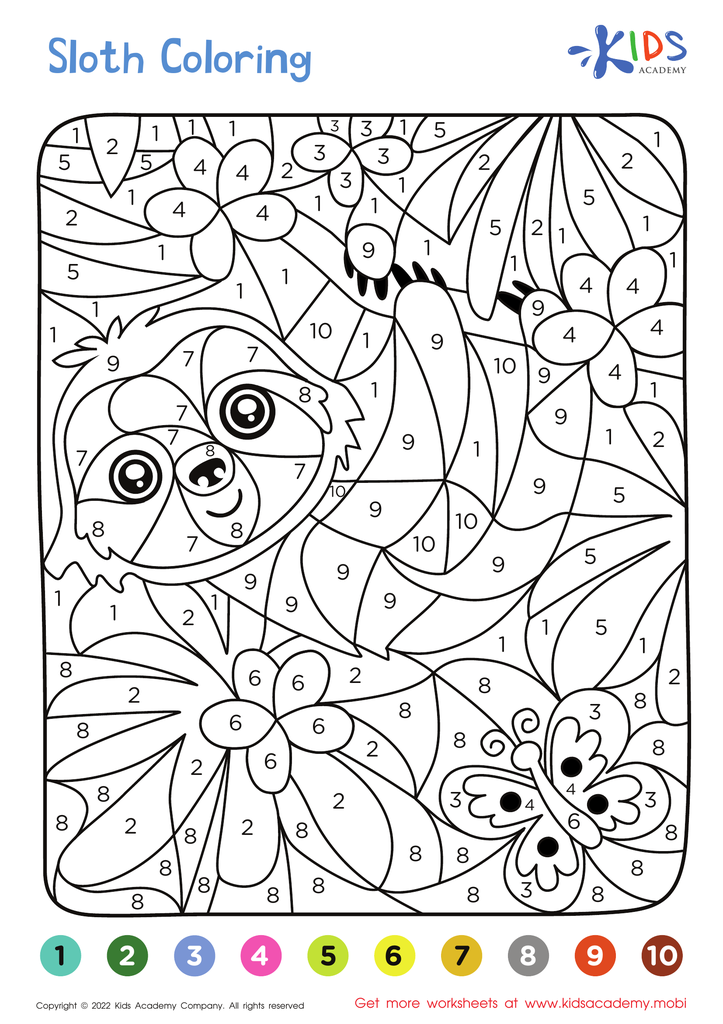
Sloth – Coloring by Numbers
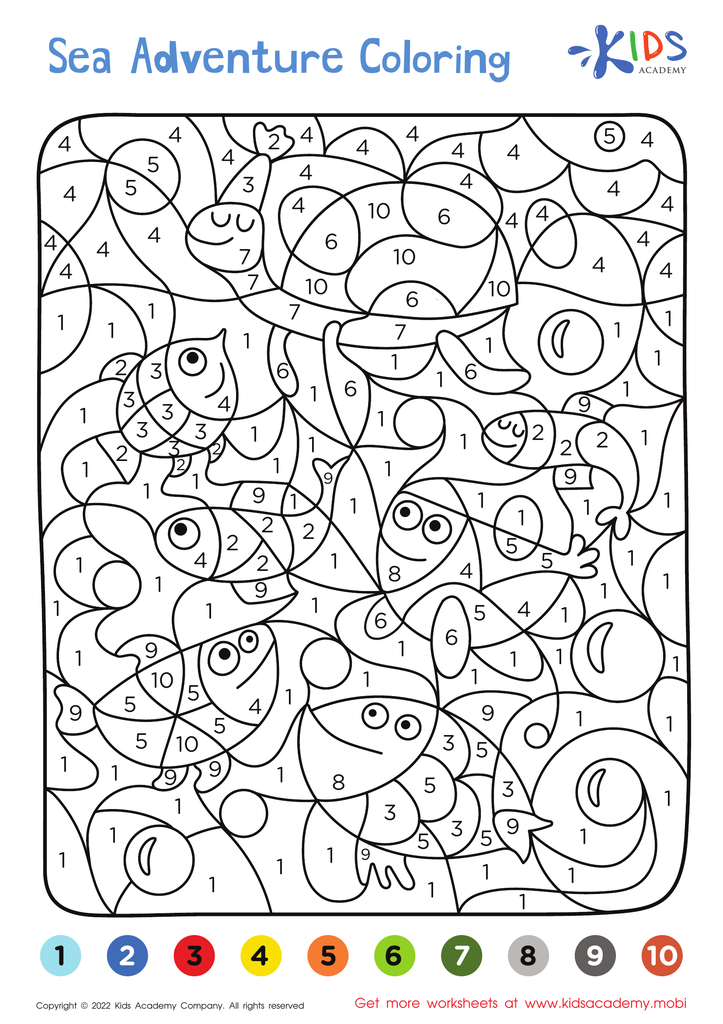
Sea Adventure – Coloring by Numbers
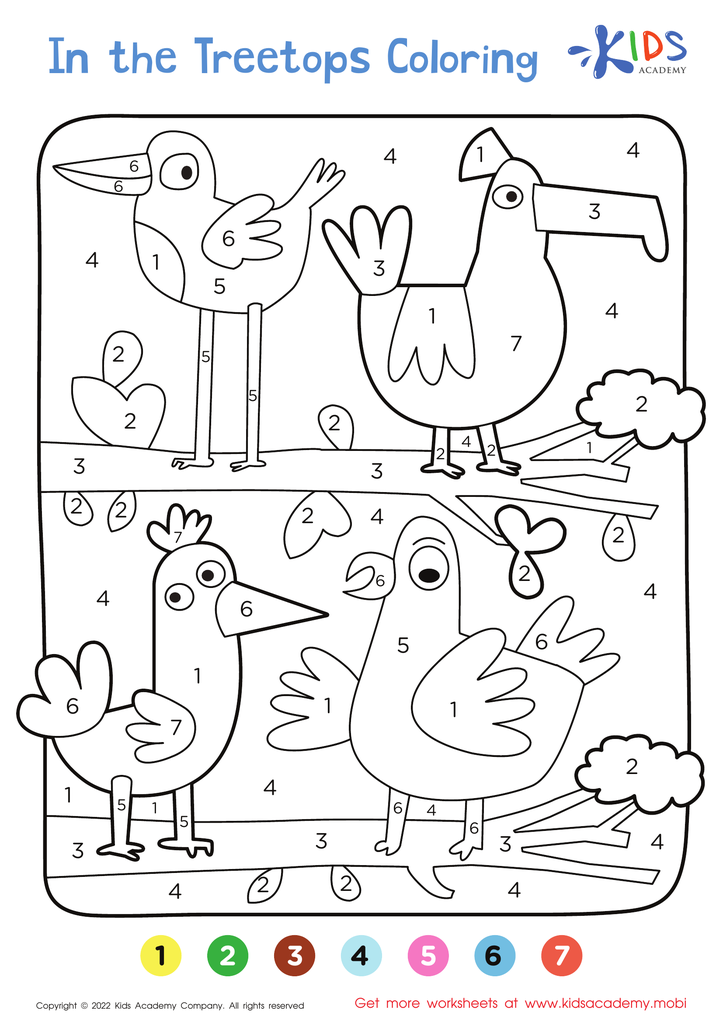
In the Treetops – Coloring Page
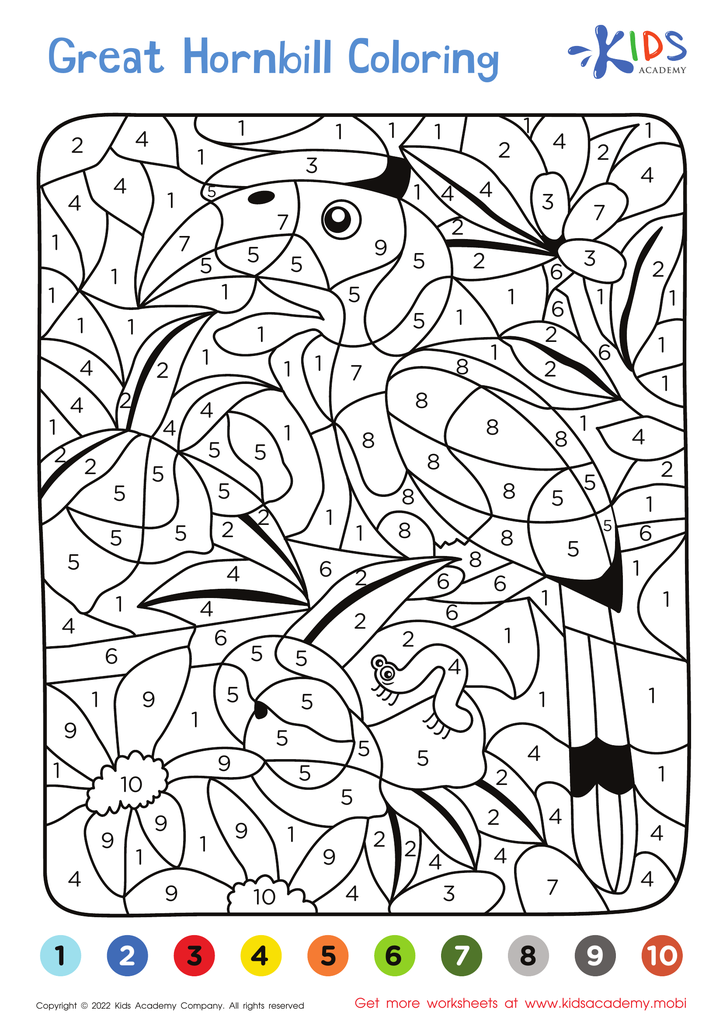
Great Hornbill – Coloring by Numbers
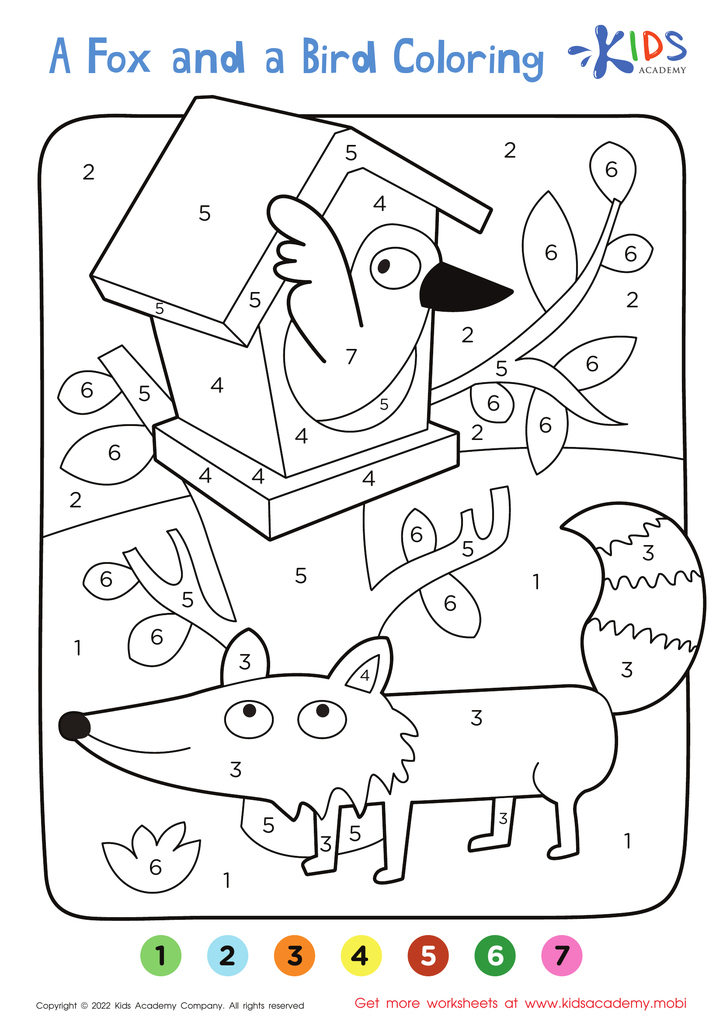
A Fox and a Bird – Coloring by Numbers




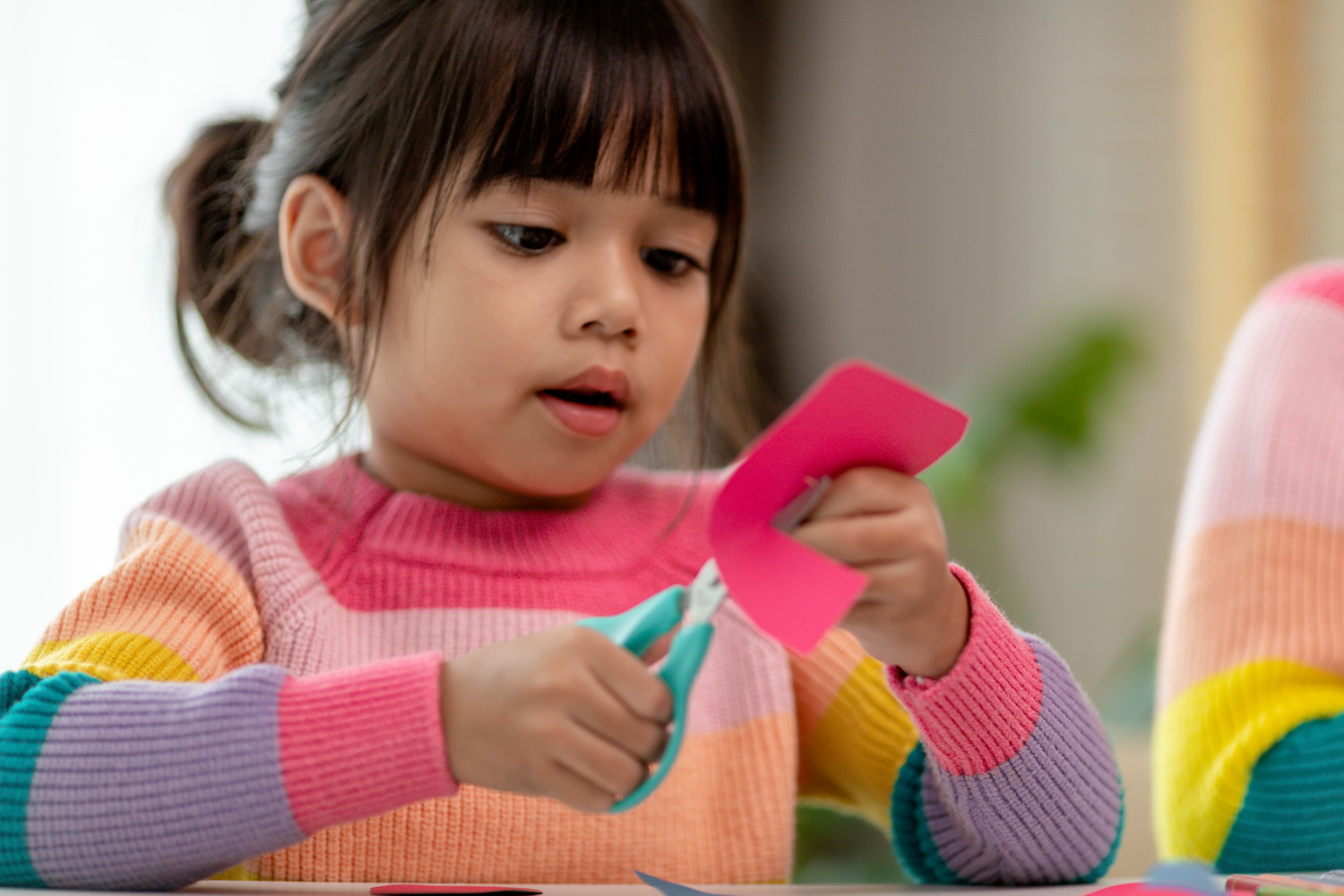



Fine motor skills are the coordination of small muscles, particularly in the hands and fingers, with the eyes. For children between the ages of 3 and 6, developing fine motor skills is crucial as these skills lay the foundation for essential tasks such as writing, dressing, and self-care. Fine Motor Skills Animals specifically target these abilities, turning learning into a fun and engaging experience.
Using animals to develop fine motor abilities offers a multisensory approach that captures children's attention. Brightly colored characters and animal-themed activities foster an enjoyable environment where children can practice skills like cutting, drawing, and manipulating small objects. These activities can improve hand strength, dexterity, hand-eye coordination, and bilateral coordination—all necessary for everyday tasks and academic performance.
Moreover, early mastery of fine motor skills contributes significantly to a child's confidence and independence. Successfully completing fun, animal-themed activities helps children develop a sense of achievement, encouraging a positive attitude toward learning and self-improvement.
Parents and teachers should care about these tools as they provide a structured yet playful approach to skill-building. Investing time in such educational tools at an early age can have long-term benefits, easing the transition to more complex tasks in the future and promoting holistic child development.