Developing fine motor skills Worksheets for Ages 3-6
5 filtered results
-
From - To
Discover our engaging "Developing Fine Motor Skills Worksheets for Ages 3-6," designed to enhance your child's dexterity and coordination through interactive activities. Our worksheets feature a variety of fun exercises that promote pencil grip, scissor skills, and hand-eye coordination. Perfect for preschool and kindergarten learners, these resources include tracing, cutting, and coloring tasks that keep young minds focused and entertained. Each activity fosters creativity while building essential motor skills crucial for future academic success. Explore our printable options today and help pave the way for your child’s development in a playful and enriching manner!
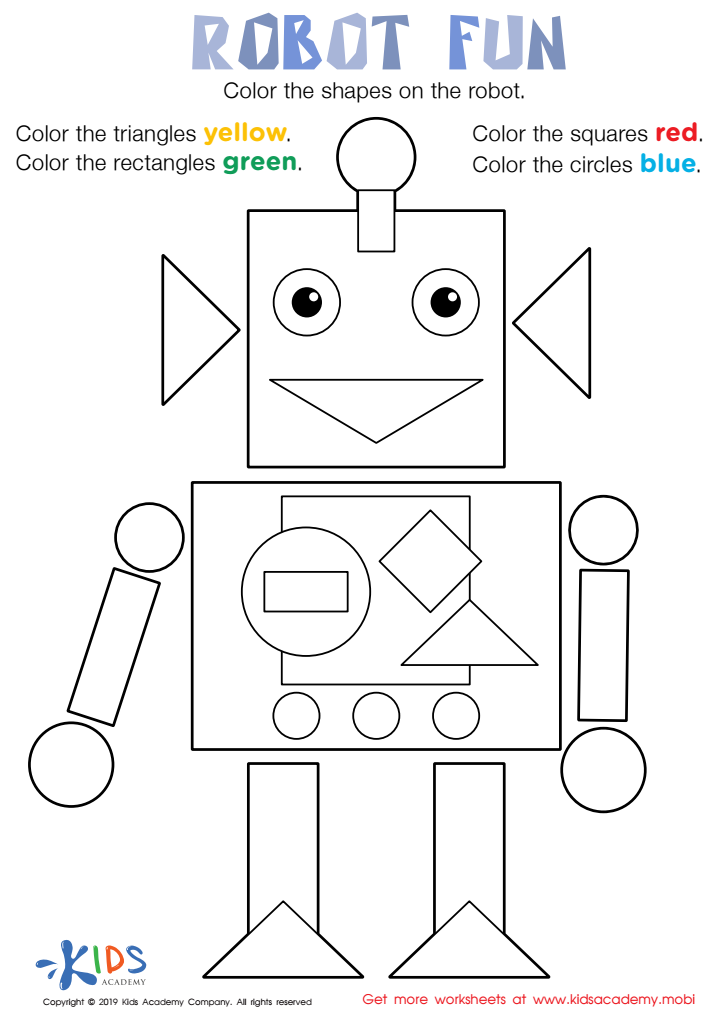
Robot Fun Worksheet
 Assign to My Students
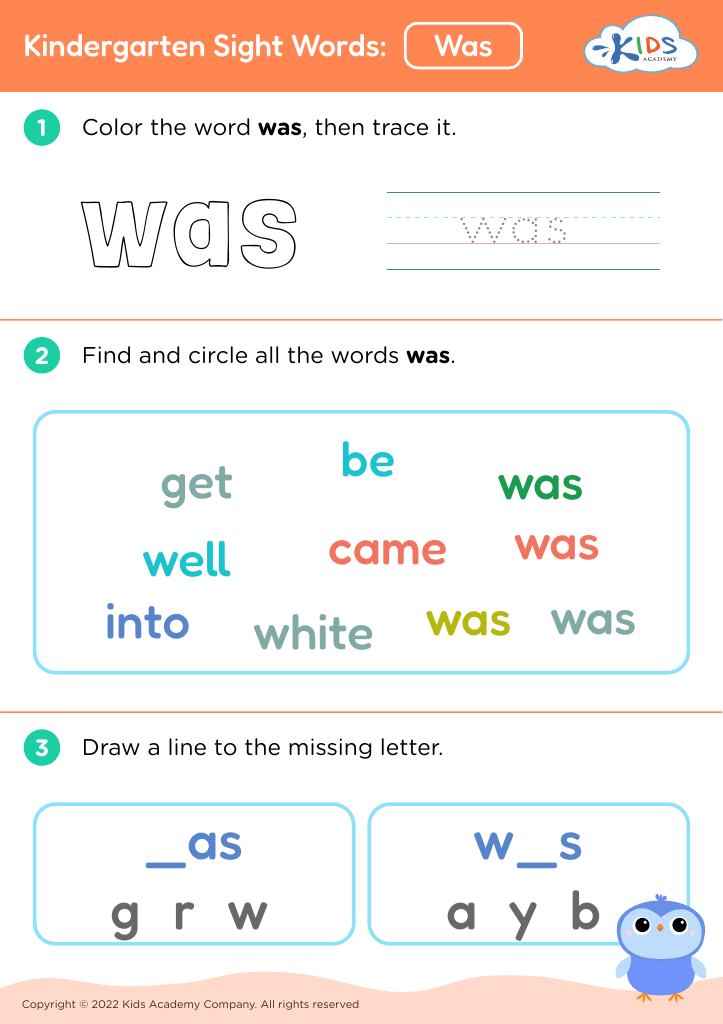








Developing fine motor skills in children aged 3-6 is crucial for their overall growth and development. These skills greatly influence a child's ability to perform everyday tasks, from writing to buttoning clothes, and laying the foundation for later academic success. Fine motor skills involve the coordination of small muscle movements, primarily in the hands and fingers, which are essential for grasping, manipulating objects, and hand-eye coordination.
Parents and teachers should prioritize fine motor skill development because these abilities significantly impact children's self-confidence, independence, and problem-solving skills. As children gain proficiency in fine motor tasks, they become more capable of undertaking activities without assistance, fostering autonomy and boosting their self-esteem.
Moreover, fine motor skills are closely linked to cognitive development. Engaging in activities like drawing, cutting, and crafting encourages creativity while simultaneously enhancing focus and concentration. These activities stimulate brain development and improve a child’s ability to execute multi-step actions.
To ensure long-term benefits, incorporating activities that promote fine motor skill development, such as puzzles, building blocks, and arts and crafts, is vital. By supporting young children's fine motor skills, parents and teachers are investing in their future learning, creativity, and overall capability.








