Directional understanding Worksheets for Ages 3-6
6 filtered results
-
From - To
Enhance your child’s spatial awareness with our "Directional Understanding Worksheets for Ages 3-6". Specially designed to develop early learning skills, these engaging worksheets help children grasp basic directional concepts such as left, right, up, down, and more. By incorporating vibrant images and interactive tasks, our worksheets make learning fun and effective. Perfect for home or classroom use, they cater to different learning paces, ensuring every child builds a strong foundation in following directions. Foster confidence and curiosity in young learners with these professionally crafted, easy-to-use educational resources. Download now and watch your child’s understanding of direction soar!
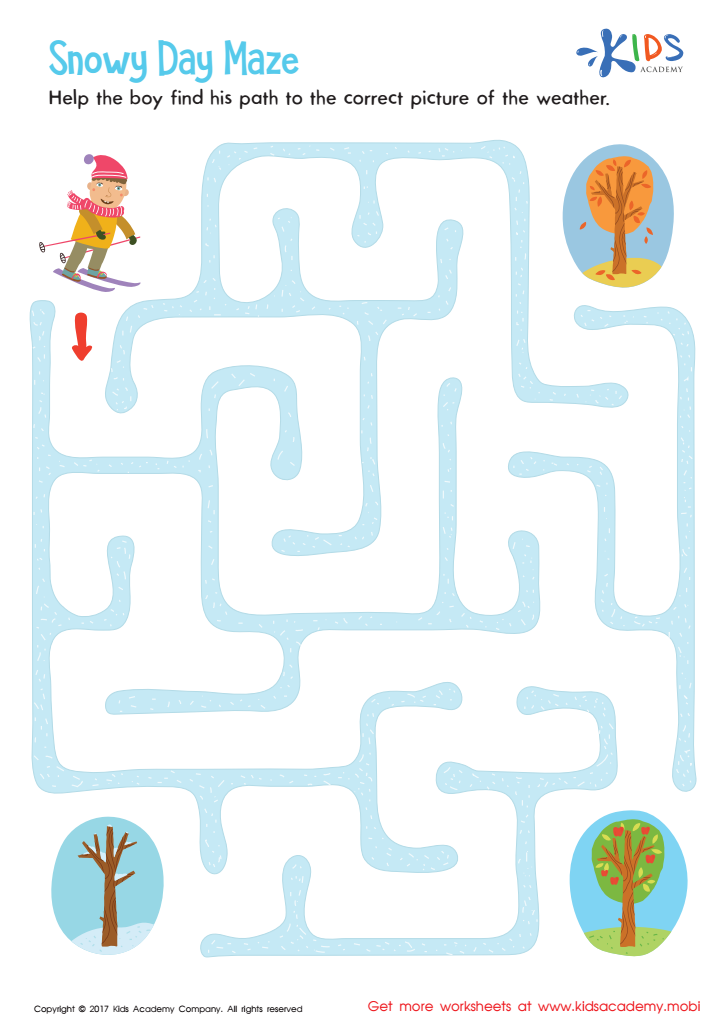
 Assign to My Students
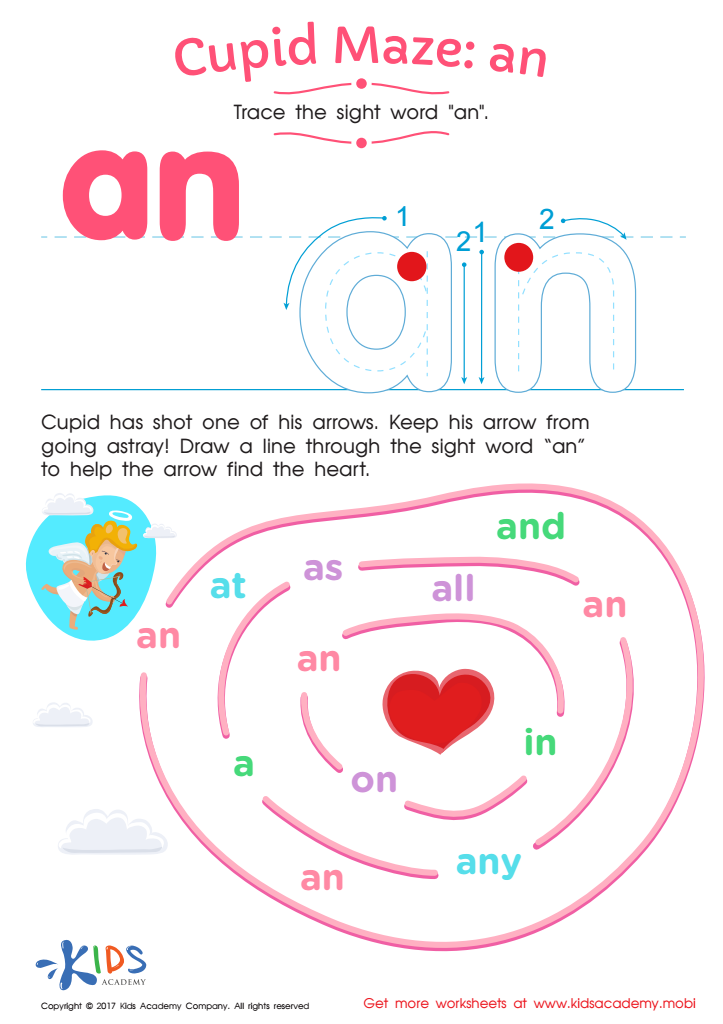
Cupid Maze: An Printable
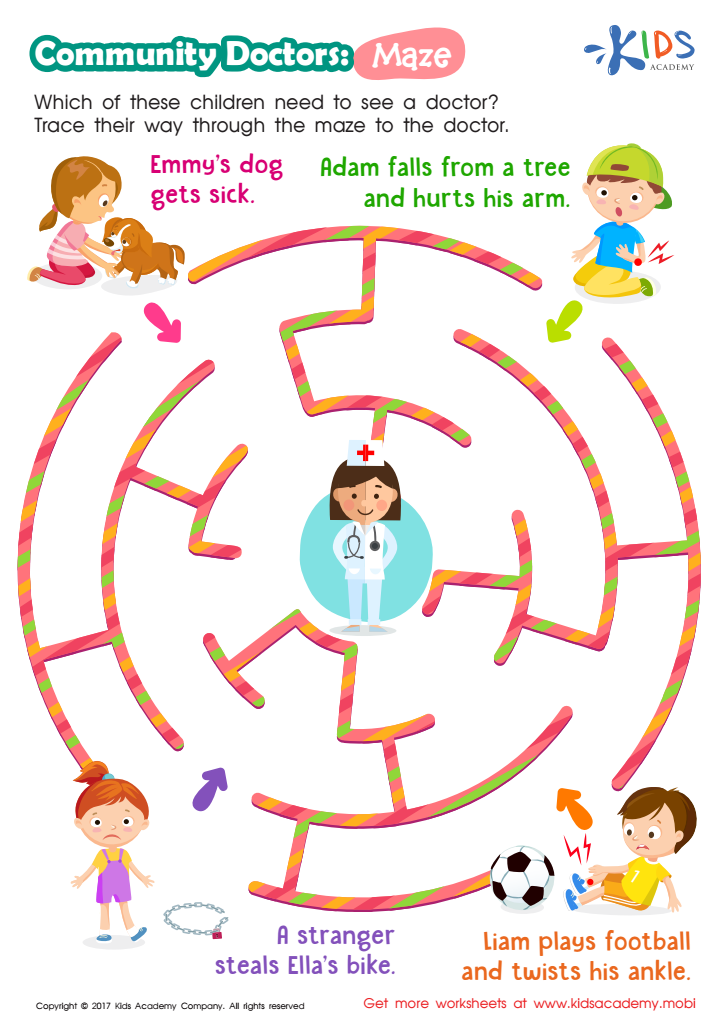
Community Doctors: Maze Printable
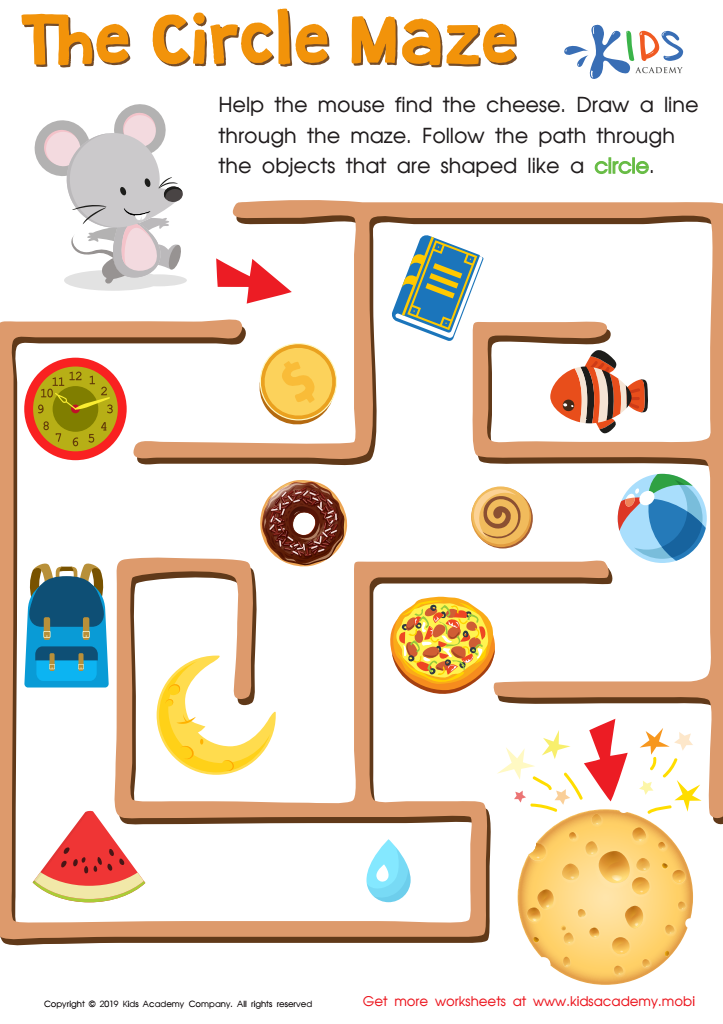
The Circle Maze Worksheet
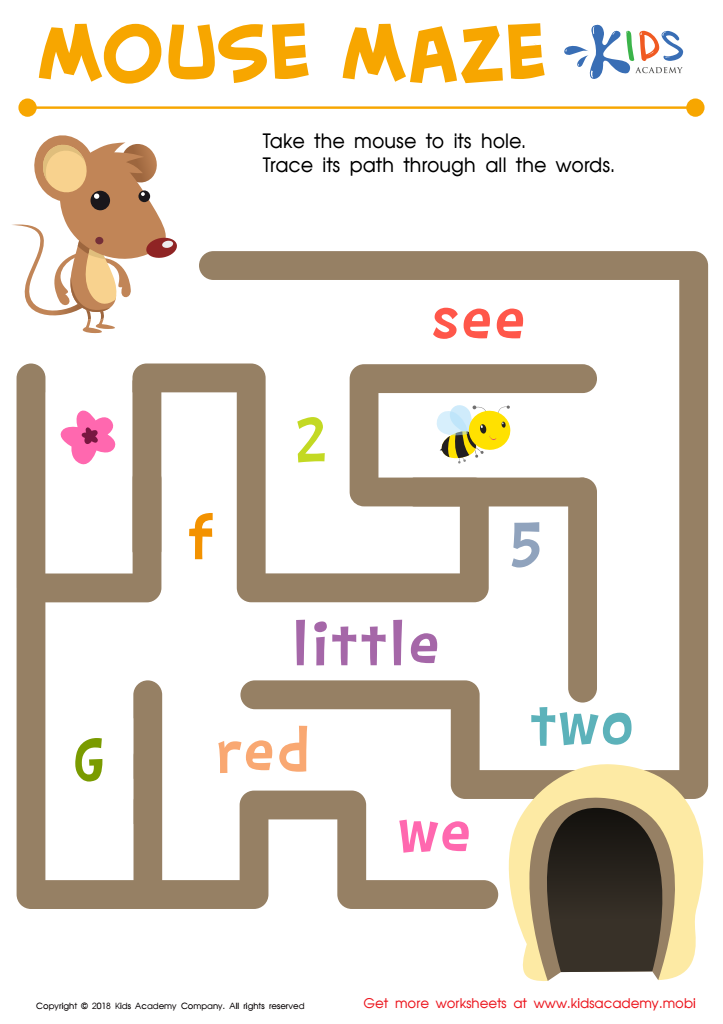
Find Words Mouse Maze Worksheet
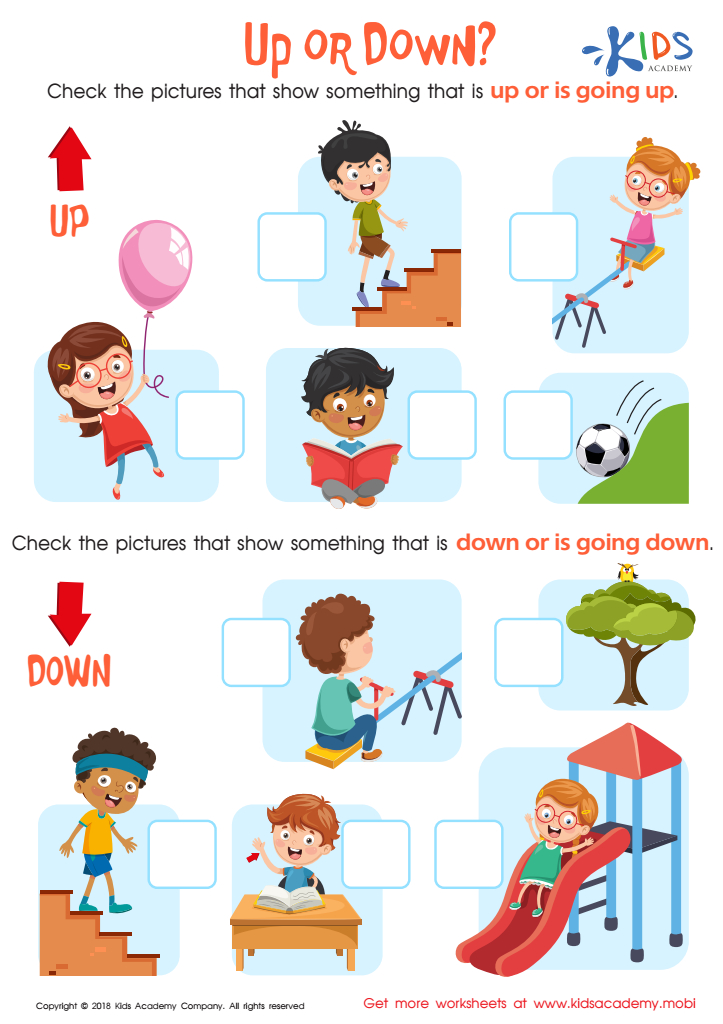
Up or Down Worksheet








Understanding directions is a crucial skill for children aged 3-6, as it lays the foundation for their spatial awareness and cognitive development. At this developmental stage, kids are naturally curious and ready to explore their surroundings, making it the perfect time to introduce directional concepts like left, right, up, down, and so on.
From a practical perspective, directional understanding helps children navigate basic daily activities, such as following instructions, finding their way around school, or understanding the layout of their home. This understanding is also fundamental for academic readiness. Basic math and reading skills often involve directional terms—think of counting objects from left to right or identifying the "top" of a page for reading.
Moreover, developing directional awareness plays a significant role in their safety. Knowing the difference between left and right can assist in crossing the street safely or understanding pedestrian signals. It also promotes independence, confidence, and self-reliance, as kids become capable of managing simple tasks without constant adult supervision.
For all these reasons, parents and teachers should prioritize teaching directionality to preschoolers. Simple games, songs, and everyday conversations are effective tools to integrate this essential skill into a child’s daily learning experience, fostering both their intellectual growth and practical life skills.








