Handwriting practice Worksheets for Ages 3-6 - Page 4
88 filtered results
-
From - To
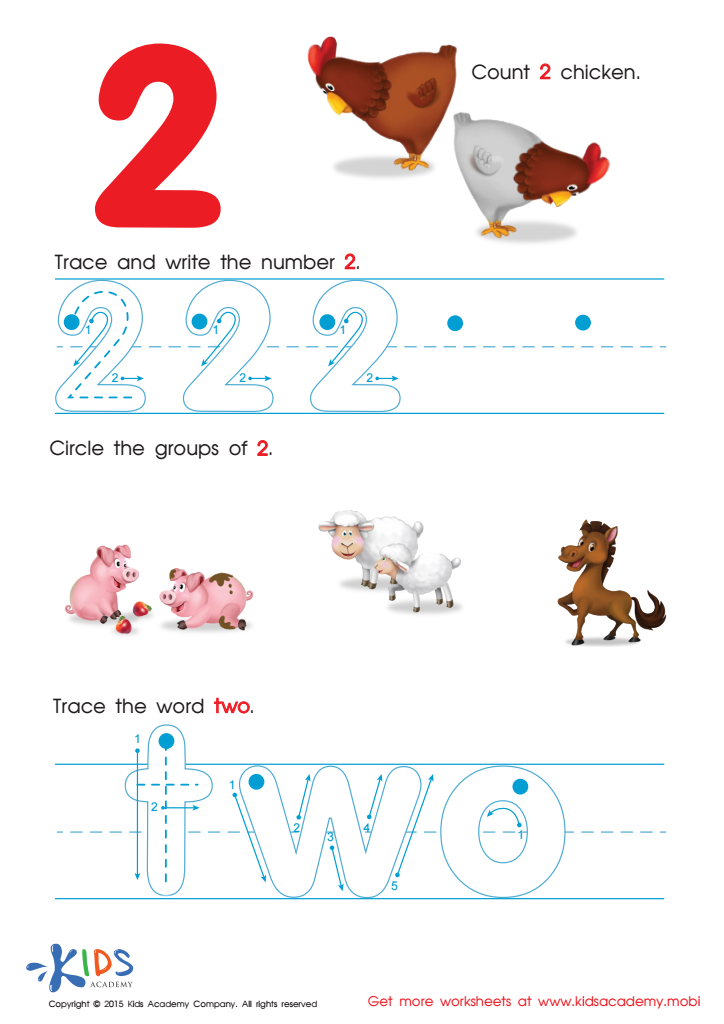
Learn to Write the Number 2 Worksheet
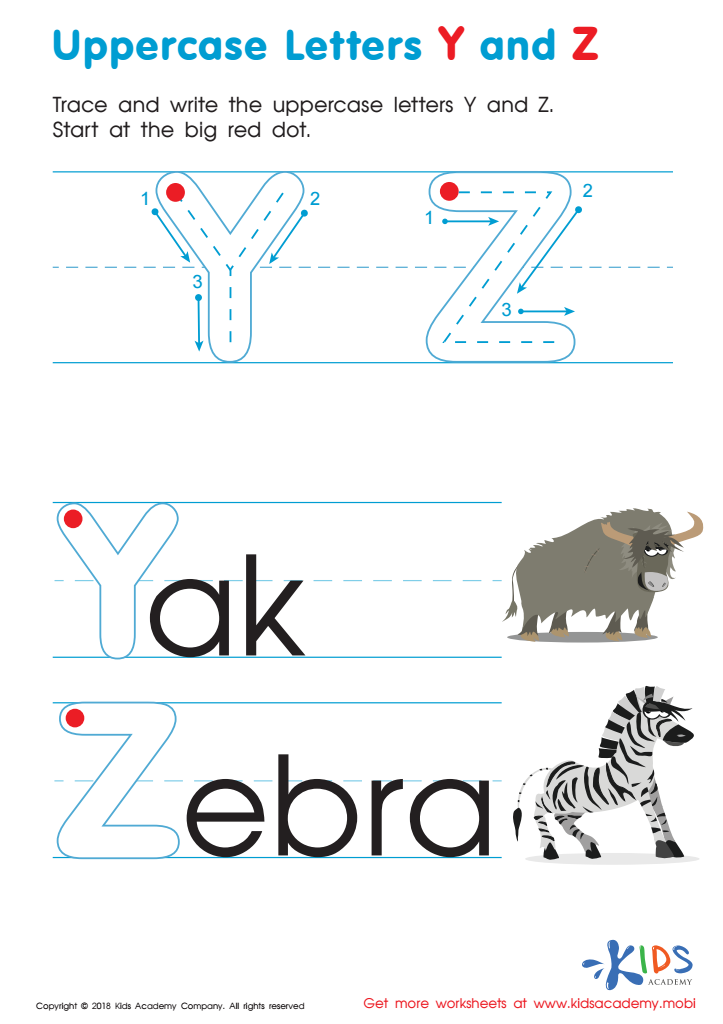
Uppercase Letters Y Z Worksheet
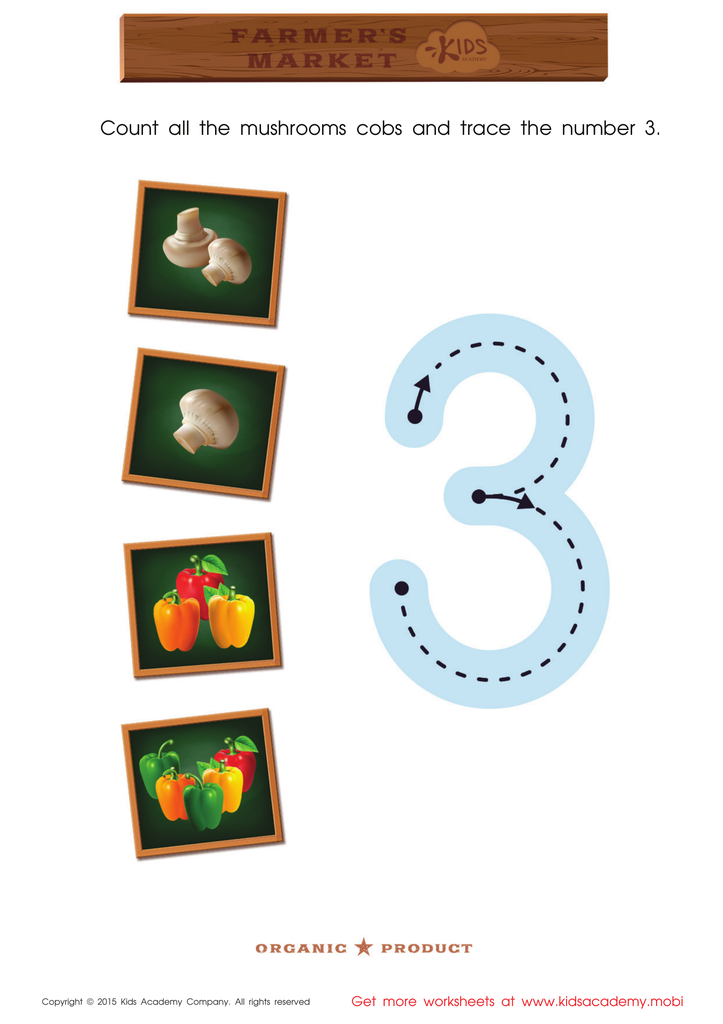
Count the Mushrooms and Trace the Number 3 Printable

Lowercase Letters g h i Worksheet
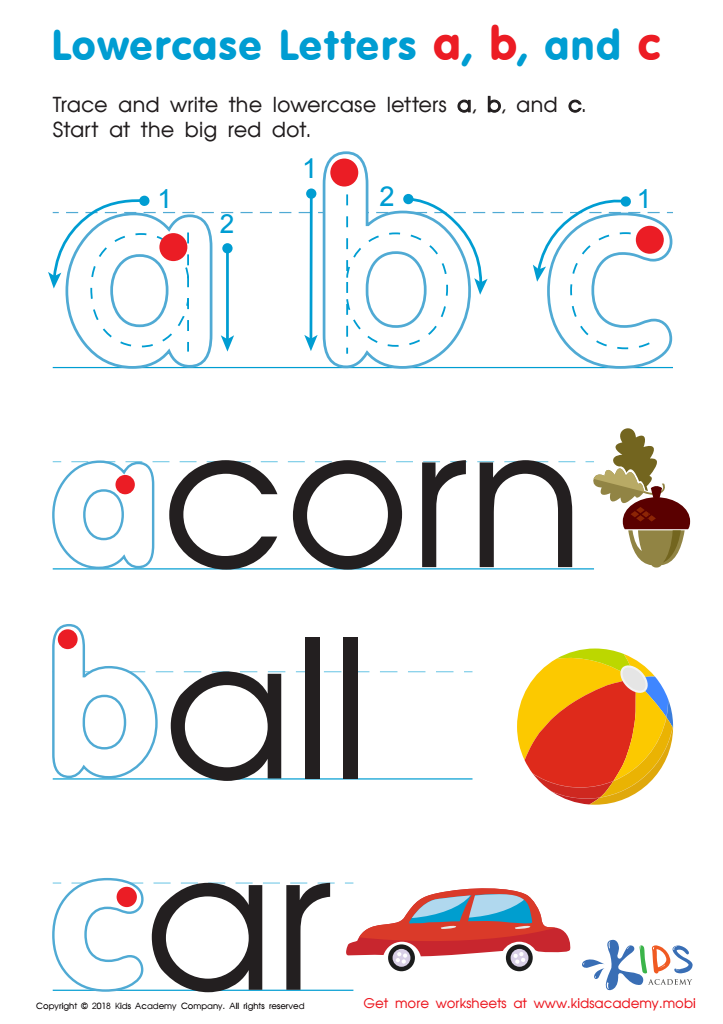
Lowercase Letters a b c Worksheet

Lowercase Letters v w x Worksheet
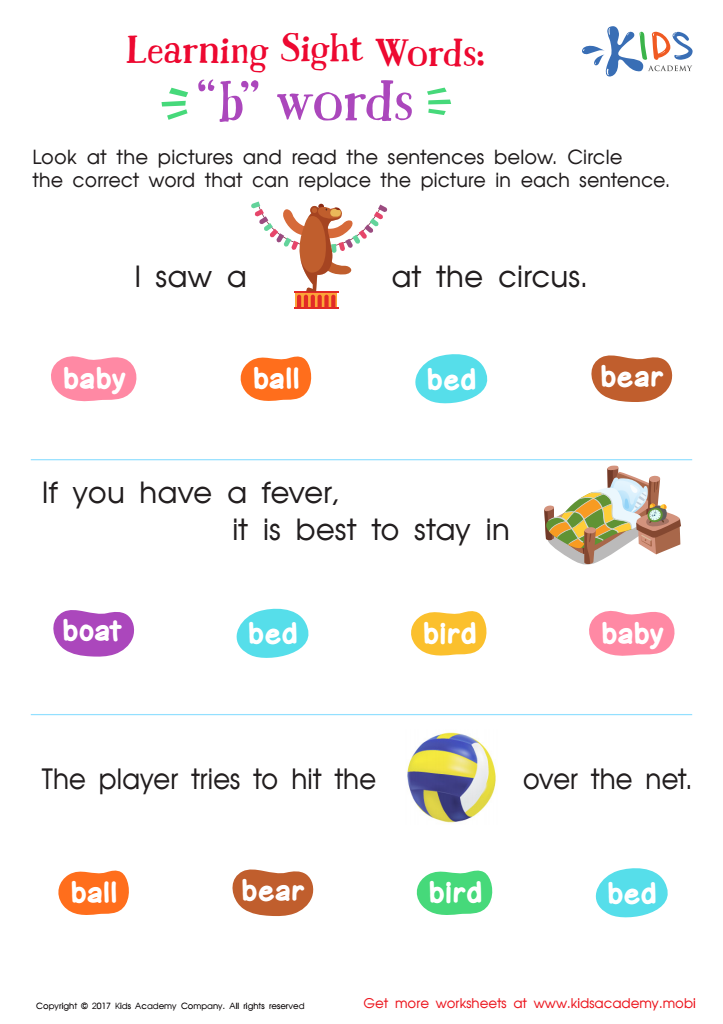
"B" Words Printable Sight Words Worksheet
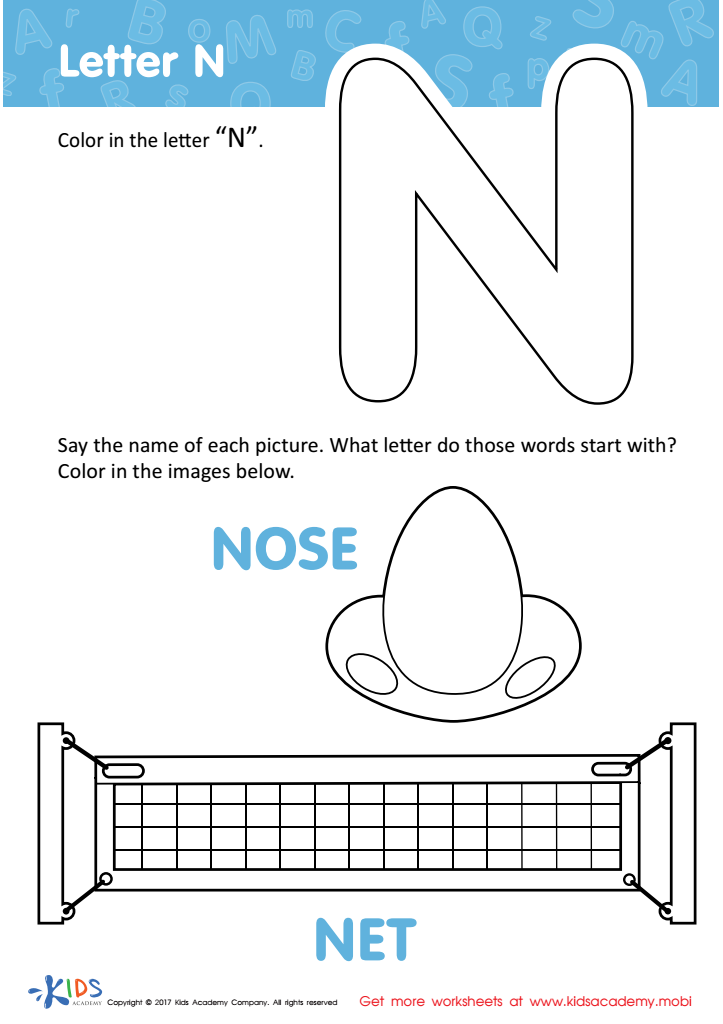
Letter N Coloring Sheet
 Assign to My Students
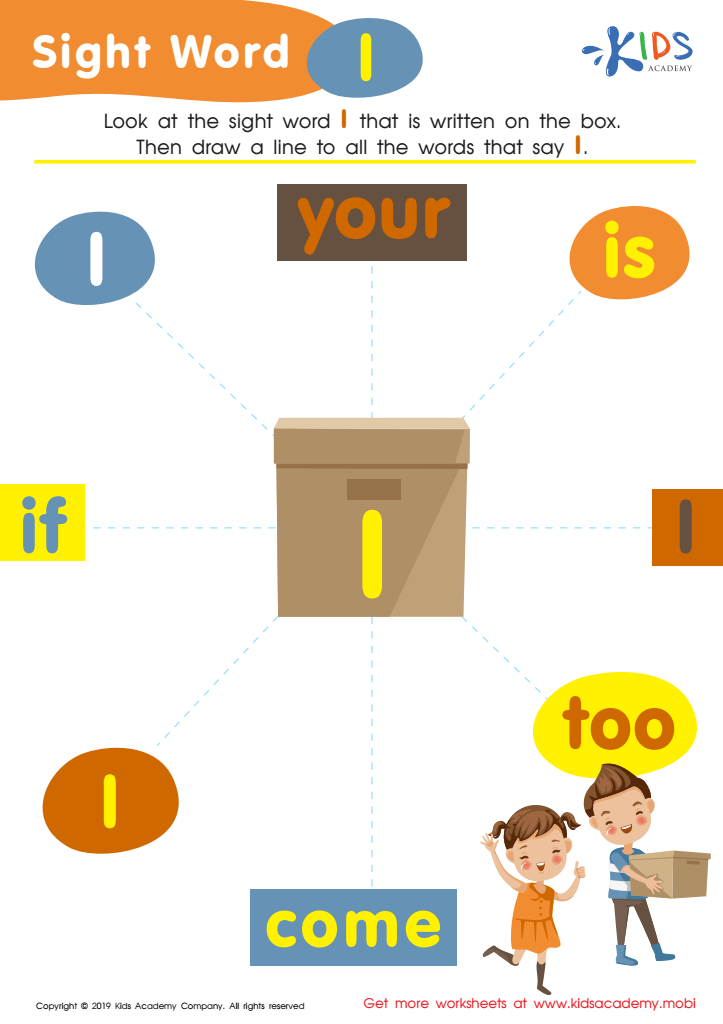
Sight Word I Worksheet
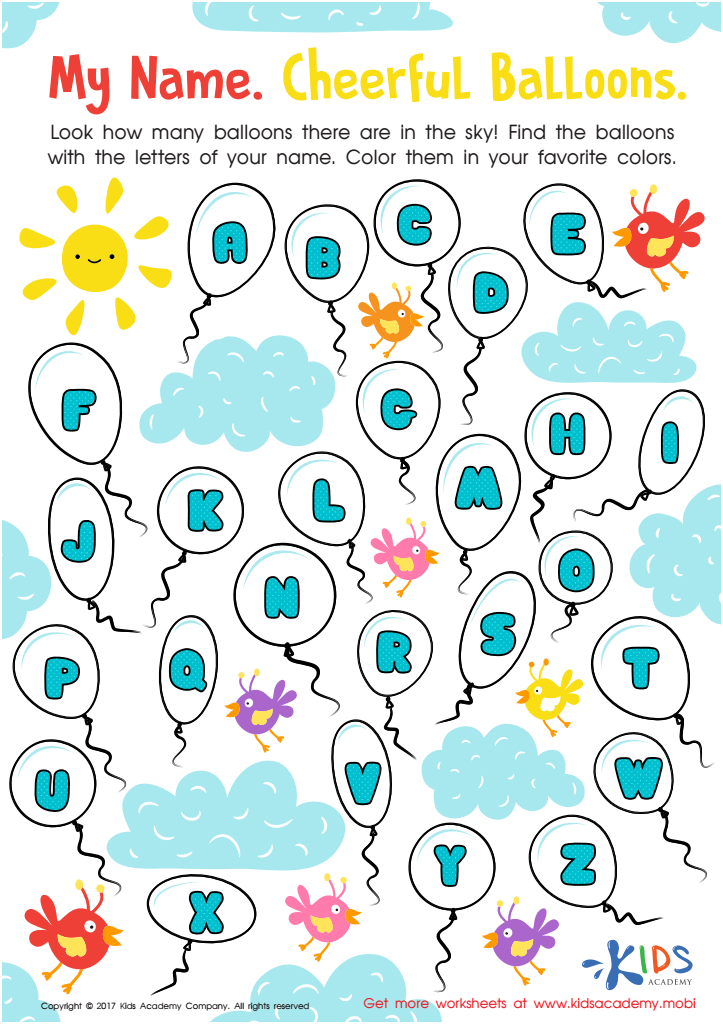
My Name: Cheerful Balloons Worksheet
Assign to My Students
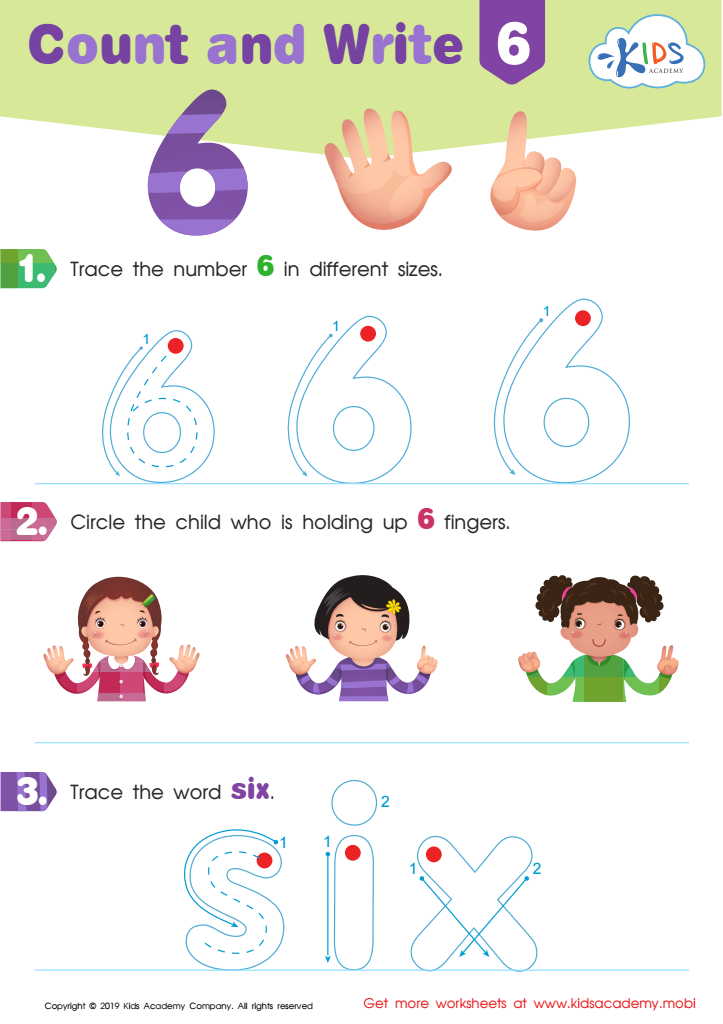
Count and Write 6 Worksheet
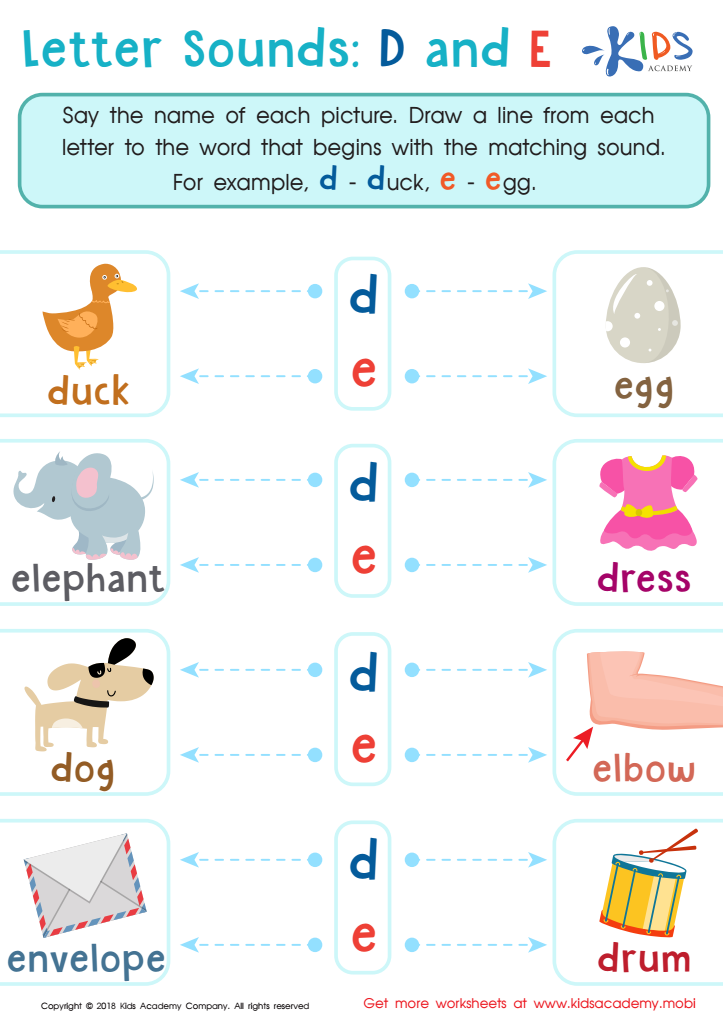
Letter D and E Sounds Worksheet

Uppercase Letters V, W, and X Worksheet
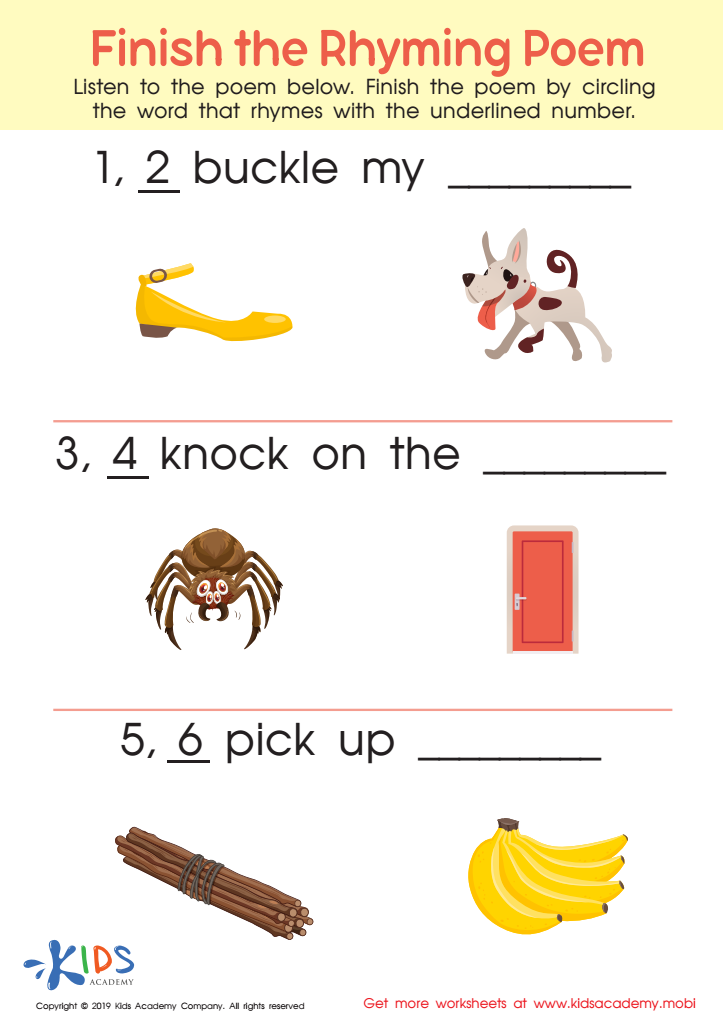
Finish Rhyming Poem Worksheet
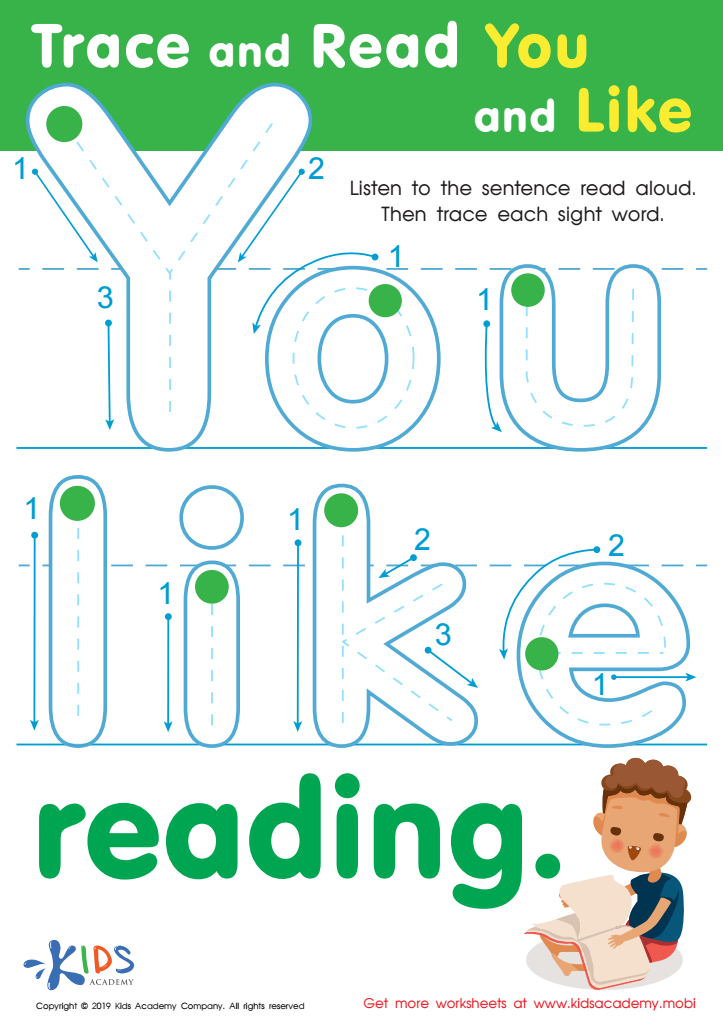
Trace Read You Like Worksheet
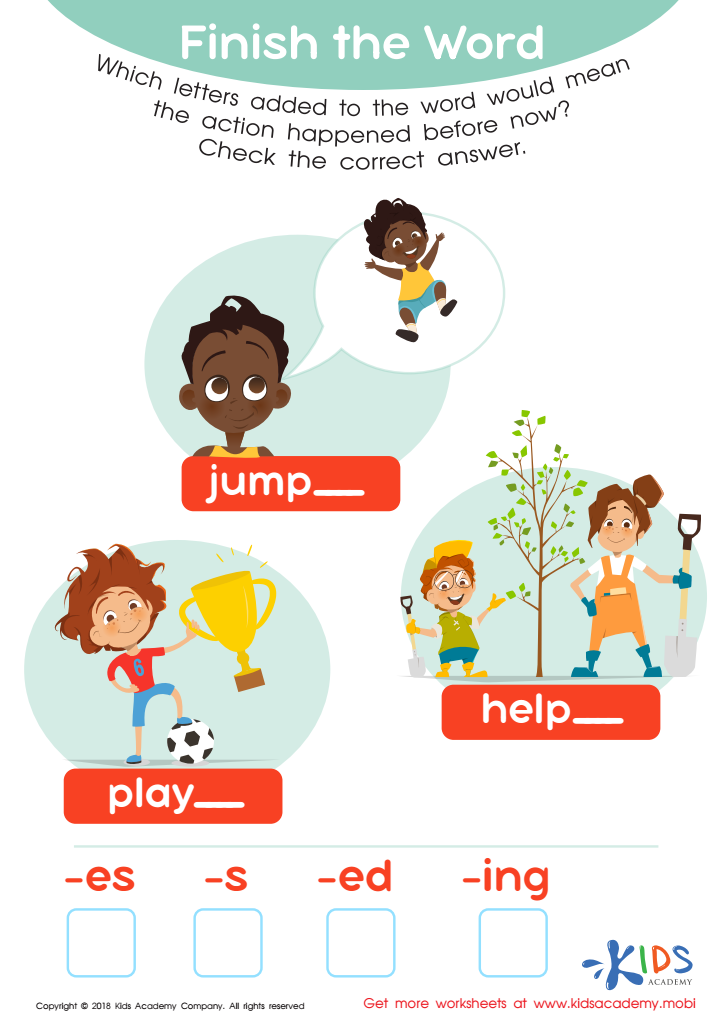
Finish the Word Worksheet








Handwriting practice is essential for children aged 3-6, as it significantly contributes to their overall development. During this critical period, children are developing fine motor skills that are crucial for various tasks, including self-care and playing. Practicing handwriting enhances their hand-eye coordination, dexterity, and control, laying a foundation for future writing skills.
Furthermore, learning to write at a young age helps foster cognitive development. Children begin to understand letter formation, recognition, and sounds associated with letters, contributing to early literacy skills. This understanding boosts their confidence in language expression and aids in reading development later on.
Socially and emotionally, handwriting practice encourages patience and perseverance. Children learn the importance of practice and effort, which are vital attributes for life. Additionally, producing written work offers a sense of accomplishment, thereby building self-esteem.
For parents and teachers, facilitating handwriting practice creates opportunities for bonding and engagement. Through shared activities, they can promote a supportive environment that nurtures learning. Ultimately, refining handwriting skills in early childhood benefits not just academic performance, but also essential life skills that lay the groundwork for a successful future. Prioritizing this practice is investing in a child's holistic growth.








