Improving analytical skills Worksheets for Ages 3-6
5 filtered results
-
From - To
Boost your child's analytical skills with our engaging worksheets designed for ages 3-6! These fun and interactive activities promote critical thinking and problem-solving abilities while keeping young minds entertained. Each worksheet focuses on essential skills like pattern recognition, categorization, and comparison, helping children develop a strong foundation for future learning. Perfect for home or classroom use, our resources cater to a variety of learning styles. Discover the joy of learning through play as your little ones enhance their analytical thinking in a supportive environment. Start fostering an inquisitive mindset today with our curated selection of worksheets that make learning an adventure!
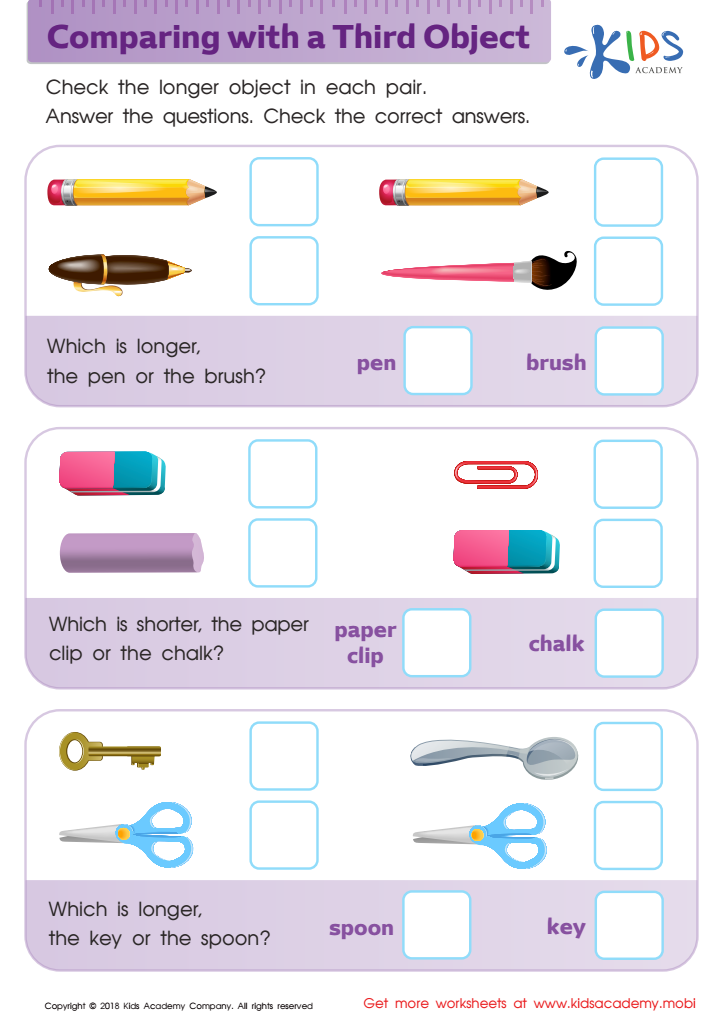
Comparing with a Third Object Worksheet
 Assign to My Students
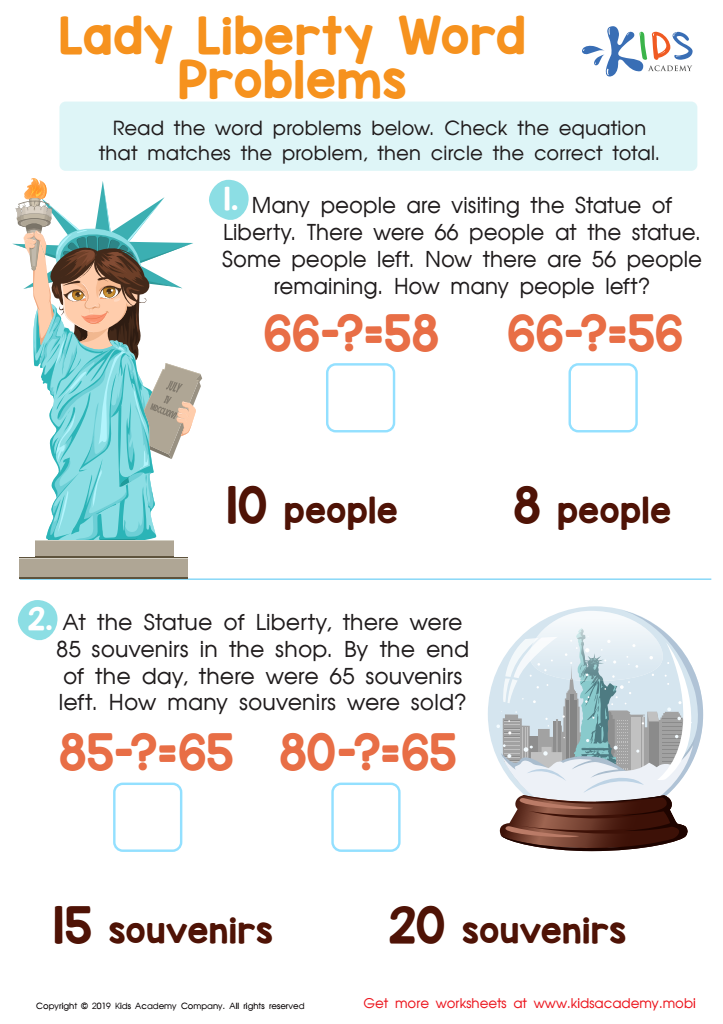
Lady Liberty Worksheet
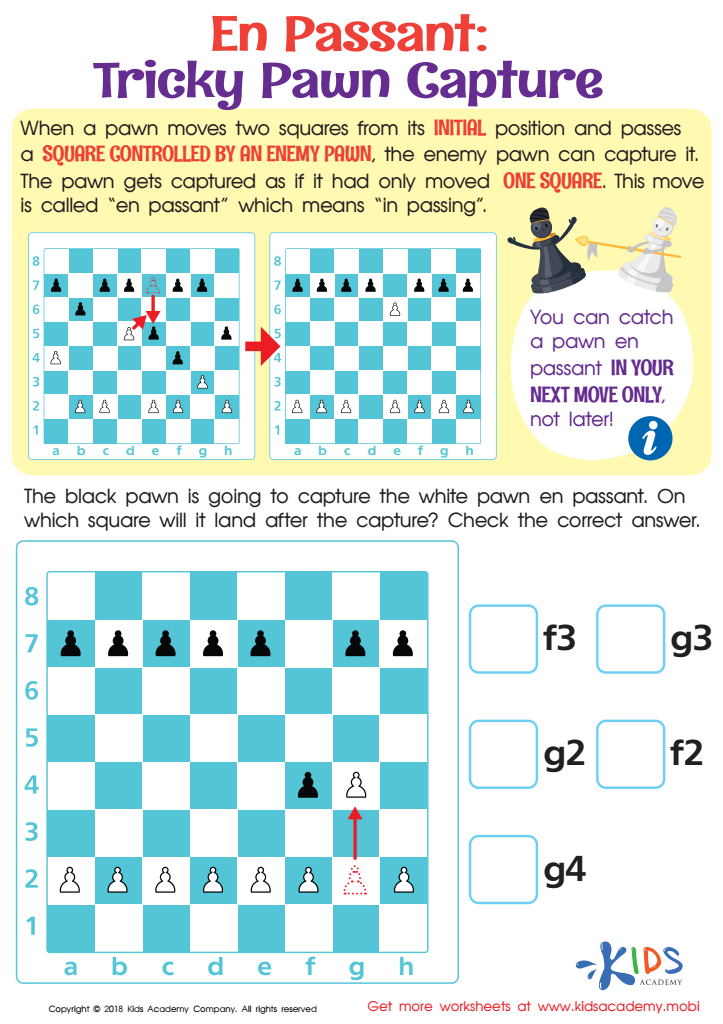
En Passant: Tricky Pawn Capture Worksheet
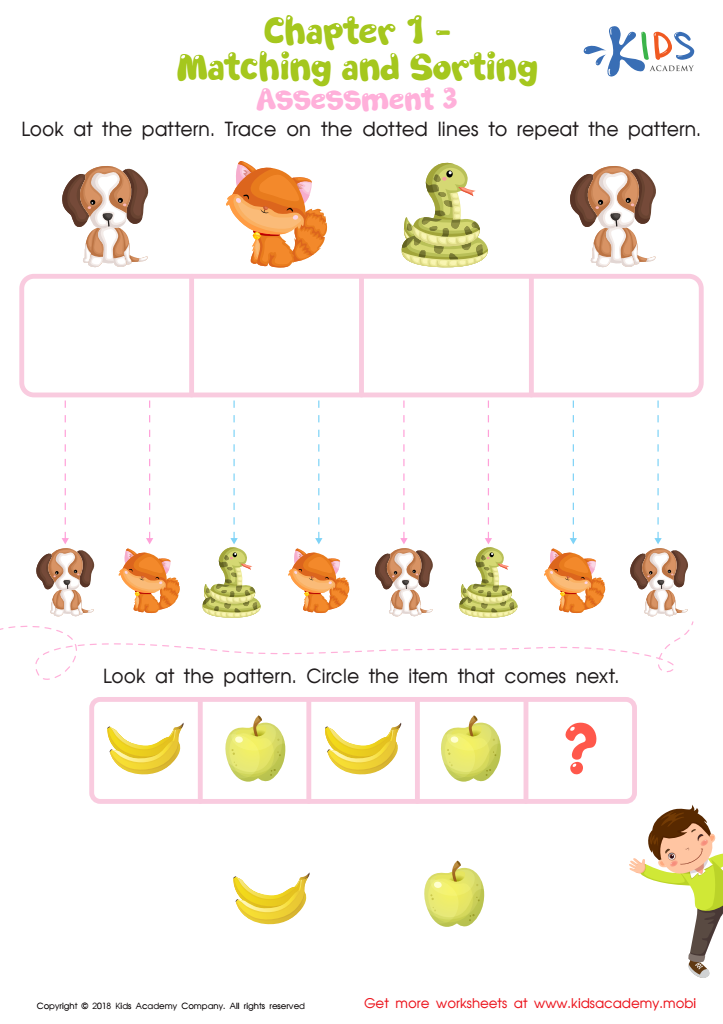
Matching and Sorting for Preschool: Assessment 3 Worksheet
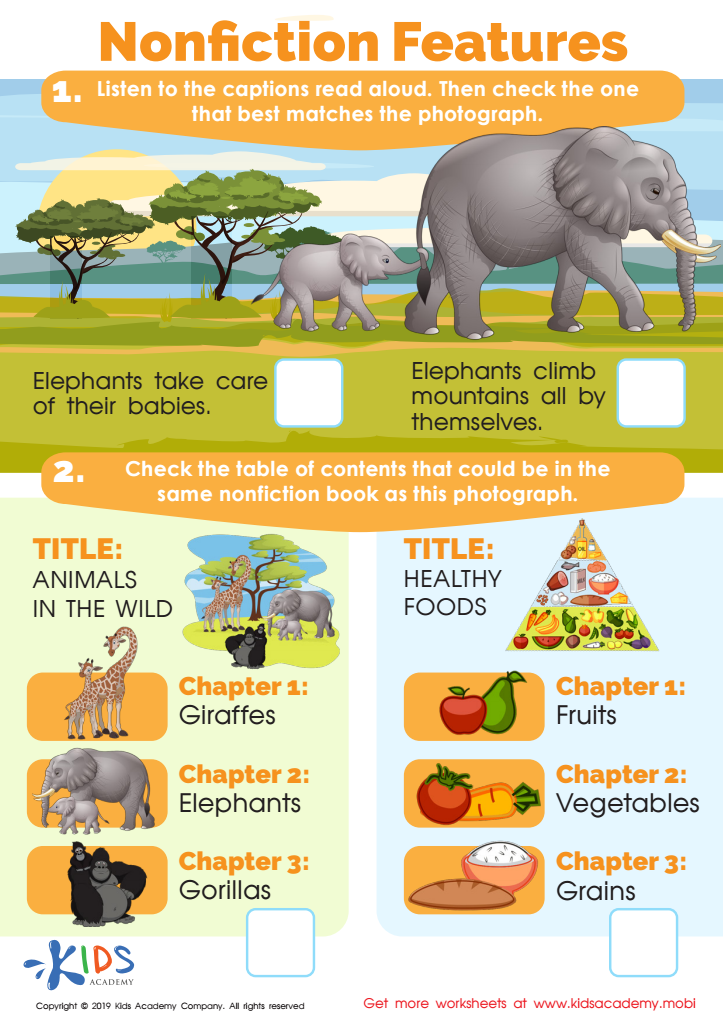
Nonfiction Features Worksheet








Improving analytical skills in children ages 3-6 is crucial because early childhood is a foundational period for cognitive development. During these years, children's brains are highly adaptable, and fostering analytical thinking can enhance problem-solving, reasoning, and decision-making abilities. As children learn to analyze information, they become better equipped to understand and navigate their environment.
Engaging parents and teachers in this process promotes active learning strategies such as inquiry-based play and open-ended questions, which stimulate curiosity and critical thinking. Analytical skills pave the way for future academic success; as children learn to dissect information and think logically, they are more prepared to tackle complex subjects in later years.
Furthermore, strong analytical abilities promote emotional intelligence, fostering skills like empathy and perspective-taking. Children who can assess situations and moods develop better social interactions, which are vital for building relationships.
Involving parents in supporting this development—through games, discussions, and hands-on activities—also strengthens the home-school connection, creating a supportive community for the child's learning journey. Ultimately, enhancing analytical skills at this early stage cultivates confident, independent learners who are prepared to explore the world around them.








