Problem-Solving Skills Worksheets for Ages 3-6 - Page 10
244 filtered results
-
From - To
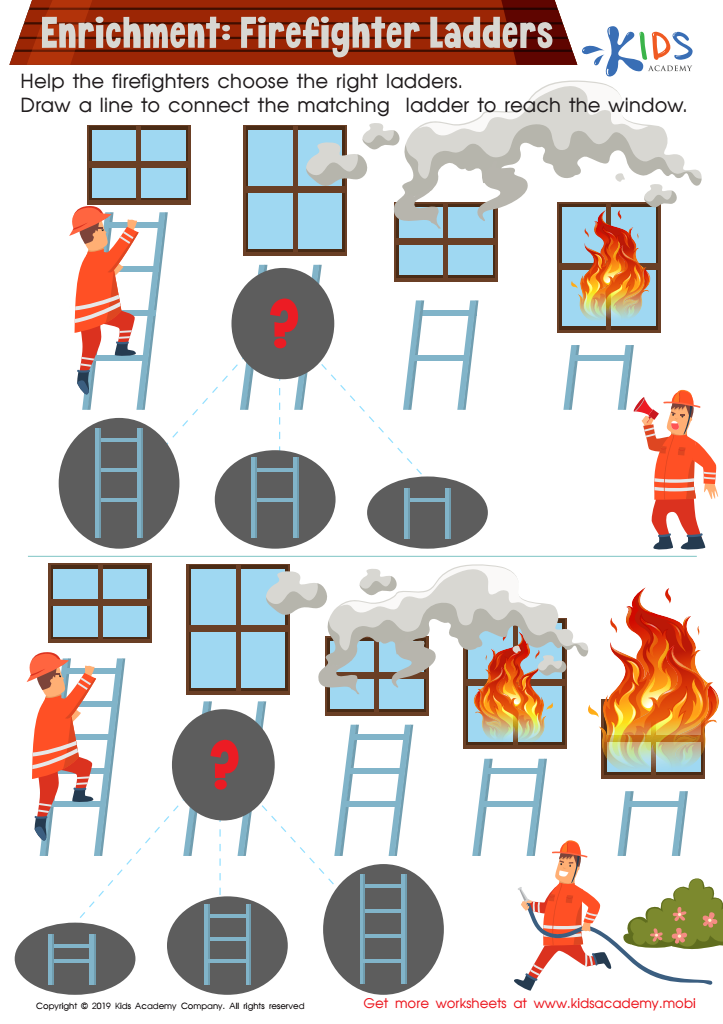
Enrichment: Firefighter Ladders Worksheet
 Assign to My Students
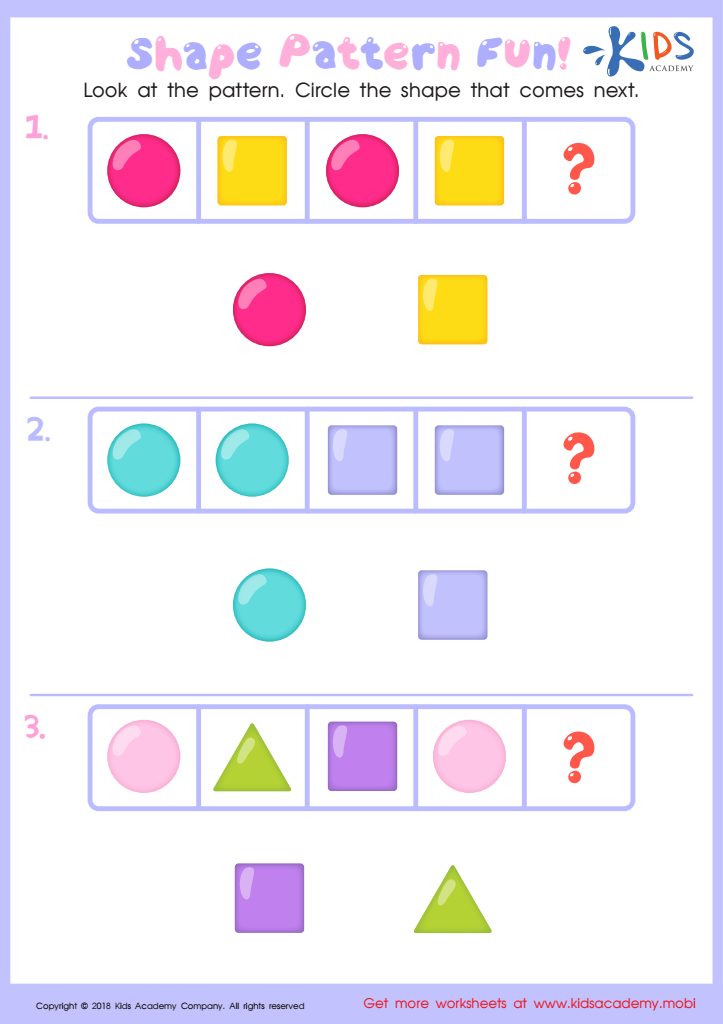
Shape Pattern Fun Worksheet
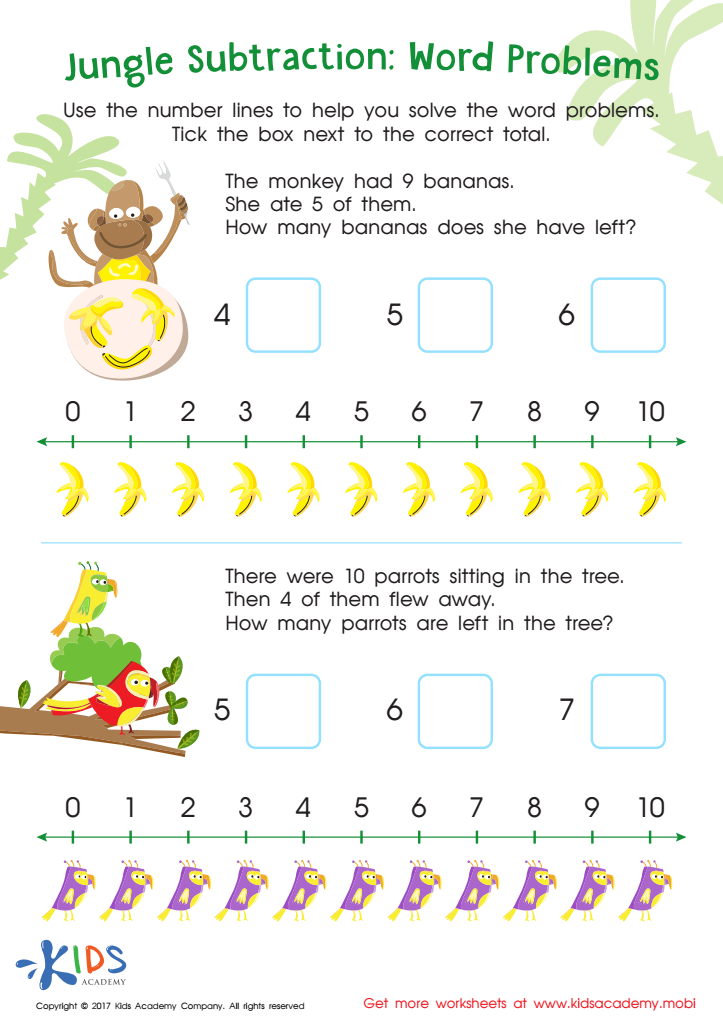
Jungle Subtraction Word Problems Substraction Worksheet
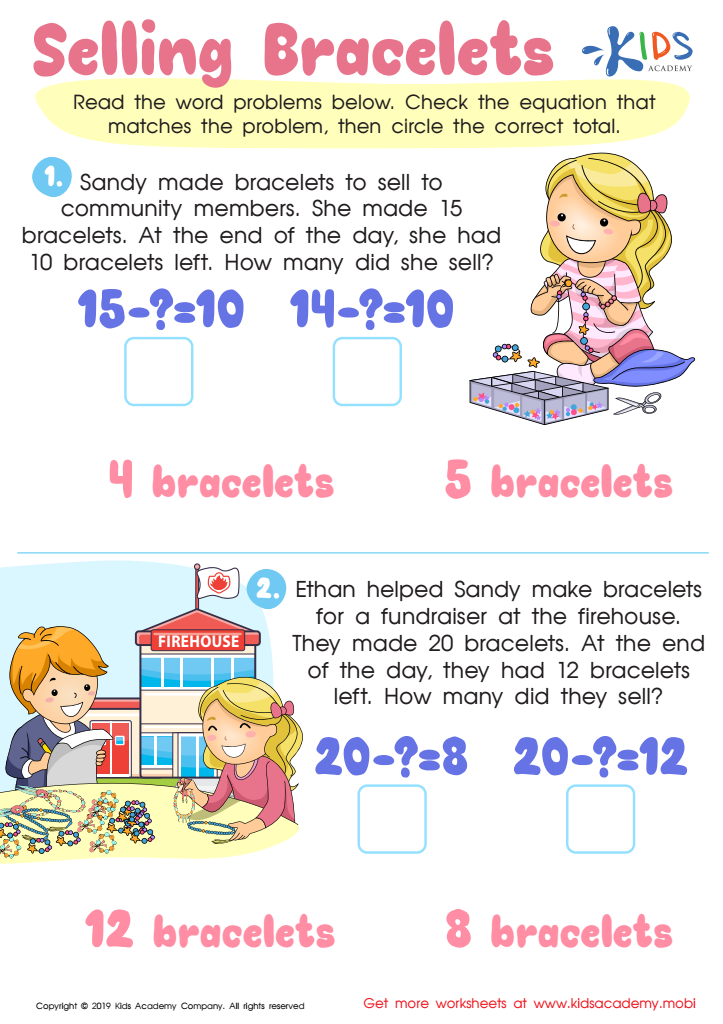
Selling the Bracelets Worksheet
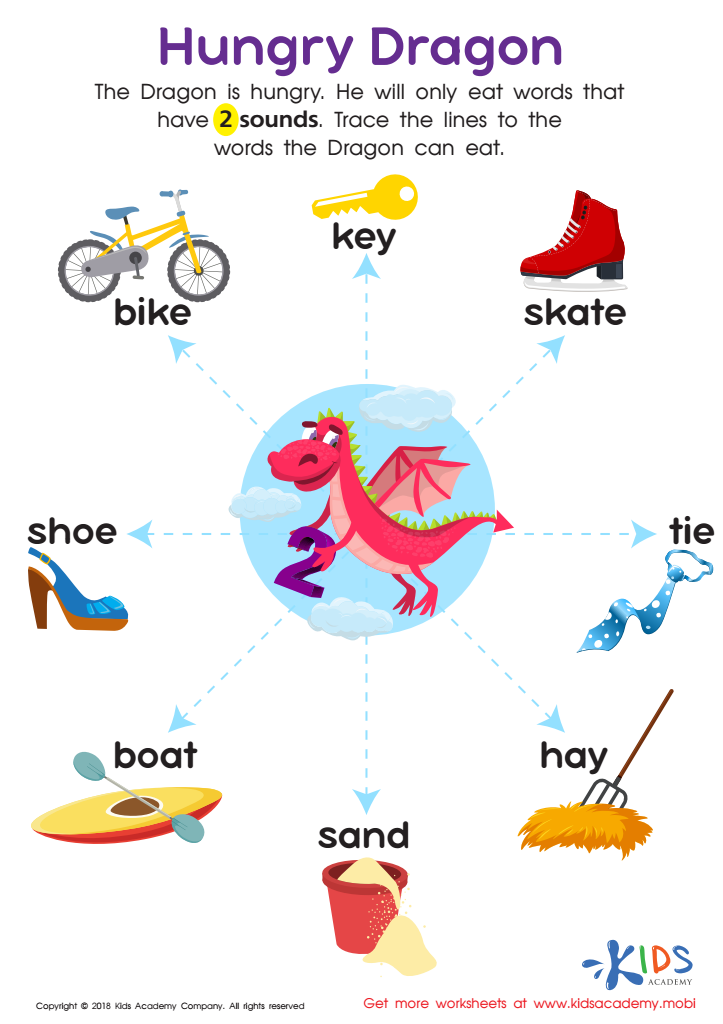
Hungry Dragon Worksheet
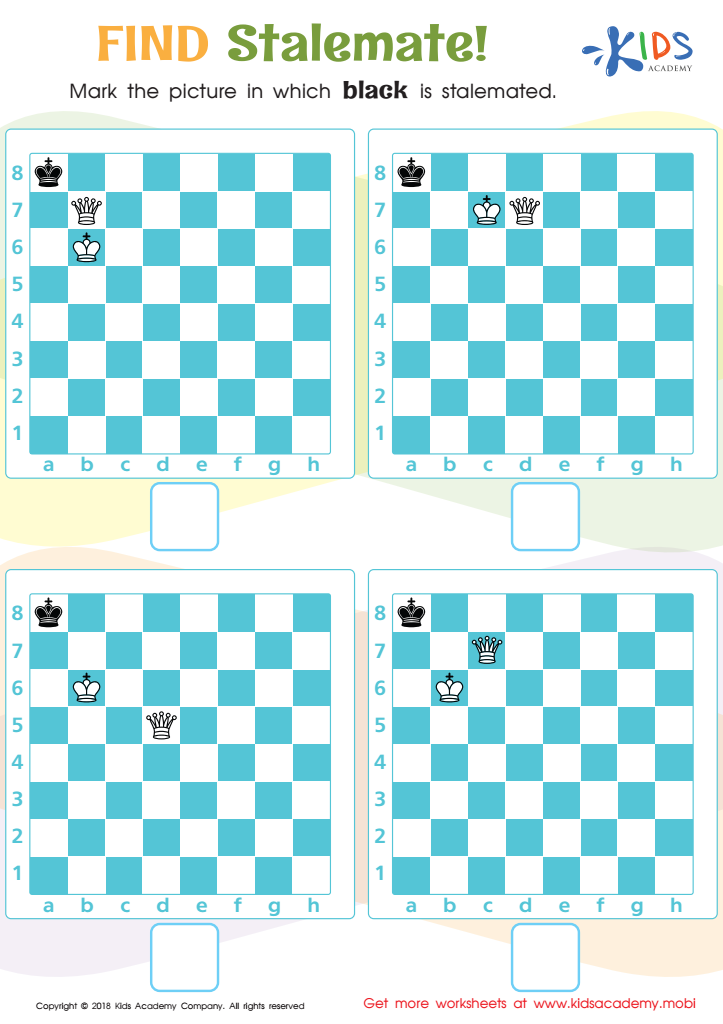
Find Stalemate! Worksheet
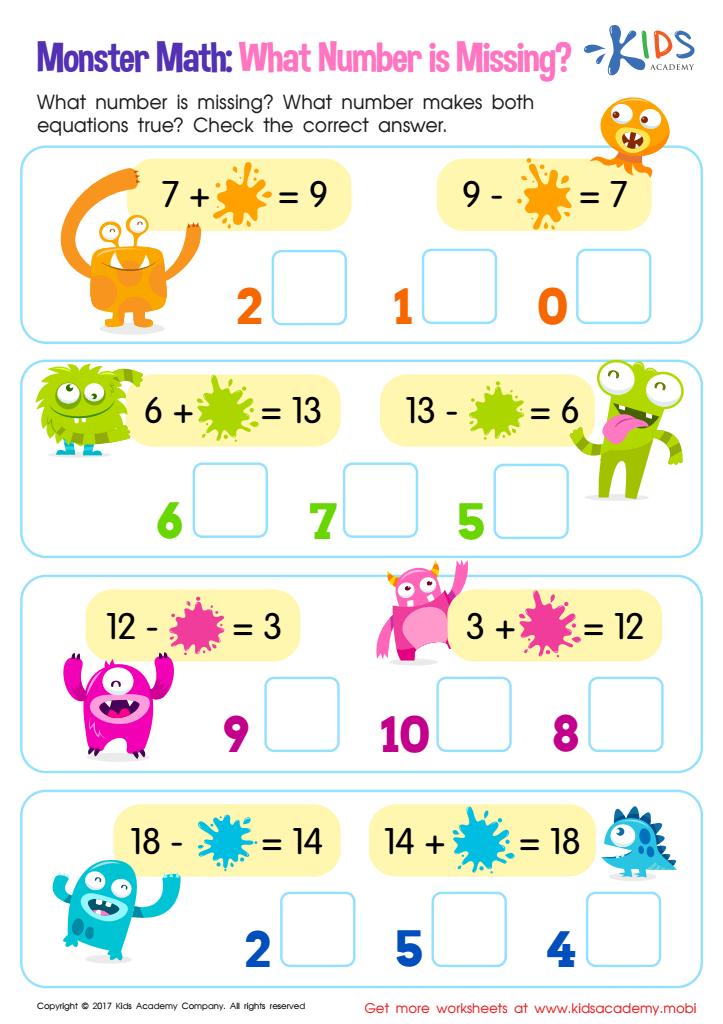
Missing Number: Monster Math Worksheet
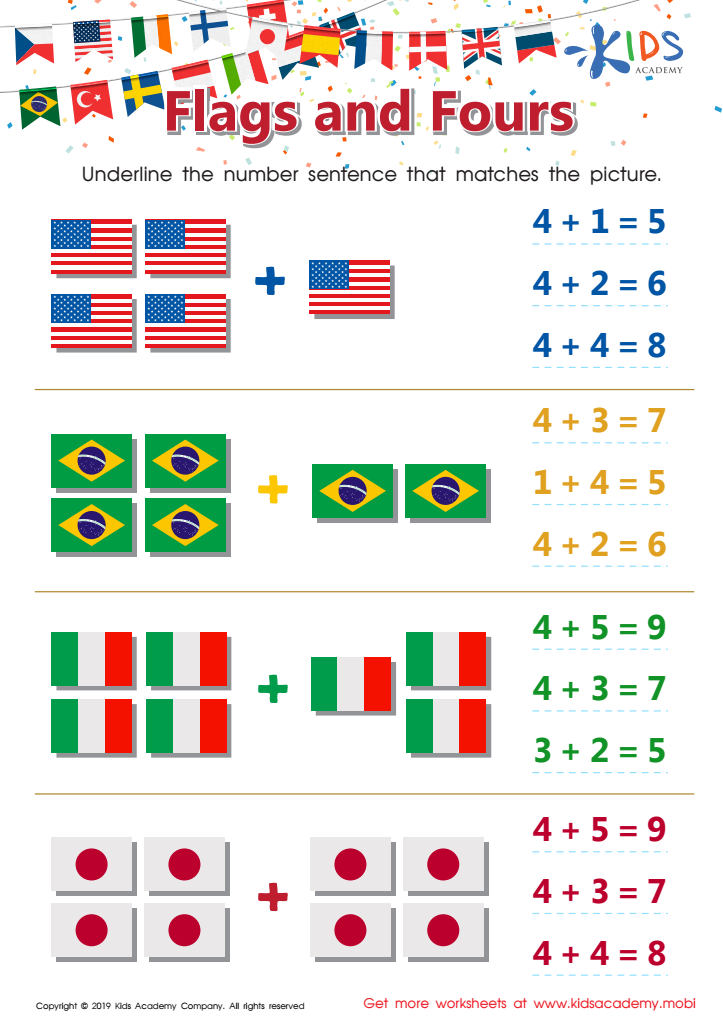
Flags and Fours Worksheet
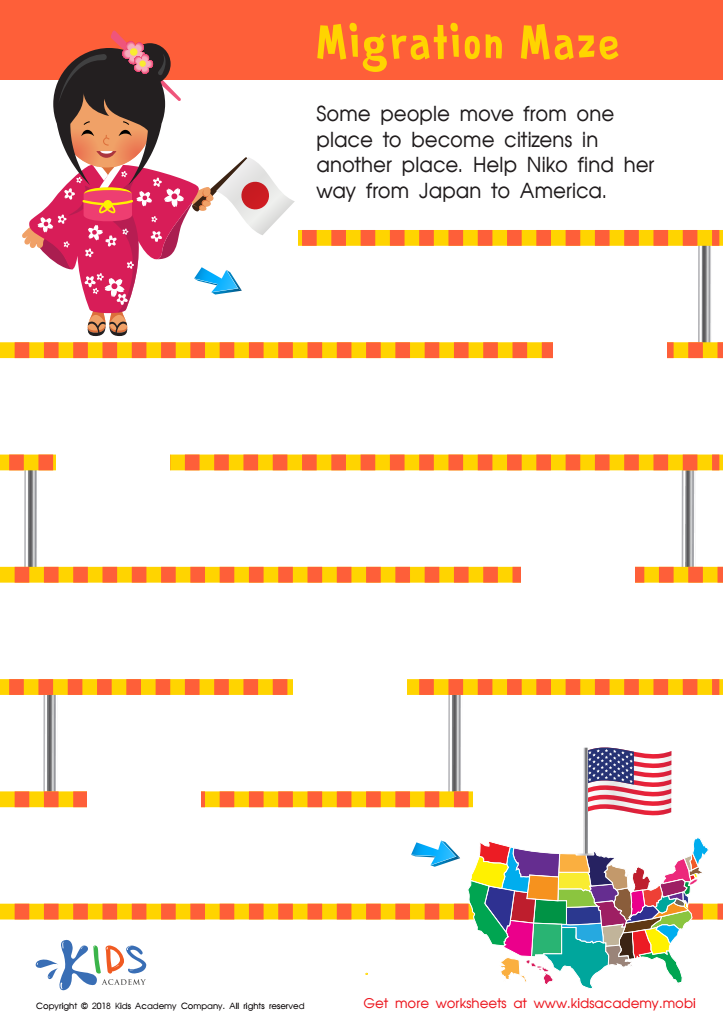
Migration Maze Worksheet
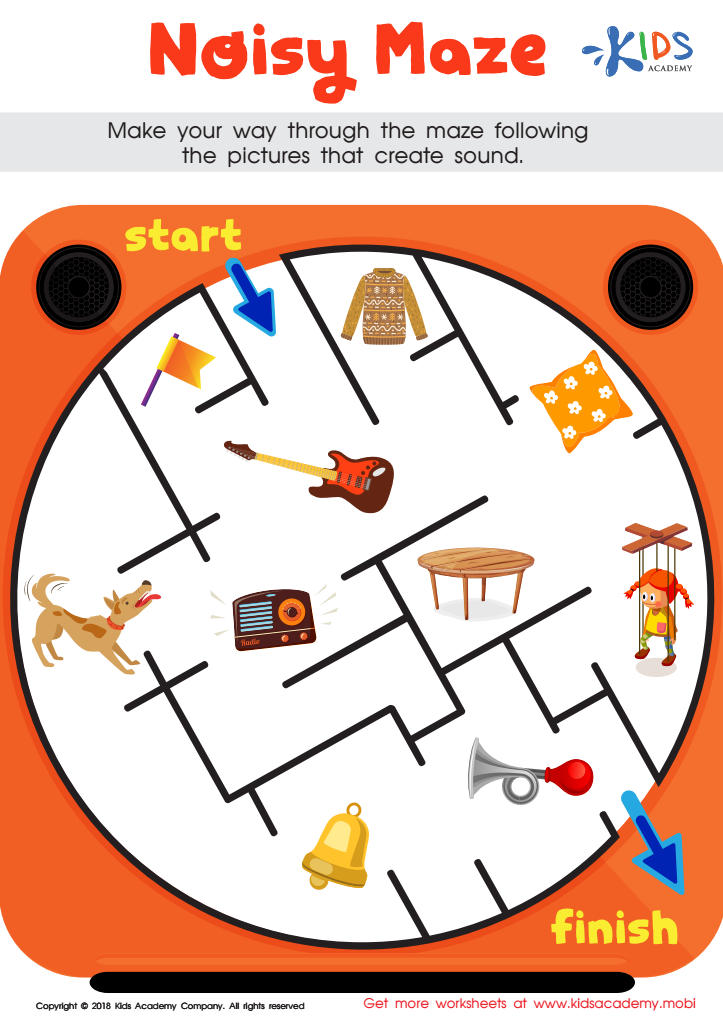
Noisy Maze Worksheet
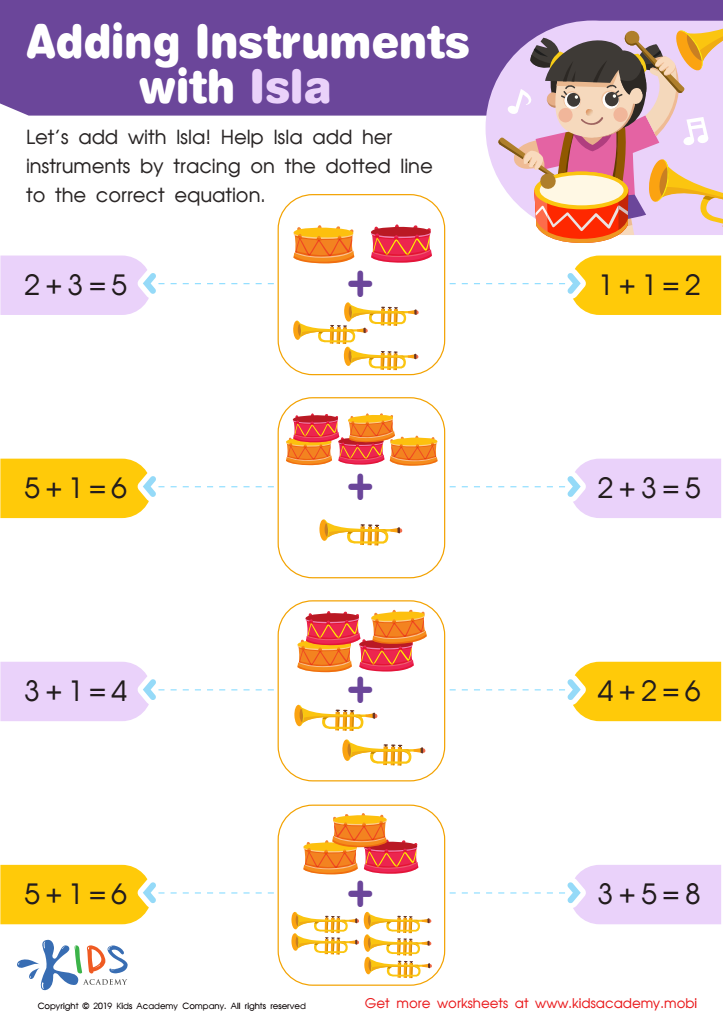
Adding Instruments with Isla Worksheet
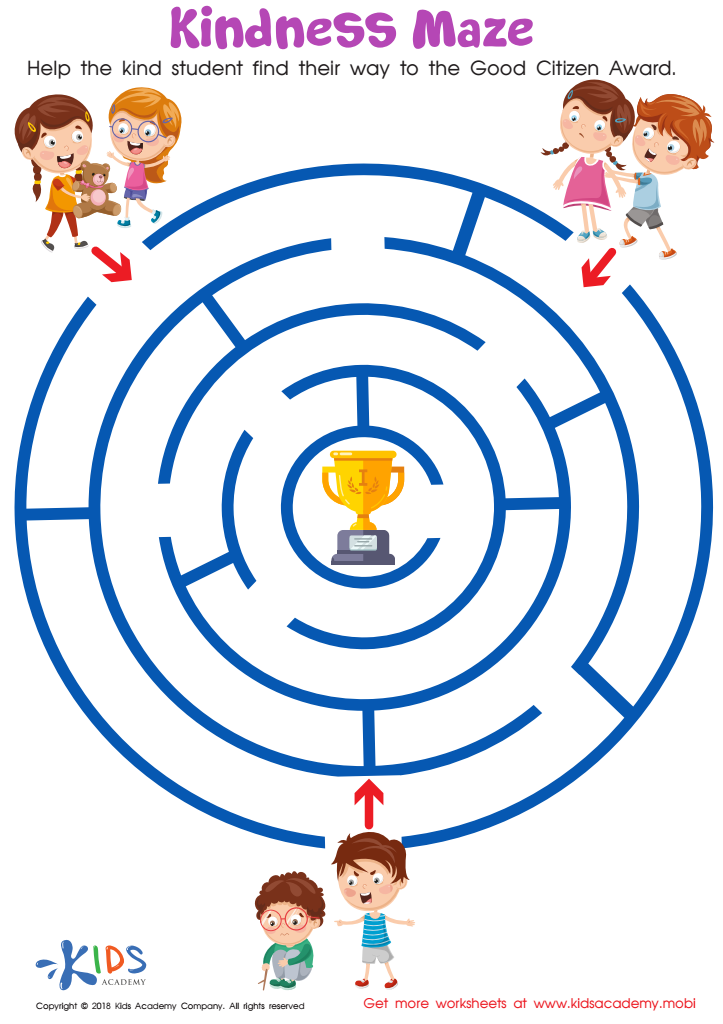
Kindness Maze Worksheet


.jpg)


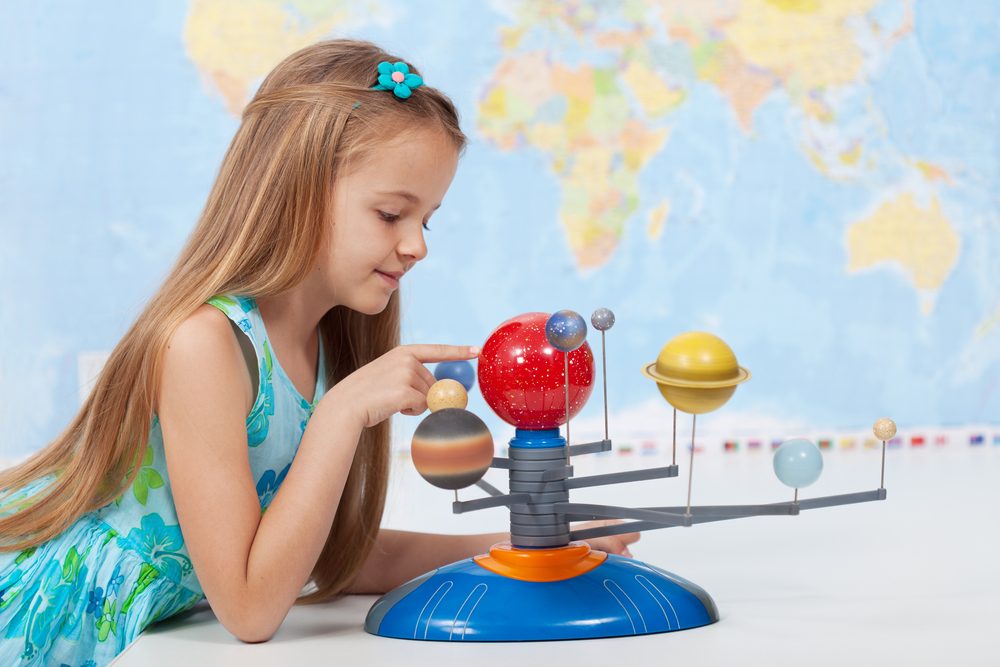


Developing problem-solving skills in children aged 3-6 is vital for their future success and overall development. At this young stage, children are naturally curious and eager to explore their environments, and fostering their problem-solving abilities can enhance their cognitive, social, and emotional skills.
Engaging in problem-solving helps children build critical thinking skills, enabling them to analyze situations, make decisions, and understand cause-and-effect relationships. This lays the groundwork for deeper learning in later years. Moreover, these skills encourage creativity, as children learn to brainstorm solutions and think outside the box.
Additionally, nurturing problem-solving abilities promotes resilience and adaptability. When children face challenges, learning how to navigate them equips them with the tools to overcome obstacles and face setbacks confidently. This emotional growth prepares them for the social complexities of school and beyond.
For parents and teachers, supporting the development of these skills creates an enriching learning environment. They can incorporate playful experiences, like puzzles and cooperative games, to challenge children in a fun, engaging way. Ultimately, by prioritizing problem-solving, caregivers empower children with the skills necessary to explore their world, work collaboratively, and thrive in various situations throughout their lives.








