
Real-life math application Worksheets for Ages 3-6
3 filtered results
Difficulty Level
Grade
Age
-
From - To
Subject
Activity
Standards
Discover engaging Real-life Math Application Worksheets tailored for children ages 3-6! These fun, hands-on activities integrate basic math concepts with everyday scenarios, helping young learners understand math's practical uses. Through colorful, age-appropriate exercises, kids can explore counting, sorting, pattern recognition, and more while building essential problem-solving skills. Designed to spark curiosity and make learning enjoyable, our worksheets are perfect for both classroom and home use. Foster a love for math with interactive tasks that relate directly to real-world experiences! Explore our collection and watch as your child's confidence and understanding of math grow.
Favorites
With answer key
Interactive
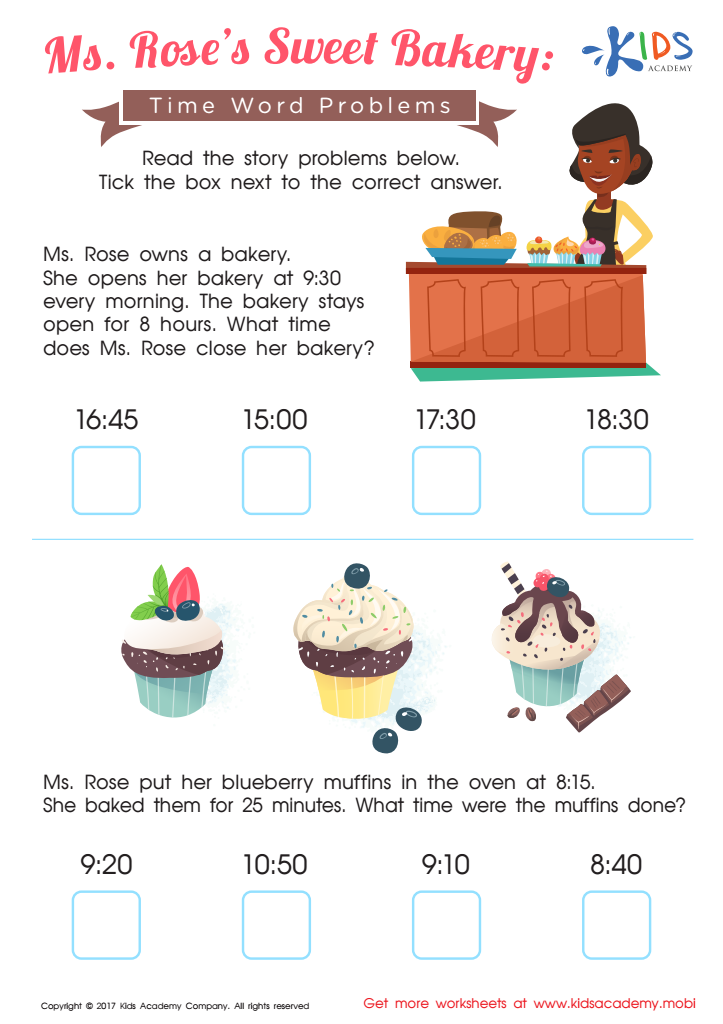
Ms. Roseв's Sweet Bakery Time Worksheet
Help your child understand the 24-hour clock using this fascinating telling time word problems worksheet: Sweet Bakery! Widely known as "military time", this skill isn't taught in school but is important for your kid to master.
 Assign to My Students
Ms. Roseв's Sweet Bakery Time Worksheet
Worksheet
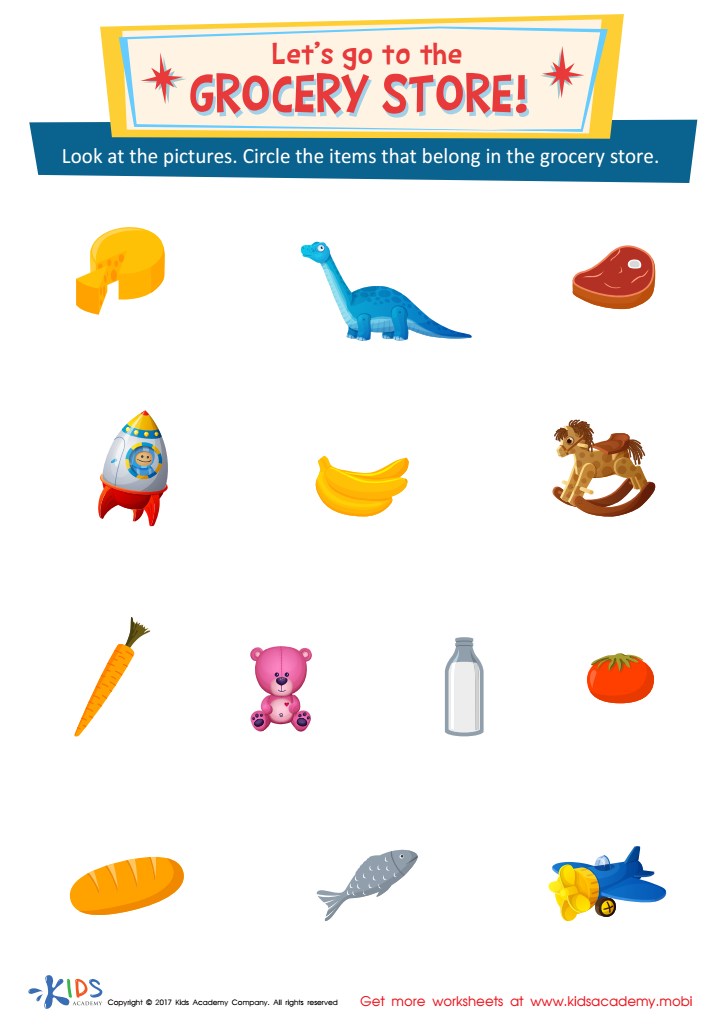
Grocery Store Worksheet
Kids love going to the grocery store for free samples and munchies! With this grocery store sorting worksheet, they can practice sorting, problem-solving and thinking skills. Learning experiences from real life, like grocery shopping, can be brought to your child's desk for fun matching activities. Try it out and look for these items the next time you go to the store!
Grocery Store Worksheet
Worksheet
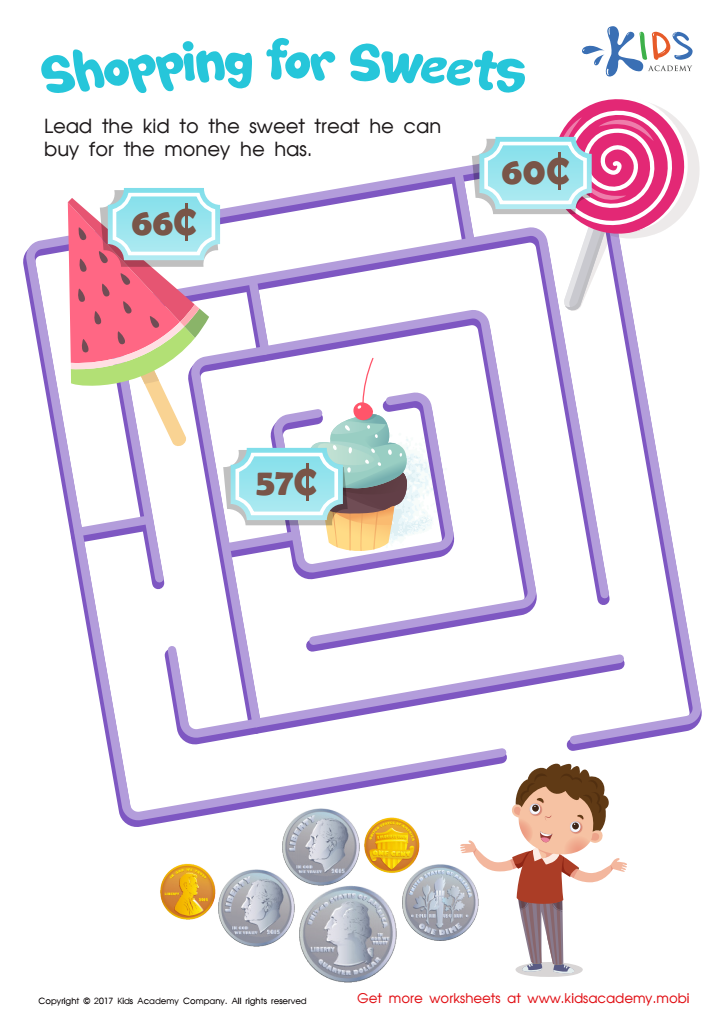
Shopping for Sweets Worksheet
Help your child hone their math and money skills with Shopping for Sweets! They'll count coins, work their way through a maze, and find the amount of money. Fun and educational - perfect for kids!
Shopping for Sweets Worksheet
Worksheet
Join Kids Academy for Free
Who is primarily going to use this learning content?






Parents and teachers should care about real-life math applications for children ages 3-6 because early exposure to practical math skills lays a critical foundation for future learning and cognitive development. At this age, children are naturally curious and learn best through play and exploration. Incorporating math into these everyday activities not only makes learning enjoyable but also demonstrates the relevance of math in their daily lives.
Real-life math applications help children develop a deeper understanding of basic concepts such as counting, sorting, measuring, and recognizing shapes. For example, counting blocks, sorting toys by color, measuring ingredients for a recipe, or identifying shapes in the playground integrate math into activities children love. These practical applications build problem-solving skills, enhance spatial reasoning, and improve critical thinking.
Moreover, early positive experiences with math reduce anxiety or fear toward the subject as children grow older. By showing them that math is not just a school subject but a useful, fun, and necessary part of everyday life, parents and teachers can nurture a positive attitude towards learning.
Lastly, early engagement with real-life math skills enhances readiness for formal education, giving children a head start in school math curricula and ensuring they have the confidence to tackle more complex concepts as they progress academically.








