Visual perception Worksheets for Ages 3-6 - Page 3
56 filtered results
-
From - To
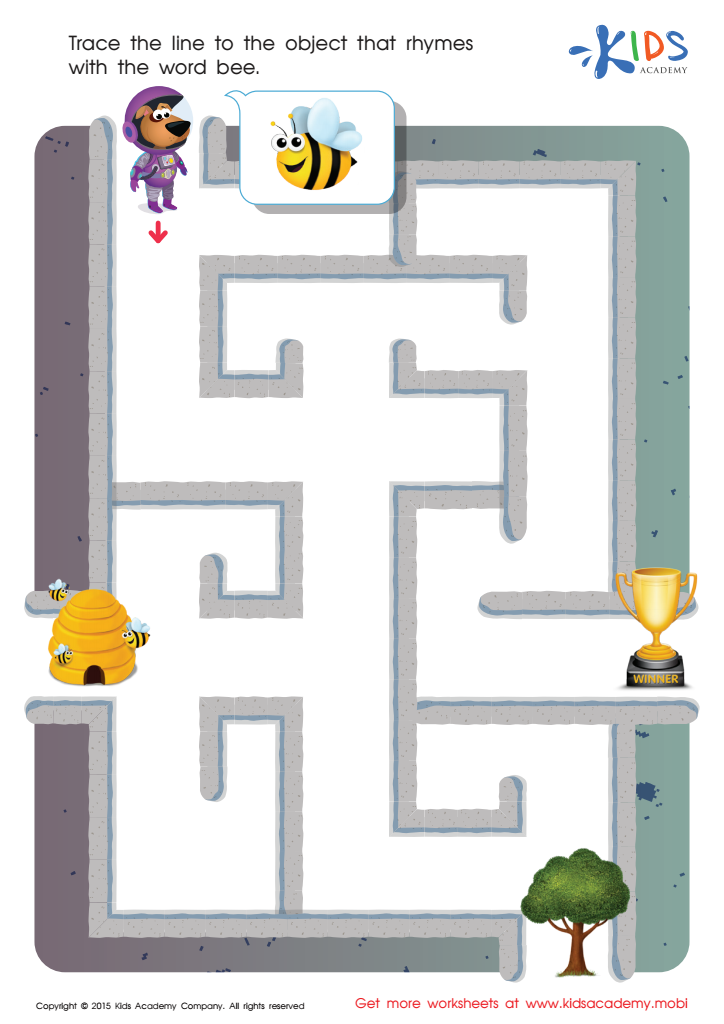
Bee Rhyming Words Worksheet
 Assign to My Students
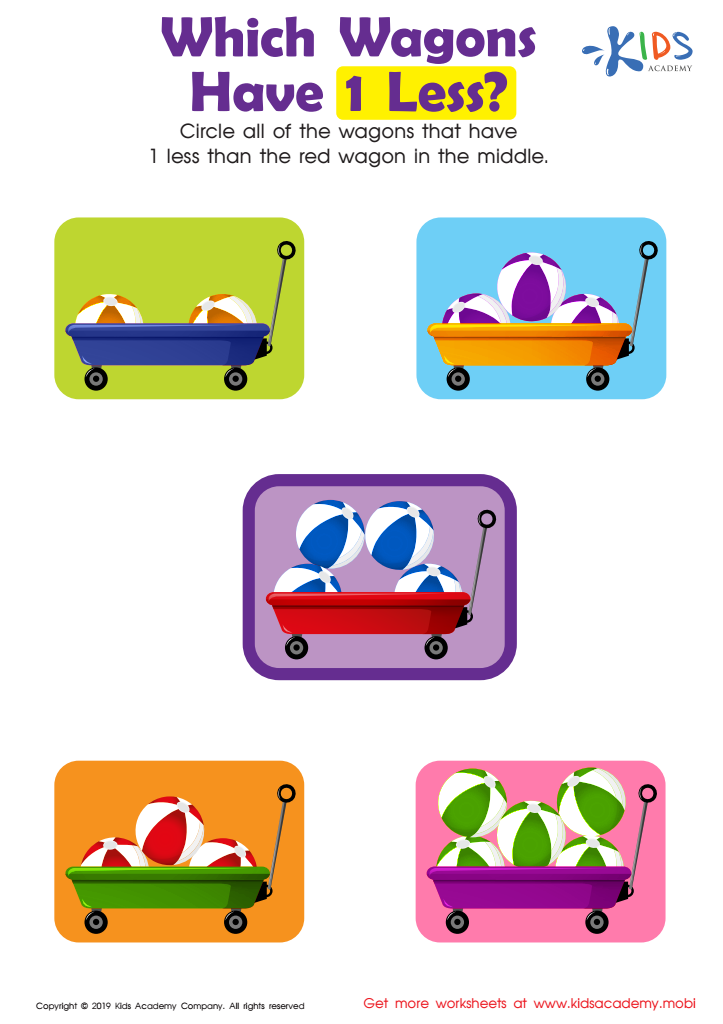
Which Wagons Have 1 Less? Worksheet
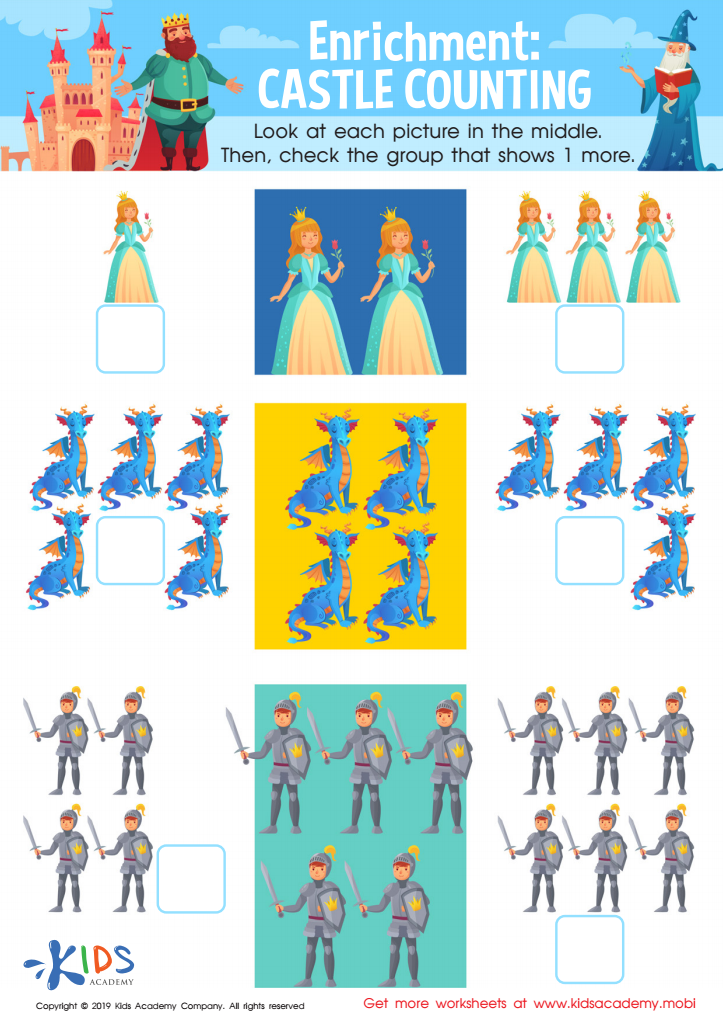
Enrichment: Castle Counting Worksheet
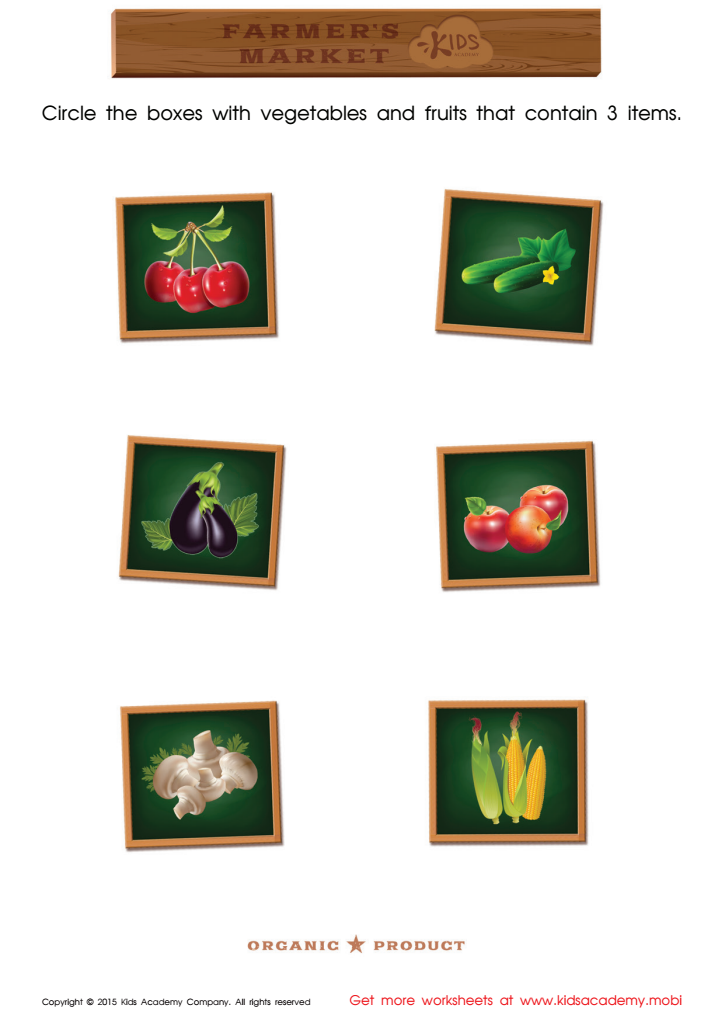
Count and Match Vegetables 1 – 5 Math Worksheet
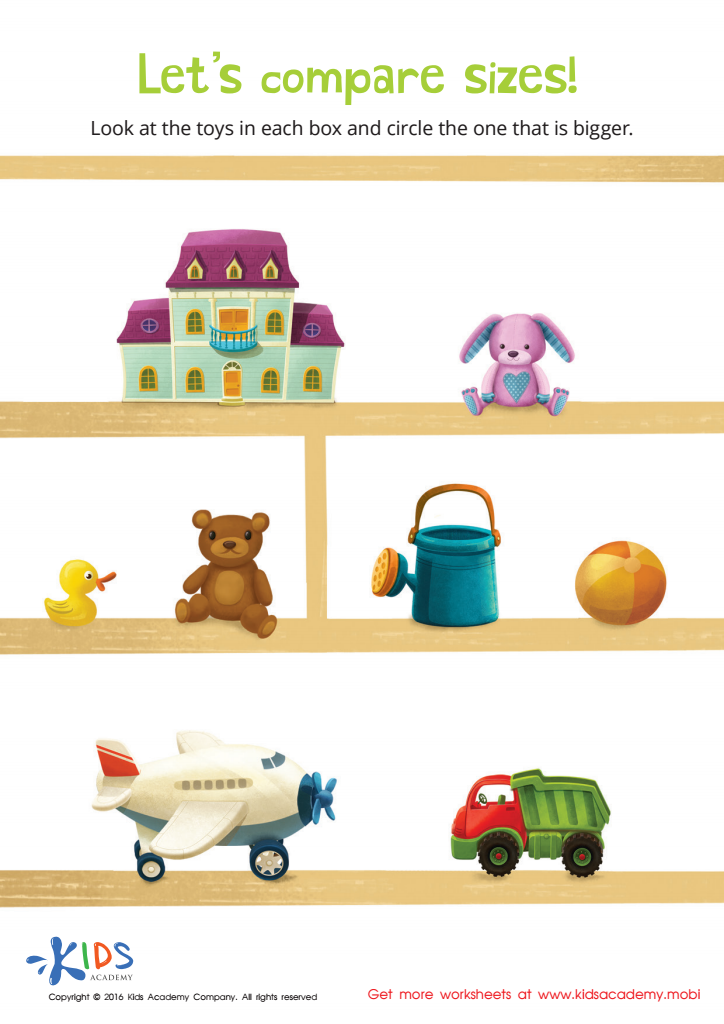
Classifying by Size Sorting Worksheet
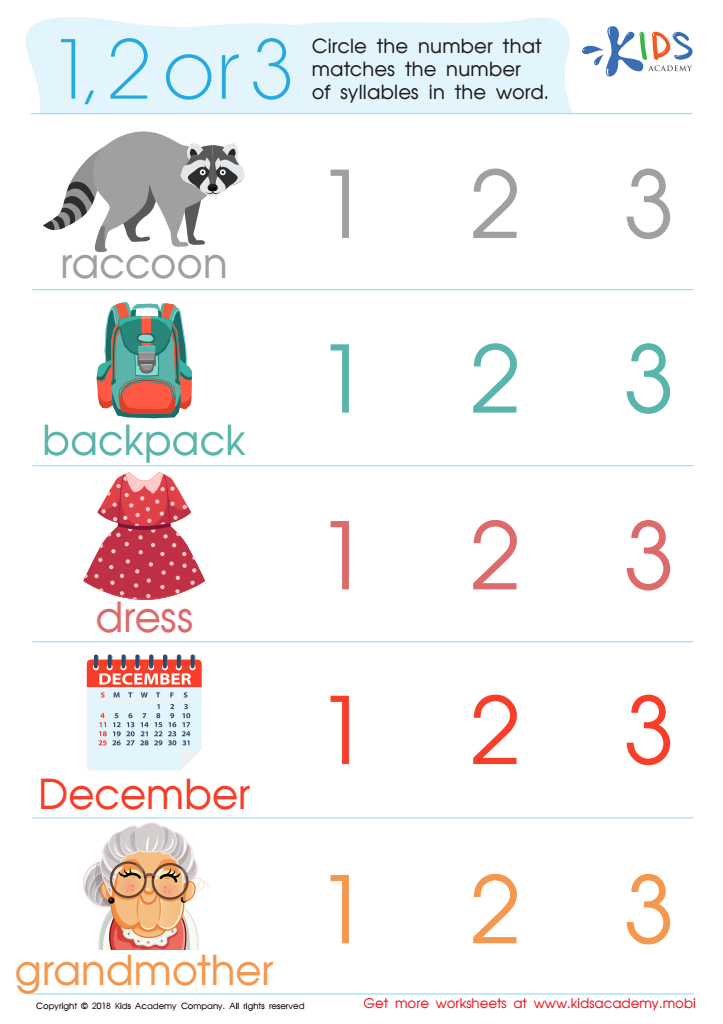
1, 2 or 3? Worksheet







Parents and teachers should pay close attention to visual perception in children aged 3-6 because it is a fundamental aspect of early development that significantly impacts a child's learning and overall growth. Visual perception—the ability to interpret and make sense of visual information from the environment—affects a wide array of skills such as reading, writing, and coordination.
At this age, children's brains are highly malleable and are rapidly developing the capability to process visual information. Effective visual perception helps children recognize letters and numbers, comprehend spatial relationships, and understand sequences—skills that form the foundation of literacy and numeracy. For example, children with well-developed visual perception can easily distinguish between similar-looking letters like "b" and "d," which is critical for reading.
Moreover, visual perception is crucial for motor skills. Activities like drawing, playing with blocks, and solving puzzles enhance hand-eye coordination and spatial awareness. These activities also foster fine motor skills, preparing children for more complex tasks such as writing.
Identifying and addressing potential visual perception issues early—such as difficulties in tracking moving objects or distinguishing shapes—can prevent future learning disabilities. Early intervention through tailored activities and, if necessary, professional support can significantly enhance a child's educational trajectory and self-confidence. Therefore, prioritizing visual perception is essential for balanced cognitive and physical development.








