Vocabulary development Worksheets for Ages 3-6 - Page 3
59 filtered results
-
From - To
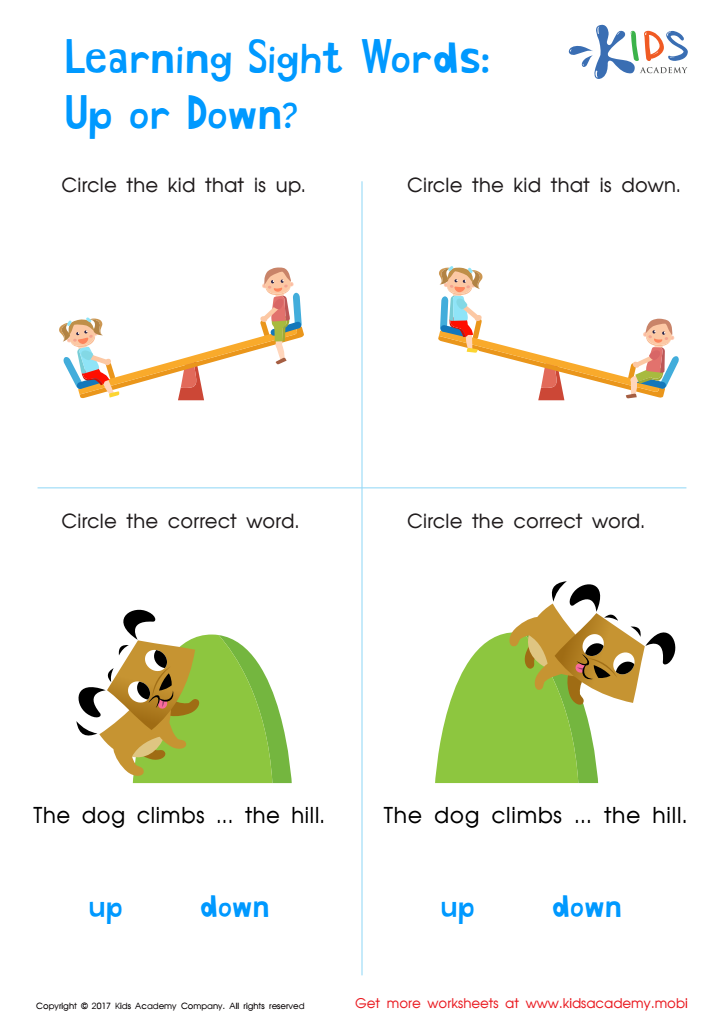
Up or Down Printable Sight Words Worksheet
 Assign to My Students
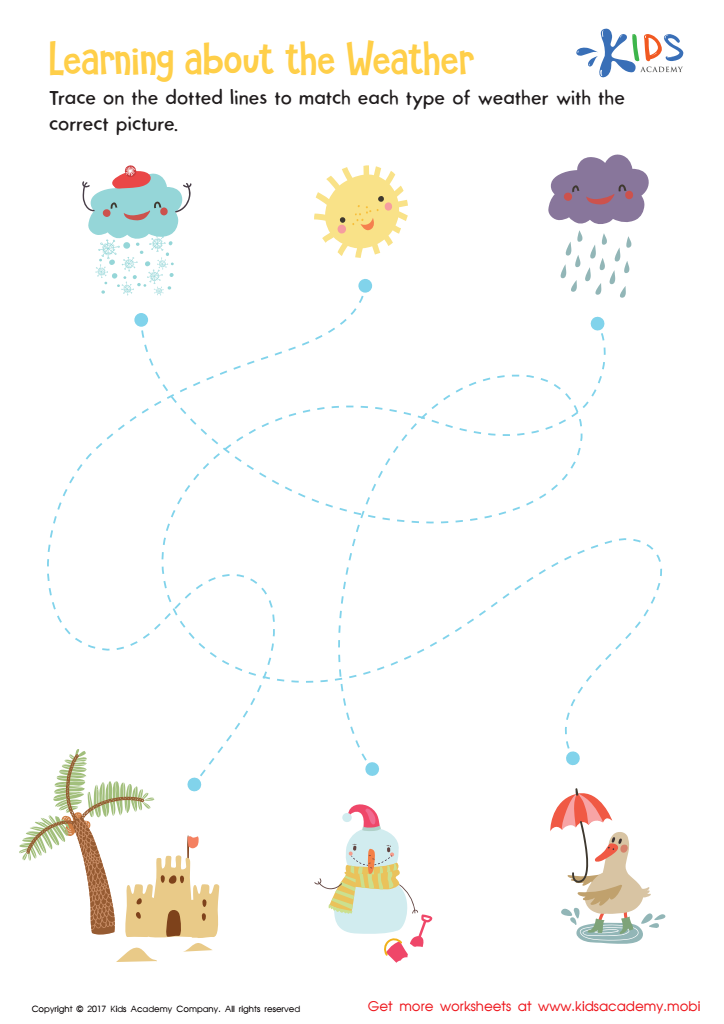
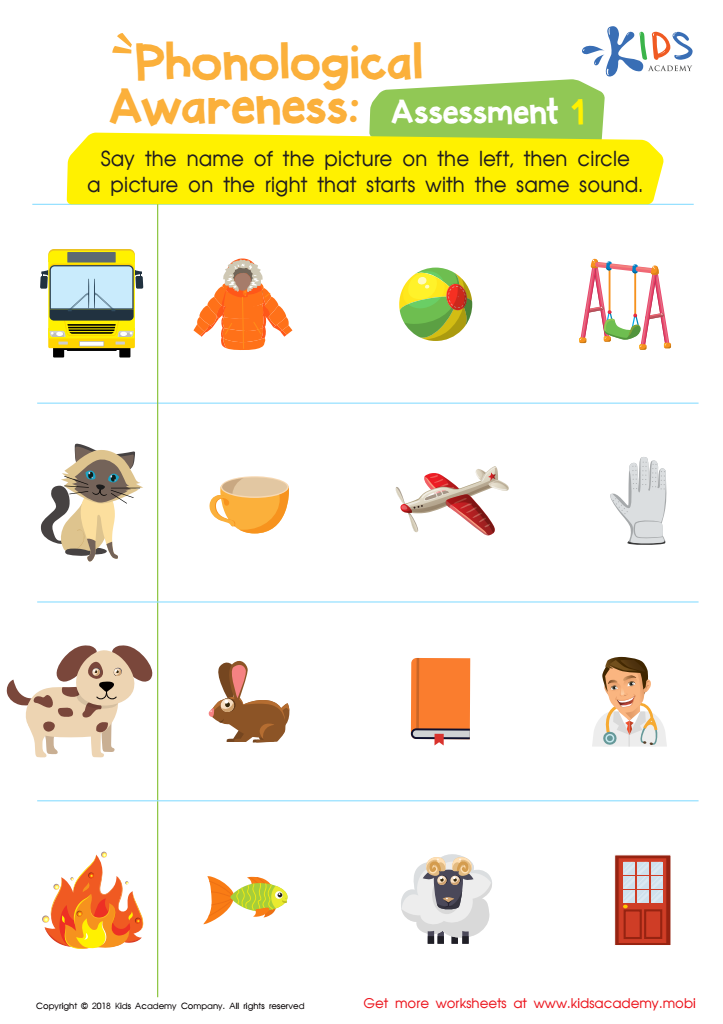
Phonological Awareness: Assessment 1 Worksheet
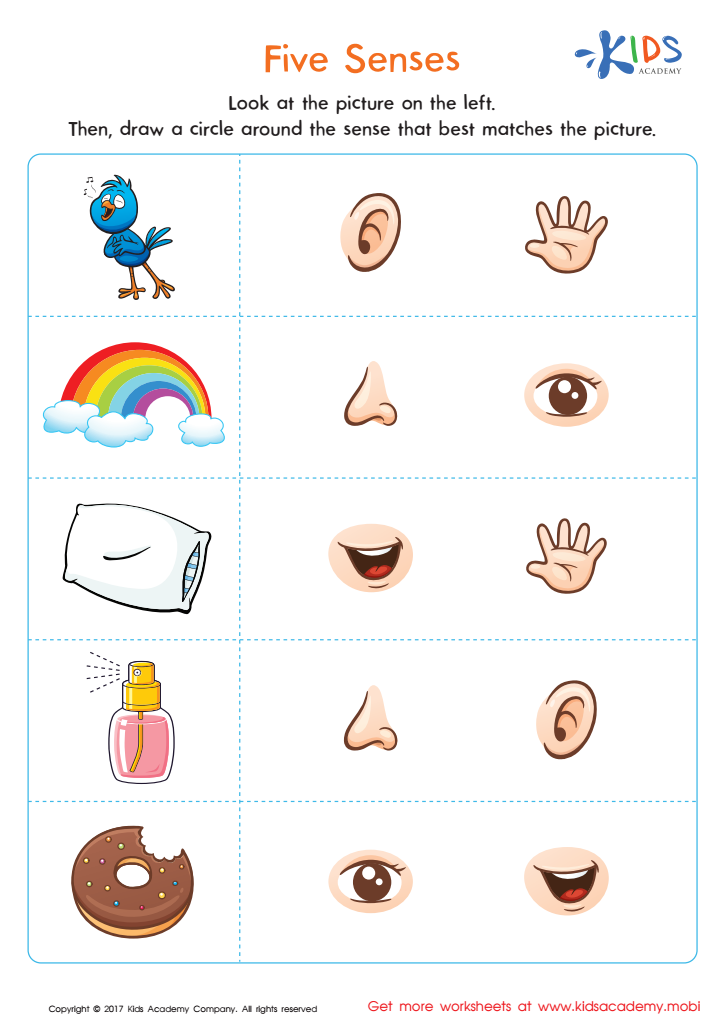
Five Senses Printable
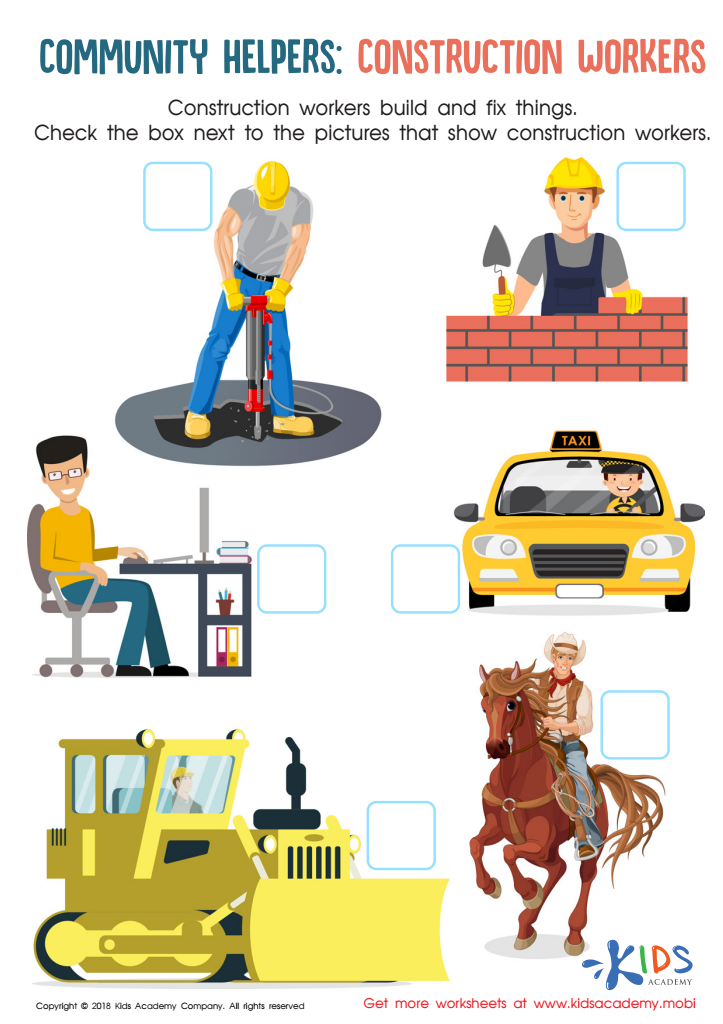
Construction Workers Community Helpers Worksheet
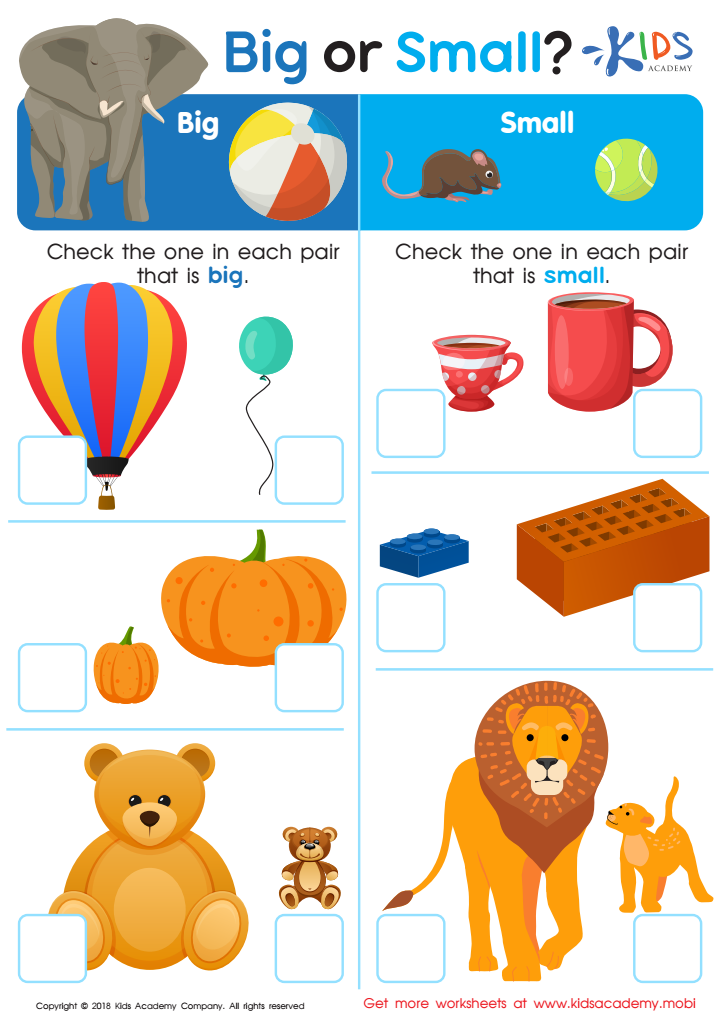
Big or Small? Worksheet
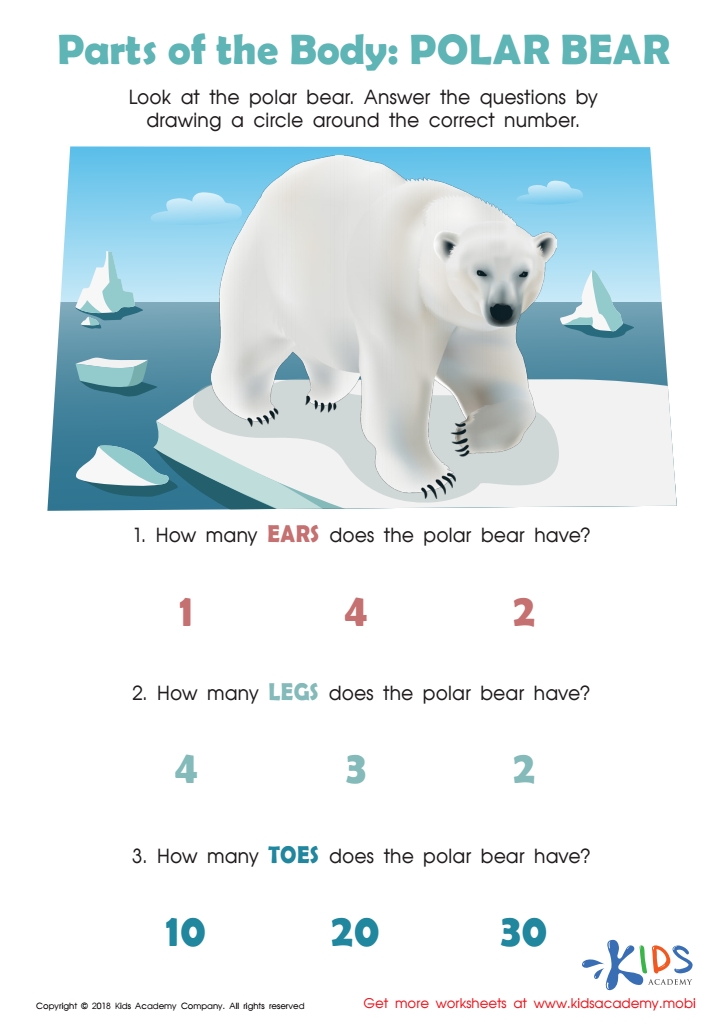
Parts of the Body: Polar Body Worksheet
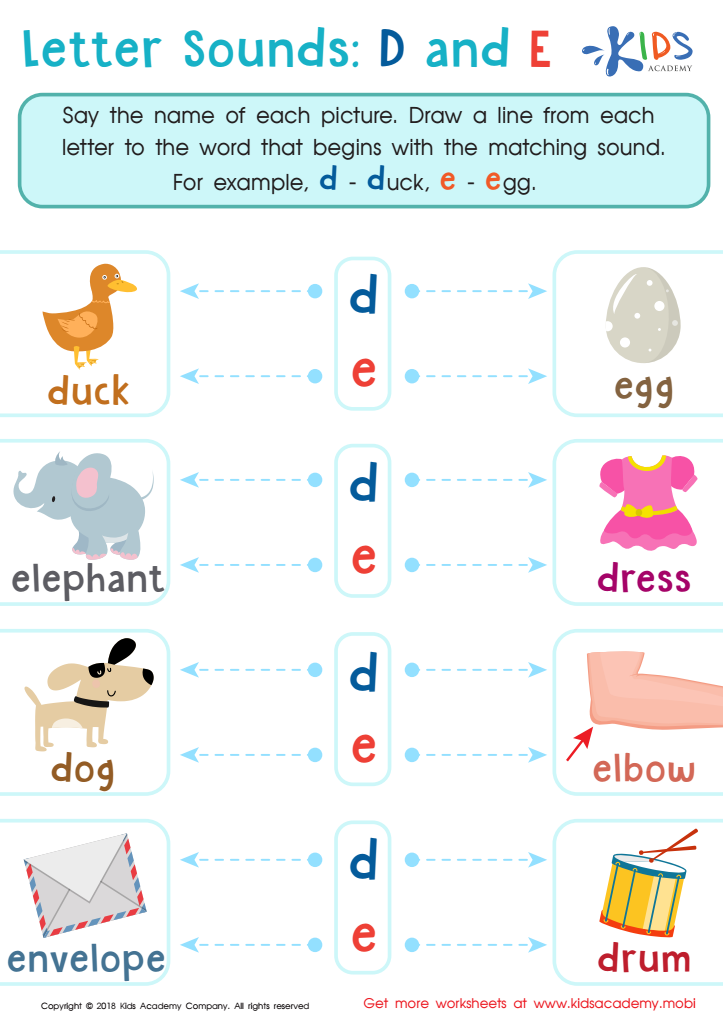
Letter D and E Sounds Worksheet
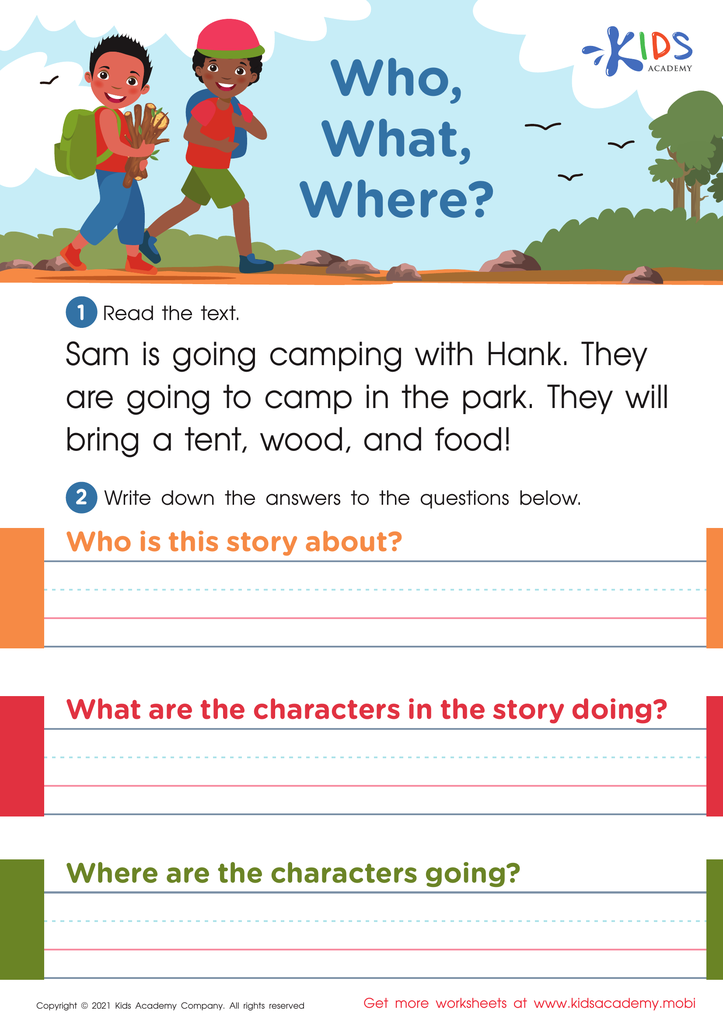
Who, What, Where? Worksheet
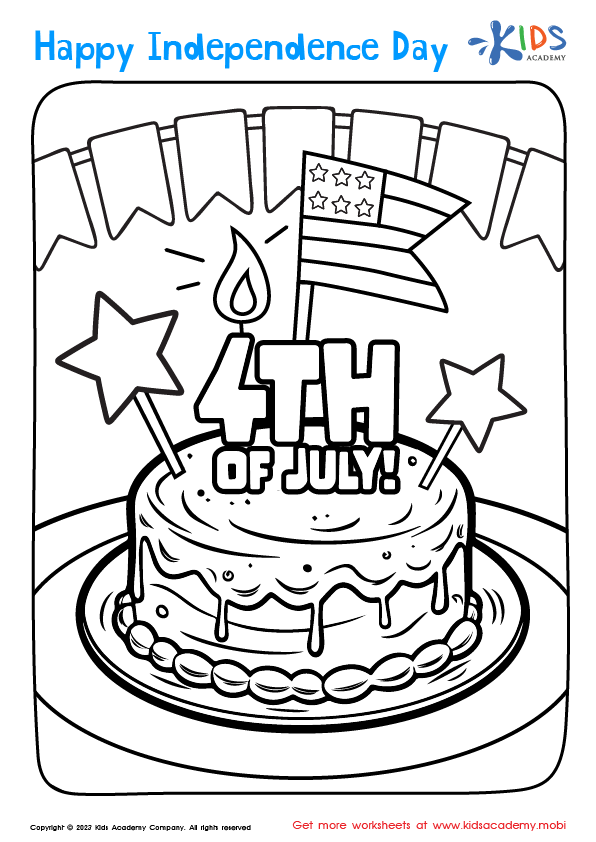
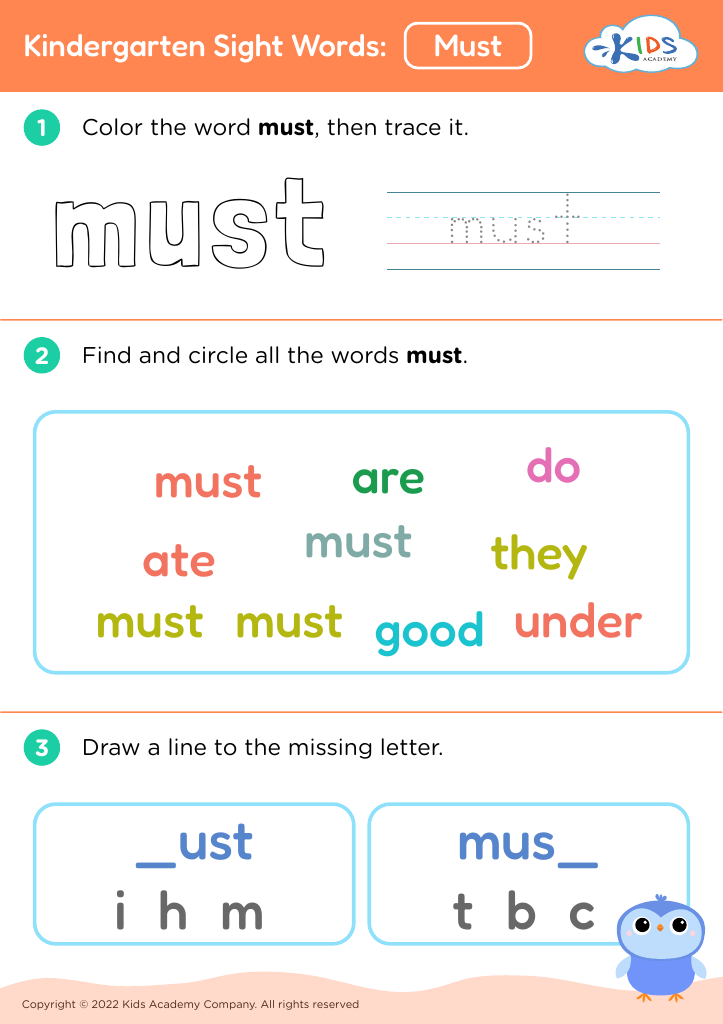







Vocabulary development in early childhood, particularly for ages 3-6, is crucial for a variety of reasons that directly impact a child's overall learning and future success. During these formative years, children rapidly acquire language skills, which form the foundation for effective communication and literacy. An enriched vocabulary allows children to express their thoughts and feelings more clearly, fostering social interactions and emotional intelligence.
Moreover, strong vocabulary skills are linked to academic achievement. Children with a broader vocabulary tend to perform better in reading and writing, as they can comprehend and produce text more effectively. This early language proficiency influences their readiness for school and their ability to tackle more complex subjects as they progress.
Additionally, parents and teachers play a vital role in supporting vocabulary development. Engaging in regular conversations, reading diverse books, and introducing new words in various contexts can stimulate children’s interest in language and promote cognitive growth. By prioritizing vocabulary development, adults help ensure that children are well-equipped to face educational challenges, build confidence, and develop lifelong learning skills. Thus, investing in vocabulary growth is not just beneficial for language development but is foundational for a child's overall success and well-being.








