Addition Practice Addition and Subtraction Word Problems Worksheets for Ages 3-6
10 filtered results
-
From - To
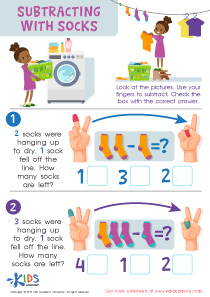
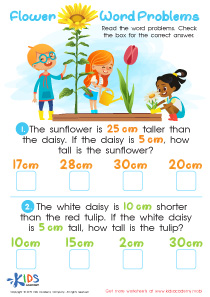
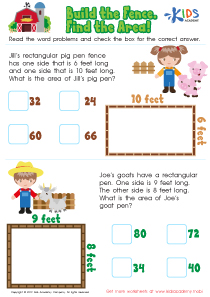
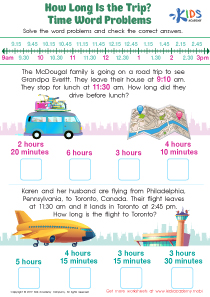
Unlock your child's mathematical skills with our engaging Addition and Subtraction Word Problems Worksheets, specially designed for ages 3-6. These worksheets promote early learning through fun, relatable scenarios that make math enjoyable. Children will develop their problem-solving abilities while practicing essential addition and subtraction skills. Each worksheet includes vibrant illustrations and simple language, making it easy for young learners to follow along and understand. By integrating everyday experiences into math practice, your child will gain confidence and a solid foundation in arithmetic. Perfect for home or classroom use, these worksheets will inspire a love for learning in every little mathematician.
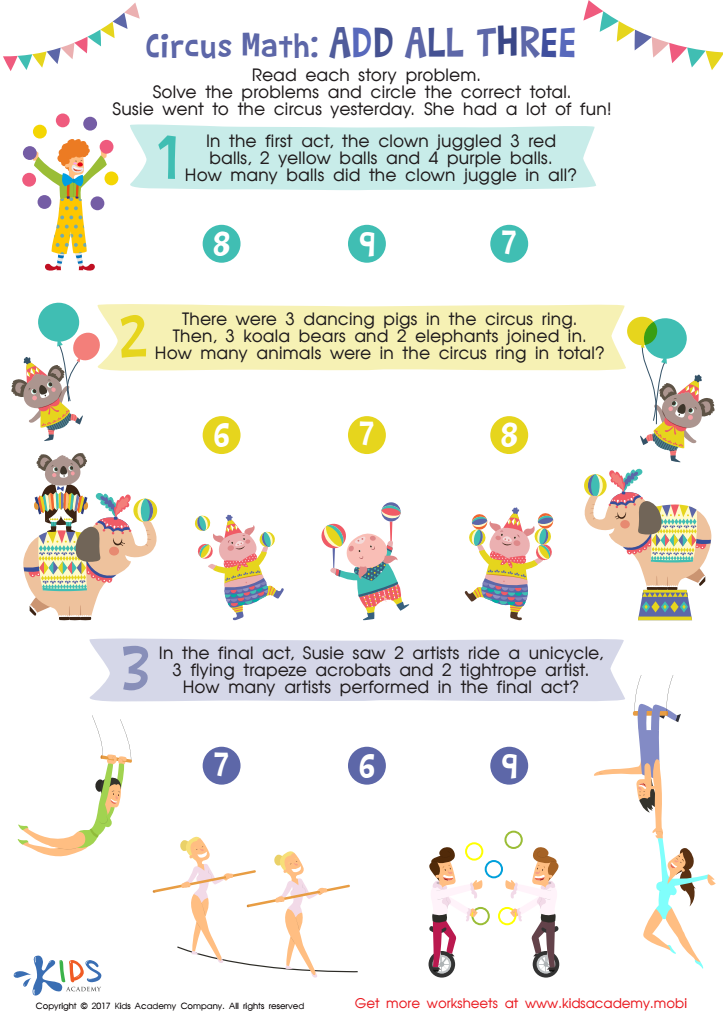
Circus Math Printable
 Assign to My Students
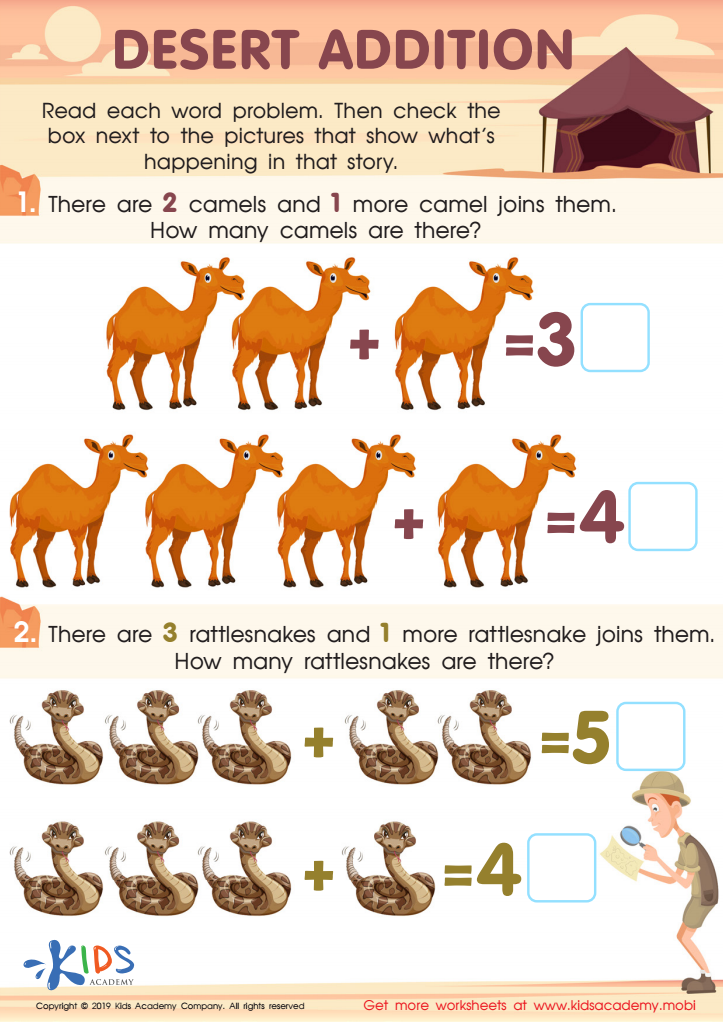
Desert Addition Worksheet
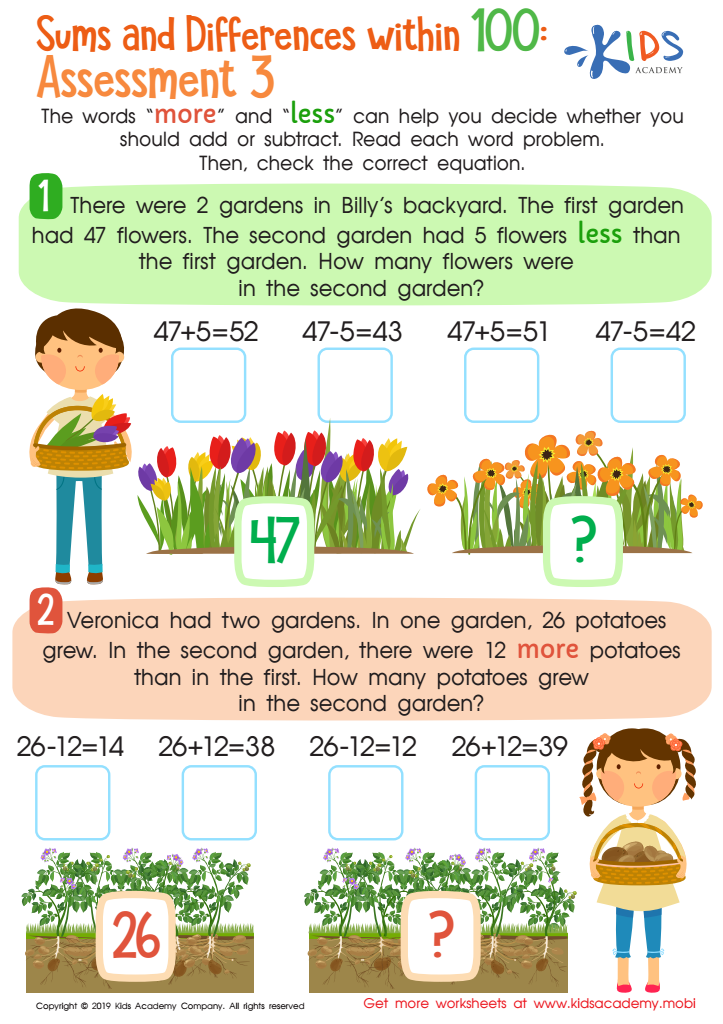
Sums and Differences Within 1 - Assessment 1 Worksheet
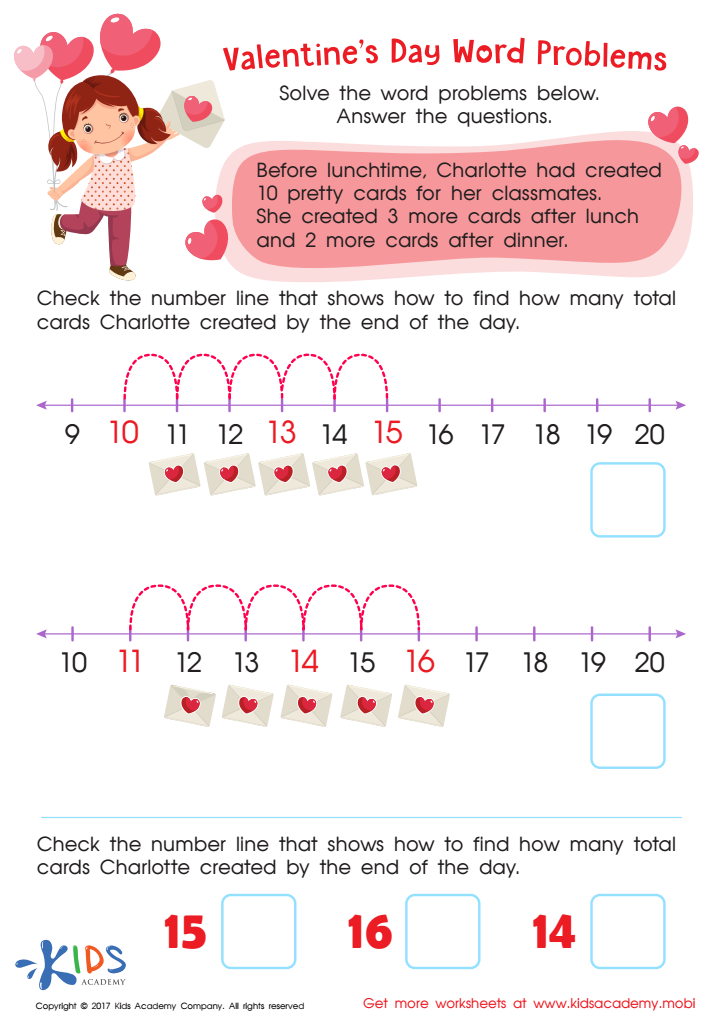
Valentines Day Word Problem Worksheet
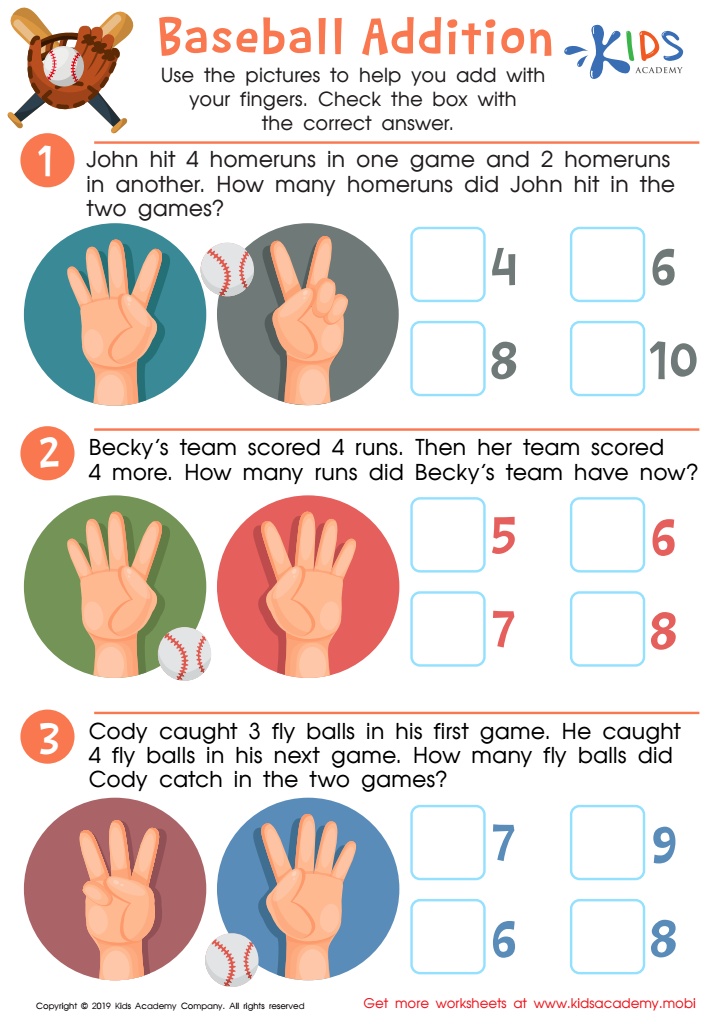
Baseball Addition Worksheet
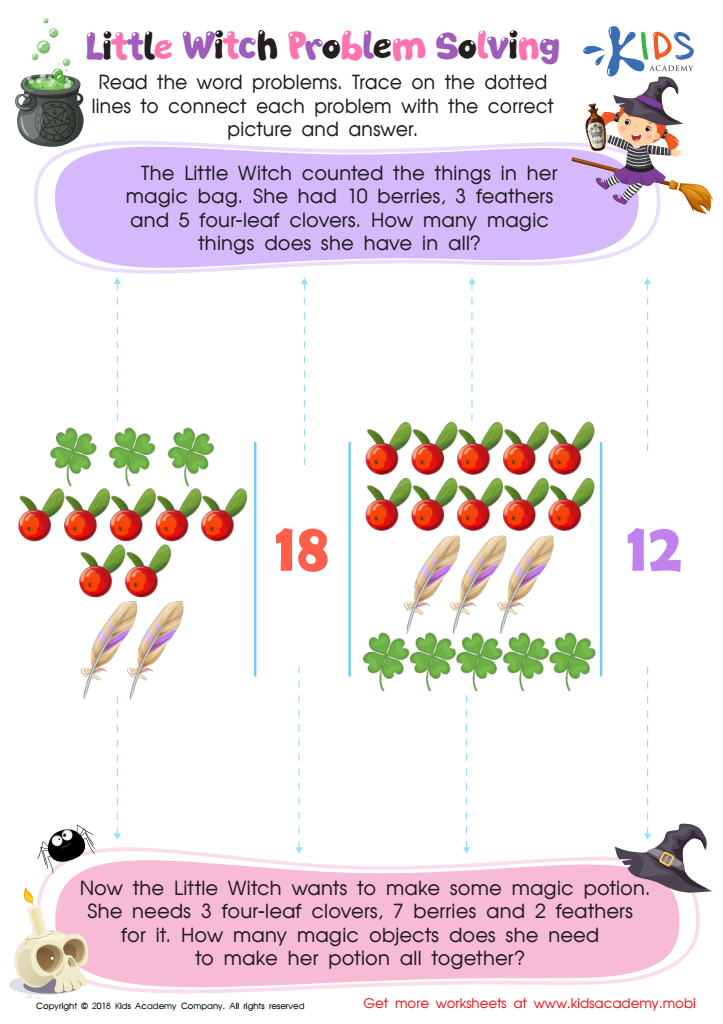
Little Witch Problem Solving Worksheet
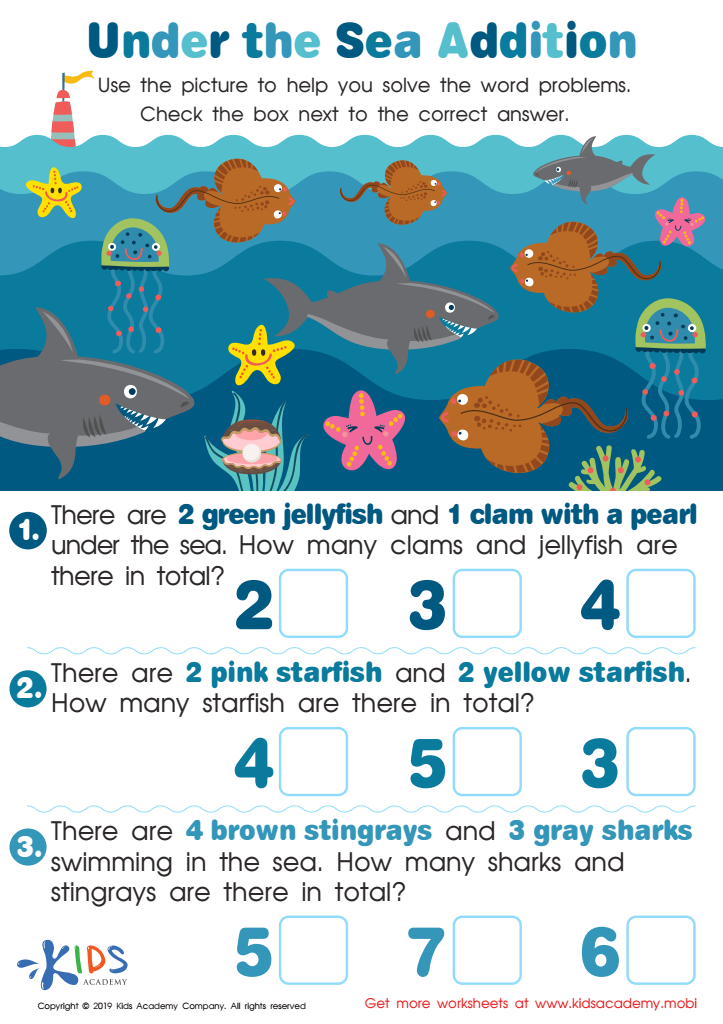
Under the Sea Addition Worksheet
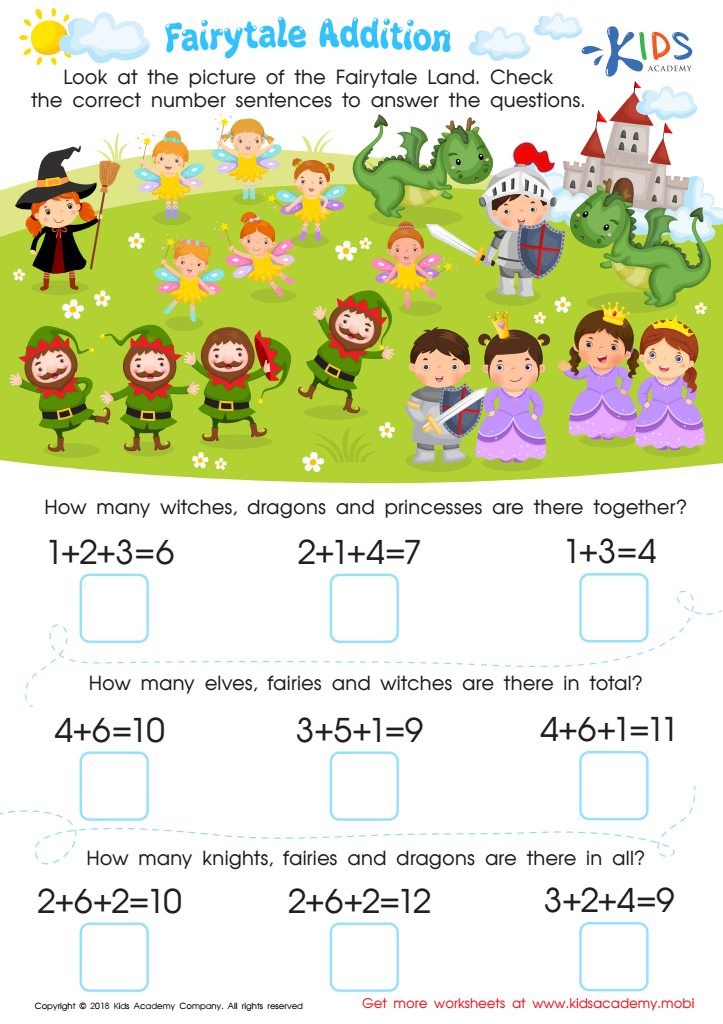
Fairytale Addition Worksheet
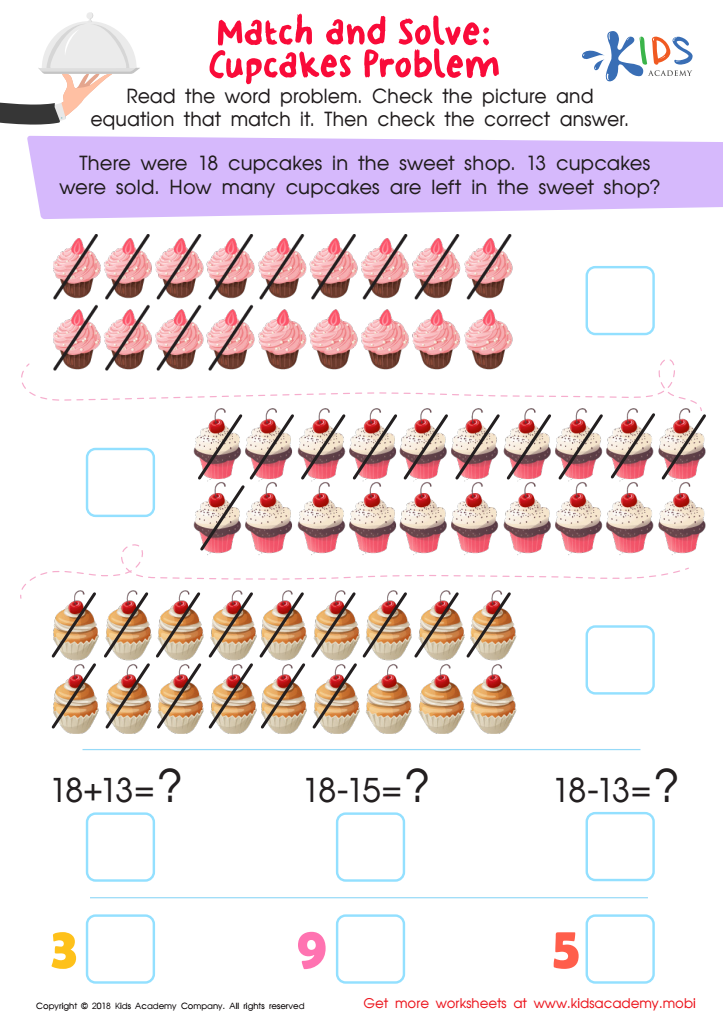
Match and Solve: Cupcakes Problem Worksheet
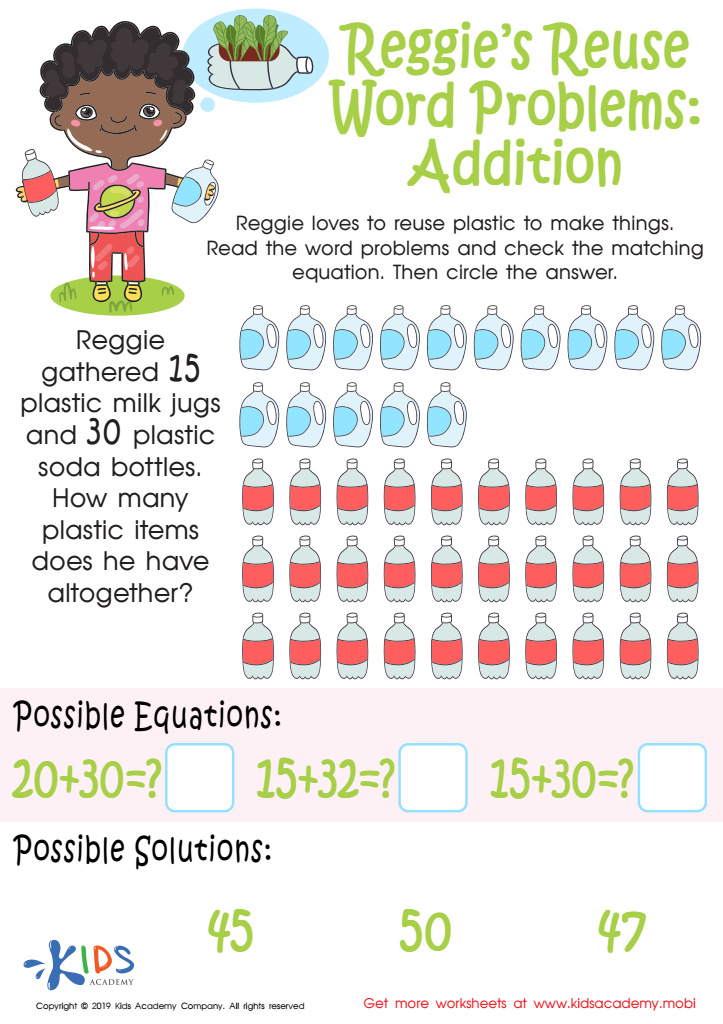
Reggie's Reuse Word Problems: Addition Worksheet








Parents and teachers should prioritize addition and subtraction word problems for children aged 3-6 because they play a fundamental role in developing critical mathematical skills and critical thinking. At this early stage, children are not only learning basic arithmetic concepts but also how to apply these concepts to real-life situations. Word problems encourage them to visualize, interpret, and solve problems, thereby enhancing their comprehension and reasoning abilities.
Engaging in addition and subtraction word problems helps children develop strong cognitive skills, such as problem-solving, logical reasoning, and the ability to analyze situations. By transforming abstract numbers into relatable scenarios, children gain a deeper understanding of mathematical concepts and their relevance in everyday life. This practice fosters a positive attitude toward math and encourages a growth mindset.
Moreover, word problems promote language development as children practice vocabulary related to math. It also ensures exposure to diverse contexts and encourages discussion, making learning collaborative and interactive. Ultimately, these activities lay a solid foundation for future mathematical learning, enabling children to approach more complex concepts with confidence as they progress in their education. By emphasizing this skill, caregivers and educators contribute significantly to their overall intellectual development.