
Visual perception improvement Addition Worksheets for Ages 3-6
5 filtered results
Difficulty Level
Grade
Age
-
From - To
Subject
Activity
Standards
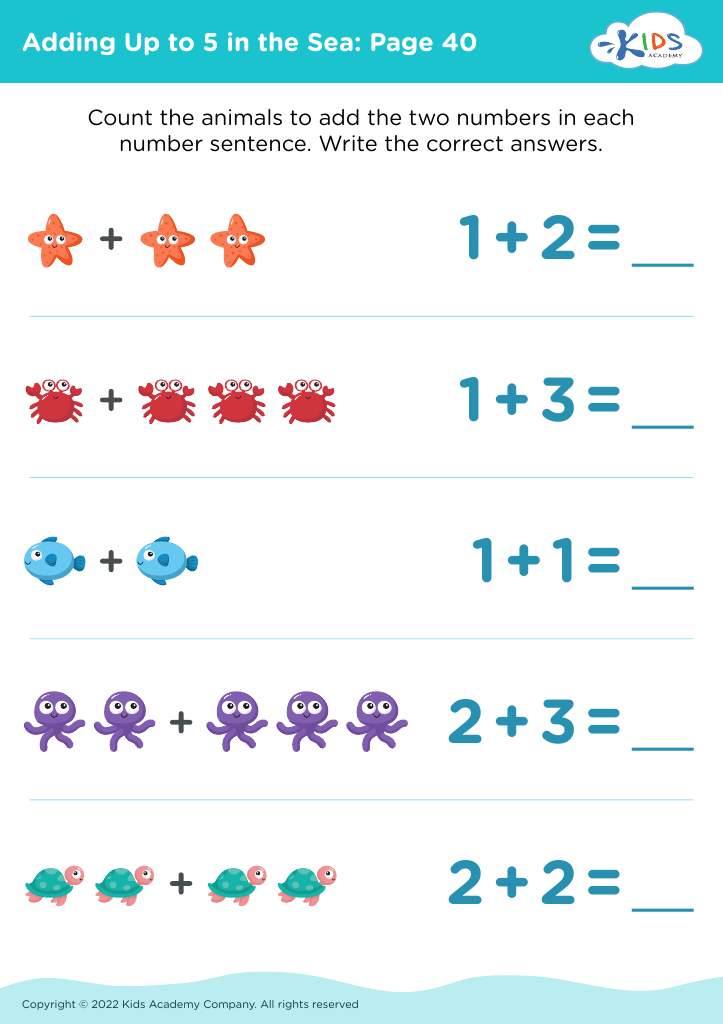
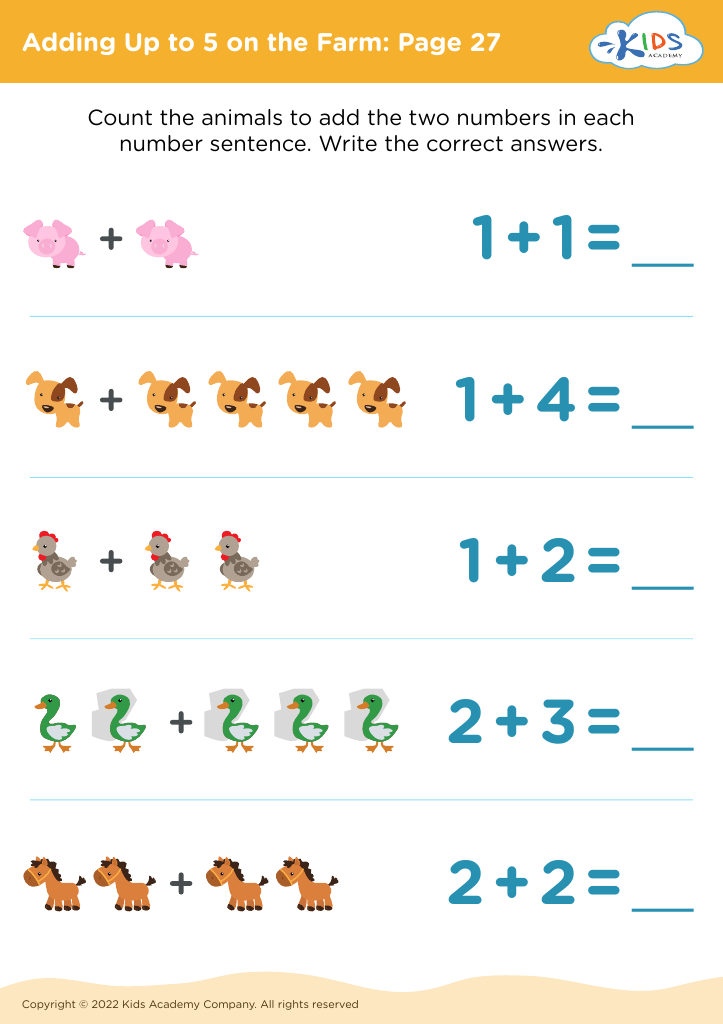
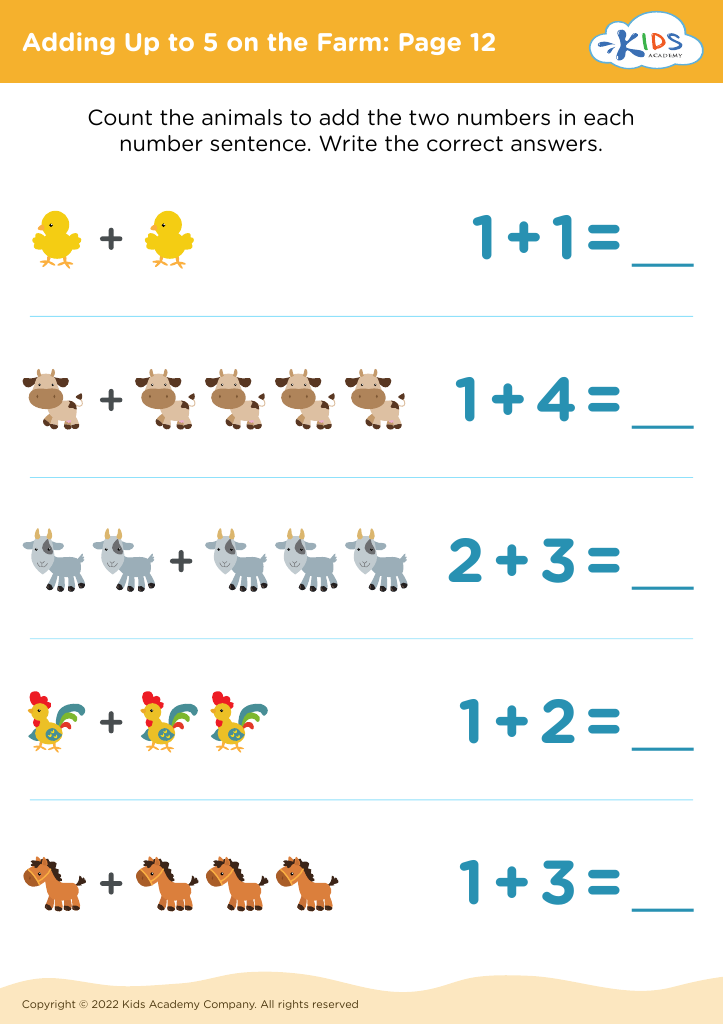
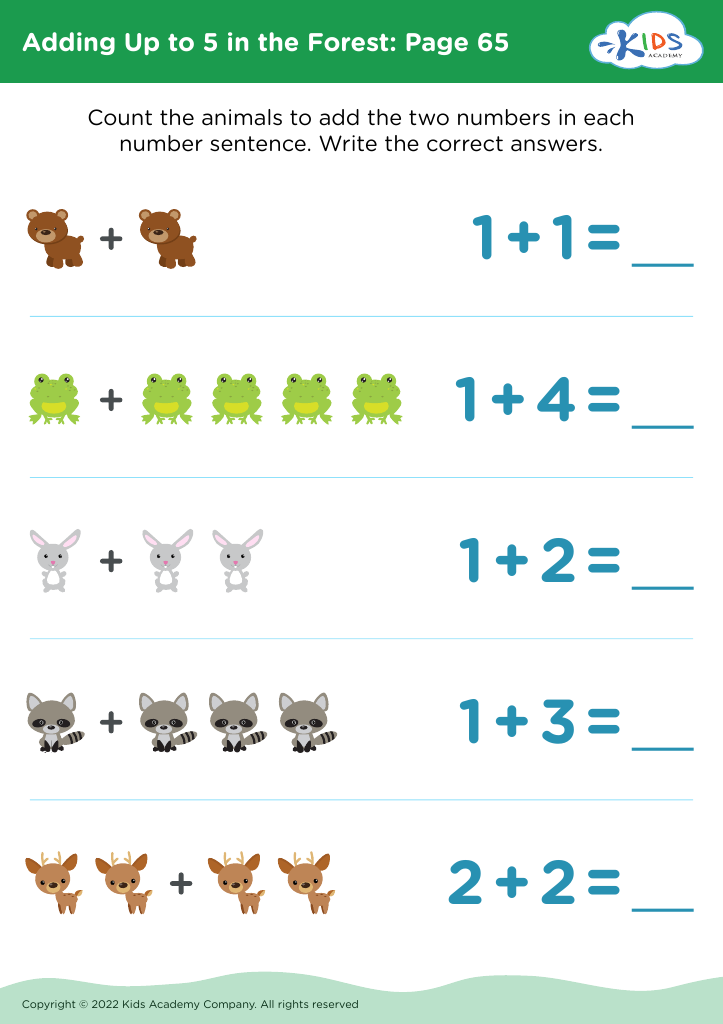
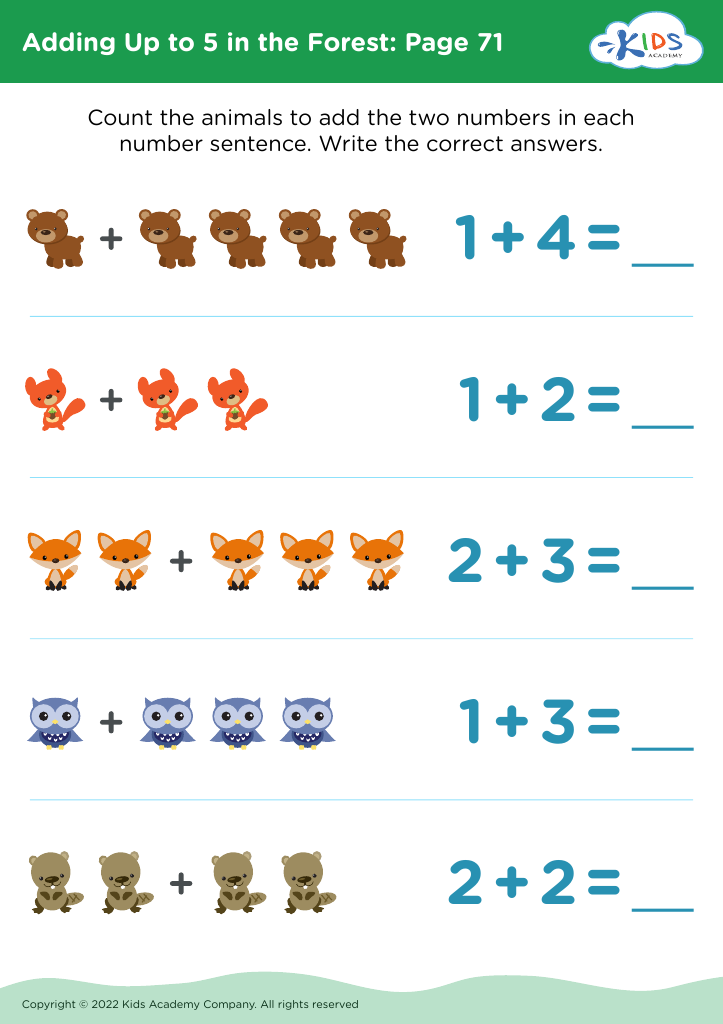
Discover our engaging Visual Perception Improvement Addition Worksheets designed for children ages 3-6. These fun and interactive worksheets aim to enhance your child's visual processing skills while introducing basic addition concepts. Each activity is specifically crafted to capture young learners' attention, making math both enjoyable and educational. With colorful illustrations and simple, age-appropriate tasks, these worksheets promote concentration, attention to detail, and cognitive development. The combination of visual perception and addition practice supports your child's mathematical foundation and prepares them for future academic success. Empower your little ones with the skills they need to thrive in early education through our thoughtfully designed resources!
Favorites
With answer key
Interactive
Join Kids Academy for Free
Who is primarily going to use this learning content?








Parents and teachers should prioritize visual perception improvement for children aged 3-6 as it plays a foundational role in a child's overall development and future learning success. Visual perception skills include the ability to interpret and make sense of visual information—the ability to recognize shapes, colors, patterns, and spatial relationships—which are essential for various academic skills like reading, writing, and math.
At this tender age, the brain is highly adaptable. Engaging children in activities that enhance visual perception can foster cognitive growth, improve focus, and boost confidence as they begin school. These skills are vital for learning letters and numbers, aiding in letter recognition, and supporting geometric understanding.
Moreover, visual perception aids in developing fine motor skills needed for writing, drawing, and participating in hands-on activities, which can significantly enhance classroom participation and overall engagement.
By focusing on visual perception improvement, parents and teachers can ensure that children build a strong foundation for later academic achievements, paving the way for a lifetime of learning. Engaging children in play-based activities that enhance these skills not only promotes development but also strengthens the parent-child or teacher-student bond, making learning a joyful experience.








