Basic Math Skills Counting Worksheets for Ages 3-6
3 filtered results
-
From - To
Enhance your child’s early math abilities with our Basic Math Skills Counting Worksheets, designed specifically for ages 3-6. These engaging worksheets provide a fun and interactive way for young learners to master counting skills through colorful illustrations and lively activities. From counting objects to tracing numbers, these exercises support fine motor skills development while fostering a love for math. Our printables are ideal for both home and classroom use, promoting independent learning and essential foundational skills. Discover our comprehensive collection tailored to various skill levels, ensuring your little ones build confidence and proficiency in counting. Download today and spark the joy of learning!
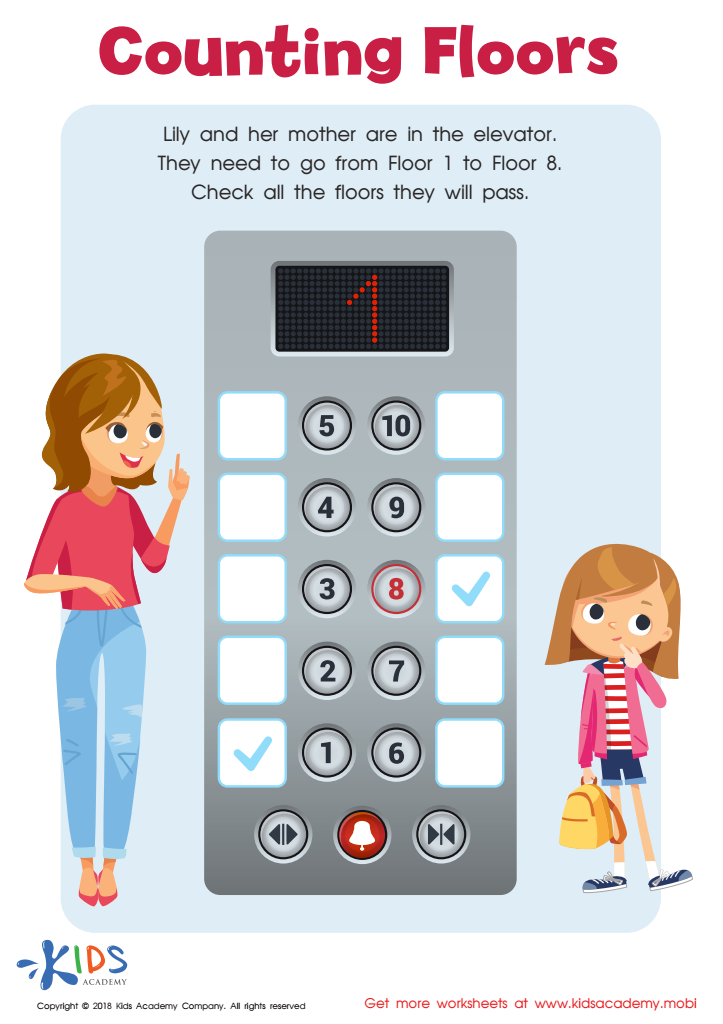
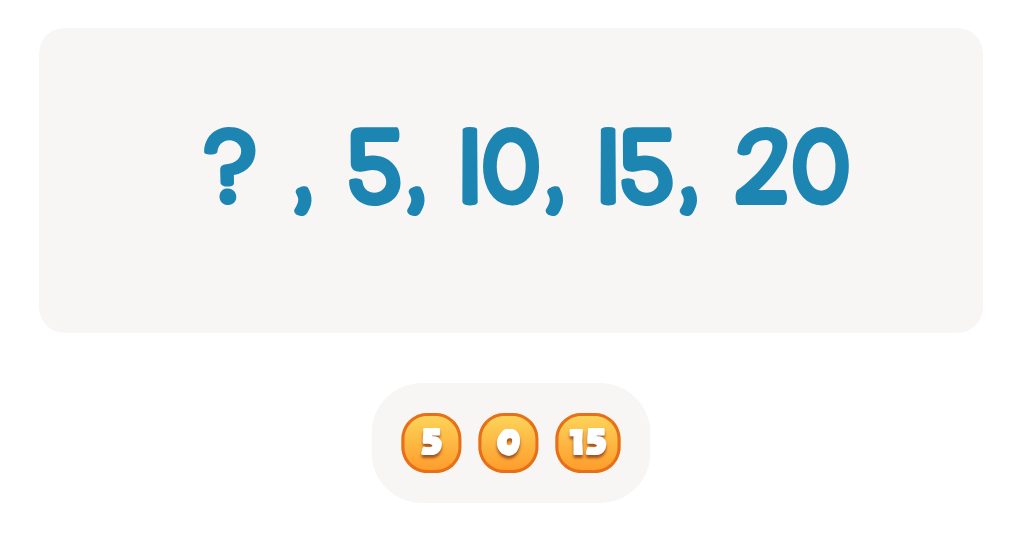
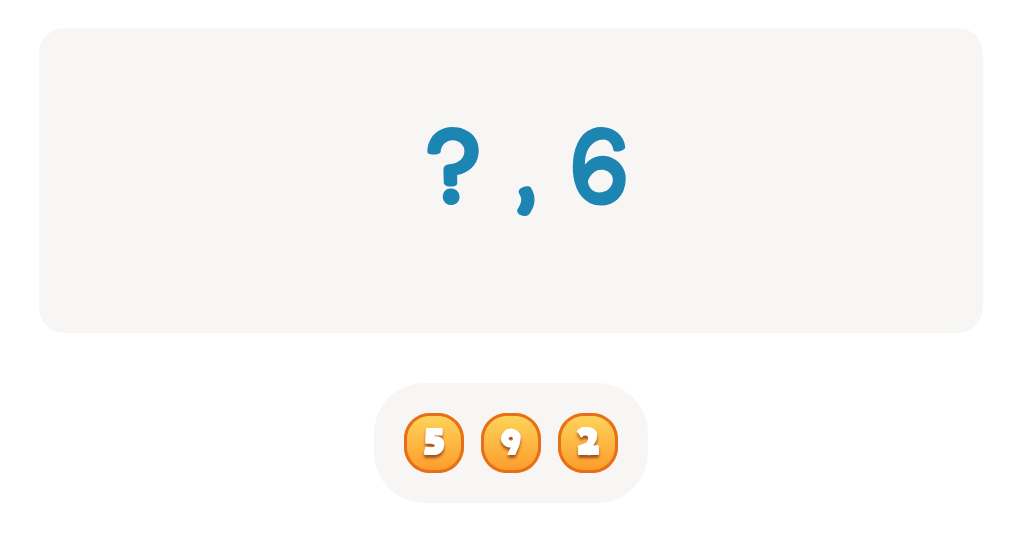
Counting Floors Worksheet
 Assign to My Students


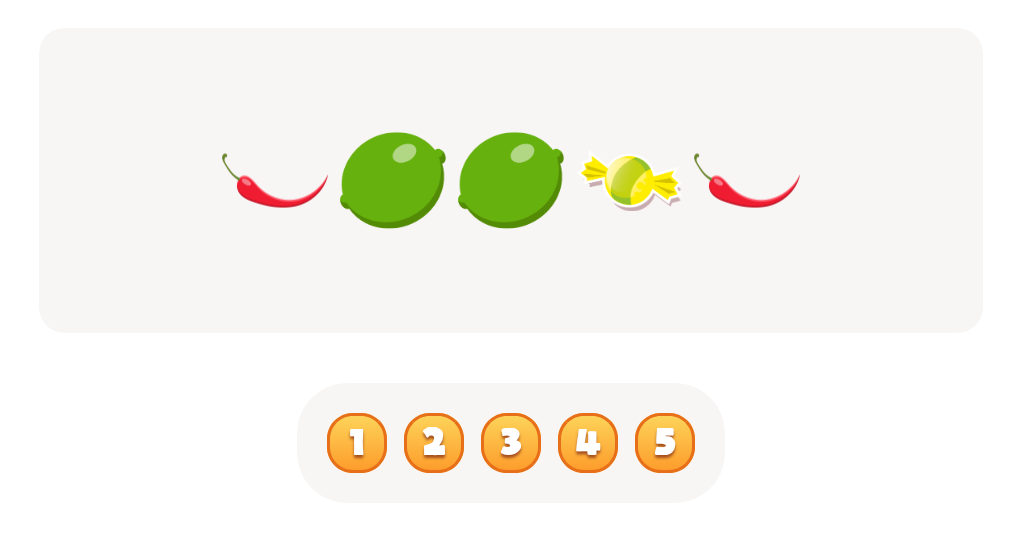
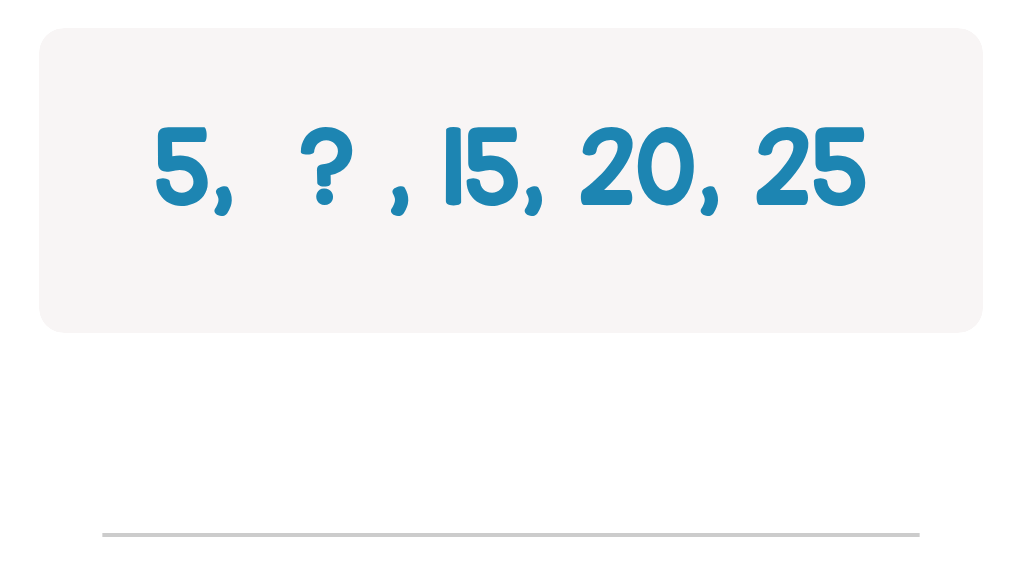
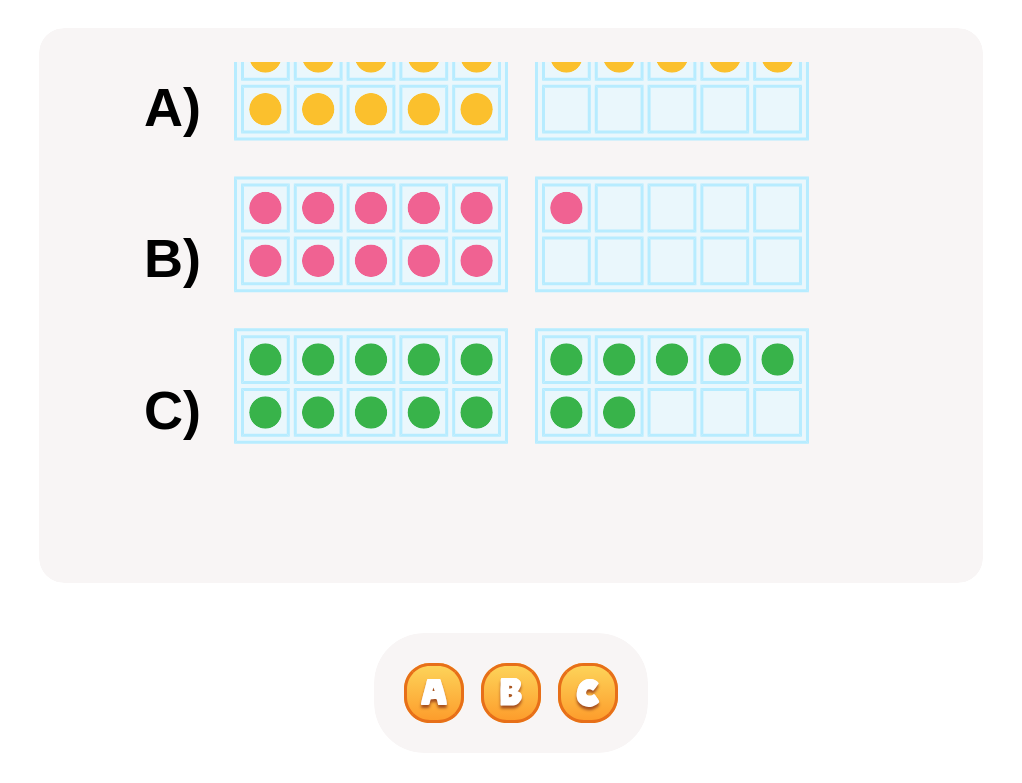
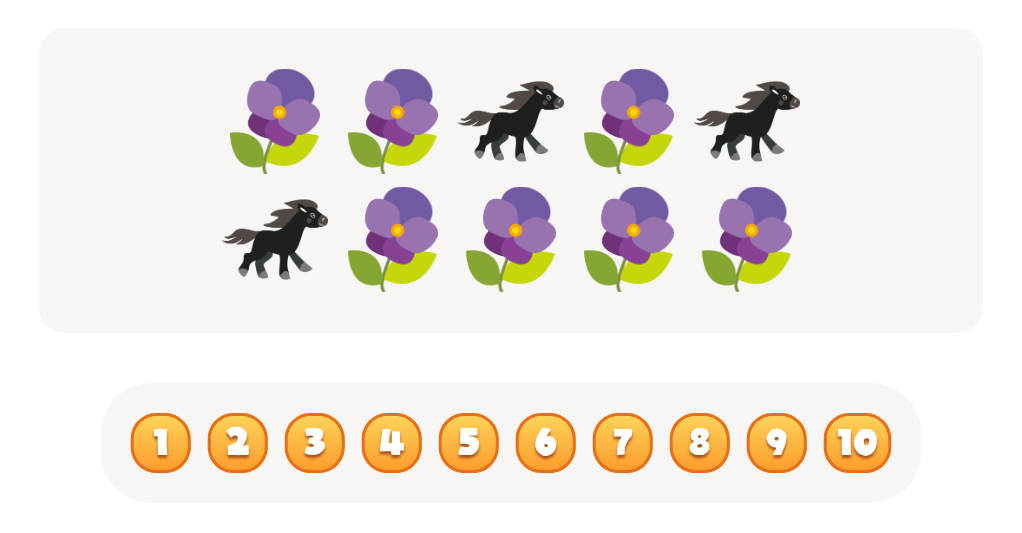
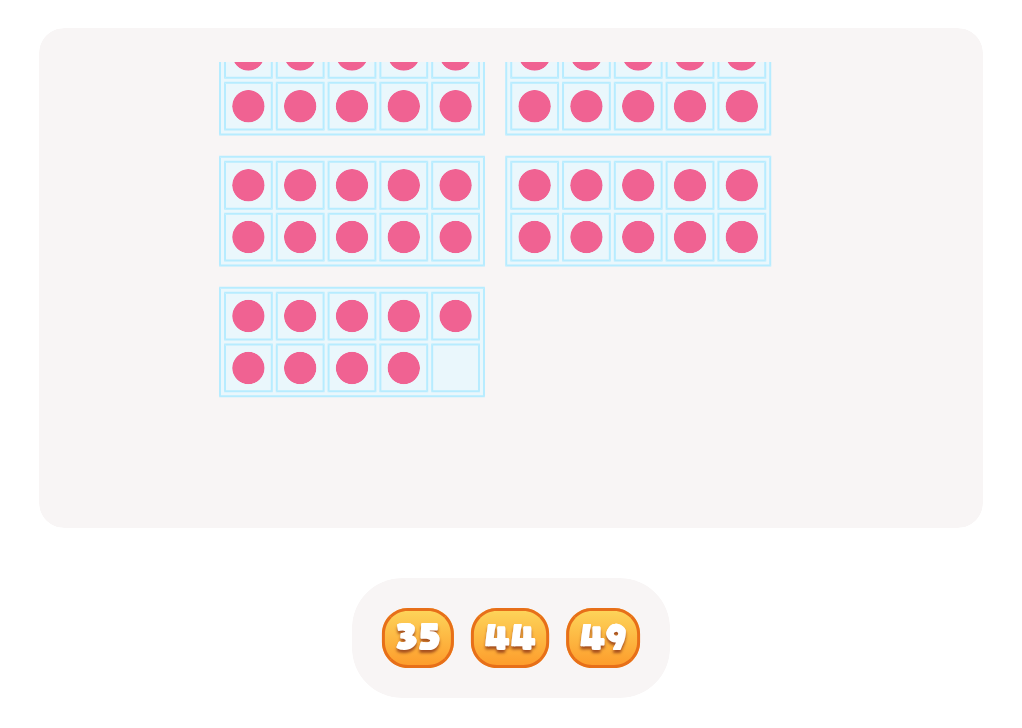
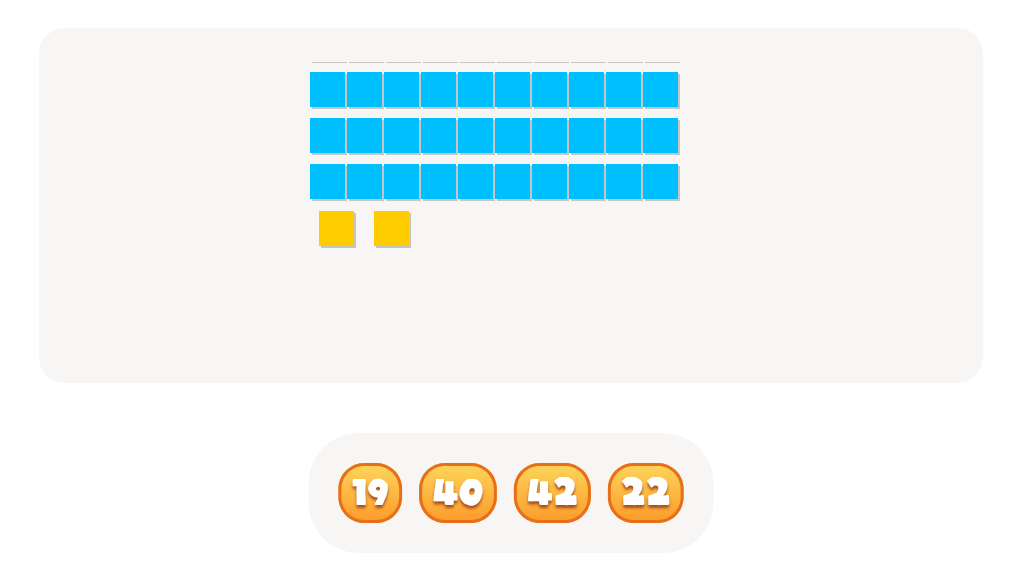
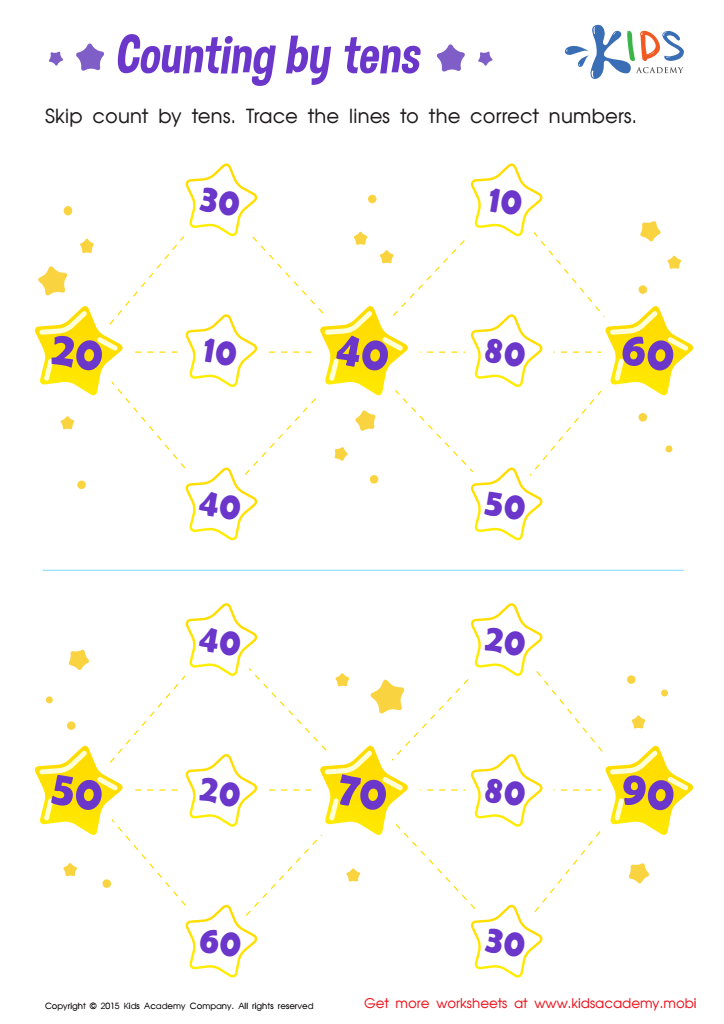
Learn Dozens: Counting by Tens Printable
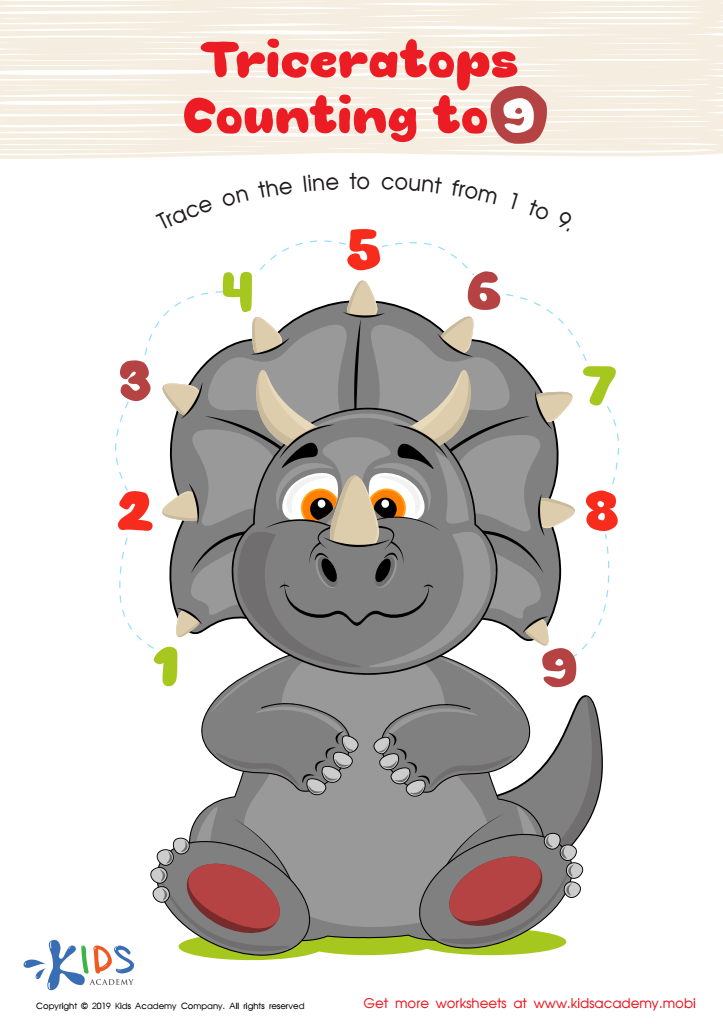
Triceratops Counting to 9 Worksheet








Basic math skills, particularly counting, are foundational for young learners aged 3-6, and understanding their importance is crucial for parents and teachers. During these early years, children begin to develop cognitive abilities that underpin future mathematical understanding. Counting helps children grasp the concept of one-to-one correspondence, which is essential for recognizing quantities and understanding basic operations.
Moreover, counting cultivates critical thinking and problem-solving skills. As children engage in counting activities, they learn to order, classify, and compare objects, laying the groundwork for more complex math concepts down the line. These skills not only enhance their math readiness but also boost their confidence in tackling future challenges.
Additionally, counting is intertwined with everyday experiences, making it a practical tool for parents and teachers. Incorporating counting into daily routines—such as counting snack items or steps—allows for meaningful learning moments that strengthen a child’s numerical literacy.
Fostering a strong mathematical foundation through counting helps children succeed academically and develop a positive attitude toward mathematics, making it imperative for adults to recognize its value and encourage playful yet structured counting activities in everyday life. This early engagement creates a fertile environment for lifelong learning in mathematics.








