Basic Math Skills Numbers Worksheets for Ages 3-6 - Page 2
34 filtered results
-
From - To
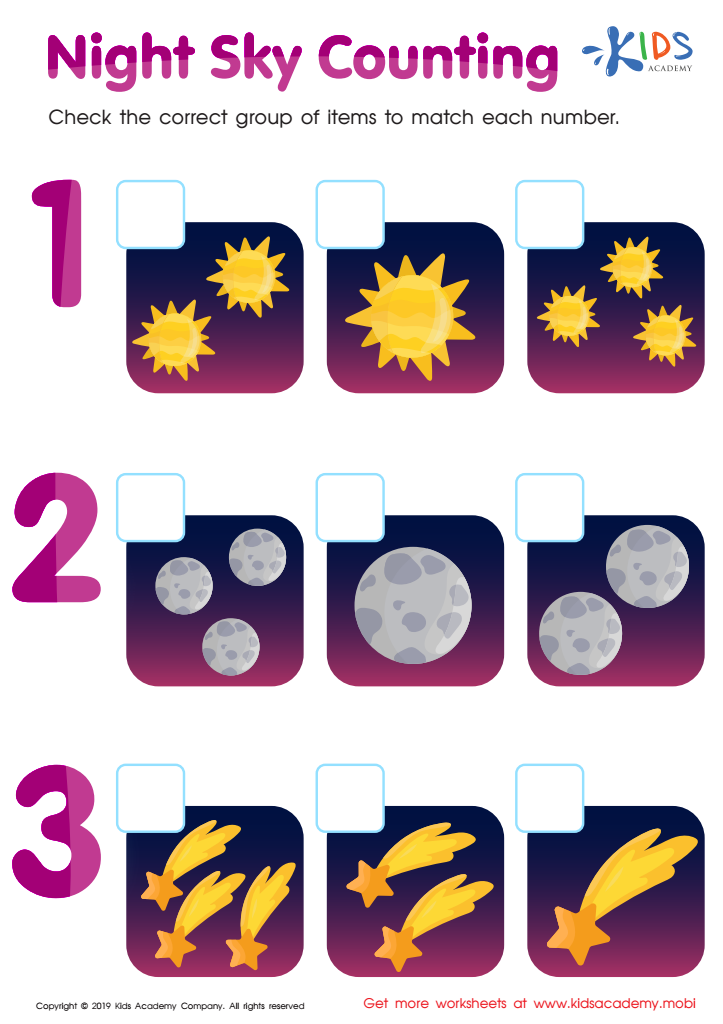
Night Sky Counting Worksheet
 Assign to My Students
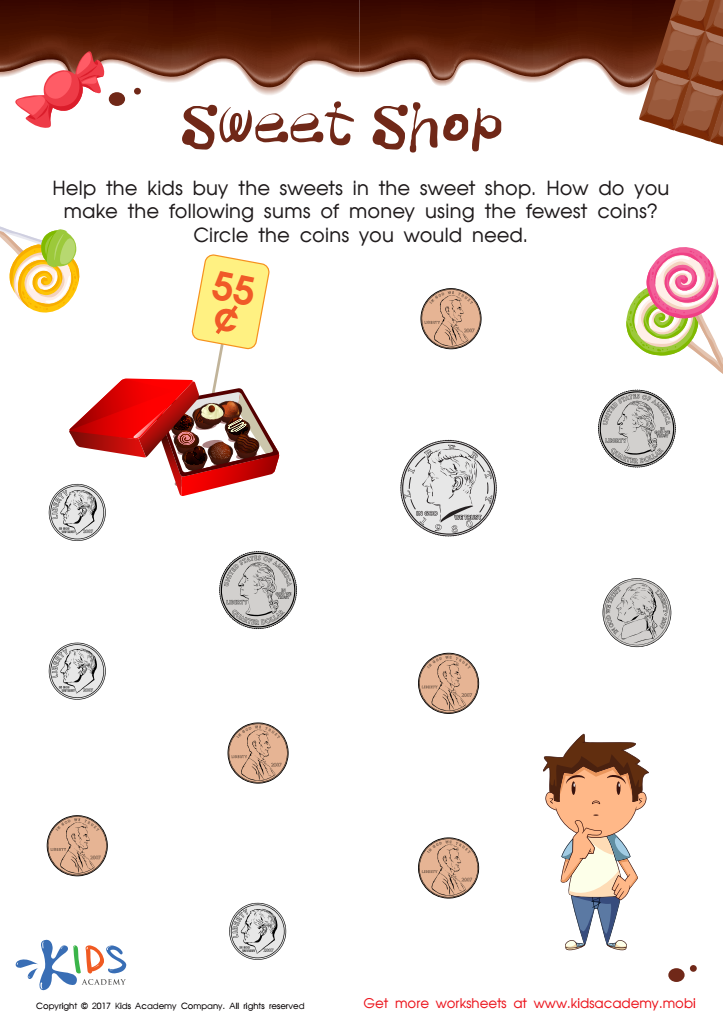
Sweet Shop – Counting Coins Worksheet
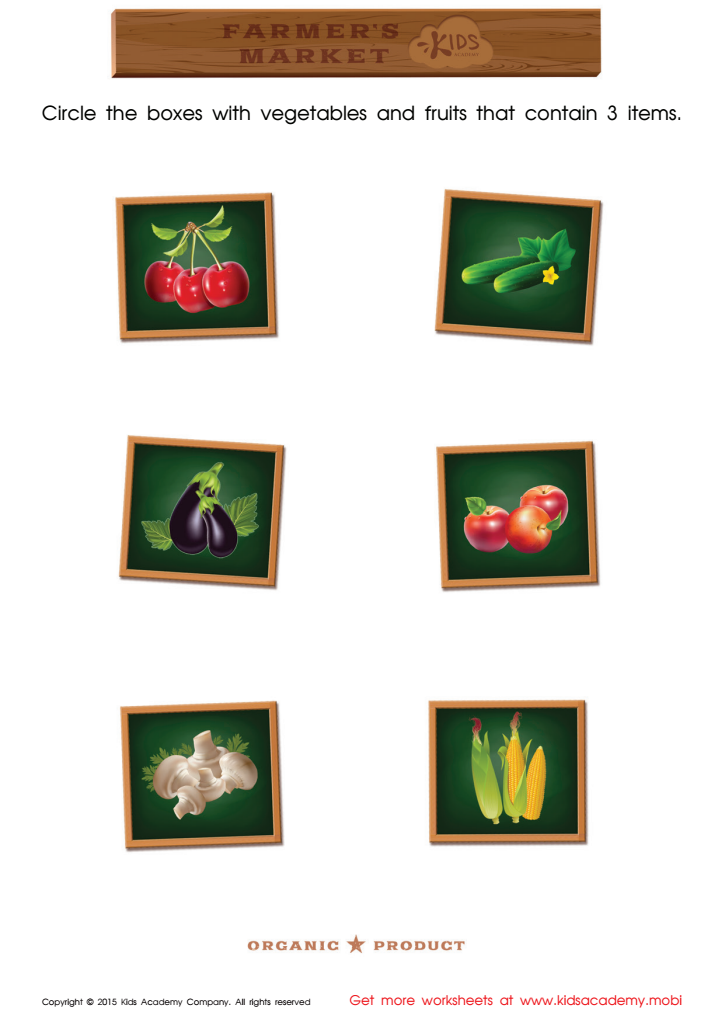
Count and Match Vegetables 1 – 5 Math Worksheet
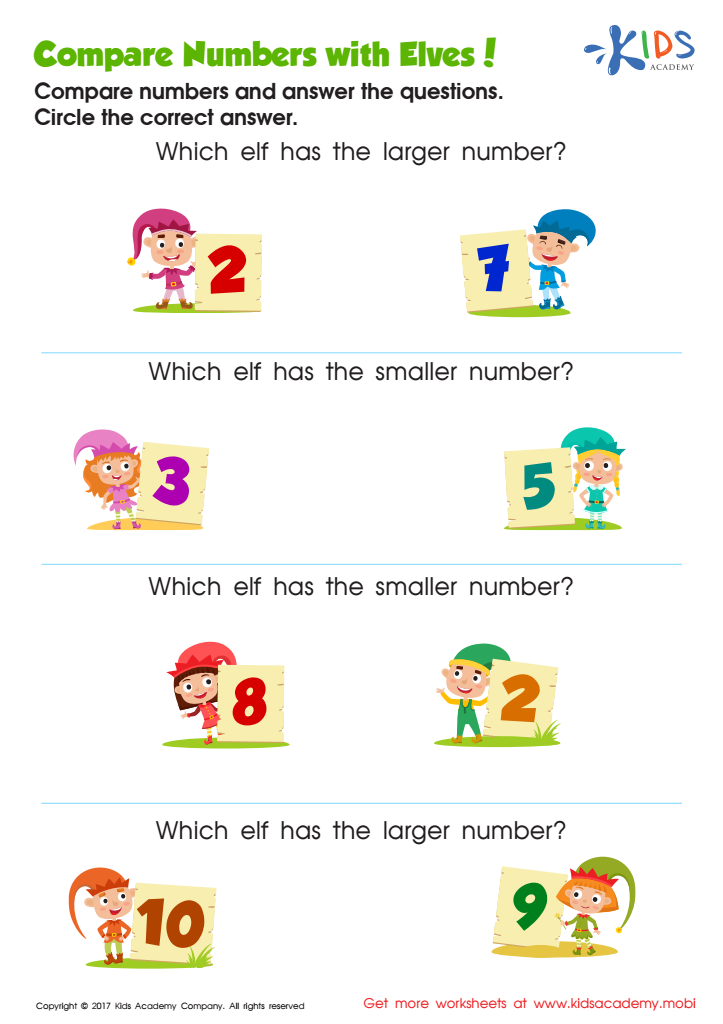
Comparing Numbers Worksheet for Kindergarten
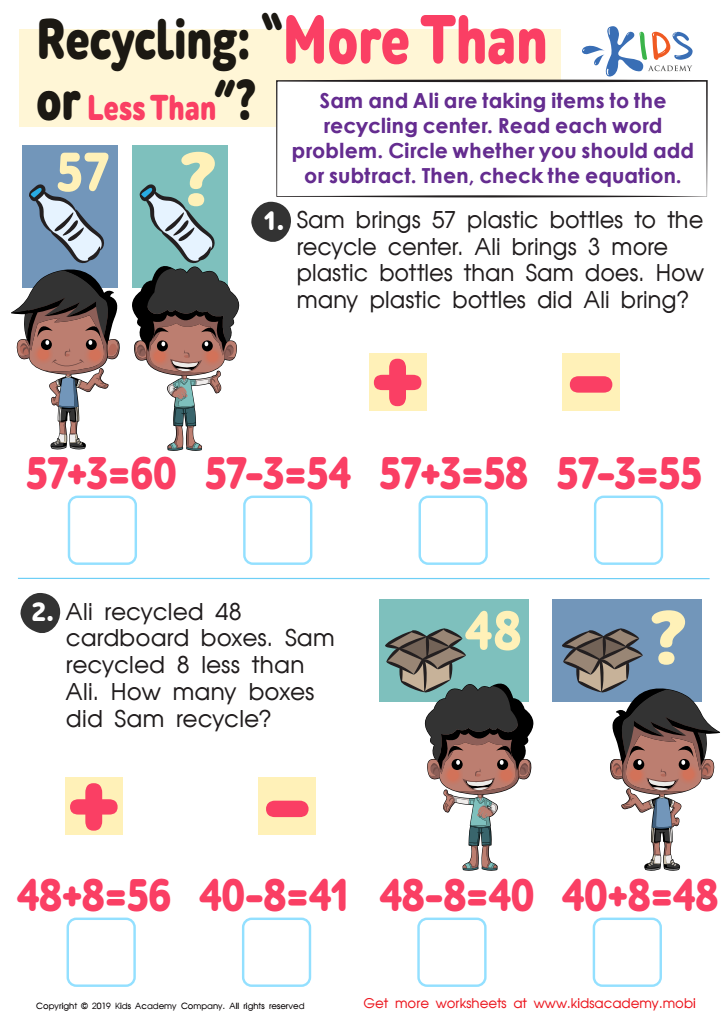
Recycling - More or Less Worksheet
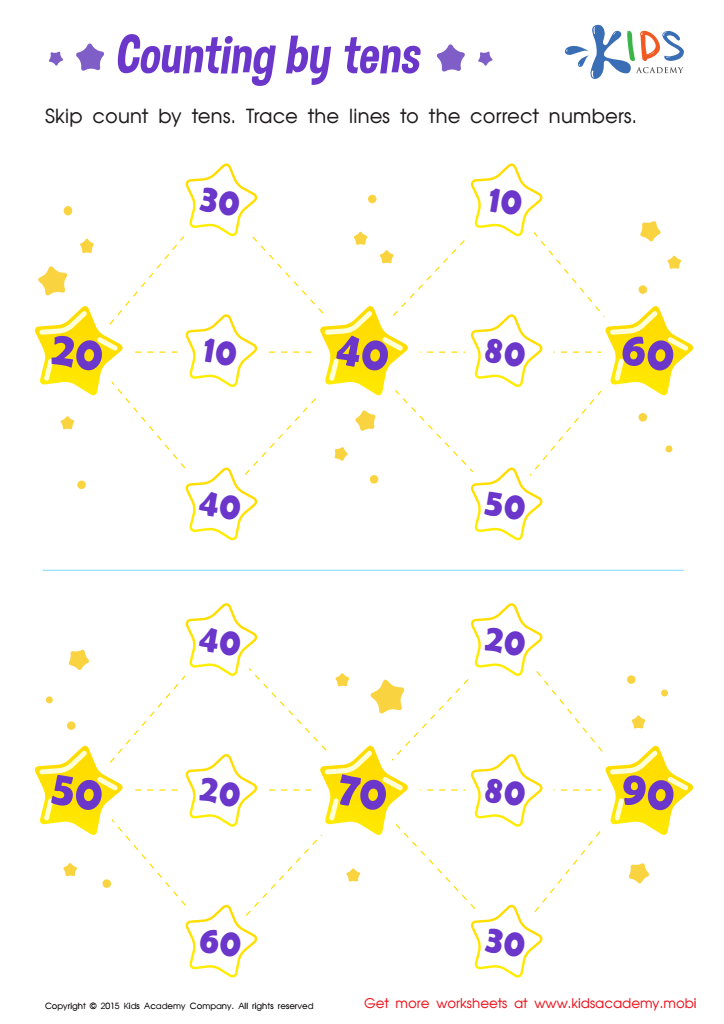
Learn Dozens: Counting by Tens Printable
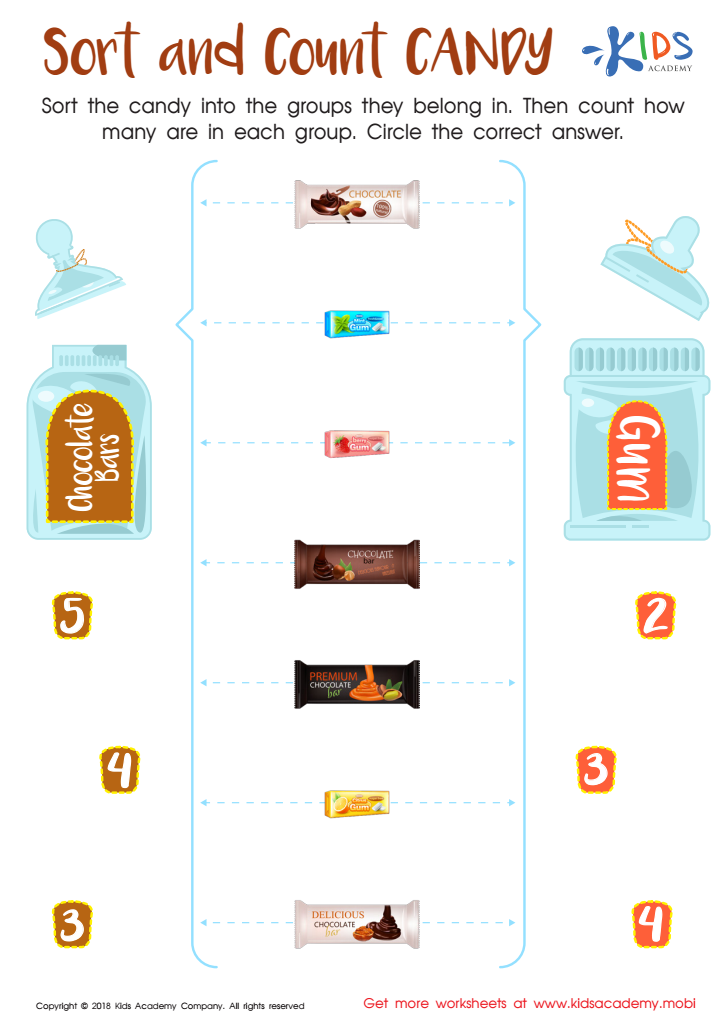
Sort and Count Candy Worksheet
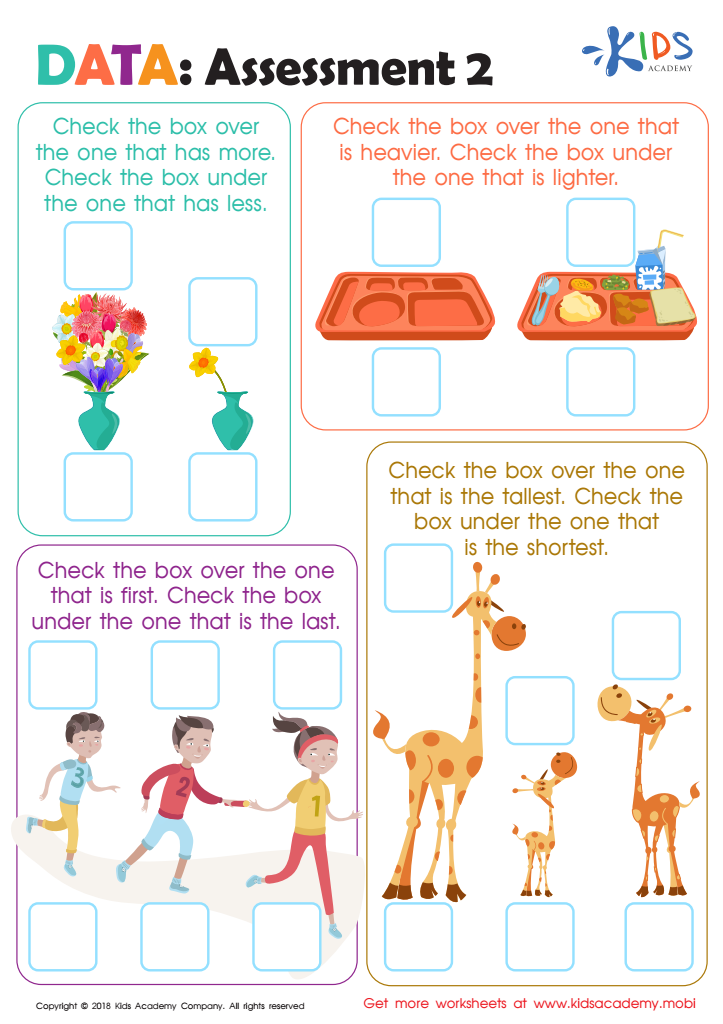
Data: Assessment 2 Worksheet
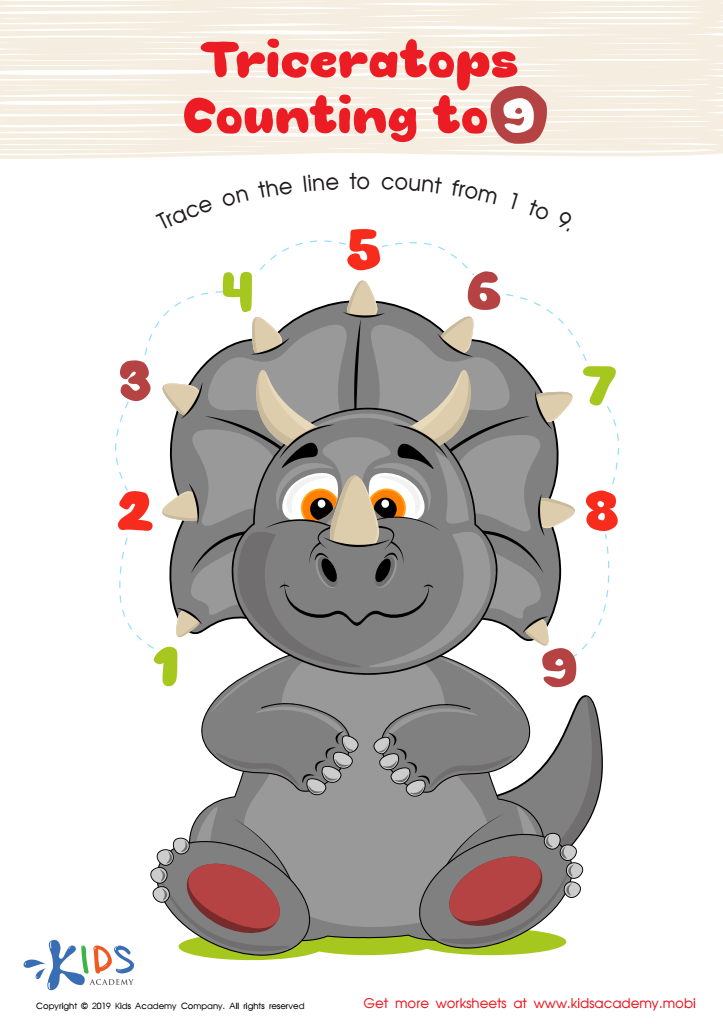
Triceratops Counting to 9 Worksheet
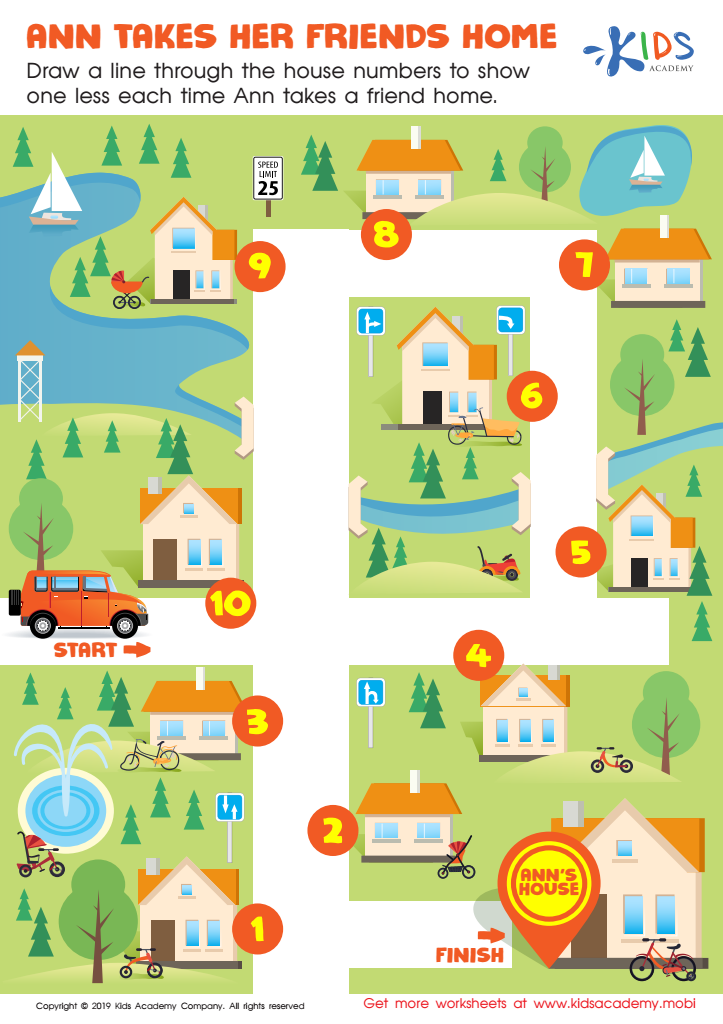
Ann Takes her Friends Home Worksheet








Parents and teachers should prioritize basic math skills for children aged 3 to 6 because these foundational competencies are crucial for early cognitive development. At this age, children are highly receptive to learning, and establishing a strong understanding of numbers fosters critical thinking and problem-solving abilities. Basic math skills, such as counting, recognizing shapes, and understanding simple addition and subtraction, lay the groundwork for more complex mathematical concepts in later years.
Moreover, early math literacy boosts confidence and enthusiasm for learning. Children who acquire these skills tend to perform better academically across various subjects. Engaging with math in playful ways—like through games, songs, and everyday activities—encourages curiosity and makes learning enjoyable, transforming abstract concepts into relatable experiences.
Additionally, early math competencies promote essential life skills, such as spatial awareness, reasoning, and the ability to make decisions based on quantitative information. By nurturing a positive relationship with math through developmentally appropriate activities, parents and teachers help children become proficient problem solvers, prepared to tackle the challenges of formal education and beyond. In essence, early investment in basic math skills is an invaluable gift that shapes a child's academic and life journey.








