Counting skills Numbers Worksheets for Ages 3-6 - Page 2
161 filtered results
-
From - To
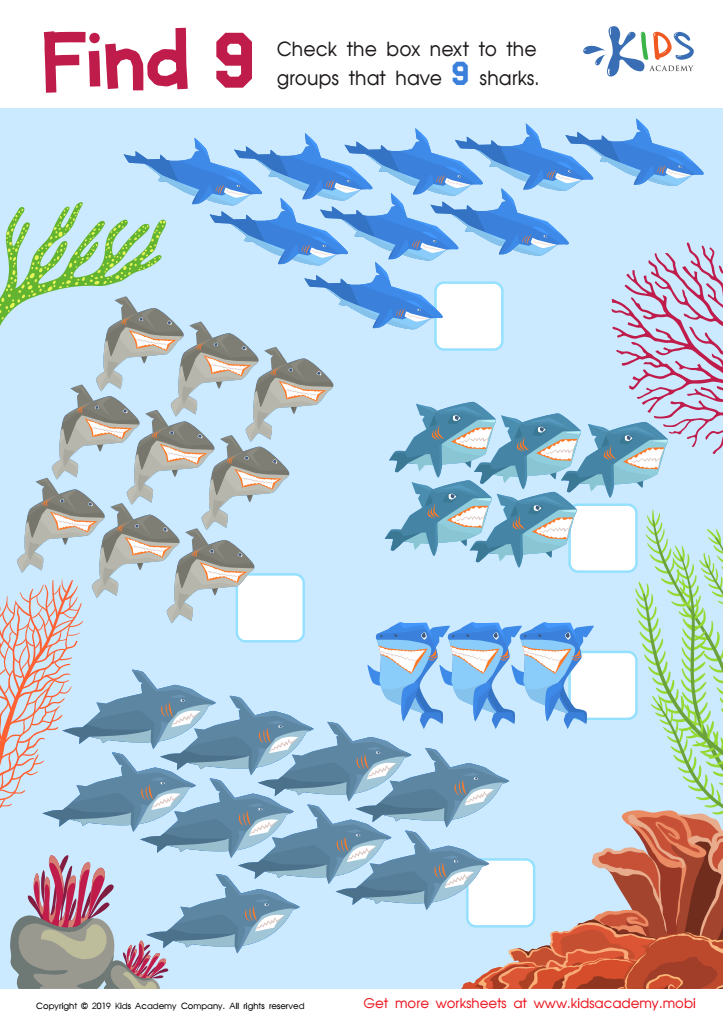
Find 9 Worksheet
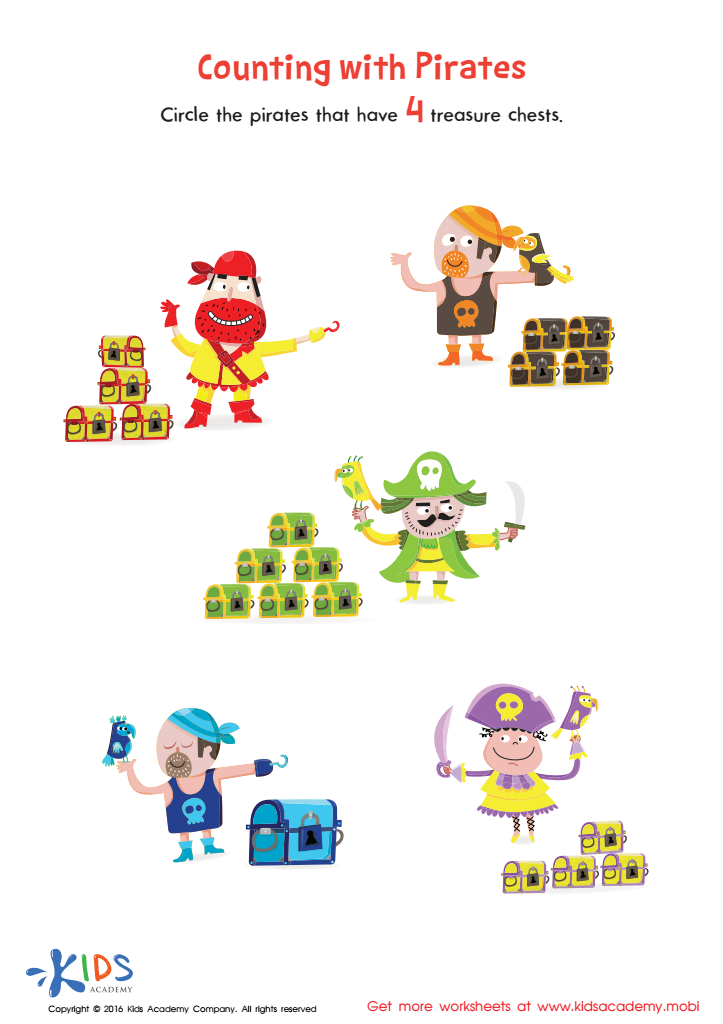
Counting With Pirates Worksheet
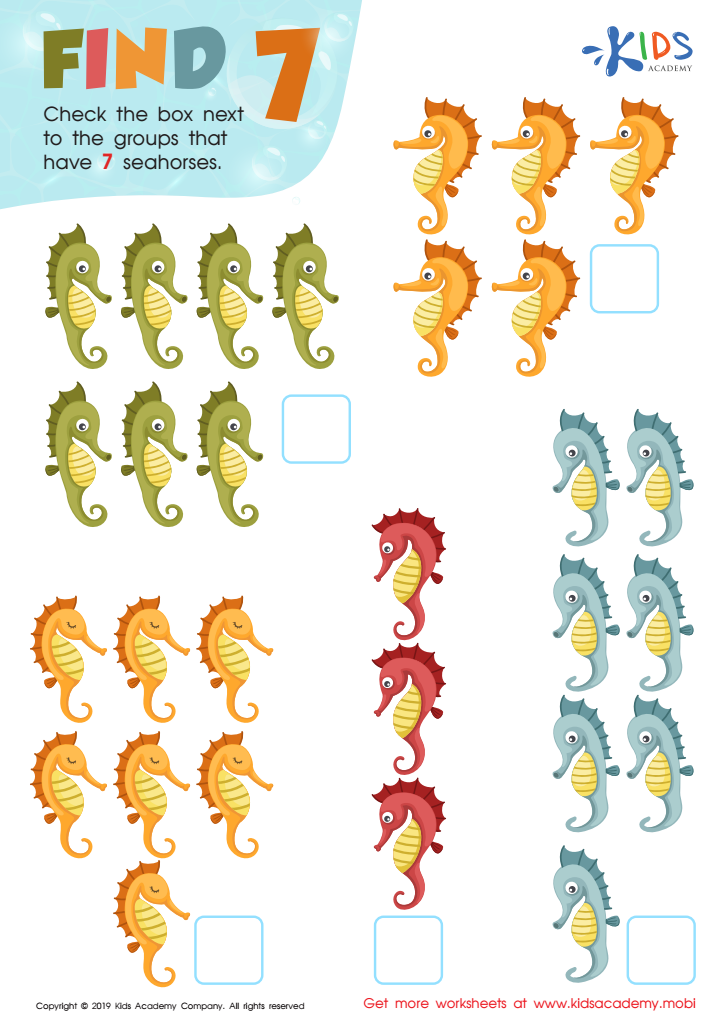
Find 7 Worksheet
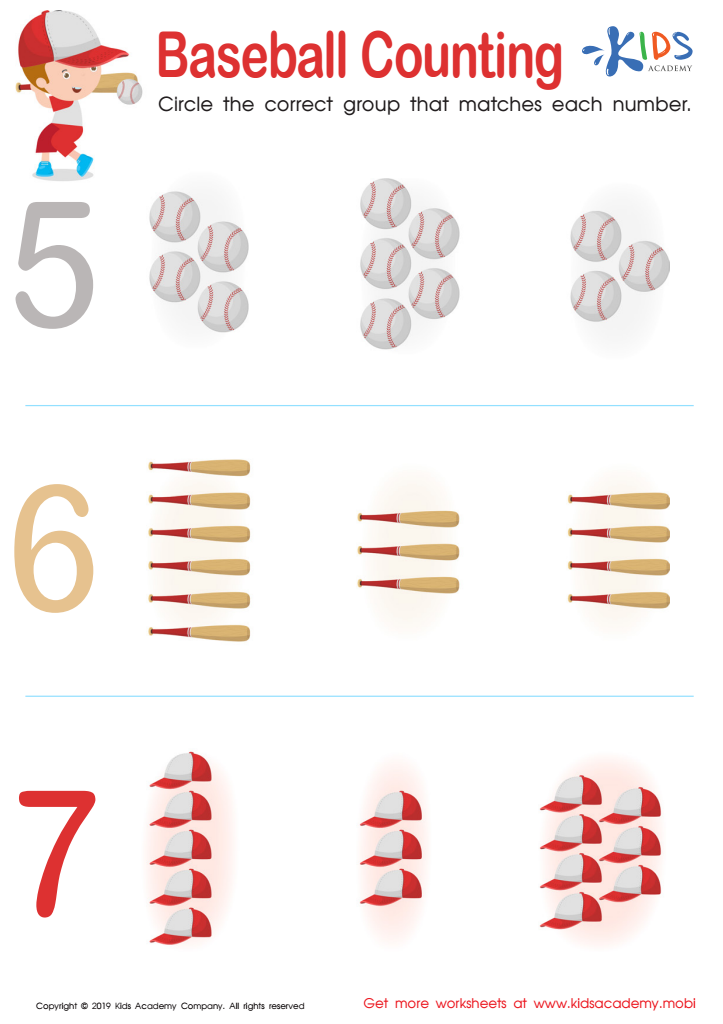
Baseball Counting Worksheet
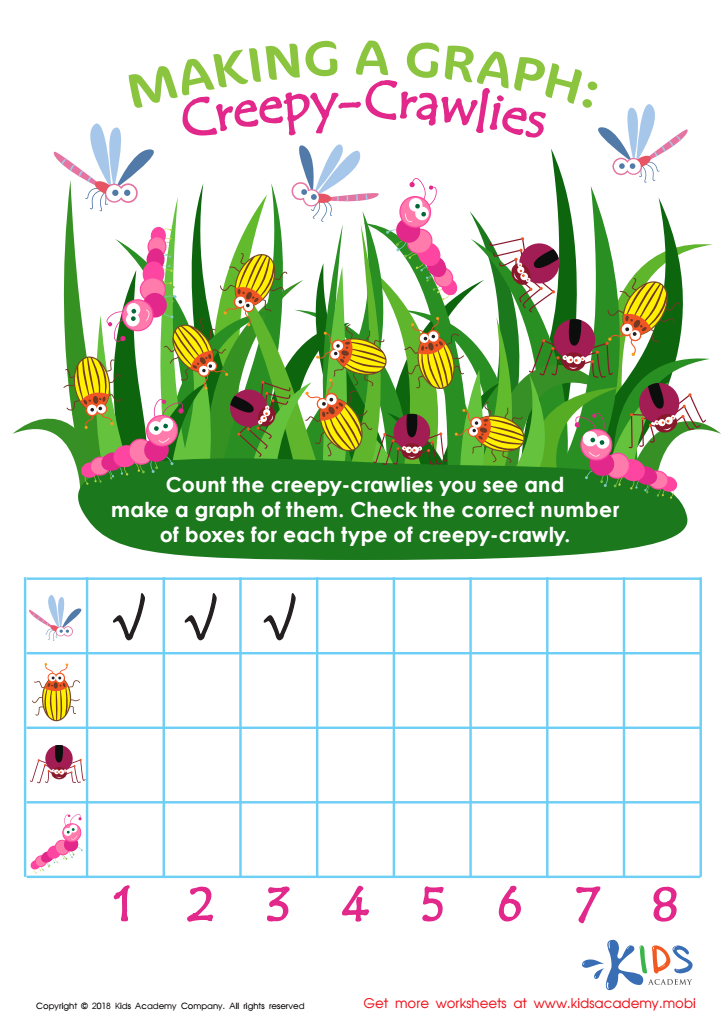
Making a Graph: Creepy Crawlies Worksheet
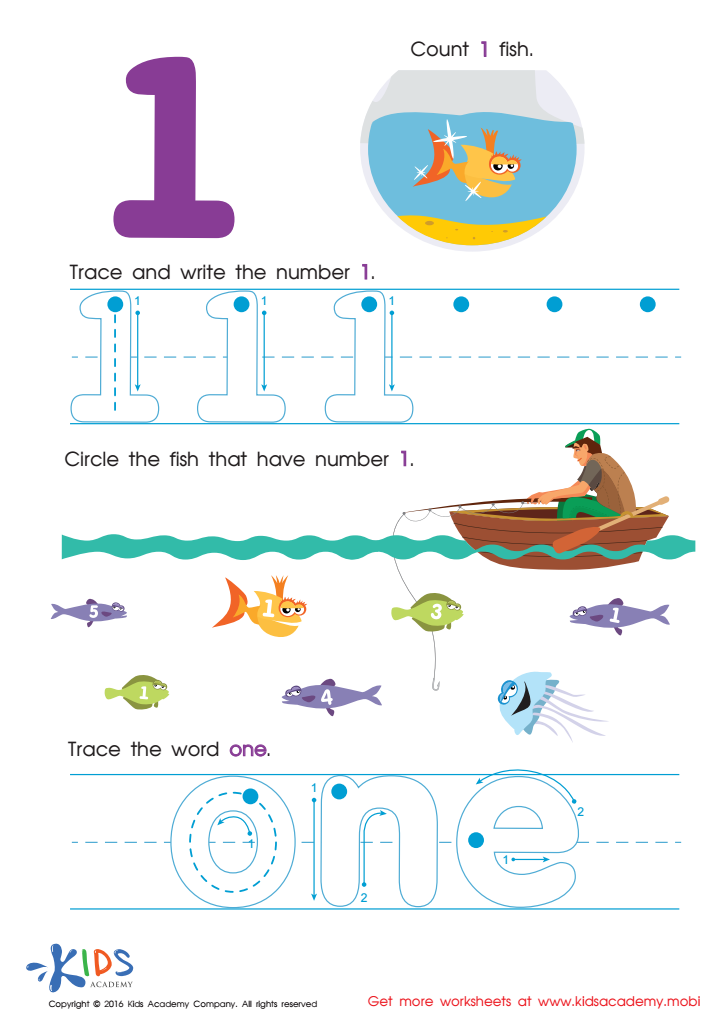
Learning to Write 1 Worksheet
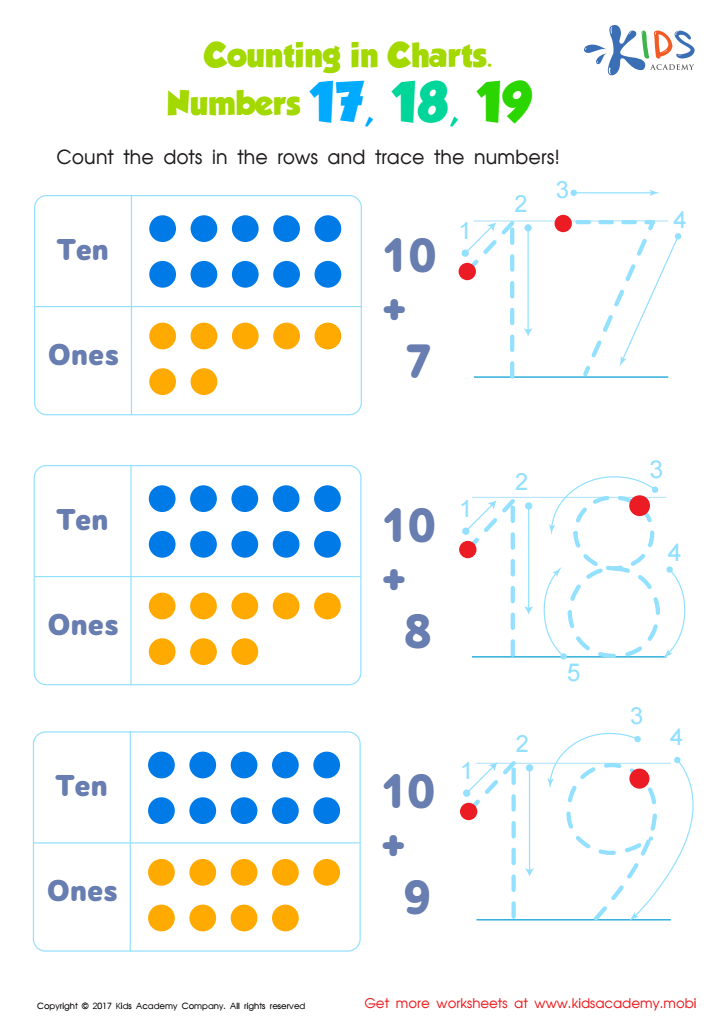
Kindergarten Number Tracing: Counting in Charts Worksheet
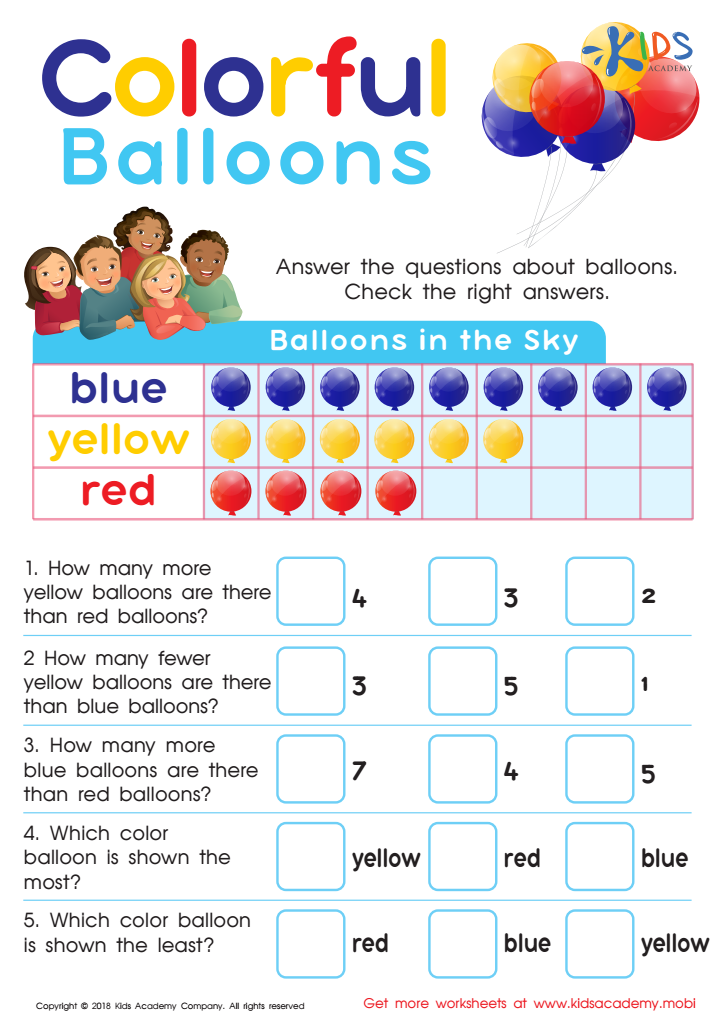
Picture Graphs: Colorful Balloons Worksheet
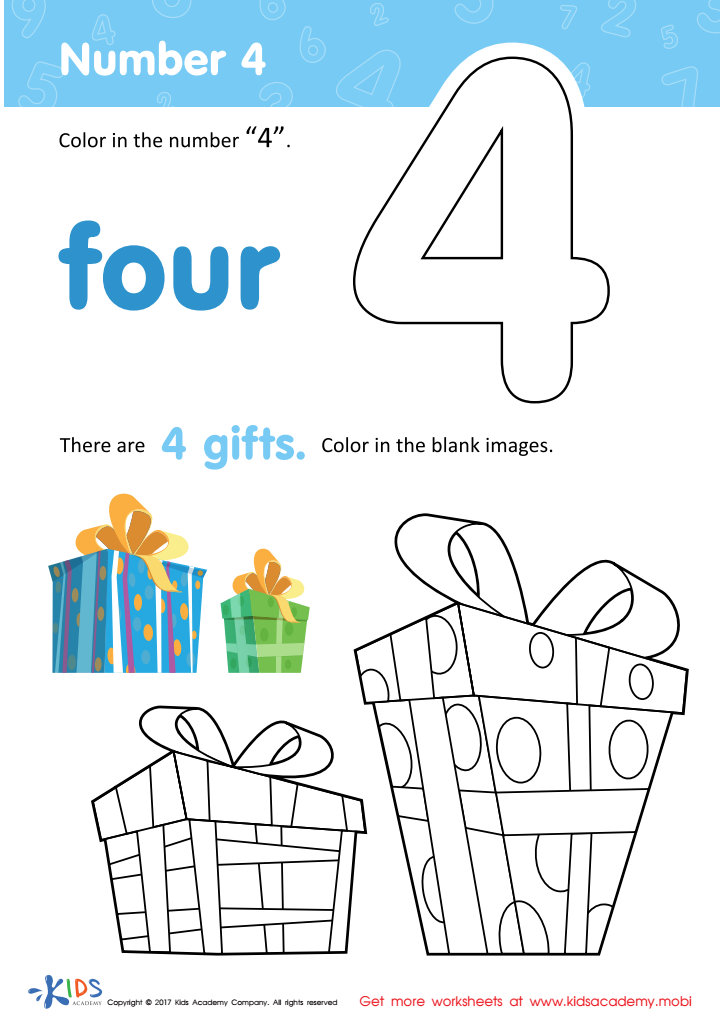
Number 4 Printable
 Assign to My Students
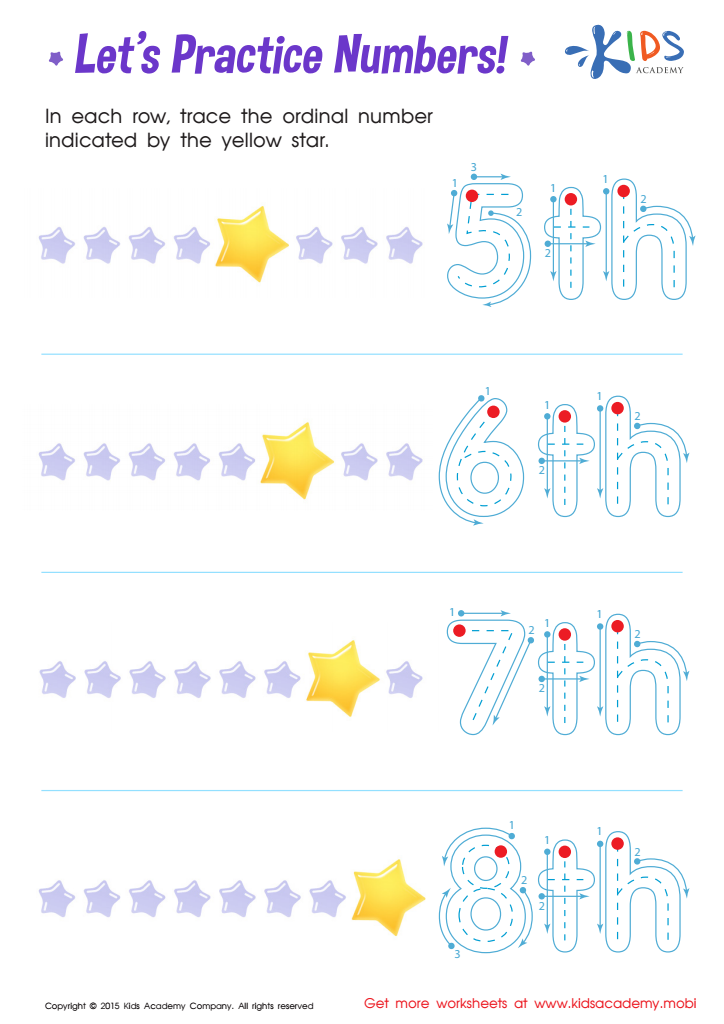
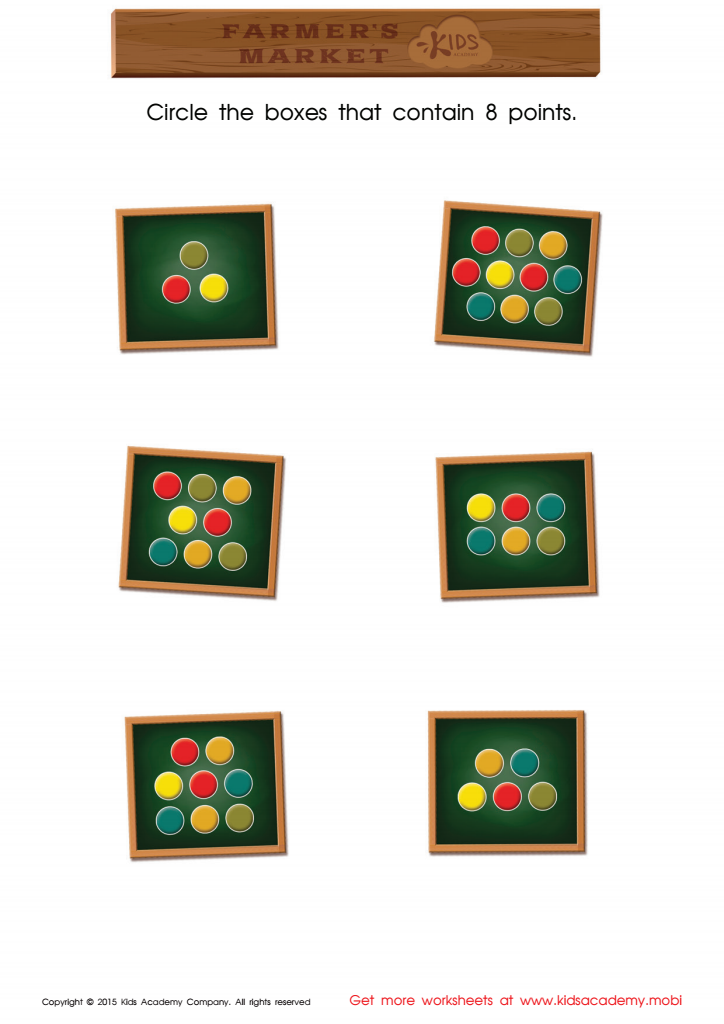
Count and Match Points 8 Math Worksheet
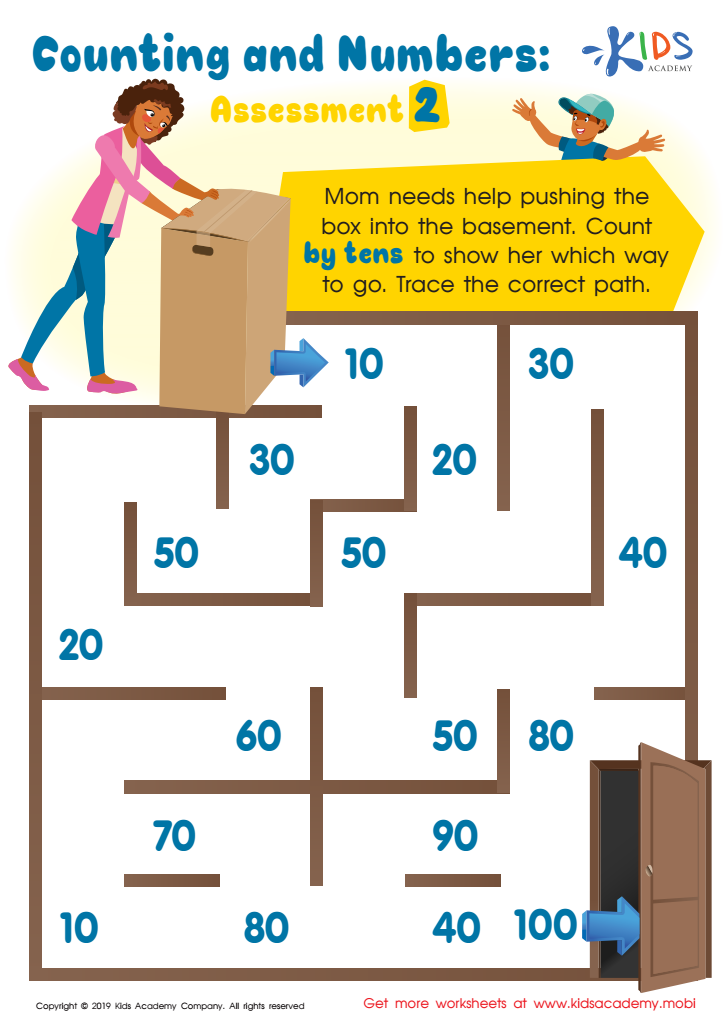
Counting and Numbers: Assessment 2 Worksheet
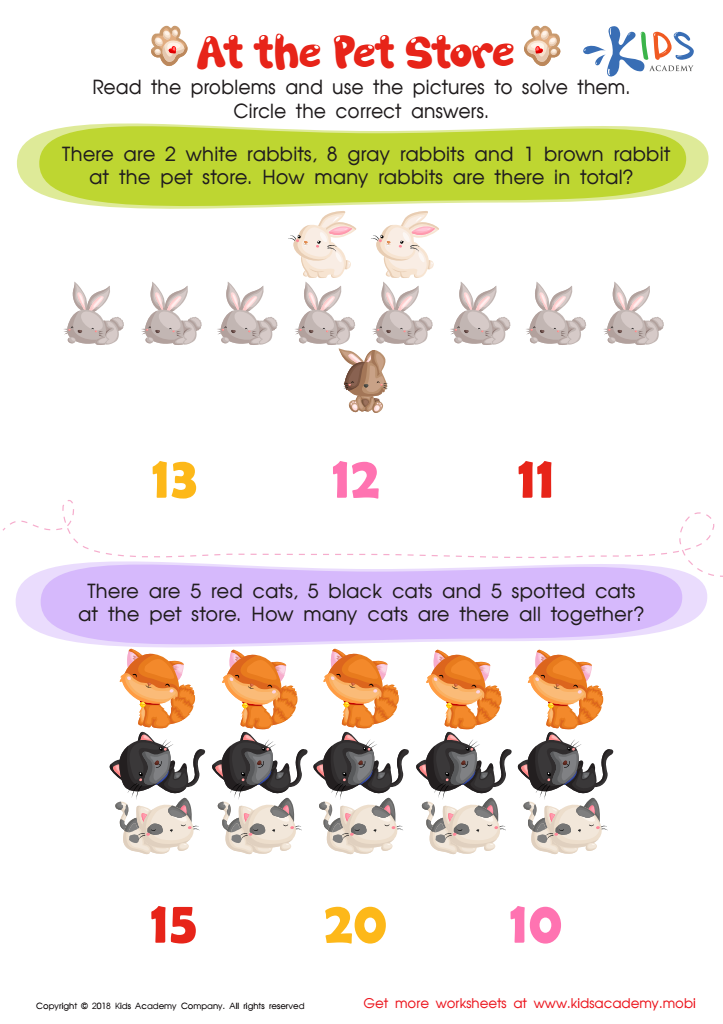
At the Pet Store Word Problems Worksheet
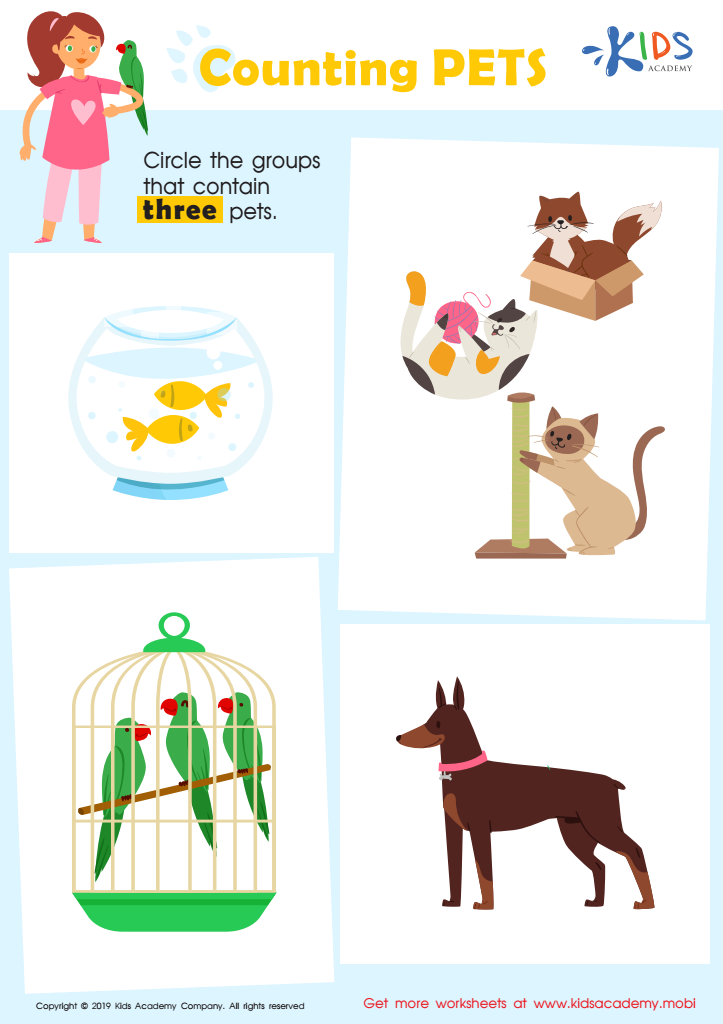
Counting Pets Worksheet
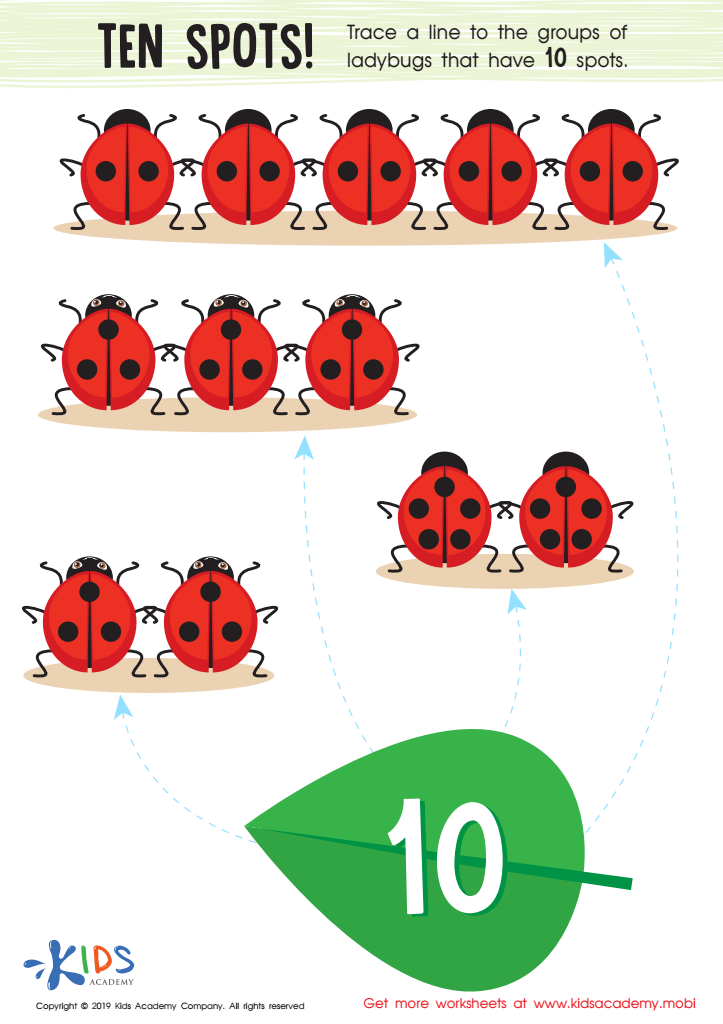
Ten Spots Worksheet
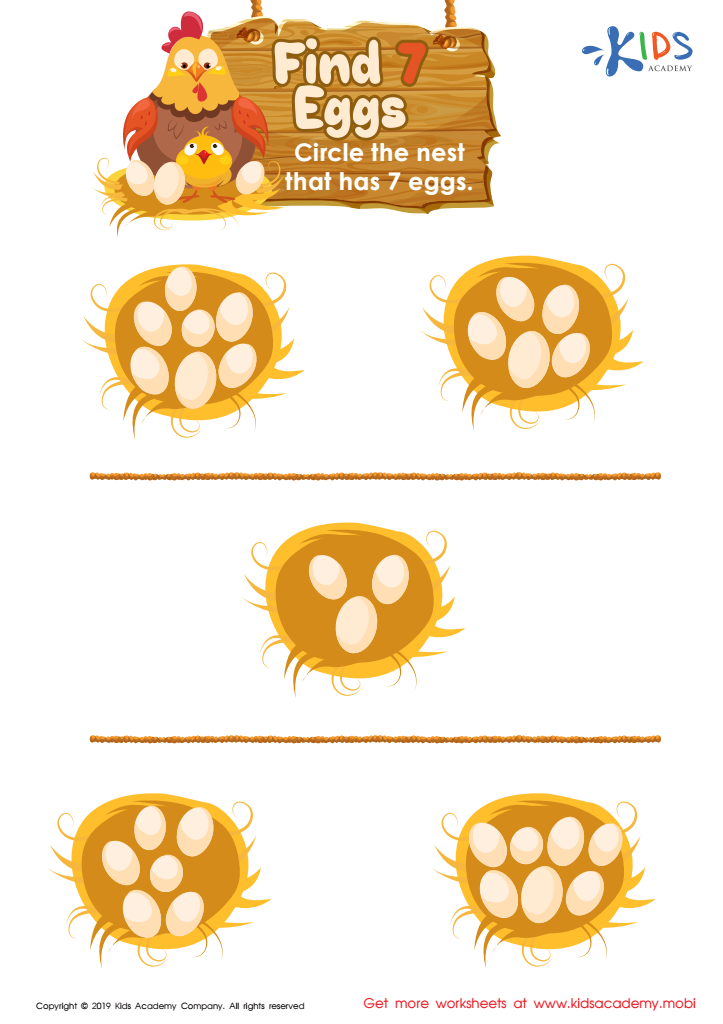
Find 7 Eggs Worksheet
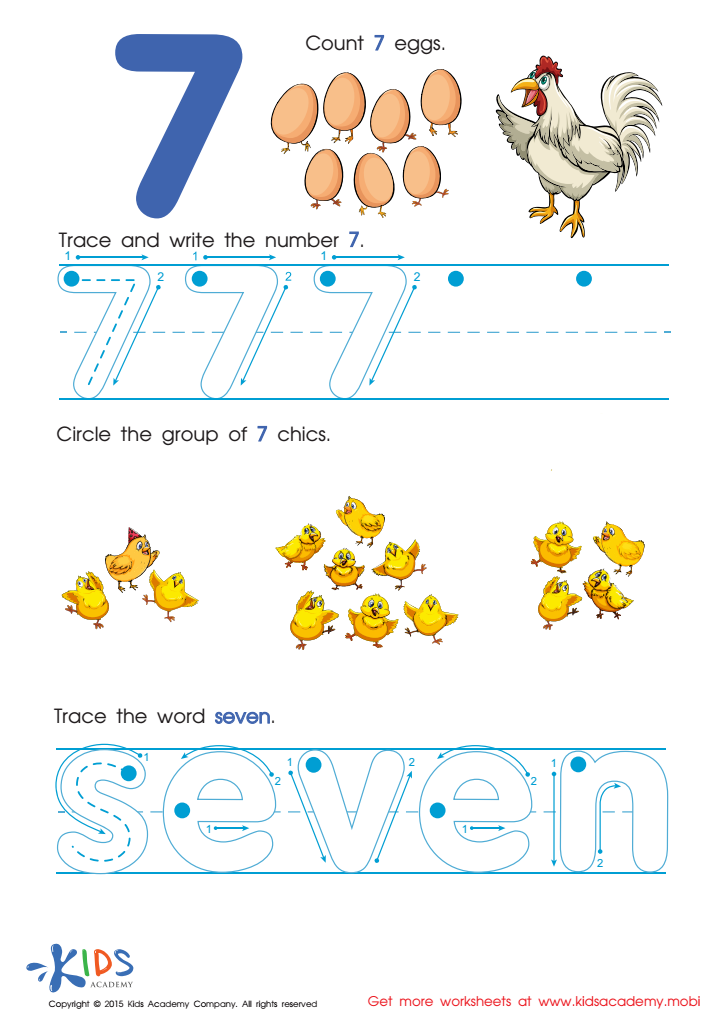
Trace And Write Number 7 with Fun Worksheet
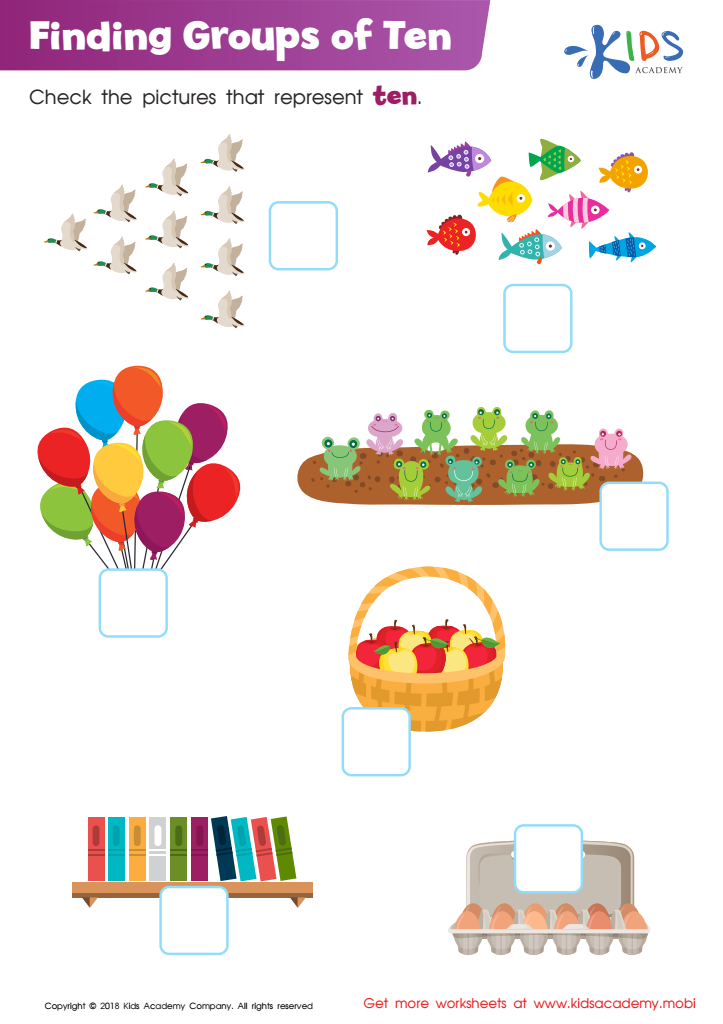
Finding Groups of Ten Worksheet
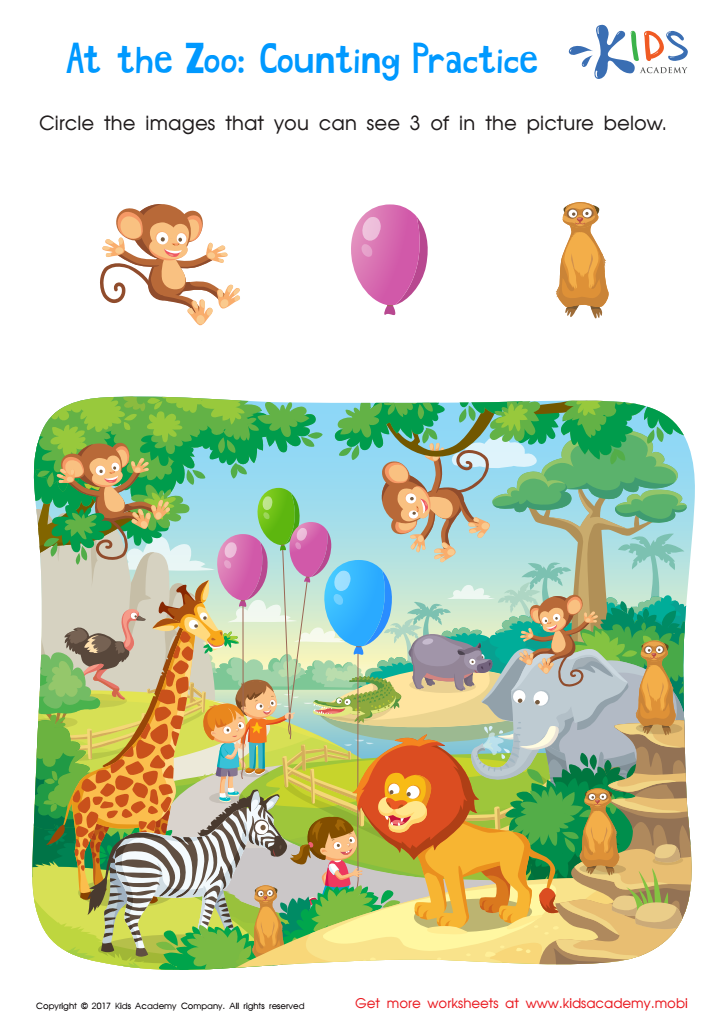
At the Zoo: Counting Practice Worksheet
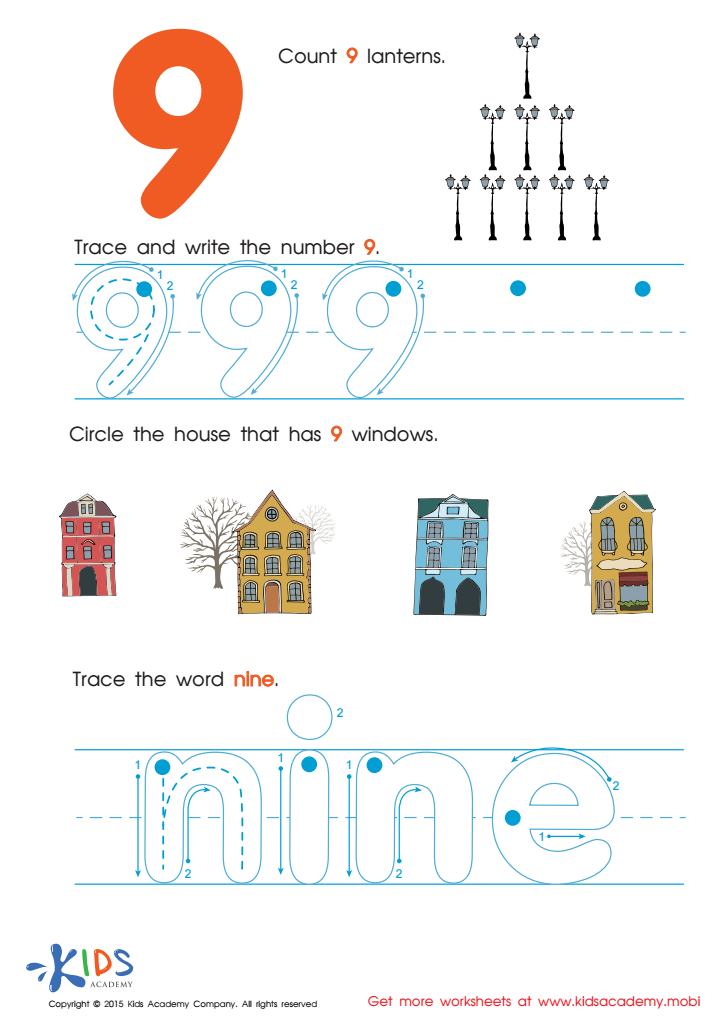
Tracing And Learning to Write Number 9 Worksheet
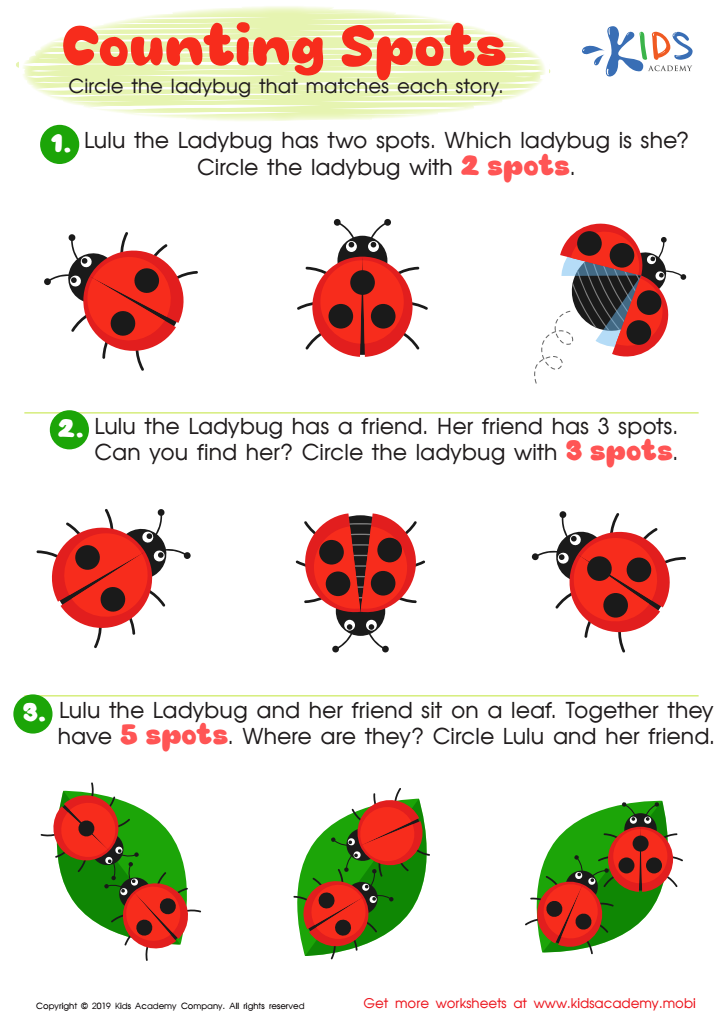
Counting Spots Worksheet
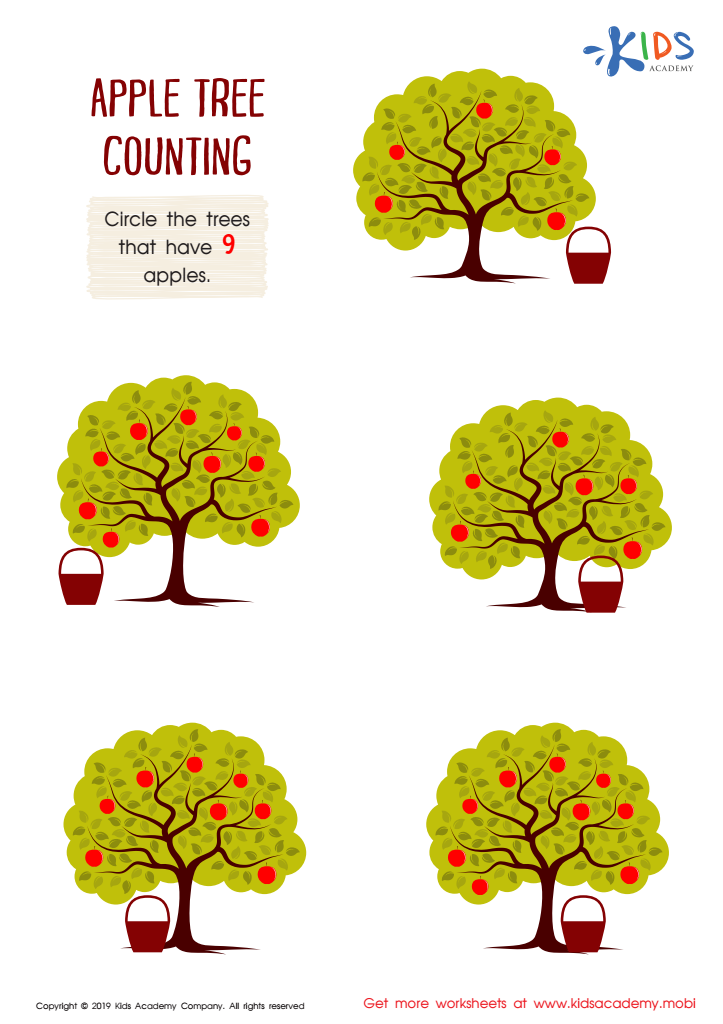
Apple Tree Counting Worksheet
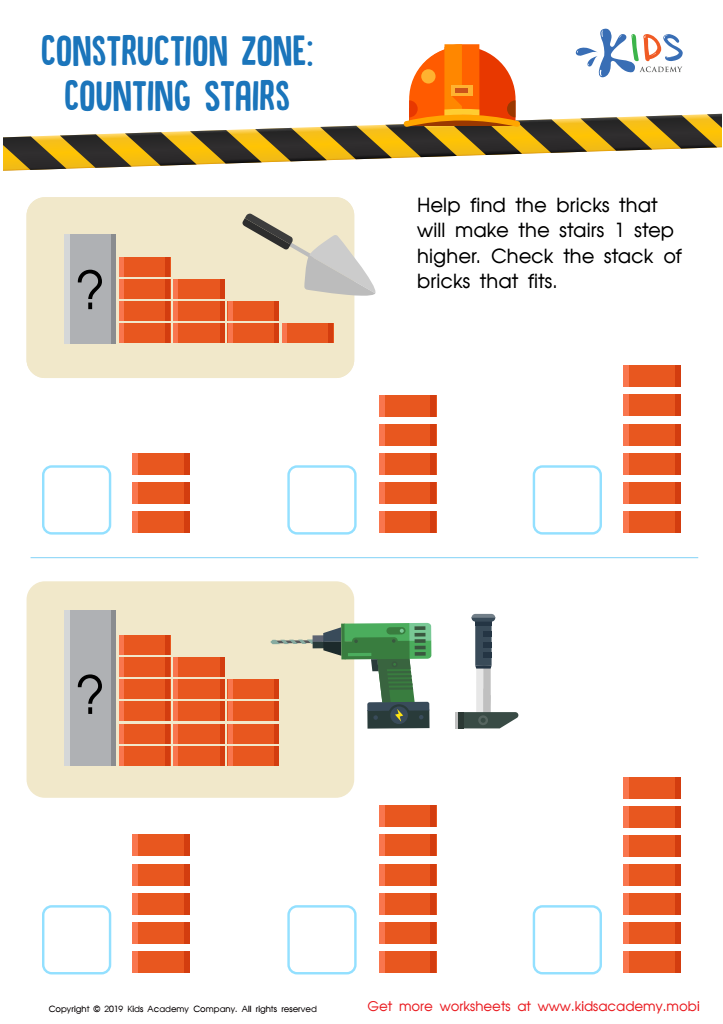
Construction Zone: Counting Stairs Worksheet
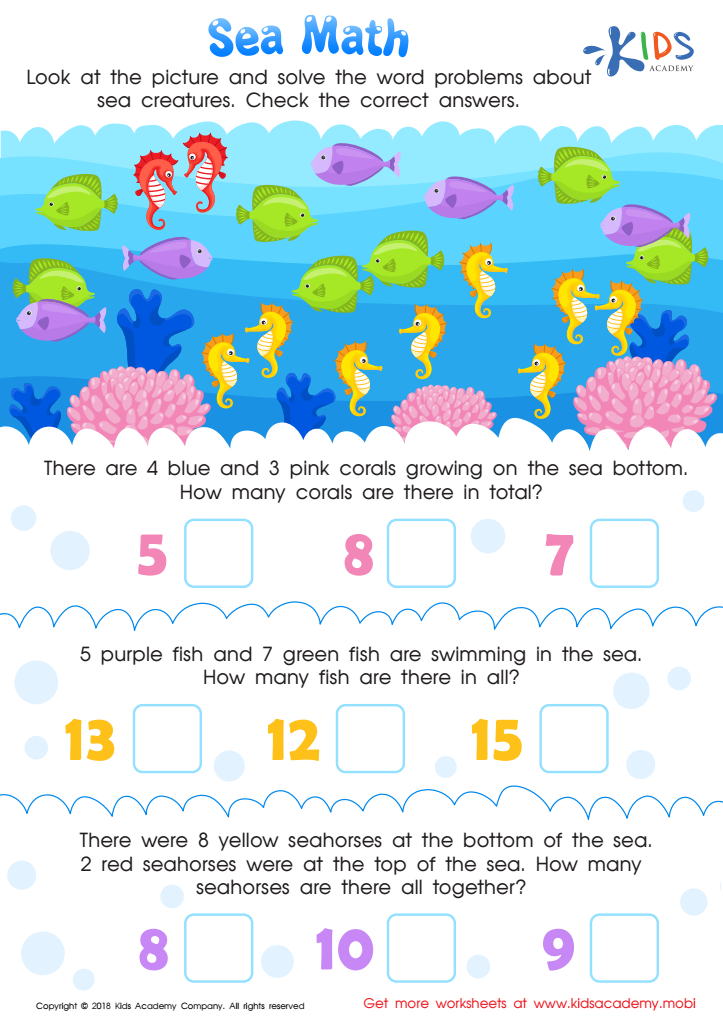
Sea Math Worksheet








Counting skills are fundamental to early childhood development and provide a solid foundation for future mathematical understanding. For children aged 3-6, these skills go beyond mere number recognition; they help children engage with their environment in meaningful ways. Parents and teachers should care about counting skills because they encourage cognitive growth, enhance problem-solving abilities, and lay the groundwork for later academic success.
At this age, children are naturally inquisitive and learn best through play. Engaging them in counting activities—through games, songs, or everyday tasks like counting fruits—lightly reinforces their numerical skills while keeping their interest alive. Furthermore, counting helps develop fine motor skills, as children grasp tangible objects, coordinating their hand movements with cognitive processes.
Moreover, early counting skills boost confidence by providing a sense of achievement. Children who are proficient in counting tend to develop a positive attitude toward math, which carries into their school years. By incorporating counting into daily routines and playful learning, parents and teachers can foster a love of numbers and ensure that children are better equipped for future educational challenges. Neglecting these foundational skills may leave gaps in a child's understanding of mathematics, potentially hindering their overall learning trajectory.








