Logical thinking Numbers Worksheets for Ages 3-6
4 filtered results
-
From - To
Dive into the world of logical thinking with our engaging Numbers Worksheets designed for children aged 3-6! These printable resources promote critical thinking and problem-solving skills through fun activities involving counting, pattern recognition, and number sequencing. Perfect for preschoolers and kindergarteners, our worksheets encourage young learners to explore mathematical concepts visually and interactively. By enhancing their logical reasoning abilities, children will gain a solid foundation for future math success. Explore our carefully crafted worksheets today and watch your little one's confidence in numbers grow as they develop essential skills in a playful, stimulating environment!
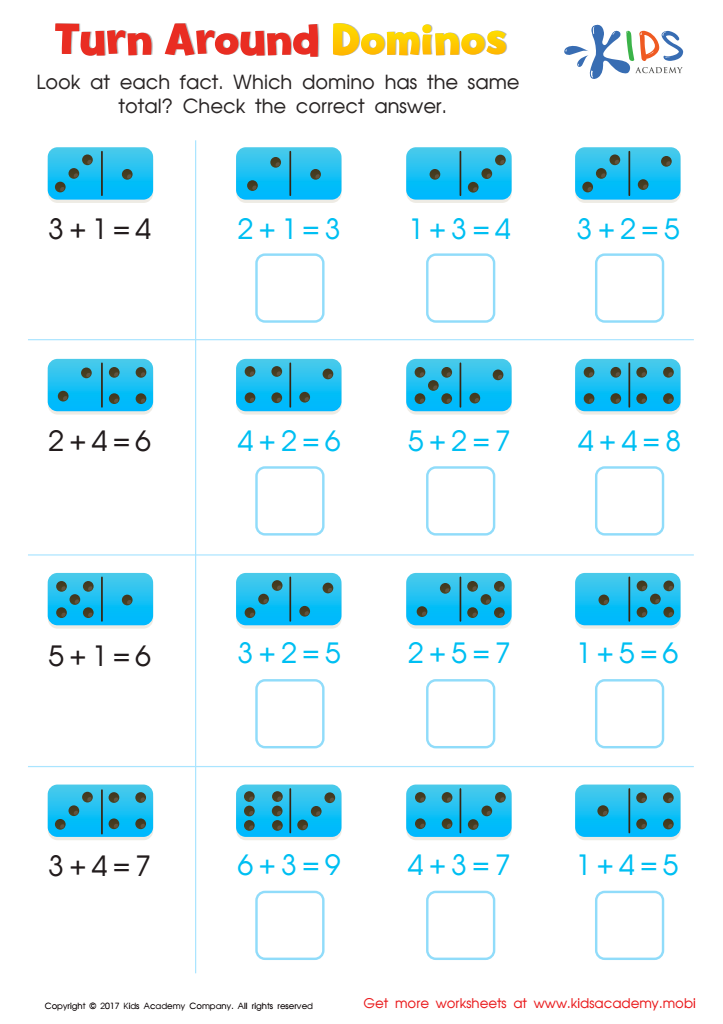
Turn Around Dominos Worksheet
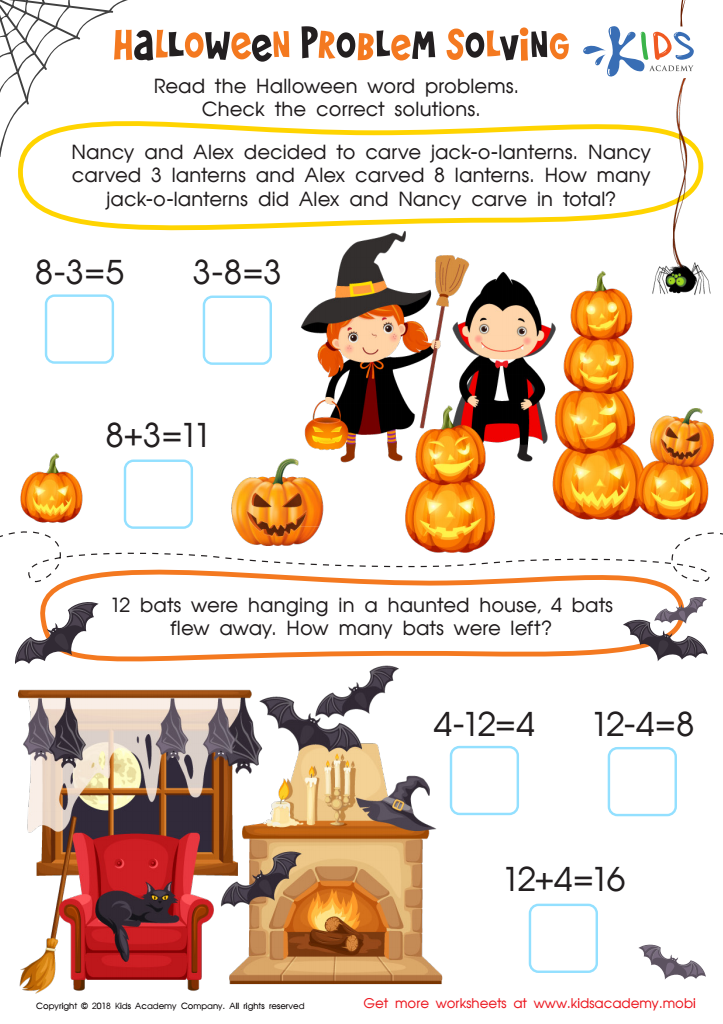
Halloween Problem Solving Worksheet
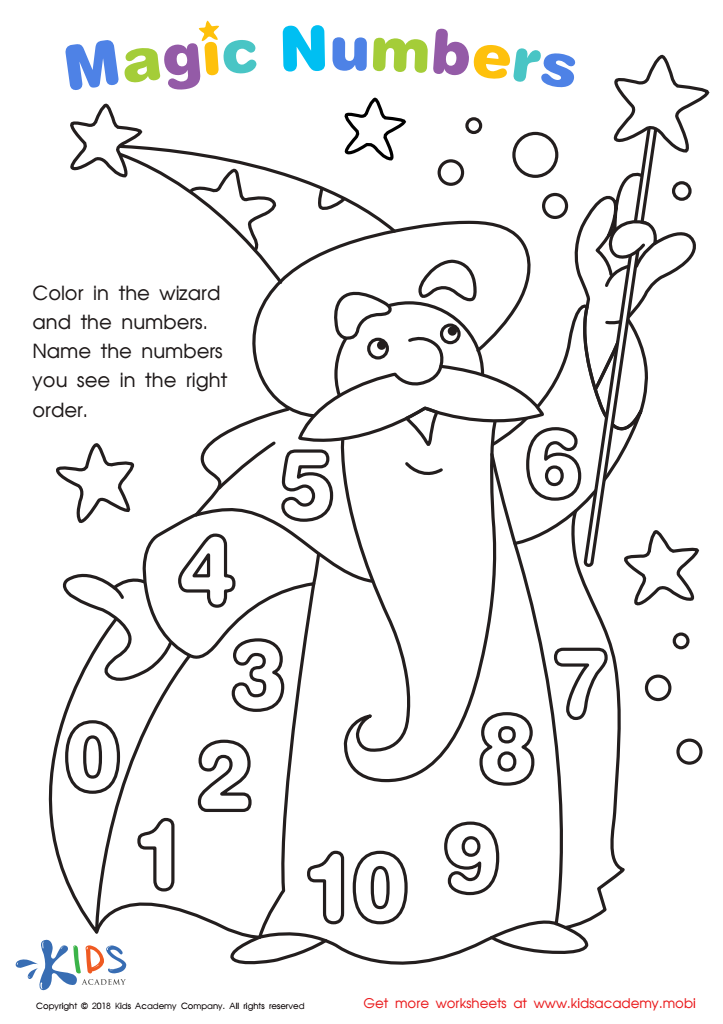
Magic Numbers Worksheet
 Assign to My Students
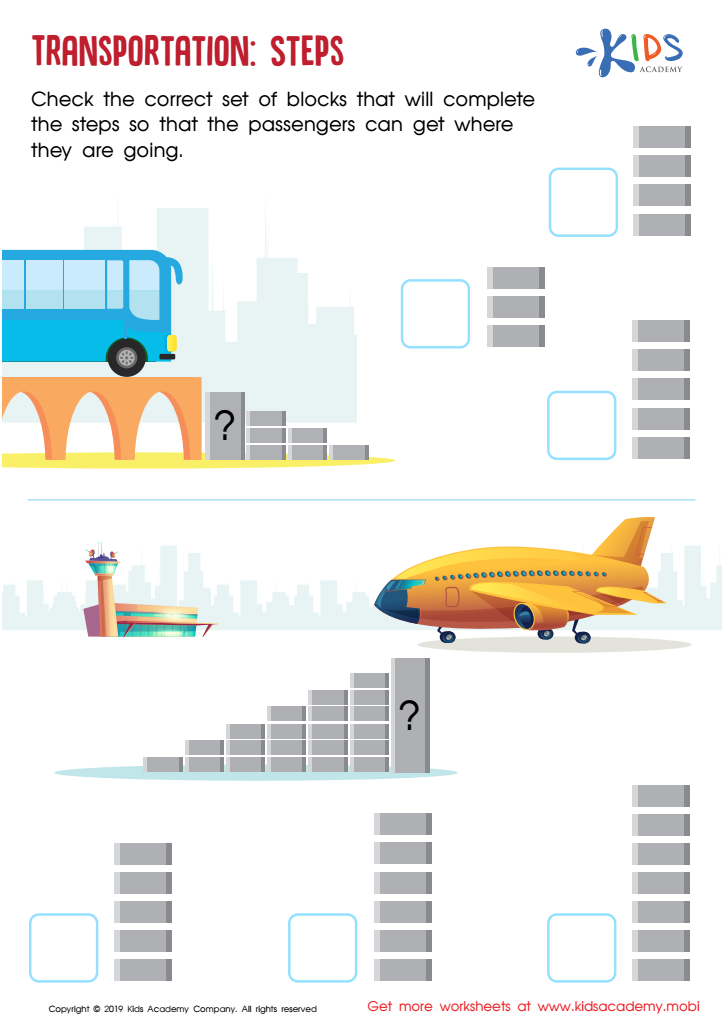
Transportation: Steps Worksheet







Parents and teachers should prioritize logical thinking and number skills for children aged 3-6 because these skills form the foundation for future academic success and overall cognitive development. During early childhood, the brain undergoes rapid growth, making it an ideal time to introduce concepts of reasoning and mathematics.
Logical thinking helps children learn how to make connections, identify patterns, and solve problems. For instance, sorting shapes or completing simple puzzles fosters analytical skills and enhances decision-making abilities. Engaging children in activities that promote logical reasoning builds their confidence and creativity in approaching challenges.
Number skills are equally important as they lay the groundwork for mathematical understanding. Basic concepts such as counting, recognizing numbers, and understanding quantities not only enhance numeracy but also support critical thinking. Mathematics nurtures curiosity about the world, encouraging children to explore concepts like addition and subtraction through play.
Furthermore, integrating logical thinking and numbers into early education promotes social skills when children work together to solve problems or play math-related games. As these skills are developed, children become more adept at tackling more complex concepts later in life, contributing to their overall success in school and beyond. Investing early fosters a love for learning and lays the groundwork for future academic achievements.








