Fraction visualization Math Worksheets for Ages 3-6
4 filtered results
-
From - To
Welcome to our Fraction Visualization Math Worksheets for Ages 3-6! These engaging and interactive worksheets are designed to introduce young learners to the concept of fractions in a fun and accessible way. Through vibrant visuals and hands-on activities, children will explore basic fraction concepts, such as halves and quarters, fostering early mathematical understanding. These worksheets encourage creativity and critical thinking as kids manipulate, color, and visualize fractions. Ideal for home or classroom use, our resources help build foundational skills in math while keeping learning enjoyable. Explore our collection today and watch your child develop a strong grasp of fractions!
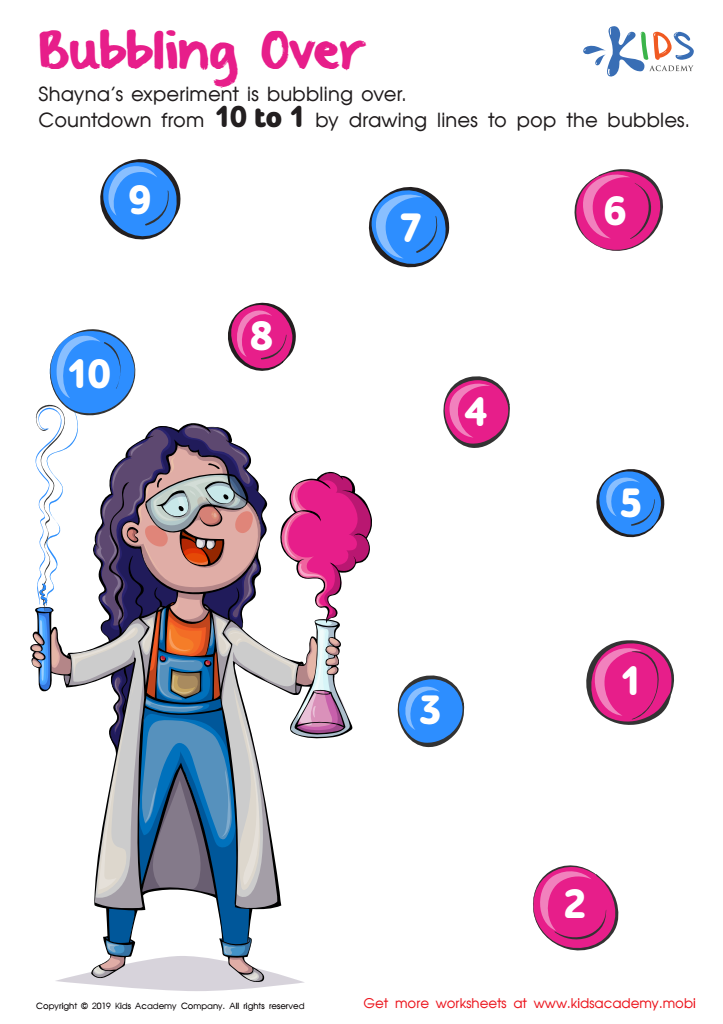
Bubbling Over Worksheet
 Assign to My Students
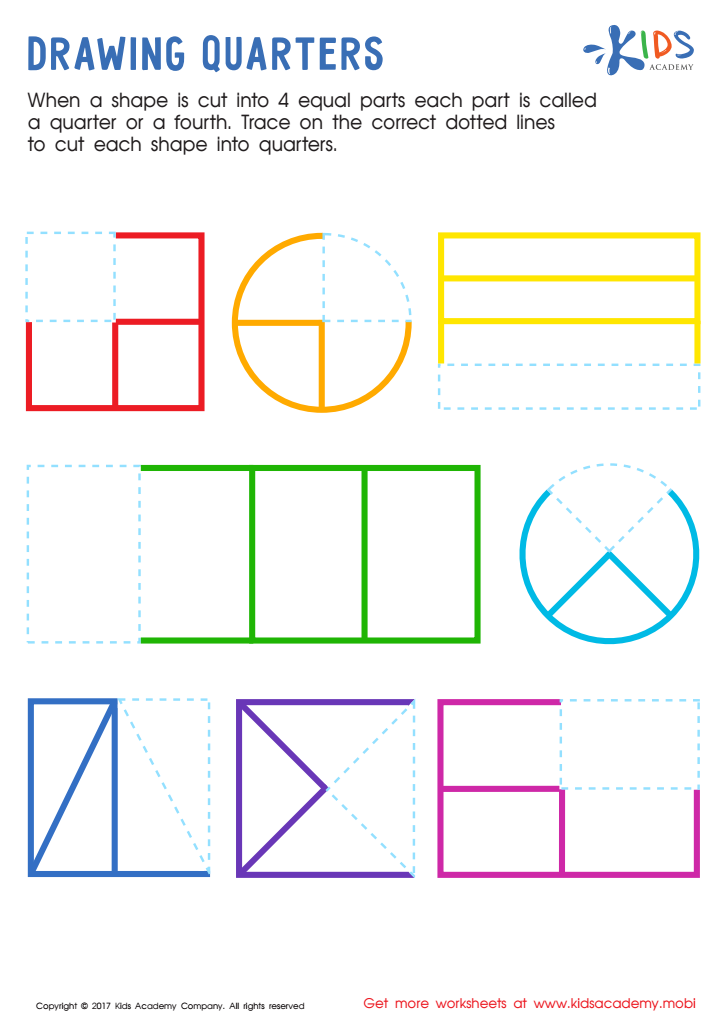
Drawing Quarters Worksheet
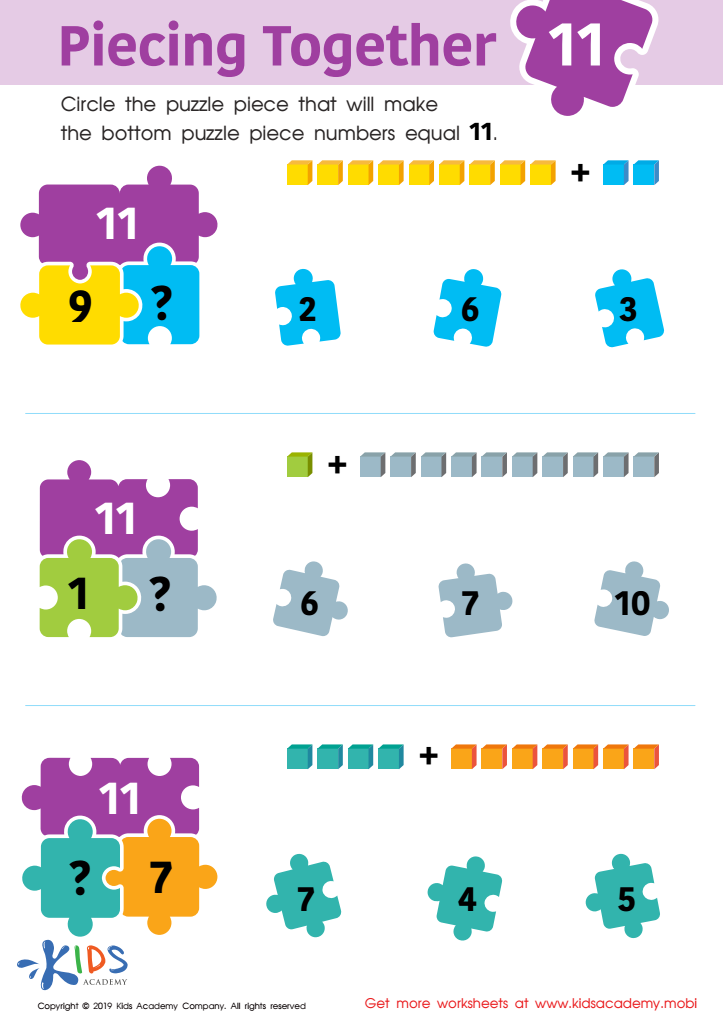
Piecing Together 11 Worksheet
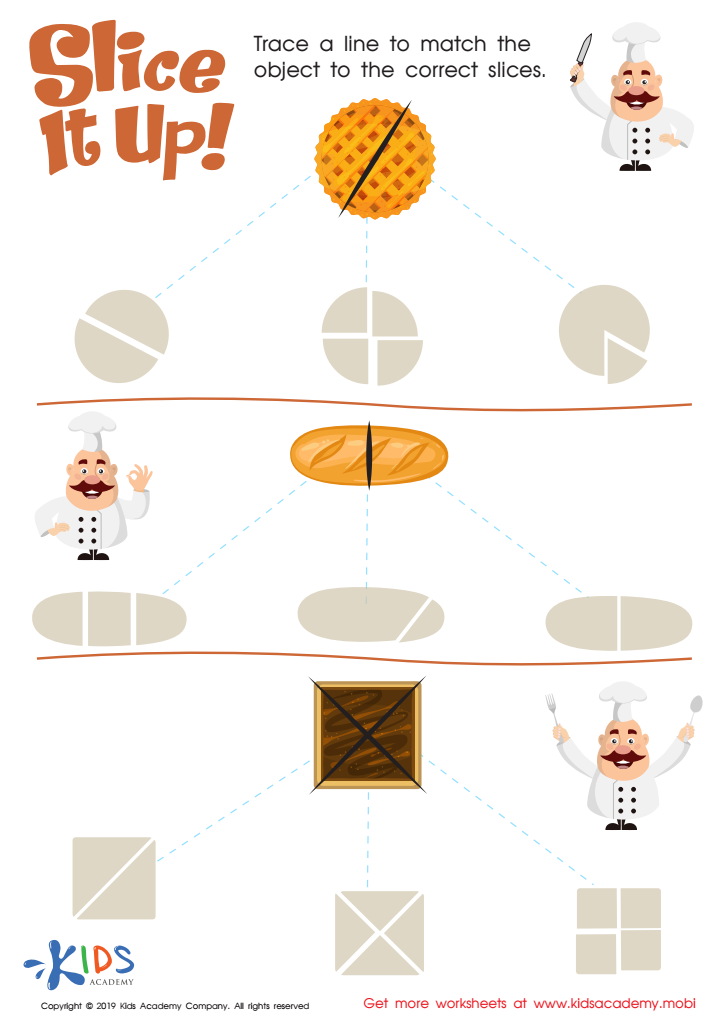
Slice It Up Worksheet








Fraction visualization is crucial in early childhood education, particularly for children aged 3-6, as it lays a strong foundation for mathematical understanding. During these formative years, children are naturally curious and develop cognitive skills rapidly. Introducing fractions through visualization helps them comprehend concepts of part-whole relationships, which is fundamental in math and everyday life.
Parents and teachers should care about this aspect of math education for several reasons. First, visualizing fractions through concrete materials like fraction circles, bars, or pizza pieces makes abstract concepts tangible and relatable. This hands-on approach fosters engagement and stimulates cognitive development, allowing children to explore and manipulate their understanding of quantities.
Moreover, lessons in fraction visualization promote critical thinking and problem-solving skills. Children learn to categorize, compare, and integrate fractions into broader mathematical concepts, enhancing their reasoning abilities. Early exposure to fraction concepts also establishes a positive attitude towards math, reducing anxiety regarding the subject as they progress in their education.
Ultimately, incorporating fraction visualization at this young age supports overall mathematical literacy and builds a core competency essential for advanced learning, ensuring children are well-prepared for future academic challenges. This foundational skill set benefits children both in math and in understanding the world around them.








