Number representation Math Worksheets for Ages 3-6
3 filtered results
-
From - To
Discover our engaging Number Representation Math Worksheets designed for children ages 3-6! These worksheets help young learners develop essential number recognition and representation skills through interactive and fun activities. Tailored to boost confidence and understanding, our materials include exercises on counting, number matching, and simple addition, all focused on building a strong mathematical foundation. Each worksheet incorporates colorful illustrations to make learning enjoyable, ensuring an exciting experience for every child. Perfect for at-home learning or classroom use, our worksheets foster early numeracy skills while promoting creativity and critical thinking. Explore our collection and watch your little learners thrive in mathematics!
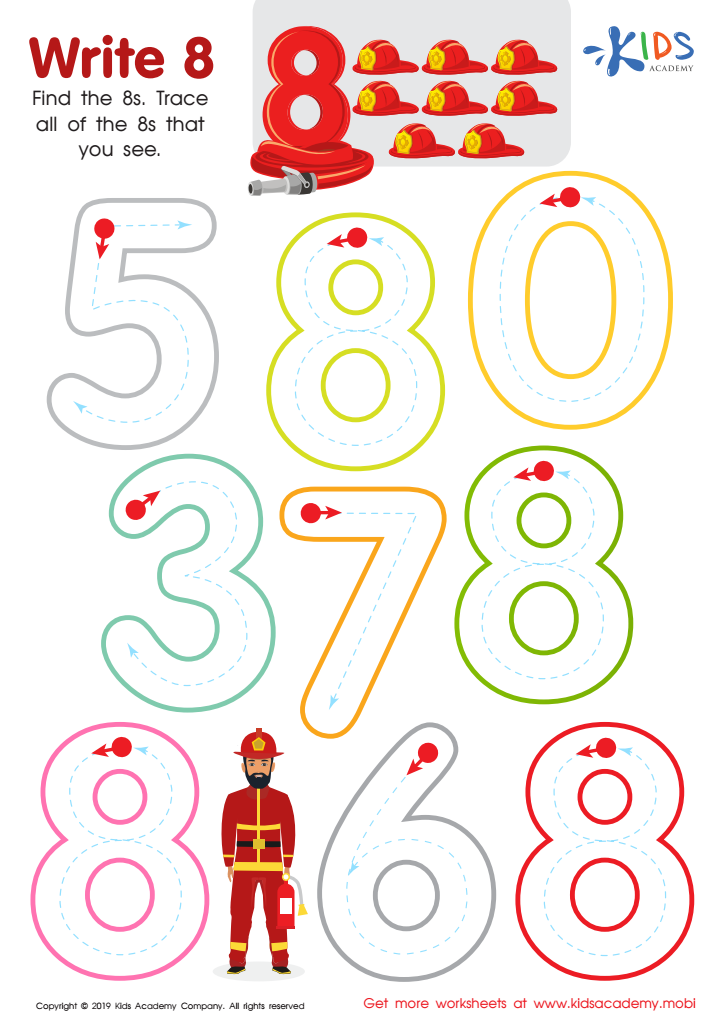
Write 8 Worksheet
 Assign to My Students
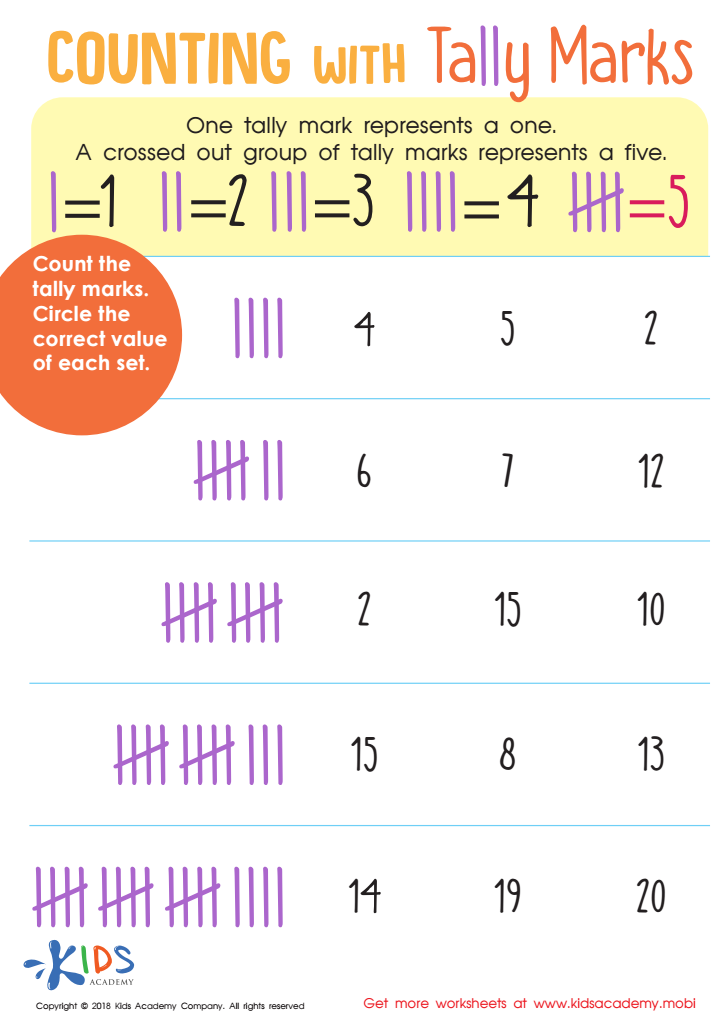
Counting with Tally Marks Worksheet
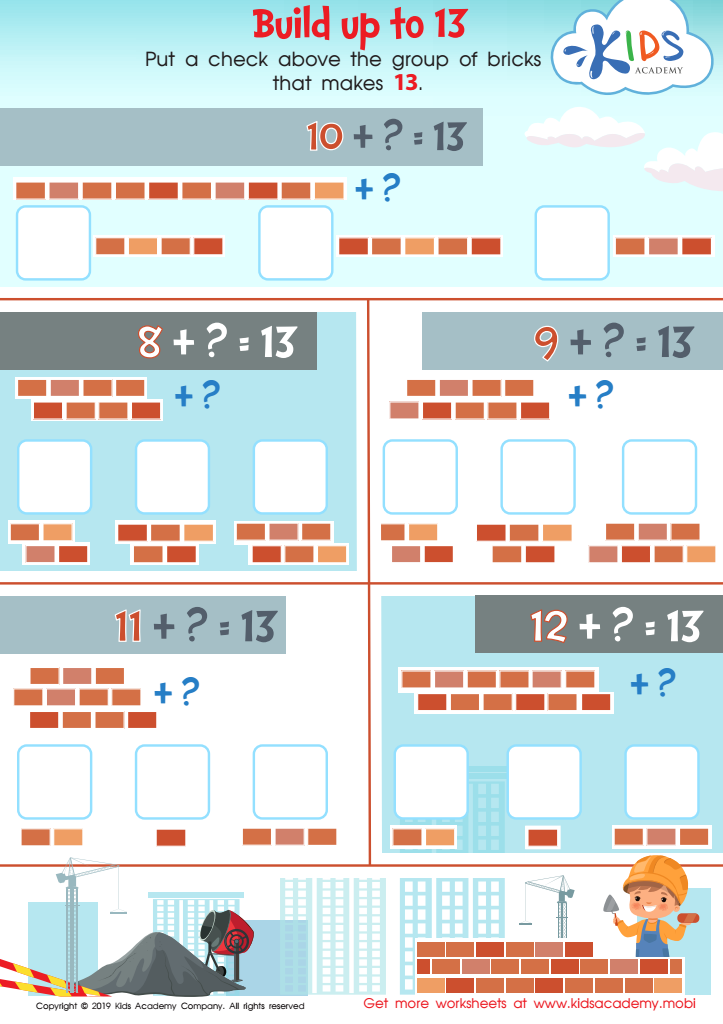
Build up to 13 Worksheet






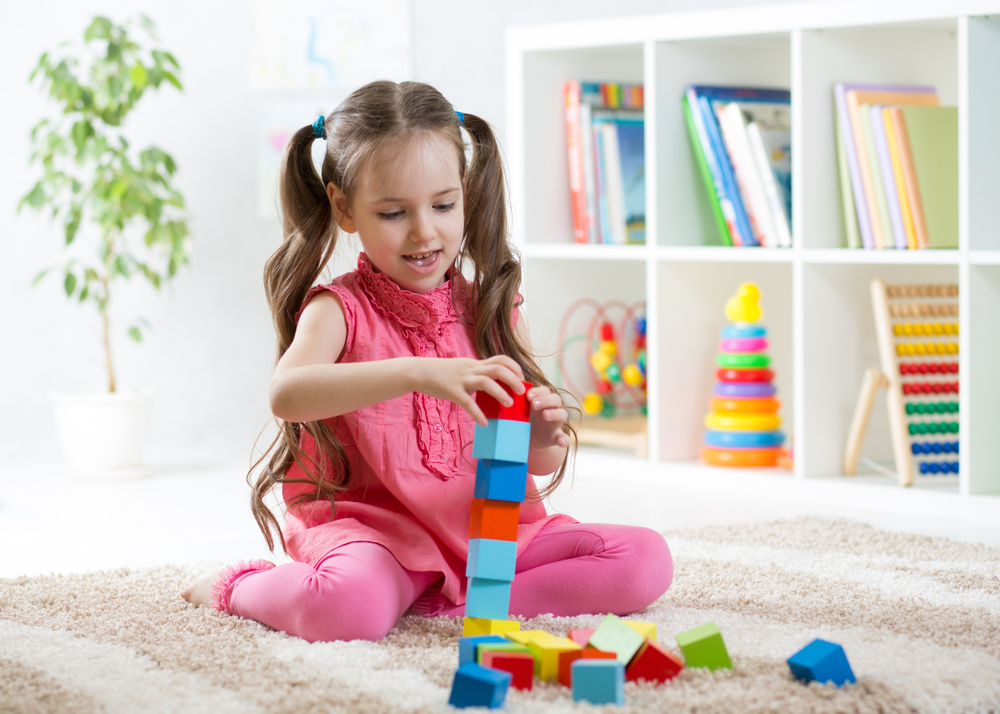
Understanding number representation is crucial for young children aged 3-6, as it lays the foundation for their mathematical development. At this stage, children begin to grasp the concept of numbers and the relationships between them. Teaching number representation helps them visualize and internalize numbers through various forms, such as counting objects, recognizing numerals, and understanding quantities.
For parents and teachers, fostering a strong number representation skill set provides several benefits. Firstly, it enhances children's cognitive development and problem-solving abilities, as they learn to manipulate numbers and recognize patterns. This skill not only supports math achievement in later grades but also encourages critical thinking in everyday situations.
Additionally, early number representation fosters a positive attitude toward math. Children who grasp these concepts are more likely to enjoy learning, engage in mathematical conversations, and develop confidence in their abilities. Also, introducing these concepts through fun, hands-on activities or games fosters a love for math and makes learning enjoyable.
In summary, parents and teachers should prioritize number representation because it is essential for early math proficiency, cognitive growth, and developing a lifelong appreciation for learning while ensuring that children feel confident and engaged in their educational journey.








