Number tracing Math Worksheets for Ages 3-6
3 filtered results
-
From - To
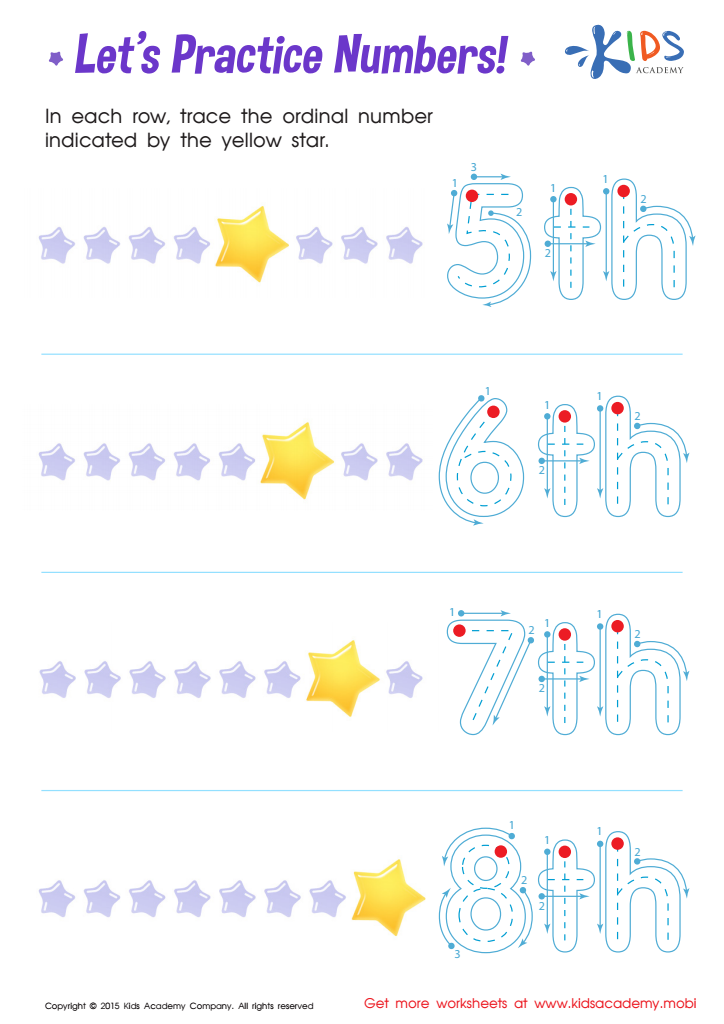
Unlock your child's potential with our Number Tracing Math Worksheets for ages 3-6! Designed to enhance early math skills, these fun and engaging worksheets help young learners master number formation and counting skills. Each colorful page encourages fine motor development while making learning numbers from 1 to 10 an enjoyable experience. Perfect for preschool and kindergarten students, these printable worksheets provide the foundation for future math success. Download today and watch your child trace, learn, and flourish! Ideal for parents and educators seeking effective tools to boost early number recognition and writing abilities.
 Assign to My Students
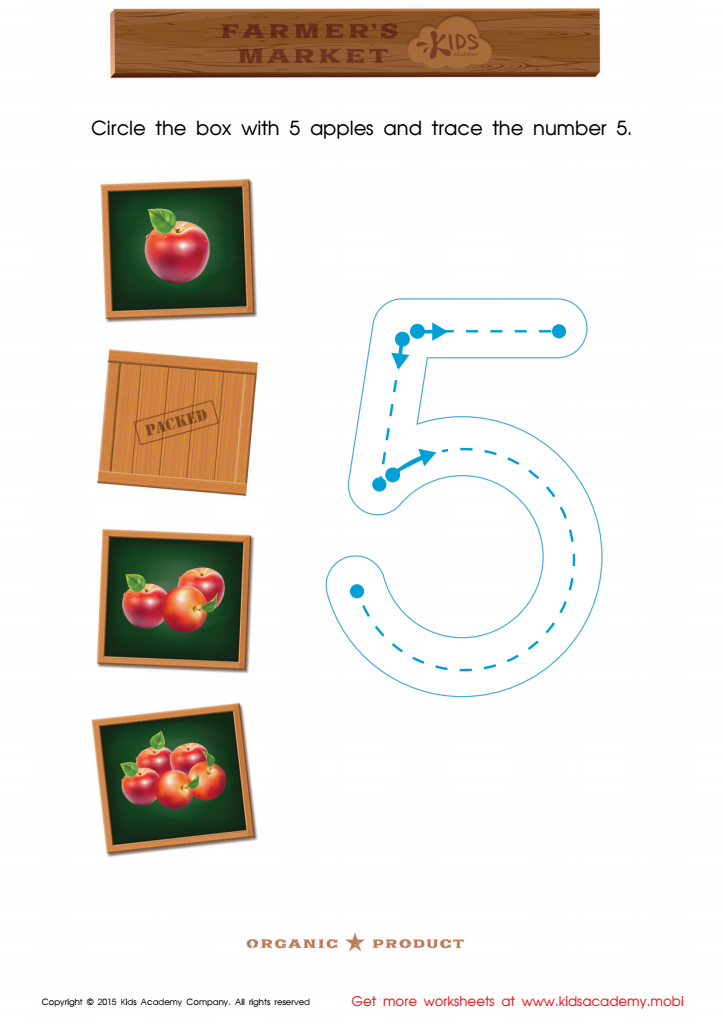
Count the Apples and Trace the Number 5 Printable
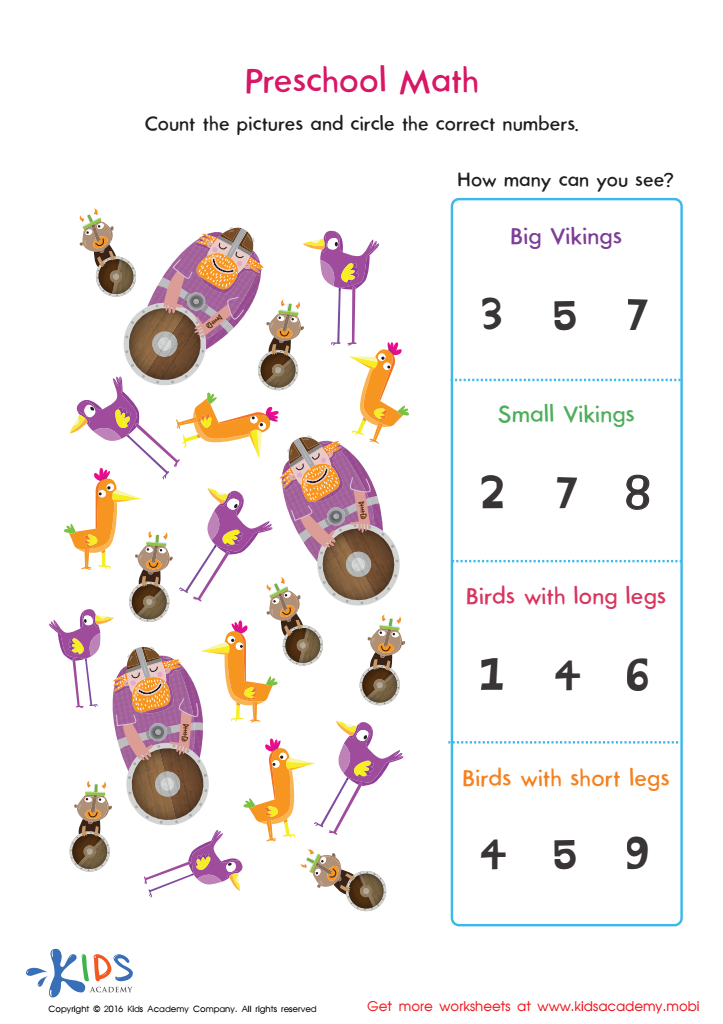








Number tracing is crucial for young learners, particularly those aged 3-6, as it lays a strong educational foundation. This early activity connects several vital developmental skills, blending cognitive, motor, and sensory learning into one engaging task.
Firstly, number tracing enhances fine motor skills. Mastering the pencil grip and controlling hand movements help children gain the dexterity needed for writing. Secondly, it promotes number recognition. By repeatedly tracing digits, children start to familiarize themselves with the shapes and forms of numbers, key for more advanced math skills like counting and simple arithmetic.
Number tracing also develops patience and focus. Children must carefully follow the lines, which requires concentration and a steady hand. This fosters attention to detail and perseverance.
Furthermore, creating an interactive and enjoyable learning experience, number tracing can ignite a child's interest and curiosity in math from an early age. It demonstrates that learning can be fun, and promotes a positive attitude towards education.
Lastly, it enables parents and teachers to identify and address learning difficulties early on. Observing how a child traces numbers can reveal developmental gaps or provide reassurance of progress. In summary, number tracing is a fundamental educational tool that supports holistic growth in young learners, prepping them for future academic success and skillful problem-solving.








