Understanding numerical values Math Worksheets for Ages 3-6
4 filtered results
-
From - To
Explore our engaging "Understanding Numerical Values Math Worksheets" designed specifically for children ages 3-6. These worksheets provide a fun and interactive way for young learners to grasp the concept of numbers and their significance. Through colorful visuals and age-appropriate activities, kids will strengthen their number recognition, learn to count, and understand quantities with ease. Perfect for at-home learning or classroom activities, these worksheets aim to build a solid mathematical foundation while fostering a love for learning. Unlock your child's potential and make math enjoyable with our thoughtfully crafted resources tailored to early childhood education!
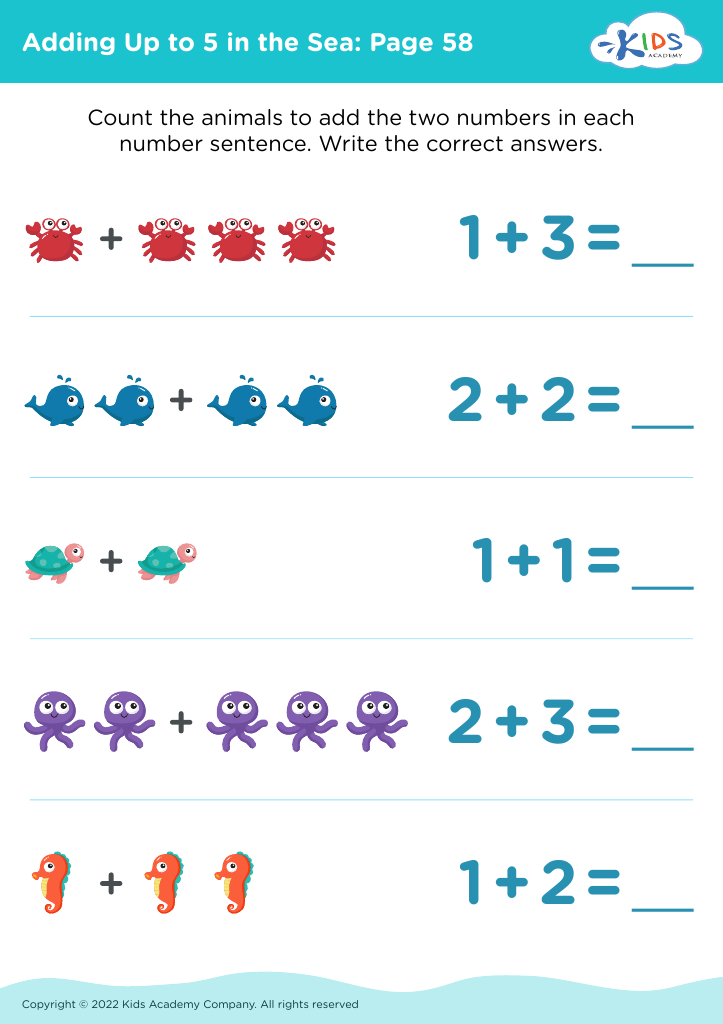
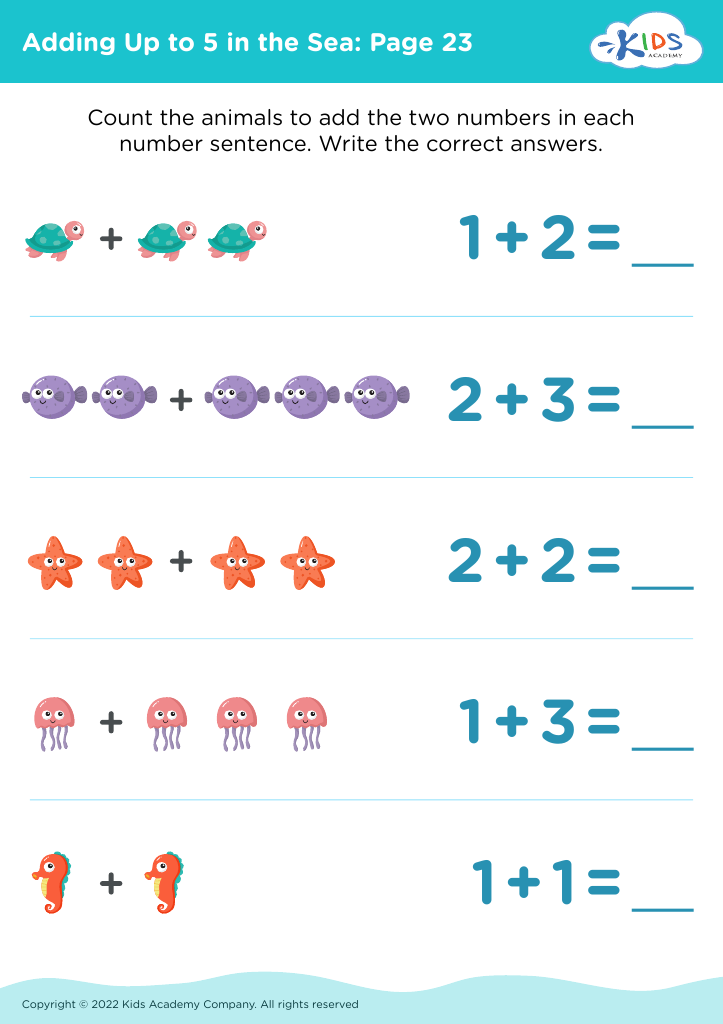
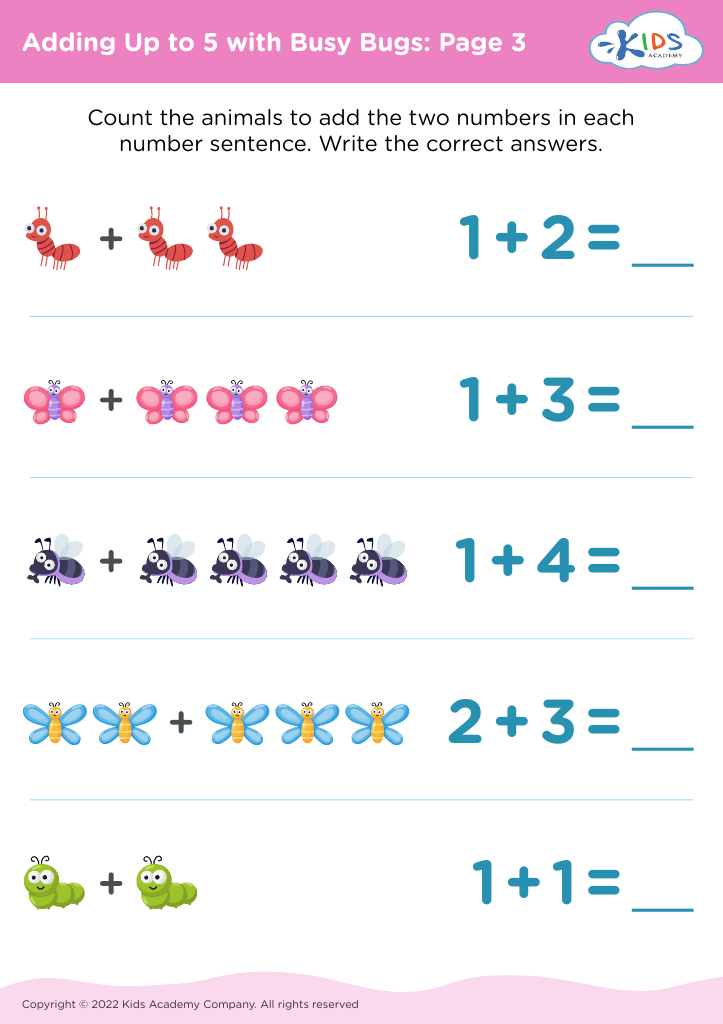
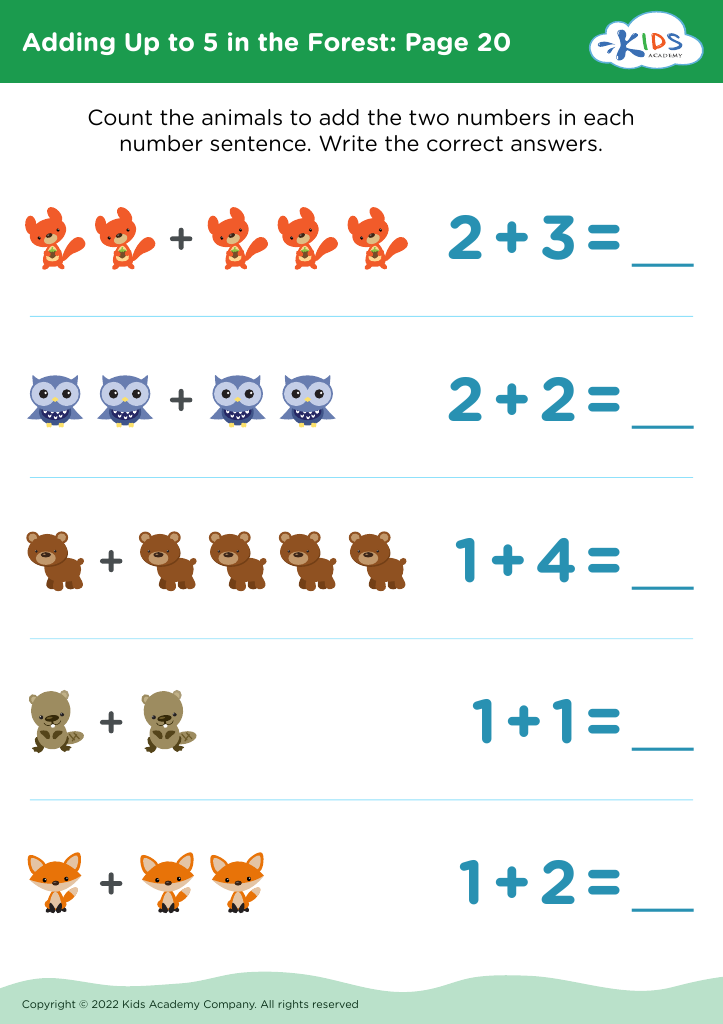





Understanding numerical values is crucial for children ages 3-6 as it lays the foundation for their mathematical knowledge and overall cognitive development. During these formative years, children are naturally curious and eager to explore the world around them. Introducing mathematical concepts, such as numbers and their values, enhances their problem-solving skills and critical thinking abilities.
Parents and teachers should care about nurturing this understanding because it boosts children’s confidence and encourages a positive attitude toward math. Early exposure to numerical concepts helps children recognize patterns, categorize objects, and comprehend basic operations like addition and subtraction. These skills are not only essential for math but also facilitate better decision-making and logical reasoning in various aspects of life.
Moreover, grasping numerical values aids in their social development, as they learn to share, count, and compare in cooperative play settings. Establishing a healthy mathematical foundation early on can also help reduce math anxiety later in life. When parents and teachers engage in fun, playful activities involving numbers—such as counting games or storytelling with numerical themes—they foster an environment where children can explore and enjoy math, thus nurturing a lifelong love for learning.








